
Is your shower leaking, but you dread the idea of tearing out tiles? You’re not alone.
A leaking shower can cause damage and frustration, but fixing it doesn’t always mean a big, messy renovation. What if you could stop the leak quickly and easily without removing a single tile? You’ll discover simple, effective ways to fix your leaking shower right now.
Keep reading, and you’ll learn how to protect your bathroom, save money, and avoid unnecessary hassle—all without breaking your walls apart.
Credit: www.sirgrout.com
Identify The Leak Source
Finding where a shower leak starts is the first step to fix it. Without this, repairs may not work well. The leak can come from many places, so careful checking is needed. This guide helps you find the exact spot causing the problem. Knowing the source saves time and money. It also keeps your bathroom safe from water damage.
Check Shower Fixtures
Start with the shower fixtures. Look at the showerhead, faucet, and handles. See if water drips when they are off. Tighten loose parts. Replace worn washers or seals. Fixtures often cause leaks because of wear. A small drip can waste lots of water. Fixing these parts may stop the leak quickly.
Inspect Grout And Sealant
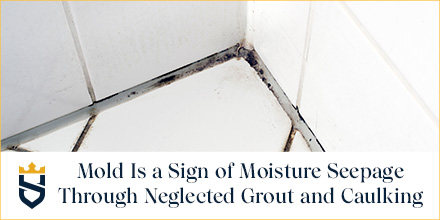
Next, examine the grout between tiles. Cracks or gaps let water pass through. Check the sealant around the shower base and edges. Old sealant can peel or crack. Remove damaged grout or sealant carefully. Apply new grout or silicone sealant. This blocks water from seeping behind tiles. Keeping grout and sealant strong stops leaks outside tile walls.
Look For Hidden Water Damage
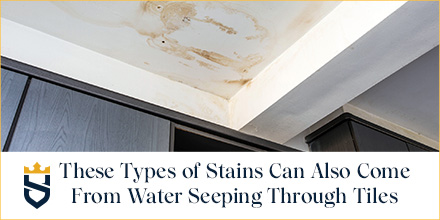
Look behind and under the shower for damage. Soft spots or stains on walls or floors show water problems. Use a flashlight to see hidden areas. Mold or mildew smell also signals water leaks. Early damage signs mean you catch leaks fast. Fixing these stops bigger damage later. Call a professional if damage seems serious.
Credit: www.sirgrout.com
Seal Cracks And Gaps
Sealing cracks and gaps is a simple step to stop leaks in your shower. Small openings let water escape and cause damage. Fixing these spots keeps your shower dry and safe. You can do this without removing any tiles.
Use the right materials to close these gaps tightly. This stops water from seeping through and damaging walls or floors. Below are easy ways to seal cracks and gaps in your shower.
Use Waterproof Caulk
Waterproof caulk is perfect for sealing small cracks. Clean the area first and dry it well. Cut the tip of the caulk tube to fit the crack size. Apply the caulk smoothly along the gap. Use a wet finger or tool to smooth it out. Let it dry completely before using the shower again.
Apply Silicone Sealant
Silicone sealant works well for larger gaps or joints. It stays flexible and does not crack easily. Clean the surface well and remove old sealant if needed. Cut the nozzle at an angle and squeeze the sealant into the gap. Smooth it with a damp cloth or finger. Allow it to cure as per the instructions on the package.
Repair Grout Lines
Cracked or missing grout can cause leaks between tiles. Remove loose grout with a grout saw or brush. Mix new grout following the package instructions. Apply the grout with a rubber float, pressing it into the gaps. Wipe off excess grout with a damp sponge. Let it dry fully before shower use.
Fix Shower Door Leaks
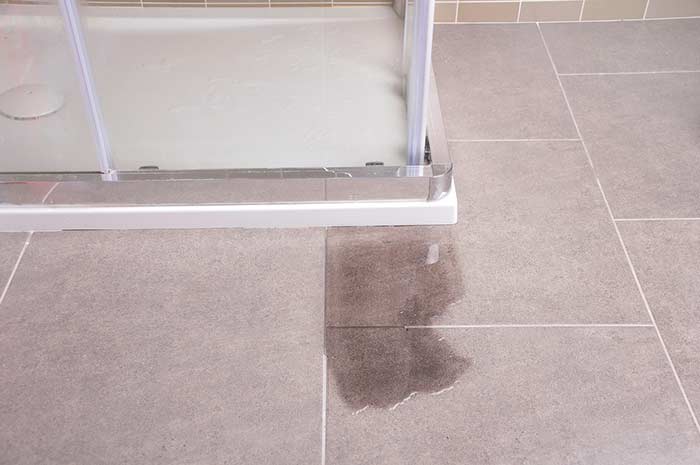
Fixing shower door leaks can stop water from escaping the shower area. This helps prevent water damage and keeps your bathroom dry. Small leaks often come from worn seals, poor door alignment, or gaps at the bottom of the door. These issues can be fixed without removing tiles or doing major repairs. Simple steps can save time and money.
Replace Door Seals
Old seals wear out and lose their grip over time. Replacing them is an easy fix for leaks. You can buy new seals at hardware stores. Remove the old seals by pulling them gently. Clean the area before installing the new ones. Press the new seals firmly along the door edges. This creates a tight barrier to stop water from leaking out.
Adjust Door Alignment
Misaligned doors often cause leaks at the edges. Check if the door closes evenly along the frame. Tighten or loosen the screws on the hinges to adjust the fit. Make small changes and test the door after each adjustment. Proper alignment helps the door seal properly and reduces gaps. This keeps water inside the shower space.
Use Door Sweep Strips
Door sweep strips fit at the bottom of the shower door. They block water from leaking underneath. These strips are easy to install with adhesive backing or screws. Measure the door width before buying a sweep strip. Cut the strip to size if needed. Attach it firmly along the door bottom. The strip stops water from escaping and protects your bathroom floor.
Address Shower Base Issues
Fixing a leaking shower often starts with the shower base. This part holds water and directs it to the drain. Small cracks or uneven surfaces can cause leaks and water damage. Repairing these issues can stop leaks without removing tiles.
Focus on the base before other parts. It ensures water stays inside the shower. There are simple steps to follow for a better, leak-free shower base.
Apply Waterproof Membrane
A waterproof membrane creates a barrier that stops water from seeping out. Use a liquid or sheet membrane designed for showers. Clean the shower base surface first. Apply the membrane evenly over all areas. Let it dry completely before using the shower again. This layer protects the base and prevents leaks.
Fix Drain Leaks
Leaks often come from the drain area. Check the drain for loose parts or cracks. Remove any old sealant around the drain. Apply fresh waterproof sealant around the drain flange. Tighten the drain to ensure a snug fit. Test the drain by pouring water and watching for leaks. Fixing the drain stops water from escaping here.
Level The Shower Floor
An uneven shower floor causes water to pool and leak. Check the floor with a level tool. Add a self-leveling compound to low spots. Spread the compound smoothly and let it dry. A flat floor helps water flow properly to the drain. This step reduces standing water and potential leaks.
Prevent Future Leaks
Preventing future leaks saves time and money. Small steps keep your shower dry and safe. Taking care of your shower regularly stops damage before it starts. Follow these tips to keep leaks away without removing tiles.
Regular Maintenance Tips
Check shower seals every few months. Look for cracks or gaps in caulk and grout. Wipe down the shower after each use. Dry surfaces prevent mold and water buildup. Fix small cracks quickly to stop bigger leaks.
Choose Quality Sealants
Use waterproof sealants made for bathrooms. High-quality sealants last longer and resist moisture better. Apply sealant carefully around joints and corners. Replace old or peeling sealant as soon as possible. Good sealants create a strong barrier against water.
Control Water Pressure
High water pressure can cause leaks. Too much pressure strains pipes and seals. Test your shower’s water pressure with a gauge. Keep pressure between 40 and 60 psi. Install a pressure regulator if needed. Lower pressure helps seals last longer and prevents leaks.
When To Call A Professional
Fixing a leaking shower without removing tiles can save time and money. Yet, some problems need expert care. Knowing when to call a professional helps avoid bigger issues and costly repairs. Here are key points to consider before deciding to handle the leak yourself.
Signs Of Serious Damage
Water stains on walls or ceilings show serious leaks. Mold growth near the shower means long-term moisture. Soft or warped walls indicate water damage inside. Cracks in grout or caulk that keep coming back can hide deeper problems. These signs need a professional inspection fast.
Complex Plumbing Problems
Leaks from pipes inside walls require special tools and skills. Faulty valves, loose fittings, or damaged pipes need expert repair. Hidden leaks can cause major water waste and damage. Professionals find and fix these issues safely and correctly. Avoid guessing with complex plumbing problems.
Cost Vs. Diy Considerations
DIY fixes seem cheaper but can lead to bigger costs. Mistakes may cause more damage and require expensive repairs. Professionals have the right tools and experience to fix leaks right the first time. Investing in expert help often saves money and stress in the long run.
Credit: www.myshower.com.au
Frequently Asked Questions
How Can I Stop Shower Leaks Without Tile Removal?
You can use waterproof sealant or caulk around the edges. Fixing cracks in grout also helps prevent leaks.
What Materials Do I Need To Fix A Leaking Shower?
Waterproof sealant, caulk gun, grout repair kit, putty knife, and cleaning tools are essential.
How Long Does It Take To Fix A Leaking Shower?
Usually, it takes about 1 to 2 hours, including drying time for sealant or grout.
Can I Fix Shower Leaks Caused By Grout Cracks?
Yes, repairing or replacing damaged grout can stop leaks effectively without tile removal.
Will Silicone Sealant Stop Water From Leaking In Showers?
Silicone sealant creates a waterproof barrier and is very effective for small leaks.
How Do I Identify The Exact Leak Source In My Shower?
Check around the shower base, grout lines, and plumbing fixtures for visible cracks or wet spots.
Is It Safe To Apply Sealant Over Old Grout?
Yes, clean the area well and remove loose grout before applying new sealant or grout.
Can I Fix Shower Leaks Using Epoxy Or Waterproof Paint?
Epoxy or waterproof paint can seal minor leaks but is not a long-term fix for big leaks.
Do Shower Door Seals Help Prevent Water Leaks?
Yes, replacing or fixing door seals can reduce leaks without removing tiles.
When Should I Call A Professional For A Leaking Shower?
If leaks persist after DIY fixes or if plumbing issues cause leaks, call a professional plumber.
Conclusion
Fixing a leaking shower without removing tiles saves time and money. Small leaks often come from worn seals or loose parts. Check these areas first and apply waterproof sealant carefully. Use simple tools and materials you can find at home or a store nearby.
Regularly inspect your shower to catch leaks early. A little effort now prevents bigger problems later. Keep your bathroom dry and damage-free without complicated repairs. You can protect your home and enjoy a leak-free shower easily.