
Have you noticed hollow spots in your hardwood floors that sound strange when you walk on them? These annoying areas can make your beautiful floors look worn out and feel unstable underfoot.
But don’t worry—fixing these hollow spots is easier than you might think. You’ll discover simple, effective steps to restore your floors’ strength and beauty. Keep reading to find out how you can bring your hardwood floors back to life and enjoy a solid, smooth surface again.
Credit: flooringdetective.com
Causes Of Hollow Spots
Hollow spots in hardwood floors happen when the wood loses its solid feel. These spots often sound hollow when you walk over them. Understanding what causes these spots helps fix the problem effectively. Several factors can lead to hollow spots, including moisture, installation errors, subfloor problems, and normal wear.
Moisture Damage
Water can seep into hardwood floors from spills or leaks. Moisture weakens the wood and the glue holding it down. Over time, this causes gaps and hollow spots. Moist floors can also warp and swell, making the problem worse.
Improper Installation
Floors that are not installed correctly may develop hollow spots. If the wood is not glued or nailed properly, it can lift or separate. Uneven placement or missing adhesive creates air pockets under the boards. These pockets cause the hollow sound and feel.
Subfloor Issues
The subfloor supports the hardwood above it. If the subfloor is damaged, uneven, or weak, it affects the floor’s stability. Loose or rotting subfloor materials cause the hardwood to shift. This movement forms hollow areas under the floorboards.
Wear And Tear
Daily use slowly wears down hardwood floors. Heavy foot traffic and furniture can loosen boards over time. Small cracks and gaps may develop between planks. These gaps create spaces that feel hollow when stepped on.
Tools And Materials Needed
Fixing hollow spots in hardwood floors needs the right tools and materials. Using proper items helps make the repair smooth and effective. Prepare everything before starting the job. This saves time and avoids mistakes.
Basic Tools
You need a few basic tools for this task. A hammer helps tap the floorboards gently. A putty knife is useful to spread repair materials. A utility knife cuts damaged wood or old filler. Sandpaper smooths the area after repair. A vacuum cleaner removes dust and debris.
Repair Materials
Choose good repair materials for long-lasting results. Wood filler is common for filling hollow spots. Pick one that matches your floor color. Wood glue helps secure loose boards. Wood shims may be needed to fill bigger gaps. Finish with a matching stain or sealant to blend the fix.
Safety Gear
Safety is important during floor repairs. Wear gloves to protect your hands. Safety goggles keep dust and particles out of your eyes. Use a dust mask to avoid breathing in fine dust. Work in a well-ventilated area to stay safe.
Preparing The Floor
Preparing the floor is the first step to fix hollow spots in hardwood floors. This step ensures the repair lasts long and looks good. You need to work carefully and make sure the floor is ready before applying any fix.
Cleaning The Area
Start by cleaning the hollow spot and the surrounding floor. Remove dust, dirt, and debris with a vacuum or broom. Use a damp cloth to wipe the area gently. A clean surface helps the repair materials stick better.
Removing Loose Boards
Check if any boards around the hollow spot are loose. Carefully lift or remove loose boards using a pry bar or flat tool. Keep them safe for reinstallation. Loose boards can cause more damage if left in place.
Checking Subfloor Condition
Look under the hollow spot to see the subfloor condition. Use a flashlight to check for water damage, mold, or rot. The subfloor must be solid and dry. Repair or replace damaged subfloor parts before fixing the hardwood.
Credit: www.youtube.com
Diy Repair Methods
Hollow spots in hardwood floors can cause annoying sounds and uneven surfaces. Fixing them yourself saves money and is quite simple. Several methods work well for small to medium hollow spots. You only need a few tools and materials. Each method suits different damage types and skill levels. Choose the one that fits your floor’s condition and your comfort with repairs.
Using Wood Filler
Wood filler is a quick fix for small hollow spots. Clean the area first. Remove dust and loose wood. Press wood filler into the hollow spot using a putty knife. Smooth it out to match the floor surface. Let it dry completely. Sand the area lightly to blend with the floor. Finish with a matching stain or finish for a neat look.
Applying Epoxy Resin
Epoxy resin works well for deeper or larger hollow spots. Mix the resin according to instructions. Pour it carefully into the hollow area. Use a stick to spread it evenly. The resin fills gaps and hardens solid. Let it cure fully, usually 24 hours. Sand the surface to smooth it out. Apply a finish that matches your floor’s color.
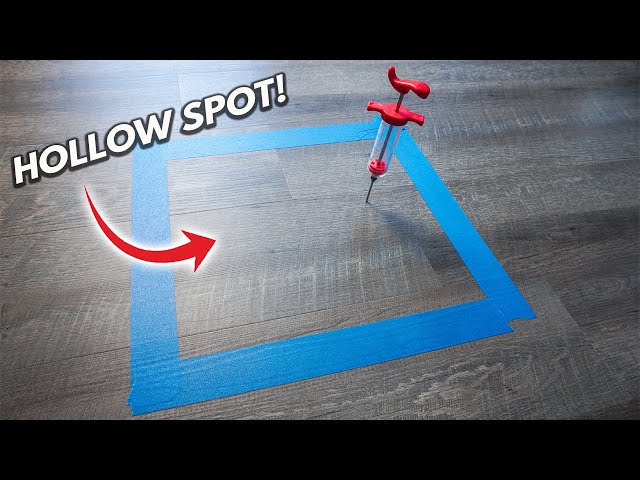
Injecting Adhesive Under Boards
This method helps when boards lift slightly and create hollow sounds. Drill small holes near the hollow spot. Inject wood glue or adhesive under the board using a syringe or nozzle. Press the board down firmly. Clamp it if possible until the glue dries. The adhesive bonds the board to the subfloor. Fill holes with wood filler and sand smooth.
Replacing Damaged Boards
Sometimes hollow spots mean the board is too damaged. Removing and replacing the board is best. Use a saw to cut out the damaged board carefully. Remove nails or glue from the subfloor. Fit a new board of the same size and wood type. Nail or glue it in place securely. Sand and finish the new board to match the floor.
Sanding And Refinishing
Sanding and refinishing hardwood floors fix hollow spots effectively. This process smooths uneven areas and restores the floor’s beauty. It removes old finish and opens the wood pores for new stain and finish. Proper sanding and refinishing improve floor durability and appearance.
Sanding Techniques
Start with coarse grit sandpaper to remove damaged layers. Use a drum sander for large areas and an edge sander for corners. Sand evenly to avoid dips and waves. Gradually switch to finer grit sandpapers for a smooth surface. Always sand in the wood grain direction. Clean dust thoroughly after sanding.
Staining Tips
Choose a stain color that matches your floor or your room’s style. Test stain on a small hidden spot first. Apply stain evenly with a brush or cloth. Wipe off excess stain quickly to avoid blotches. Allow stain to dry fully before applying any finish.
Applying Finish Coats
Select a finish that suits your floor’s use and look. Use a brush or roller to apply thin, even coats. Let each coat dry before adding the next one. Lightly sand between coats for a smooth finish. Apply at least two coats for better protection and shine.
Preventing Future Hollow Spots
Preventing hollow spots in hardwood floors keeps your floor strong and beautiful. These spots happen when the wood separates from the subfloor. Stopping this problem early saves you from costly repairs later. Simple care steps help maintain your floor’s health for years.
Maintaining Proper Humidity
Wood needs the right moisture to stay solid. Too much or too little humidity causes wood to shrink or swell. This movement creates gaps and hollow spots. Use a humidifier in dry months and a dehumidifier in wet months. Keep indoor humidity between 35% and 55% for best results. Check humidity often to protect your floors.
Regular Floor Inspections
Look at your floors often to catch problems early. Walk on the floor and listen for hollow sounds. Use your hand to feel for loose or uneven boards. Check corners and edges where damage starts. Spotting issues early lets you fix them before they spread. Set a schedule to inspect your floor every few months.
Professional Installation Tips
Proper installation prevents hollow spots from the start. Choose experienced professionals for your hardwood floors. They prepare the subfloor carefully to avoid gaps. They leave space for wood to expand and contract naturally. Ask about their methods and materials before installation. Good installation means fewer problems and longer floor life.

Credit: www.amazon.com
Frequently Asked Questions
What Causes Hollow Spots In Hardwood Floors?
Hollow spots happen when the wood separates from the subfloor. Moisture, poor installation, or wood shrinkage often cause this.
Can Hollow Spots Damage Hardwood Floors Permanently?
Yes, if left untreated, hollow spots can worsen and damage the floor. Early repair helps maintain floor strength and appearance.
How Can I Detect Hollow Spots In My Hardwood Floor?
Tap the floor gently; hollow spots sound hollow or hollow like a drum. Look for areas that feel loose or uneven.
What Tools Do I Need To Fix Hollow Spots?
Basic tools include a hammer, wood glue, nails, and a putty knife. Sometimes a drill and wood filler help too.
Is It Possible To Fix Hollow Spots Without Removing Floorboards?
Yes, small hollow spots can be fixed by injecting glue under the floor. Larger spots may need board removal.
How Long Does It Take To Repair Hollow Spots?
Repairs usually take a few hours depending on the damage size. Drying glue or filler may add extra time.
Can I Fix Hollow Spots Myself Or Hire A Professional?
Small repairs can be done by homeowners with basic skills. Large or complex damage is best handled by professionals.
Will Fixing Hollow Spots Improve My Hardwood Floor’s Value?
Yes, fixing hollow spots keeps the floor strong and looking good. Well-maintained floors add value to your home.
How Can I Prevent Hollow Spots In Hardwood Floors?
Control moisture levels and use a good subfloor during installation. Regular cleaning and inspections help prevent damage.
Are Hollow Spots Common In All Types Of Hardwood Floors?
Hollow spots are more common in poorly installed or older floors. Solid and engineered hardwood can both develop hollow spots.
Conclusion
Fixing hollow spots in hardwood floors is easier than you think. Small repairs can make a big difference in your floor’s look. Use the right tools and materials for the best results. Take your time and follow the steps carefully.
Regular care helps prevent new hollow spots from forming. Your floors will stay strong and beautiful for years. Enjoy the comfort and charm of your hardwood floors again. Keep practicing, and you’ll gain more confidence with each repair.