
Are your engineered hardwood floors looking dull and faded? You’re not alone, and the good news is that you don’t have to replace them to bring back their original beauty.
Faded floors can make your entire room feel tired and worn out, but with the right steps, you can restore their shine and warmth. You’ll discover simple and effective ways to fix your faded engineered hardwood floors, so they look fresh and inviting again.
Keep reading to learn how to protect your investment and transform your space without spending a fortune.

Credit: surfacescare.com.au
Causes Of Faded Engineered Hardwood
Faded engineered hardwood floors lose their rich, warm look over time. Several common causes lead to this dull, washed-out appearance. Understanding these causes helps to fix and protect your floors better. Here are the main reasons engineered hardwood floors fade.
Sunlight Exposure
Sunlight is a major cause of fading. UV rays break down the wood’s finish and color. Floors near windows or in bright rooms fade faster. Direct sunlight causes uneven discoloration. Areas in shade remain darker, creating a patchy look.
Wear And Tear
Daily use wears down the finish on hardwood floors. Foot traffic, furniture movement, and pets scratch the surface. The worn finish loses its protective layer, making wood more vulnerable. Over time, this wear causes dull and faded spots.
Improper Cleaning
Using harsh chemicals or too much water damages engineered hardwood. Strong cleaners strip away the floor’s finish and color. Excess water seeps into the wood layers, causing swelling and fading. Cleaning with the wrong products speeds up wear and dullness.
Moisture Damage
Moisture harms engineered hardwood floors deeply. Water spills, leaks, or high humidity cause wood to swell and weaken. This damage dulls the finish and changes the floor’s color. Persistent moisture leads to permanent fading and warping of the boards.

Credit: tmoorehome.com
Tools And Materials Needed
Fixing faded engineered hardwood floors requires specific tools and materials. These help restore the floor’s natural look and protect it from further damage. Having the right items ready makes the job easier and more efficient.
This section covers the essential tools and materials needed for the task. Each category plays a key role in the repair process.
Cleaning Supplies
Start by cleaning the floor thoroughly. Use a broom or vacuum to remove dirt and dust.
Gather a mild wood cleaner and a soft mop or cloth. Avoid harsh chemicals that can damage the wood.
Clean floors allow better sanding and finishing results.
Sanding Equipment
Sanding removes the old faded finish and smooths the wood surface.
A floor sander or orbital sander works best. Use fine-grit sandpaper for a smooth finish.
Wear a dust mask and safety goggles for protection.
Wood Stain Options
Choose a wood stain that matches your floor color. Stains come in oil-based or water-based formulas.
Test the stain on a small area first. This ensures the color fits your preference.
Use a brush or cloth to apply the stain evenly.
Finishing Products
Finish the floor with a clear protective coat. This adds shine and durability.
Polyurethane is a common choice for engineered hardwood floors. It comes in satin, semi-gloss, or gloss finishes.
Apply thin layers and let each dry completely before the next coat.
Preparing The Floor For Repair
Preparing the floor for repair is a crucial step to restore faded engineered hardwood floors. This process ensures the surface is clean and ready for the next steps. Taking time here helps the repair last longer and look better.
Clearing The Area
Remove all furniture and rugs from the floor. This gives you full access to the faded spots. Clear away any small objects or debris. You want an open space to work easily and avoid accidents.
Cleaning Thoroughly
Clean the floor with a soft broom or vacuum first. Then, use a damp mop with a gentle wood cleaner. Avoid soaking the floor with water. Dry the floor completely before moving on. Clean floors show damage more clearly and help repair products stick.
Inspecting For Damage
Look closely for scratches, dents, or water damage. Mark any areas that need special attention. Check the edges and corners too. Identifying damage early helps you plan the right repair steps. This inspection protects your floor’s health and appearance.
Diy Methods To Restore Color
Faded engineered hardwood floors can lose their charm over time. Restoring their color at home is possible with some simple steps. These DIY methods help bring back the rich look of your floors without costly professional help.
Each method suits different levels of fading and damage. Choose the one that fits your floor’s condition and your comfort level with tools and materials.
Light Sanding Techniques
Light sanding removes the top faded layer of your floor. Use fine-grit sandpaper to avoid deep scratches. Sand in the direction of the wood grain for a smooth finish. Clean the dust well after sanding. This step prepares your floor for a fresh layer of stain or finish.
Applying Wood Stain
Wood stain restores color and enhances wood grain. Select a stain shade close to your floor’s original color. Apply it evenly with a brush or cloth. Let the stain soak in for a few minutes. Wipe off the excess to avoid blotches. Allow the floor to dry completely before walking on it.
Using Wood Markers For Touch-ups
Wood markers fix small faded spots and scratches. Choose a marker that matches your floor color. Apply the marker directly on the affected areas. Blend the color with a soft cloth for a natural look. This method is quick and perfect for minor touch-ups.
Sealing And Protecting The Floor
Sealing and protecting engineered hardwood floors is key to keeping them looking fresh and new. It helps stop damage from water, dirt, and daily wear. A good seal makes cleaning easier and extends the floor’s life.
Choose the right finish and apply it carefully. Let the finish dry fully before using the floor. This simple step can save you from costly repairs later.
Choosing The Right Finish
Pick a finish made for engineered hardwood floors. Polyurethane is a popular choice. It forms a hard, clear coat that protects well. Water-based finishes dry fast and have less odor. Oil-based finishes last longer but take more time to dry. Satin or matte finishes hide scratches better than glossy ones.
Application Tips
Clean the floor well before applying any finish. Use a brush or roller for even coverage. Work in small sections to avoid streaks. Apply thin coats; thick layers can bubble or peel. Lightly sand between coats to keep the surface smooth. Follow the product instructions closely for best results.
Drying And Curing Time
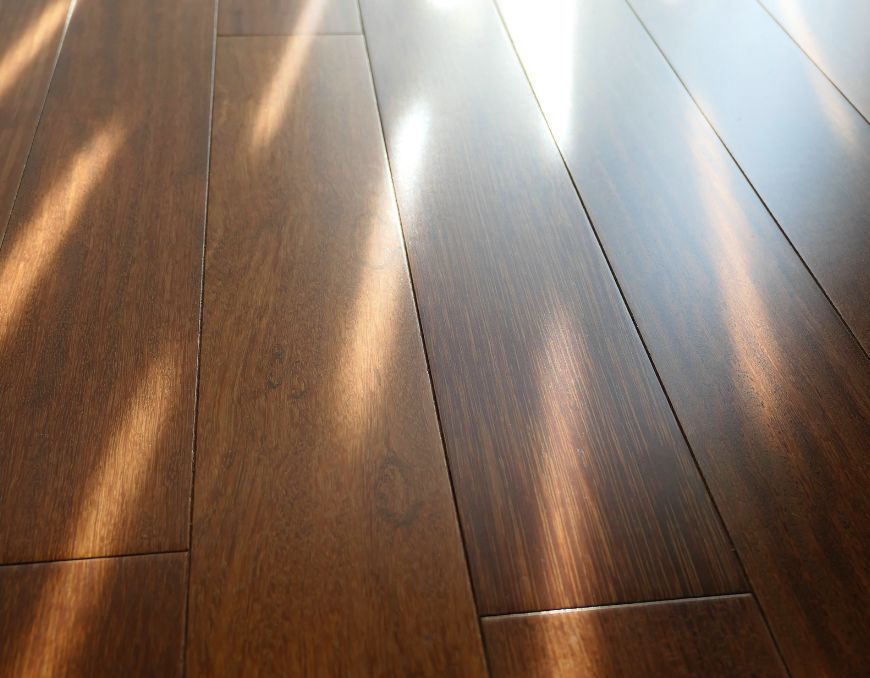
Allow enough time for the finish to dry completely. This can take from a few hours to a full day. Avoid walking on the floor during this time. Curing may take several days to reach full hardness. Keep the room ventilated to speed up drying. Patience here means a stronger, longer-lasting floor finish.
Credit: www.fromtheforest.com
Preventing Future Fading
Preventing future fading of engineered hardwood floors helps keep them looking fresh and new. Fading happens because of sunlight, wear, and lack of care. Taking steps to protect your floors stops damage and keeps their color vibrant longer.
Using Rugs And Mats
Place rugs and mats in high-traffic areas. They protect floors from dirt, scratches, and sunlight. Choose rugs with non-slip backing to avoid slipping hazards. Mats near doors catch dirt and moisture before it reaches your floors.
Controlling Sunlight Exposure
Sunlight causes wood floors to fade over time. Use curtains, blinds, or UV window film to reduce sun damage. Close window coverings during peak sunlight hours. Rearrange furniture occasionally to avoid uneven fading on your floors.
Regular Maintenance Tips
Clean floors regularly with a soft broom or vacuum. Use a damp mop with hardwood floor cleaner for deeper cleaning. Avoid harsh chemicals and excessive water that can damage wood. Wipe spills immediately to prevent stains and damage.
When To Call A Professional
Knowing when to call a professional for faded engineered hardwood floors is important. Some problems need expert care to avoid more damage. Professionals have the tools and skills to restore your floor properly. They can save you time and effort.
Severe Damage
Deep scratches, large stains, or water damage require a pro. These issues often go beyond simple cleaning or DIY fixes. A specialist can assess the full damage and decide the best solution. Leaving severe damage untreated can ruin the floor further.
Complex Repairs
Some repairs need precise work and special tools. Replacing damaged boards or fixing warped sections is tricky. A professional knows how to match the wood and finish perfectly. They ensure the repair blends in with the rest of the floor.
Refinishing Options
Refinishing faded floors is not always easy. Professionals understand different finishes and sanding techniques. They can advise on the best refinishing method for your floor type. Their work guarantees a smooth, even, and lasting finish.
Frequently Asked Questions
What Causes Engineered Hardwood Floors To Fade?
Sunlight exposure and UV rays are the main causes of fading. Over time, these rays break down the wood’s finish and color. Wear and tear can also dull the surface.
How Can I Restore Color On Faded Hardwood Floors?
Using a wood floor restorer or stain can bring back color. Light sanding before applying these products helps them stick better. Always test on a small area first.
Can I Fix Faded Floors Without Sanding?
Yes, using floor polish or tinted refinisher can improve appearance. These options add shine and color without heavy sanding. They are good for minor fading.
How Often Should I Refinish Engineered Hardwood Floors?
Refinishing is usually needed every 7-10 years depending on wear. High traffic areas may need attention sooner. Regular cleaning extends the finish’s life.
Is It Safe To Use Diy Products On Hardwood Floors?
Most DIY products are safe if used as directed. Avoid harsh chemicals that can damage the finish or wood. Read labels carefully before applying.
How To Protect Engineered Hardwood From Future Fading?
Use window blinds or curtains to block direct sunlight. Apply UV-resistant floor finishes for extra protection. Place rugs in sunny areas.
Can Water Damage Cause Hardwood Floors To Fade?
Yes, water can discolor wood and damage finishes. Wipe spills quickly to prevent fading and warping. Use a damp mop, not soaking wet.
What Is The Best Cleaner For Faded Engineered Hardwood?
Use a pH-neutral cleaner designed for hardwood floors. Avoid ammonia or bleach-based cleaners that strip finish. Clean regularly but gently.
Should I Hire A Professional For Floor Restoration?
Professionals have tools and skills to restore floors well. They can match stains and finishes better than DIY attempts. Consider pros for deep fading or damage.
How Long Does It Take To Fix Faded Hardwood Floors?
Small touch-ups can take a few hours to dry. Full refinishing may require 2-3 days including drying time. Planning ahead helps minimize inconvenience.
Conclusion
Faded engineered hardwood floors can brighten up with the right steps. Clean and sand gently to restore the surface. Apply a suitable finish to protect and renew the wood. Regular care helps keep floors looking fresh longer. Small fixes prevent bigger damage over time.
Enjoy the natural beauty of your floors again. Simple efforts make a noticeable difference fast. Keep your home warm and inviting with revived floors.