
To drain fuel from dirt bike tanks, you’ll need about 10 to 15 minutes, basic hand tools, and a standard fuel container.
Tools to drain dirt bike fuel
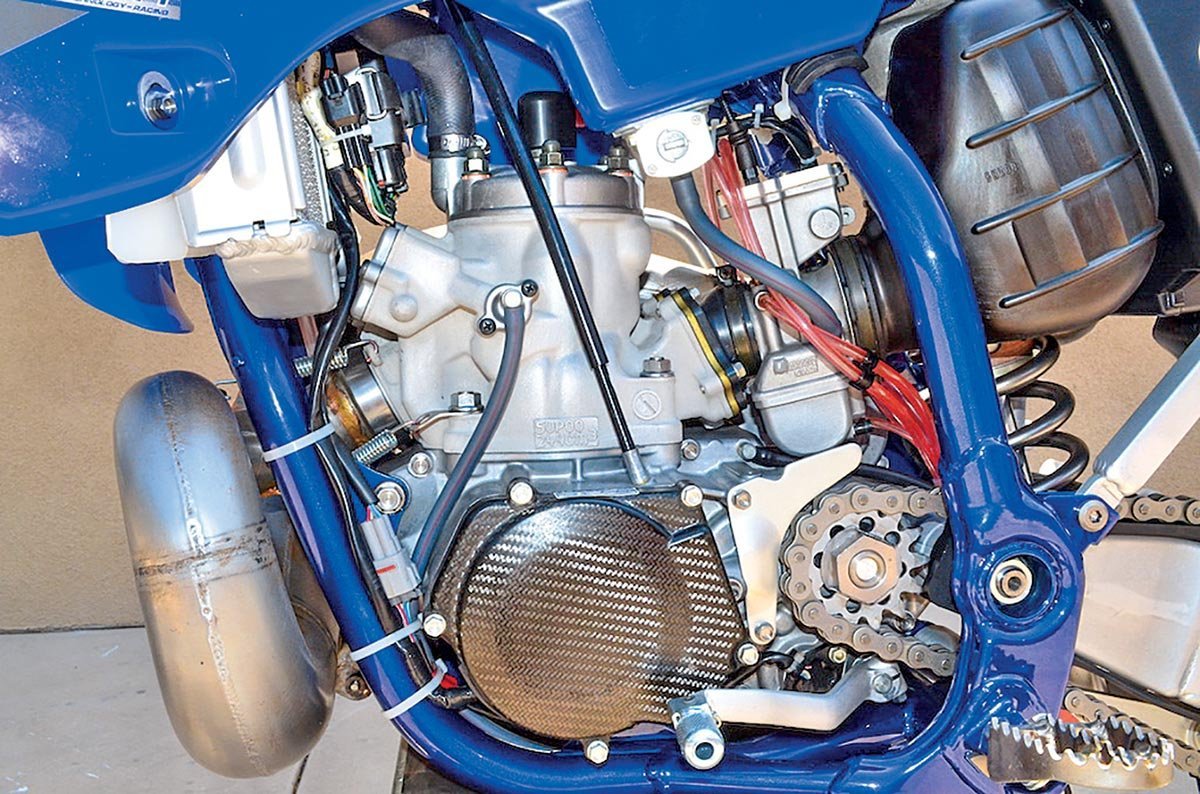
- An approved red plastic gasoline container (1-gallon to 5-gallon capacity, marked specifically for fuel).
- A pair of slip-joint pliers to release spring-type hose clamps.
- A flathead screwdriver or 8 mm socket wrench (depending on your bike’s petcock or float bowl screw style).
- A clear 1/4-inch inner diameter fuel line, cut to roughly 18 inches long.
- Nitrile gloves to keep raw fuel off your skin.
- A clean shop rag or blue paper shop towels to catch drips.
A dedicated manual siphon pump works if you can’t reach your line, but a kitchen baster doesn’t work because gasoline dissolves thin plastic seals.
Step-by-step
- Move the dirt bike outside to a well-ventilated space and confirm the engine is completely cold to the touch.
- Turn the fuel petcock switch to the “OFF” position so fuel stops flowing toward the carburetor.
- Place an approved fuel jug directly beneath the bike’s frame near the petcock outlet.
- Squeeze the hose clamp on the fuel line with your pliers, slide it back 2 inches, and gently twist the rubber line off the petcock valve. Careful: Don’t pull hard on stuck rubber lines, or you’ll snap the plastic petcock nipple and ruin the valve assembly.
- Slide your clear 18-inch hose over the exposed petcock outlet and route the other end straight into your gas container.
- Switch the petcock valve to the “ON” position, or turn it to “RES” (reserve) to pull the remaining gas from the bottom of the tank. Tip: If fuel stops flowing before the tank is empty, unscrew the gas cap on top; air needs to enter the tank so a vacuum doesn’t lock the liquid inside.
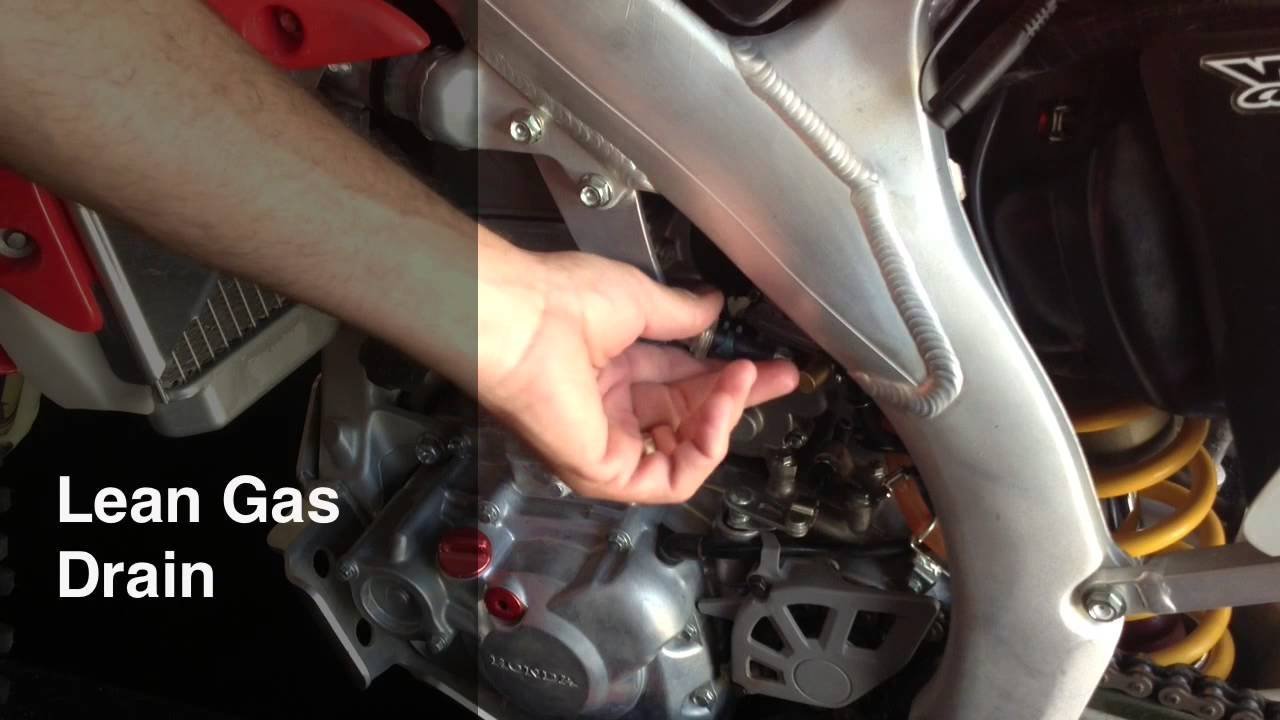
- Loosen the carburetor float bowl drain screw at the bottom of the carb using a flathead screwdriver by turning it counterclockwise 2 full turns to empty the bowl. Careful: Collect this drainage in a small cup; as fuel evaporates, it leaves behind varnish that can clog the tiny passages within weeks.
- Tighten the float bowl screw until snug, turn the petcock back to “OFF,” and reattach your original fuel line firmly with its clamp.
Emptying Tanks Under Different Conditions
Dirt bike setups change how fast and easily you can pull fuel.
| Bike or storage state | Time or resource needed | What makes it different | What to monitor closely |
|---|---|---|---|
| Standard petcock tank | 10 to 15 minutes | Uses gravity alone through the line | Watch for slow leaks around the valve threads |
| Modern fuel-injected bike | 20 to 30 minutes | Has no simple petcock shutoff | Watch pump electrical leads and dry-run damage |
| Vacuum-operated petcock | 15 to 20 minutes | Requires vacuum on secondary line to flow | Watch for fuel backing up into air hoses |
| Full oversized desert tank | 25 to 35 minutes | Large volume (3 to 4 gallons) | Watch container capacity so it doesn’t overflow |
It’s safer to drain just one gallon first into a small container than to let three gallons rush out unattended into an oversized jug.
How to tell you did it right
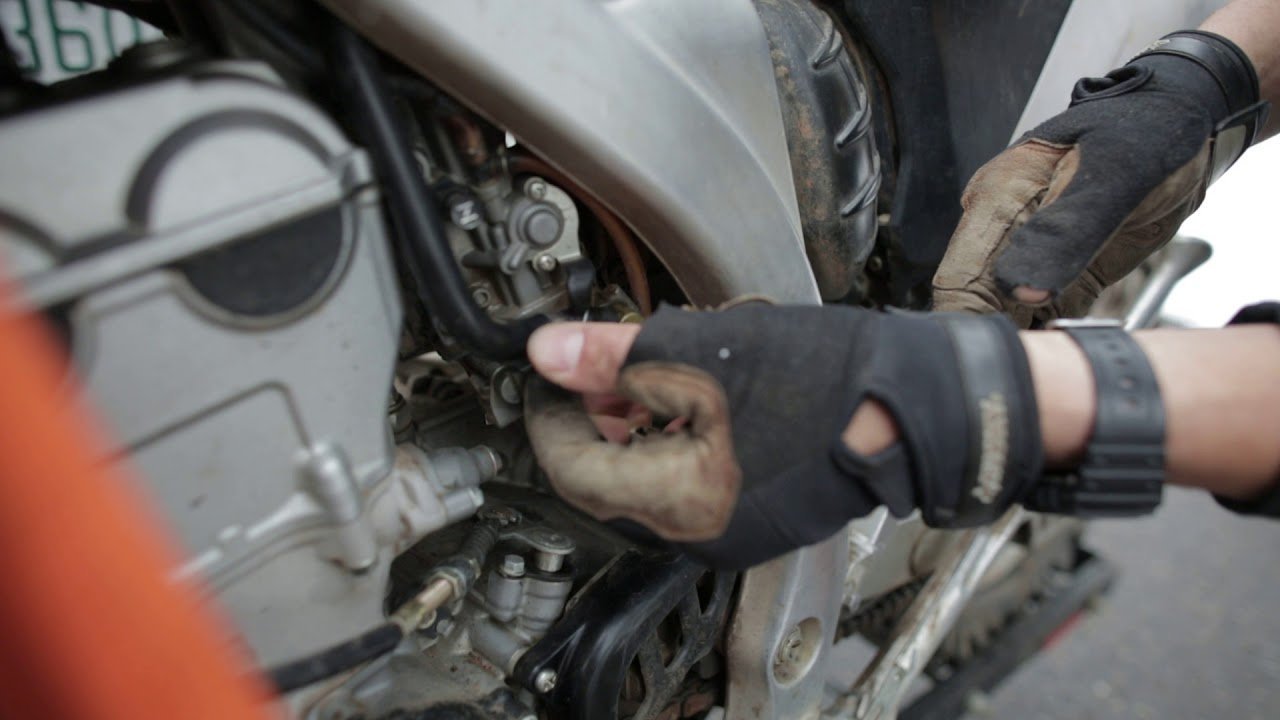
A good drain leaves the fuel tank completely dry and the carburetor bowl entirely free of sitting gas. If you shine a flashlight into the filler neck, you should see clean plastic or metal without cloudy puddles or loose debris at the bottom. A poor job leaves a cup of fuel sitting in the low corners of the tank or inside the float bowl. This puddle happens because internal baffles and the tank’s geometry trap liquid away from the petcock pickup tube. To stop this problem, rock the motorcycle gently from side to side while draining, and make sure your drain screw stays open until the carburetor stops dripping completely.
Safe disposal and system storage
Dispose of bad gas according to local household hazardous waste rules. The US EPA regulations on hazardous waste treat stale or contaminated gasoline as hazardous waste because it’s highly ignitable. Wipe down the bike frame, reinstall all caps tightly, and store your fuel jugs in a cool shed away from water heaters or pilot lights. A drained fuel system prevents gumming, but steel tanks may develop internal rust if left empty for long periods. If you notice heavy rust inside a steel tank or cracked internal fuel filters, take the machine to a certified motorcycle technician for safe tank restoration.
Alternate draining methods
Siphoning through the filler neck
Use a manual hand-bulb siphon inserted directly through the top gas cap opening into the tank. This avoids pulling fuel lines off old plastic fittings, but it usually leaves a shallow puddle of fuel at the base of the tank.
Running the engine until it dies
Turn the petcock switch to “OFF” while the bike idles, letting the motor burn the gas inside the carburetor. This takes about three minutes and empties the bowl, but it leaves your main fuel tank completely full.
Using an electric transfer pump
Connect a battery-operated 12-volt fuel transfer pump to pull large volumes from oversized desert tanks quickly. This method speeds up emptying large four-gallon tanks down to two minutes, but the equipment costs more and adds electrical spark risks if mishandled.
Frequently asked questions
Can you drain a fuel-injected dirt bike without removing the tank?
No, fuel-injected bikes lack a gravity petcock, so you must either disconnect the high-pressure quick-disconnect fitting and prime the pump, or pull the tank off completely. If you have an EFI bike, a manual top siphon is much safer than hot-wiring the internal fuel pump wires.
Why won’t gas drain with the petcock open?
Gas won’t flow if the tank vent hose is clogged or if the gas cap breather check-valve is stuck closed. Loosen the main gas cap completely; if gas starts flowing immediately, your tank cap vent line is plugged with dirt.
How long does fuel stay good inside a dirt bike tank?
About 30 days is the practical limit for untreated pump gas containing ethanol before it starts degrading. After a month, the volatile parts evaporate and the remaining ethanol draws moisture from the air, which can lead to oxidation and sediment buildup.
What happens if you leave fuel in the dirt bike all winter?
Old fuel evaporates and leaves a thick, sticky varnish across the float needle, pilot jet, and main jet. This sticky buildup restricts fuel flow, meaning the engine will refuse to start or will only run on full choke when spring arrives.
Who is this draining method not suitable for?
This method isn’t for riders with sealed electric-pump EFI street-legal enduros who lack mechanical tools. If your owner’s manual warns against opening pressurized lines, stop and let an authorized motorcycle service shop handle the fuel system service.
Is it safe to pour drained dirt bike fuel into your car?
Yes, but only if the fuel is fresh, completely clear, and came from a four-stroke dirt bike without any two-stroke oil mixed in. Never pour premixed two-stroke fuel into a modern passenger car, as the two-stroke engine oil quickly fouls oxygen sensors and catalytic converters.
Final Thoughts
Once the tank is empty, it’s a good idea to check your fuel lines for any signs of cracking or leaks. If they look worn, replace them before your next ride to keep your engine running smoothly. You’ll have peace of mind knowing your bike is ready whenever you’re set to hit the trails.