
Is your Honda GCV160 pressure washer refusing to start? Don’t let a stubborn engine ruin your weekend cleaning projects.
You’ve probably already tried a few things, but it’s still not firing up. We get it, and it’s frustrating. But before you call for expensive repairs, know this: many common starting problems are surprisingly simple to fix yourself. This guide will walk you through the most likely reasons your Honda GCV160 won’t start and give you step-by-step solutions.
Keep reading to get your pressure washer back in action fast!
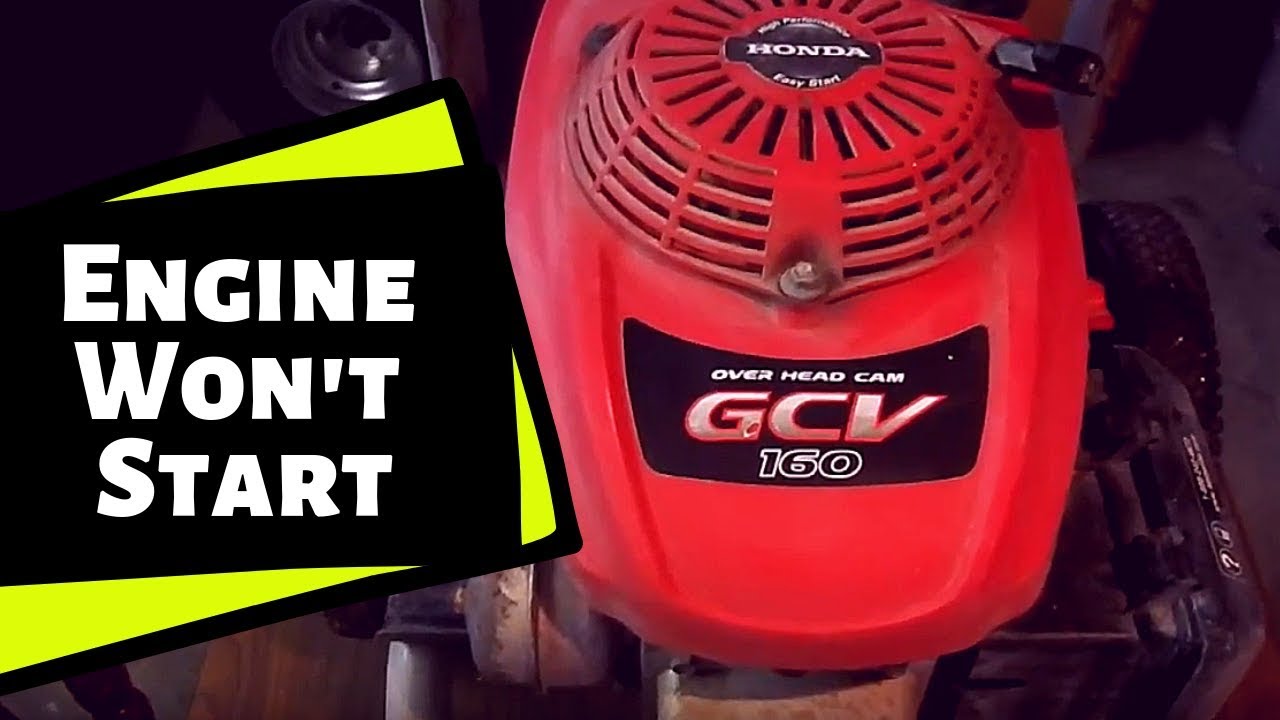
Credit: www.youtube.com
Troubleshooting Common No-start Issues
Your Honda GCV160 pressure washer won’t start. Don’t panic. Many no-start issues are simple fixes. Let’s troubleshoot. We will find the problem. We will get your washer running.
Fuel Problems: The Usual Suspect
Fuel is critical. Is there enough gas? Use fresh fuel. Old gas causes problems. Stale fuel won’t ignite. Drain the old fuel. Add new gasoline. Check the fuel line. Is it kinked? Is it blocked? Clear any obstructions. This often solves the issue.
Spark Plug Check: Is It Firing?
The spark plug ignites fuel. Remove the spark plug. Look for damage. Is it fouled? Is it wet with fuel? Clean it with a brush. Dry it completely. Reinstall the spark plug. Ensure it is tight. A good spark is vital.
Air Filter Blockage: Breathing Room Needed
The engine needs air. A dirty air filter restricts air. This prevents starting. Remove the air filter. Inspect it carefully. Is it clogged with dirt? Clean or replace it. A clean filter lets the engine breathe. Your washer will thank you.
Oil Level: Too Low Or Too High?
Oil protects the engine. Check the oil level. Is it too low? Add the correct oil type. Is it too high? This can also cause issues. Drain excess oil. The right oil level is important. It prevents engine damage.
Carburetor Clues: The Fuel Mixer
The carburetor mixes fuel and air. A dirty carburetor won’t work. Fuel may not reach the engine. Gum and debris can block it. Cleaning the carburetor is key. You may need a repair kit. This is a common culprit. A clean carburetor ensures proper mixing.

Credit: www.youtube.com
Advanced Honda Gcv160 Starting Fixes
Sometimes, simple fixes do not solve your Honda GCV160 starting problem. You might need to explore more advanced solutions. These steps go deeper into your engine’s systems. They help pinpoint less common issues. Let us look at some advanced starting fixes.
Ignition Coil Inspection
The ignition coil sparks your engine. A bad coil means no spark. You must remove the spark plug. Check the coil for damage. Look for cracks or burns. Test its resistance with a multimeter. Consult your owner’s manual for specs. Replace the coil if it fails the test.
Fuel Pump Functionality
The fuel pump sends gas to the engine. A faulty pump starves the engine. Listen for a clicking sound. This sound means the pump works. No sound suggests a problem. Check the fuel lines for blockages. Ensure the pump receives power. Replace it if it is not pumping.
Valve Adjustment Basics
Valves control air and fuel flow. Incorrect valve clearance causes issues. This is a more complex task. You need specific tools. Check the valve lash. It should be within the manual’s range. Adjust the clearance if needed. Do this carefully.
Decompression Mechanism Check
The decompression mechanism eases starting. It briefly lowers compression. This makes pulling the cord easier. A stuck mechanism causes hard starting. It can also prevent starting. Check the mechanism for damage. Ensure it moves freely. Lubricate it if it is stiff.
Preventative Maintenance For A Reliable Start
Preventative maintenance is key. It keeps your Honda GCV160 ready. A well-maintained engine starts easily. Avoid frustrating no-starts. Follow these simple steps. Your pressure washer will thank you.
Regular Fuel System Care
Fresh fuel is important. Old fuel causes problems. Drain old fuel each season. Use a fuel stabilizer. This prevents gumming up. Clean the fuel filter often. A clean filter ensures flow. This helps your engine run.
Spark Plug Replacement Schedule
A spark plug ignites fuel. Worn plugs cause misfires. Replace the spark plug yearly. Check the owner’s manual. It gives specific intervals. A new plug means a strong spark. Strong sparks start engines faster. This is a simple fix.
Air Filter Cleaning And Replacement
The engine needs clean air. A dirty filter chokes the engine. Clean the air filter regularly. Tap out loose dirt. Wash it with soap and water. Let it dry completely. Replace it if it’s damaged. A clean filter lets the engine breathe.
Proper Oil Changes
Oil lubricates the engine parts. Low or dirty oil causes damage. Change the oil as recommended. Check the oil level often. Use the correct oil type. Refer to your manual. Clean oil keeps the engine healthy. It ensures smooth operation.
Winter Storage Tips
Prepare your washer for winter. Drain all the fuel. Run the engine dry. This prevents fuel system issues. Clean the entire unit. Store it in a dry place. Protect it from freezing temperatures. Proper storage prevents damage. It ensures an easy start next spring.

Credit: www.allpartsinc.com
When To Call A Professional
Sometimes, your Honda GCV160 pressure washer needs expert help. You tried fixing it. It still won’t start. It is time to call a professional. They have the right tools. They have the needed knowledge.
Complex Engine Repairs
Your engine is complicated. Small parts work together. A tiny issue can stop it. You might need special tools. Professionals have these tools. They understand engine mechanics. They can fix deep engine problems. Do not risk more damage. Let them handle it.
Persistent Starting Problems
You checked the basics. Fuel is fresh. Spark plug is good. Still, no start. The problem might be hidden. It could be the carburetor. It could be the ignition coil. These parts need careful diagnosis. A pro can find the root cause. They can get your washer running.
Safety Concerns
Pressure washers have power. They have fuel and oil. Working on them can be risky. You could get hurt. You could damage the machine. Professionals know safety rules. They work safely. They protect themselves. They protect your equipment. Trust their expertise for safety.
Frequently Asked Questions
Why Won’t My Honda Gcv160 Pressure Washer Start?
Several common issues can prevent your Honda GCV160 pressure washer from starting. Check the fuel level and ensure it’s fresh. Verify that the spark plug is clean and properly connected.
Is The Fuel Old In My Honda Gcv160?
Old fuel is a frequent culprit. Stale gasoline loses its power. Drain the old fuel and refill with fresh gas.
How Do I Check The Spark Plug On My Honda Gcv160?
Remove the spark plug carefully. Look for signs of fouling or damage. A clean, dry plug is essential for ignition.
Could The Air Filter Be Blocking My Honda Gcv160?
A clogged air filter restricts airflow. This can make starting difficult. Inspect the filter and clean or replace it as needed.
Is There Enough Oil In My Honda Gcv160?
The engine needs proper oil levels. Low oil can prevent it from running. Check the oil dipstick and add oil if necessary.
What If The Carburetor Is Dirty On My Honda Gcv160?
A dirty carburetor prevents fuel flow. This stops the engine from starting. Cleaning the carburetor might be required.
Should I Check The Choke On My Honda Gcv160?
The choke helps start a cold engine. Ensure the choke is in the correct position. It should be open for a warm engine.
Conclusion
Your Honda GCV160 pressure washer needs attention. Check fuel first. Spark plug is often the culprit. Ensure air filter is clean. Carburetor issues can occur. Don’t forget oil level. Simple fixes solve many problems. Get your washer running again. Enjoy powerful cleaning.