Is your home suddenly feeling a lot colder than it should? When you flip the thermostat to “heat,” but nothing happens, it’s a frustrating and often alarming problem.
A furnace that refuses to turn on can leave you shivering and worried about costly repairs. Don’t panic! Many common reasons can cause your furnace to shut down, and some you might even be able to fix yourself. This guide will walk you through the most likely culprits, helping you understand what might be going wrong and what steps you can take to get your home warm and cozy again.
No Heat? Start Here.
Your home feels cold. The furnace will not turn on. This is a common problem. We will help you fix it. This section guides you. It starts with simple checks. We explore common reasons. Get your heat back soon.
Check The Thermostat First
Is the thermostat set correctly? Make sure it is on “Heat.” Set the temperature higher. Check the batteries. Replace them if needed. A dead battery stops everything. The thermostat is your control. It tells the furnace what to do.
Inspect The Power Switch
Furnaces have a power switch. It looks like a light switch. Find it near the furnace. Ensure it is in the “On” position. Sometimes it gets bumped. A tripped breaker also stops power. Check your electrical panel. Find the breaker for the furnace. Reset it if it is tripped.
Look For The Pilot Light
Older furnaces use a pilot light. This is a small, constant flame. It ignites the main burner. Is the pilot light lit? If not, it needs relighting. Follow the furnace instructions. Be careful with gas. If you smell gas, stop. Leave the area immediately. Call your gas company. Safety is very important.
Examine The Air Filter
A dirty air filter blocks airflow. This can cause overheating. The furnace might shut down. Check your air filter. Is it clogged with dust? Replace it if it is dirty. A clean filter helps your furnace run. It improves air quality too.
Listen For Strange Noises
Hear any unusual sounds? Clunking or banging noises? These indicate a problem. They might signal mechanical issues. Do not ignore these sounds. They mean something is wrong. The furnace needs attention.

Credit: www.youtube.com
Check The Thermostat
Your furnace might not be starting. First, check the thermostat. Ensure it is set to heat. Confirm the temperature setting is higher than the room temperature.
Your furnace won’t turn on. The thermostat is the first place to look. This simple device controls your heating system. It tells your furnace when to heat. A problem here stops all heat. Let’s check this control.Is It Set Correctly?
Is your thermostat set to “Heat”? Make sure the temperature is higher. Set it a few degrees above room temp. This tells the furnace to work. A simple mistake can cause this.Battery Power Drain?
Many thermostats use batteries. Old batteries cause issues. They might not power the screen. They can stop the signal. Replace old batteries with fresh ones. This is a common fix.Resetting The Thermostat
Sometimes, a reset helps. It clears any glitches. Look for a reset button. It is often small. You might need a paperclip. Follow your thermostat’s manual. A quick reset can restart it.Power Supply Issues
Your furnace won’t start. Power supply issues might be the cause. Check your circuit breaker first. A tripped breaker stops power flow.
Your furnace needs power to work. Sometimes, the problem is simple. It is an electrical issue. This section helps you check power.Circuit Breaker Trip?
Your home has a circuit breaker panel. Look for a tripped breaker. It will be in the “off” position. Or it might be in the middle. Flip it fully to “off.” Then flip it back to “on.” This resets the breaker. Check your furnace again.Furnace Switch Position
Many furnaces have a power switch. It looks like a light switch. This switch is usually near the furnace. Make sure it is in the “on” position. Sometimes it gets bumped. A simple flip can fix it.Fuse Check
Some older furnaces use fuses. Check your furnace’s electrical panel. Look for a blown fuse. A blown fuse has a broken wire. You might see a dark color. If you find one, replace it. Use the exact same fuse type. Always turn off power first.Air Filter Blockage
Your furnace needs air. A blocked air filter stops this air. This is a common problem. It can stop your furnace from working. A dirty filter causes many issues.
Impact Of A Dirty Filter
A dirty filter restricts airflow. Your furnace works harder. It can overheat. This causes system shutdowns. Reduced airflow means less heat. Your home gets cold. It can damage the blower motor. This is an expensive repair.
Locating And Replacing
Find your air filter. It is usually near the furnace. It might be in a return air duct. Look for a slot. Pull out the old filter. Note the filter size. Buy a new filter. Match the size exactly. Slide the new filter in. Make sure it fits snugly. Check the airflow direction arrow. It should point towards the furnace.
Pilot Light Problems
A pilot light is a small flame. It ignites your furnace burner. Sometimes this small flame goes out. This stops your furnace from heating. Pilot light problems are common. They are often simple to fix.
Is The Pilot Light On?
Look for the pilot light. It is near the gas valve. You might see a small blue flame. A yellow or flickering flame is bad. No flame means it is out. Check your furnace manual. It shows you where to look.
Relighting The Pilot
Turn the gas valve to “pilot.” Press and hold the pilot knob. This lets gas flow. Use a long lighter. Light the pilot flame. Hold the knob down. Wait about 30 seconds. Release the knob slowly. The pilot light should stay lit. If it goes out, try again. You may need a professional. This is true for older furnaces. Some furnaces have electronic ignition. They do not have a pilot light. Check your model. Know what you have.
Ignition System Faults
Your furnace ignition system is critical. It starts the heating process. Problems here stop your furnace. Let’s look at common ignition faults.
Flame Sensor Issues
The flame sensor detects a flame. It tells the furnace the pilot is lit. A dirty sensor can fail. It might not sense the flame. This stops gas flow. Your furnace will not ignite. Cleaning the sensor is simple. You can often do it yourself. Use fine steel wool. Gently scrub the sensor rod. Make sure it is clean. This can fix ignition problems.
Hot Surface Ignitor Check
Many furnaces use a hot surface ignitor. It glows red hot. This ignites the gas. The ignitor can crack or break. It might not get hot enough. Check for visible damage. A multimeter can test its resistance. If it’s bad, it needs replacement. This part is essential for ignition. A faulty ignitor means no heat.
Door Panel Safety Switch
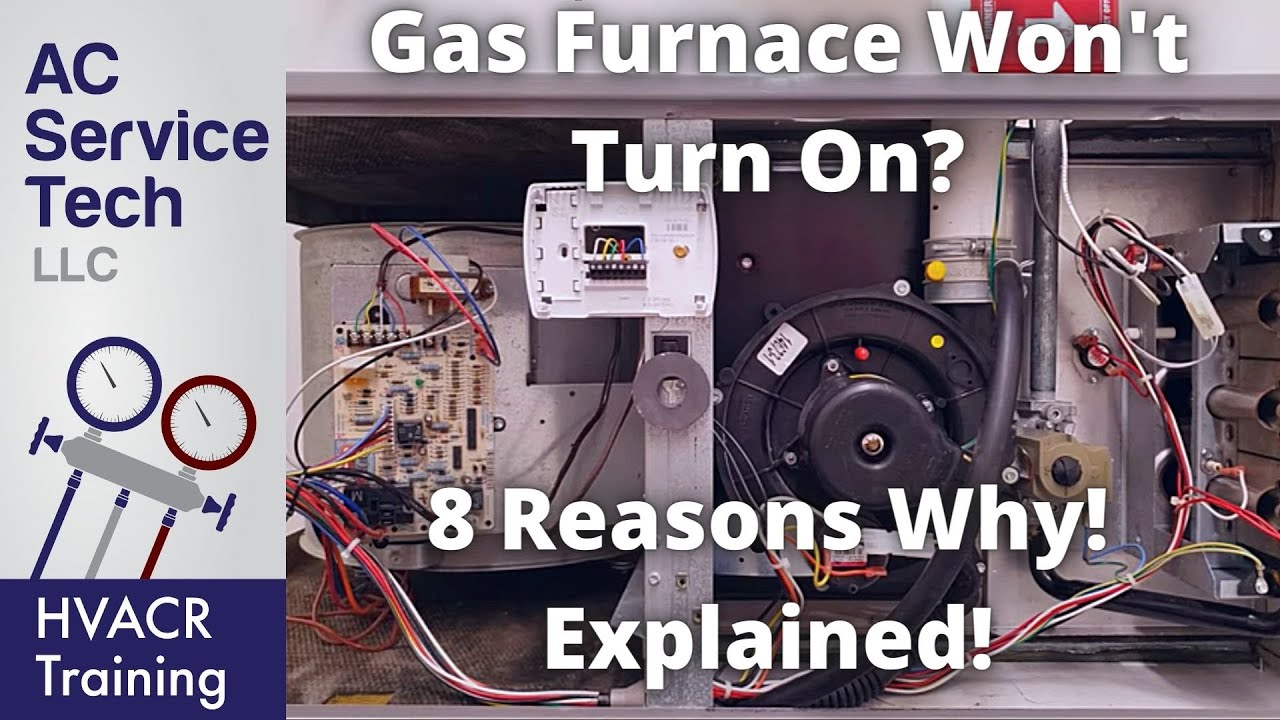
Your furnace has a secret guardian. It’s the door panel safety switch. This small part keeps you safe. It stops the furnace from running. It does this when the door is open. This prevents accidents. It is a crucial component.
The Role Of The Switch
This switch protects you. It stops the furnace fan. It stops the burners. It only allows operation. The furnace door must be closed. This prevents gas leaks. It stops electrical hazards. Safety comes first. This switch ensures it.
Ensuring Proper Seating
Check the furnace door. Is it pushed in fully? The switch needs contact. It has a small button. This button must be pressed. Sometimes it gets stuck. Gently wiggle the door. Ensure it seals tight. A loose door means no heat. This simple check helps. It can fix the problem.
Gas Valve Or Supply
Your furnace needs gas to ignite. A gas valve controls this flow. A supply issue stops heat. This section explores gas problems.
Is Gas Flowing?
First, check your gas meter. Is the main valve open? You might smell gas. This is a safety concern. Do not try to fix it. Call your gas company. They will check the supply line. They ensure safe gas delivery. Your home needs proper gas pressure.
Checking The Valve
Your furnace has its own valve. It is usually near the unit. This valve must be in the ‘on’ position. Sometimes, it can get bumped. A simple check can solve this. Is the valve handle parallel to the pipe? If so, it is open. If it is across the pipe, it is closed. Turn it to the ‘on’ position. Do this carefully. A closed valve stops gas flow. This is a common furnace issue.
When To Call A Pro
Sometimes, your furnace issues are simple fixes. Other times, they are not. Knowing when to bring in an expert is crucial. It saves you time. It keeps you safe. It protects your investment.
Signs Of Complex Problems
Your furnace makes strange noises. It clicks or grinds loudly. You smell burning odors. These are serious warnings. The system might be overheating. Internal parts could be failing. A tripped breaker may not be the cause. Persistent issues signal deeper trouble. Don’t ignore these signals. They can lead to bigger repairs.
Safety First
Gas leaks are dangerous. You might smell rotten eggs. Turn off the furnace immediately. Evacuate your home. Call the gas company. Call emergency services. Electrical problems are also risky. Sparks or smoke are bad signs. Never attempt electrical repairs yourself. This is a job for professionals. Your safety is the top priority. Let trained technicians handle it.
Credit: www.youtube.com

Credit: www.hurleyanddavid.com
Frequently Asked Questions
Why Is My Furnace Not Turning On?
Several reasons can stop your furnace from working. A tripped circuit breaker is a common culprit. Check your thermostat settings too.
What To Do If Furnace Pilot Light Is Out?
Look for a small flame near the gas valve. If it’s not lit, follow your furnace manual. Relighting it usually fixes the problem.
Is The Thermostat The Problem With My Furnace?
Yes, a faulty thermostat can prevent heating. Ensure it’s set to “heat” and the temperature is higher. A dead battery can also cause issues.
Could A Dirty Air Filter Stop Furnace Operation?
A very dirty filter can block airflow. This can cause the furnace to overheat. It might shut down for safety.
When Should I Call A Professional For Furnace Repair?
If basic checks don’t help, call a pro. Complex issues like gas leaks need expert attention. Don’t risk your safety.
How To Check Furnace For Power Issues?
First, check your home’s electrical panel. Find the breaker for your furnace. Flip it off and then back on.
What If My Furnace Makes Noise But No Heat?
This often means a mechanical problem. The blower might run, but the burner isn’t igniting. A technician can diagnose this.
Conclusion
Your furnace is vital. Keeping it running saves you. Check the thermostat first. Ensure it is set correctly. Look for tripped circuit breakers. Sometimes a simple reset helps. Confirm the gas or oil supply. No heat? Don’t delay. Call a qualified technician.
They will diagnose the issue. Get your comfort back quickly.