
When it comes to fixing or installing your toilet, choosing the right wax ring can make all the difference. You might be wondering whether a traditional wax ring or a rubber one is better for your bathroom.
This choice affects how well your toilet seals, how easy the installation is, and even how long it will last without leaks or odors. If you want to avoid messy repairs and save time and money, you need to know the pros and cons of each option.
Keep reading to find out which toilet wax ring suits your needs best and ensures your bathroom stays clean and comfortable.
Types Of Toilet Seals
Toilet seals prevent leaks and keep your bathroom clean. They create a tight fit between the toilet base and the drain pipe. Different types of seals offer various benefits and drawbacks. Choosing the right one matters for a good, lasting seal.
Wax Rings Explained
Wax rings are the traditional choice for toilet seals. They consist of soft wax shaped into a ring. When you press the toilet down, the wax compresses and forms a water-tight seal. Wax rings are cheap and easy to install. They can handle small toilet movements without leaking. However, wax can melt or break down over time. This means you might need to replace the seal after years of use.
Rubber Seals Overview
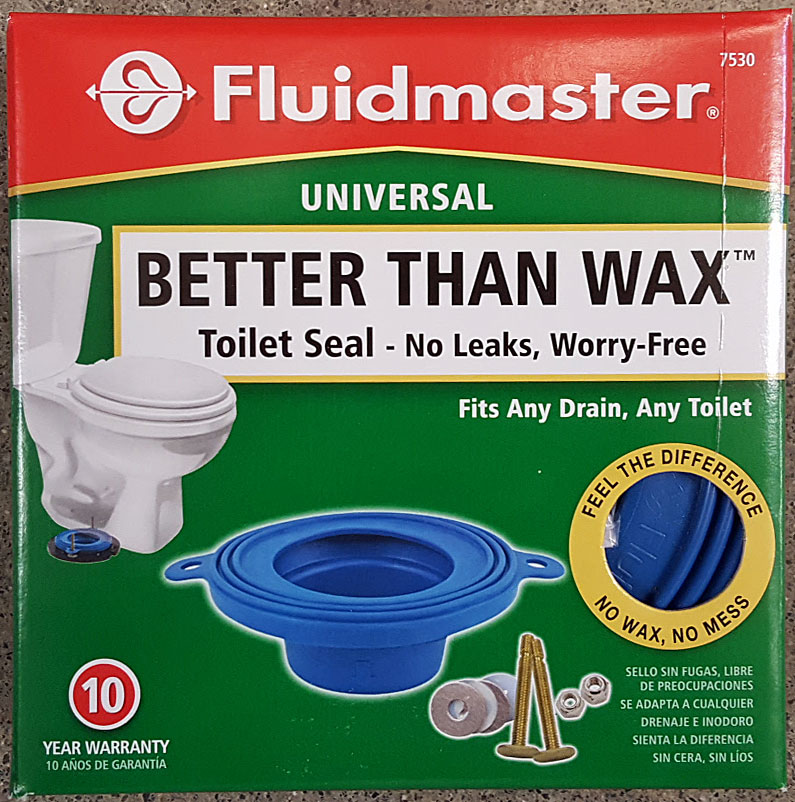
Rubber seals are a modern alternative to wax rings. They are made from durable rubber or foam materials. Rubber seals are flexible and can handle toilet shifts better. They do not melt or dry out like wax. These seals often come in reusable designs. Installation can be cleaner since there is no mess from wax. Rubber seals cost more but last longer in many cases.

Credit: www.youtube.com
Installation Process
The installation process of toilet seals is an important step. It ensures your toilet stays secure and leak-free. The two main types of seals are wax rings and rubber seals. Each has a different way to install. Let’s explore both methods to help you understand what to expect.
Installing A Wax Ring
Start by turning off the water supply to the toilet. Flush to empty the tank and bowl. Remove the old toilet carefully and clean the flange area. Place the wax ring on the flange or under the toilet outlet. Lower the toilet slowly onto the wax ring. Press down firmly to create a tight seal. Secure the toilet bolts and tighten evenly. Reconnect the water supply and check for leaks. The wax ring melts slightly to seal the connection.
Installing A Rubber Seal
Turn off the water supply and flush the toilet. Remove the toilet and clean the flange. Place the rubber seal on the flange or toilet outlet. Position the toilet carefully on the seal. Press down with steady pressure to compress the rubber. Tighten the bolts evenly to avoid damage. Reattach the water supply and test for leaks. Rubber seals are reusable and less messy than wax rings.
Durability And Longevity
Durability and longevity are important when choosing between toilet wax rings and rubber seals. These factors affect how long your toilet stays sealed and leak-free. A durable seal means fewer repairs and less worry about water damage. Understanding the lifespan of each material helps you pick the right one for your bathroom.
Lifespan Of Wax Rings
Wax rings usually last around 5 to 10 years. They create a strong, tight seal between the toilet and the drain pipe. Wax can soften or break down over time due to heat and moisture. If the toilet moves or shifts, the wax ring can crack and cause leaks. Wax rings are not reusable after removal. They need replacement if the toilet is lifted or serviced.
Lifespan Of Rubber Seals
Rubber seals last longer, often 10 to 15 years or more. They stay flexible and resist moisture better than wax. Rubber seals can handle slight toilet movement without breaking. These seals are reusable in some cases, allowing easier toilet maintenance. Rubber does wear out eventually, especially if exposed to harsh chemicals or extreme temperatures.
Performance And Reliability
Performance and reliability are key factors for toilet wax rings and rubber seals. Both must create a strong, lasting seal to prevent water damage. The right seal keeps toilets stable and avoids leaks. Each type has unique strengths in these areas. Understanding these helps you pick the best option for your toilet.
Leak Prevention
Wax rings provide a tight seal that blocks water from escaping. They conform well to uneven surfaces. Rubber seals resist water and can handle minor imperfections. They do not melt or dry out like wax. Rubber seals maintain their shape over time, reducing leak risk. Wax rings work best on flat, clean surfaces. Both options stop leaks effectively when installed correctly.
Handling Toilet Movement
Wax rings are soft but can break if the toilet moves too much. They offer less flexibility after installation. Rubber seals are flexible and absorb slight movements better. This flexibility helps maintain the seal when the toilet shifts. Rubber seals can last longer in homes with uneven floors. Both types need proper installation to handle toilet movement well.
Cost Comparison
Choosing between a toilet wax ring and a rubber seal often comes down to cost. Understanding the price differences helps make a smart choice. Both options have unique costs upfront and over time.
Initial Price Differences
Wax rings usually cost less at the store. They are simple and made from cheap materials. Rubber seals cost a bit more. Their design is more complex, using flexible rubber. The price gap is small but clear.
Long-term Cost Factors
Wax rings might need replacing more often. They can break or leak, causing damage. Replacing a wax ring means extra labor costs. Rubber seals last longer and resist leaks better. This can save money on repairs later. Think about costs beyond just the sticker price.
Environmental Impact
Choosing between a toilet wax ring and a rubber ring affects the environment. Both materials have different impacts on nature. Understanding these helps make better choices for the planet.
Material Sustainability
Wax rings are made from natural wax and paper. Wax is a renewable resource but takes time to break down. Rubber rings are made from synthetic rubber, a type of plastic. Synthetic rubber uses fossil fuels and takes longer to decompose.
Natural wax is biodegradable. It breaks down faster in soil without harming it. Synthetic rubber can last for decades in landfills. It does not easily return to nature.
Disposal Considerations
Wax rings are harder to recycle due to mixed materials. They often end up in landfills but decompose slowly. Rubber rings are also difficult to recycle. Their synthetic nature means they add to plastic waste.
Both types of rings should be disposed of properly. Avoid burning them. Burning can release harmful gases. Choosing materials with less environmental impact helps reduce waste over time.
Common Issues And Troubleshooting
Choosing between a toilet wax ring and a rubber seal can lead to different problems. Knowing common issues helps fix leaks fast. Troubleshooting these parts saves time and money. Below are typical problems with each type and tips to handle them.
Wax Ring Problems
Wax rings can crack or break during installation. This causes water leaks and bad odors. Old wax rings lose their seal and need replacement. Over-tightening the toilet can crush the wax ring. It stops sealing and causes leaks.
Wax rings do not handle movement well. If the toilet rocks, the ring breaks easily. This lets water leak under the toilet base. It can damage the floor over time. Check for leaks regularly if the toilet is loose.
Rubber Seal Challenges
Rubber seals can shrink or harden with age. This reduces their ability to seal properly. Poor sealing causes water to drip or pool around the toilet. Rubber seals may not fit all toilet models perfectly. A wrong fit leads to gaps and leaks.
Rubber seals can be tricky to install. They need to sit flat and even. Uneven placement causes leaks and bad smells. Dirt or debris on the seal or flange affects sealing. Clean surfaces carefully before installing a rubber seal.
Credit: terrylove.com
Choosing The Right Seal
Choosing the right seal for your toilet is important for a secure and leak-free fit. The seal stops water from leaking between the toilet base and the drain pipe. Picking the right material affects how well it holds up over time and how easy it is to install.
Toilet wax rings and rubber seals are the two main options. Each has its own strengths and ideal uses. Understanding these can help you pick the best choice for your bathroom setup.
Factors To Consider
Think about the toilet type before choosing a seal. Old toilets may work better with wax rings. Newer models might need rubber seals for a better fit.
Check the floor surface. Uneven floors need a seal that can adjust and fill gaps. Rubber seals are flexible and can handle slight irregularities.
Consider ease of installation. Wax rings require more care and may be messy. Rubber seals are cleaner and easier to install, especially for beginners.
Look at durability. Wax can break down if exposed to moisture or moved often. Rubber seals resist water and last longer without damage.
Best Use Cases
Wax rings work well with standard toilets on flat floors. They create a strong, tight seal that prevents leaks for many years.
Rubber seals suit toilets that may need repositioning after installation. Their flexibility helps keep the seal intact despite slight movements.
Use rubber seals in bathrooms with uneven floors or where moisture is common. They handle these conditions better than wax rings.
Wax rings are a good choice for quick repairs in older homes with traditional toilets. They are cost-effective and widely available.

Credit: www.revelation-plumbing.com
Frequently Asked Questions
What Is A Toilet Wax Ring?
A toilet wax ring is a soft, waxy seal placed between the toilet base and the drain pipe. It stops leaks and bad smells from coming out. It’s the most common seal used in toilets.
How Does A Rubber Toilet Gasket Work?
A rubber toilet gasket creates a tight seal by compressing between the toilet and drain. It is flexible and can handle slight movement. It also prevents leaks and odors.
Which Is Better: Wax Ring Or Rubber Gasket?
Wax rings are cheaper and easy to install but can break over time. Rubber gaskets are more durable and reusable but cost more. Choose based on your budget and toilet type.
Can I Reuse A Wax Ring?
Wax rings should not be reused because they lose their shape and sealing power. Always replace the wax ring when reinstalling a toilet for a fresh seal.
Are Rubber Toilet Gaskets More Leak-proof?
Rubber gaskets are less likely to leak because they stay flexible and fit tightly. They handle pressure changes better than wax rings. This makes them a good choice for some toilets.
How Long Does A Wax Ring Last?
A wax ring usually lasts 10 to 15 years if installed correctly. It may fail sooner if the toilet moves or the ring is damaged. Regular checks help avoid leaks.
Is It Hard To Install A Rubber Gasket?
Installing a rubber gasket is similar to installing a wax ring. It requires cleaning the flange and pressing the gasket firmly. Most DIYers find it easy with basic tools.
Conclusion
Choosing between a toilet wax ring and rubber depends on your needs. Wax rings seal tightly but can be messy to install. Rubber rings offer easier installation and last longer. Both keep your bathroom safe from leaks. Think about your skill level and budget before deciding.
The right choice makes your toilet work well and stay leak-free. Simple tools and care help you install either option successfully. A good seal means fewer problems and less worry.