
When it comes to choosing the right tank for your water system, you might find yourself stuck between a bladder tank and a pressure tank. Both play important roles, but they work differently and offer unique benefits.
Understanding these differences can save you time, money, and frustration down the road. You’ll discover exactly how each tank works, which one suits your needs best, and what to watch out for before making a decision. Keep reading to make sure you pick the perfect tank for your home or business.
Bladder Tank Basics
Bladder tanks play an important role in many water and pressure systems. These tanks hold water and air separately. This design helps maintain steady pressure and prevents water hammer or pump short cycling. Understanding bladder tanks is key to choosing the right tank for your needs.
These tanks offer smooth pressure control and reliable performance. They work quietly and reduce wear on pumps. Many homes and businesses rely on bladder tanks for efficient water management.
How Bladder Tanks Work
A bladder tank has a flexible rubber bladder inside. This bladder holds the water. Air surrounds the bladder outside it. When water enters, the bladder expands and compresses the air. The compressed air pushes water out when needed. This keeps water pressure steady and prevents pump cycling.
Common Uses For Bladder Tanks
Bladder tanks are common in well water systems. They store water and keep pressure stable. They also appear in heating and cooling systems. Many irrigation setups use bladder tanks. They help deliver water smoothly and avoid pressure spikes.
Material And Design Features
Bladder tanks usually have steel outer shells. The bladders inside are made from durable rubber or synthetic materials. These materials resist wear and corrosion. Tanks come in various sizes to fit different needs. Some models have special coatings to extend life. Design focuses on safety, durability, and ease of maintenance.

Credit: www.youtube.com
Pressure Tank Essentials
Pressure tanks play a vital role in many water systems. They store water under pressure to keep the flow steady and reduce pump wear. Understanding how pressure tanks work helps you choose the right one. Here are the essentials about pressure tanks.
Pressure Tank Operation
A pressure tank stores water and air together inside a sealed container. The air compresses as water fills the tank. This compressed air pushes water out when you open a tap. The tank keeps water pressure steady without running the pump all the time. It cycles the pump on and off less often, saving energy and extending pump life.
Typical Applications
Pressure tanks are common in home wells and water systems. They maintain water pressure for showers, faucets, and irrigation. Many small businesses use pressure tanks for steady water supply. Some heating systems also use pressure tanks to handle water expansion. They help protect pumps and pipes from damage caused by pressure changes.
Construction And Components
Most pressure tanks have a steel shell coated to resist rust. Inside, a rubber bladder or diaphragm separates water from air. This keeps the air and water from mixing. The tank has an air valve to adjust air pressure. A pressure switch controls the pump by sensing tank pressure. These parts work together to keep water flowing smoothly and safely.
Performance Comparison
Comparing bladder tanks and pressure tanks helps choose the right option. Each tank works differently under pressure. The choice affects water supply and system life. This section breaks down their performance in key areas.
Pressure Consistency
Bladder tanks keep pressure steady by using a flexible bladder. This bladder separates water from air. It prevents air mixing with water, keeping pressure stable. Pressure tanks rely on air cushion alone. Air can dissolve in water, causing pressure swings. Bladder tanks offer more consistent water pressure.
Durability And Maintenance
Bladder tanks need less maintenance. The bladder protects the tank from corrosion. Over time, bladders may wear out and need replacement. Pressure tanks require regular air checks. Air loss can cause tank damage and leaks. Pressure tanks may rust inside without a bladder. Bladder tanks last longer with fewer repairs.
Energy Efficiency
Bladder tanks reduce pump starts by keeping pressure steady. Fewer starts save energy and extend pump life. Pressure tanks may cause frequent pump cycling. This wastes electricity and wears out pumps. Using a bladder tank helps lower energy costs. It keeps the system running smoothly and efficiently.

Credit: www.youtube.com
Installation Considerations
Choosing between a bladder tank and a pressure tank involves several installation factors. These factors affect how well the tank fits your space and system. Understanding these helps avoid future problems and saves time.
Space Requirements
Bladder tanks are usually taller and slimmer. They need vertical space but take less floor area. Pressure tanks are wider and shorter. They require more floor space but less height.
Measure your installation area carefully. Check the tank’s dimensions before buying. This prevents tight fits or awkward placements.
Ease Of Setup
Bladder tanks often come pre-charged and sealed. This makes setup faster and cleaner. Pressure tanks may need manual air charging. This step requires a pressure gauge and pump.
Both tanks need secure mounting to avoid movement. Follow manufacturer instructions closely for safety. Simple tools usually suffice for installation.
Compatibility With Systems
Bladder tanks work well with variable speed pumps. They handle changing pressures smoothly. Pressure tanks suit constant speed pumps best. They maintain steady pressure during use.
Check your pump type before choosing a tank. Compatibility improves system efficiency and lifespan. Incorrect matches can cause frequent cycling and wear.
Cost Analysis
Understanding the cost differences between bladder tanks and pressure tanks helps in making smart buying choices. The expenses go beyond just the price tag. Consider both upfront and ongoing costs to get the full picture.
Initial Investment
Bladder tanks usually cost more to buy than pressure tanks. The special internal bladder adds to the price. Pressure tanks have simpler designs and cost less at the start. Installation costs can vary but are often similar for both types.
Long-term Expenses
Maintenance costs for bladder tanks can be higher. The bladder may need replacement over time. Pressure tanks require less upkeep but may have issues with air loss. Energy use is similar for both, depending on the pump system used.
Value For Money
Bladder tanks offer steady water pressure and fewer waterlogging problems. This can save money on repairs and water waste. Pressure tanks are cheaper upfront and work well in many homes. Consider how each tank fits your needs and budget for best value.
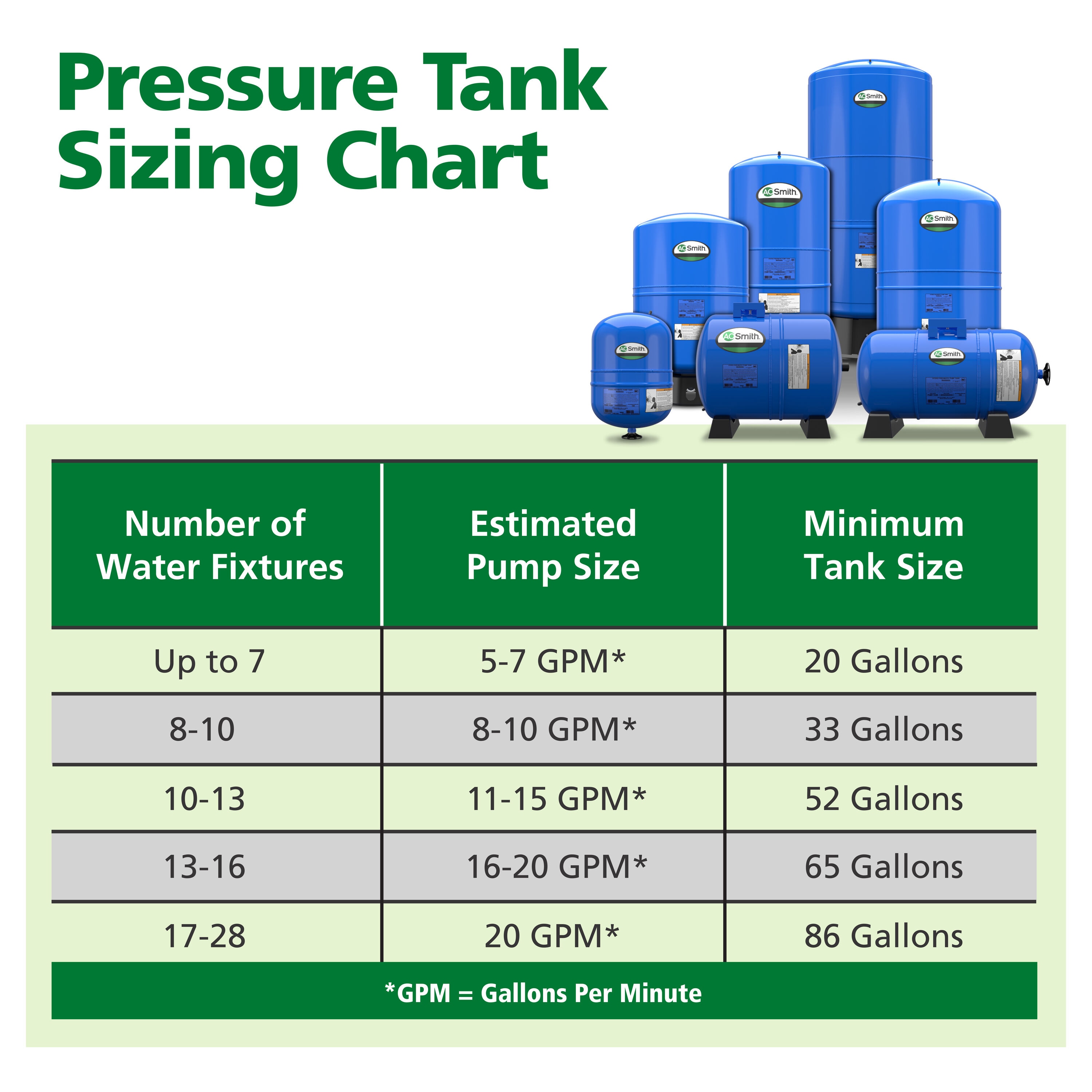
Credit: www.greatlakescastings.com
Troubleshooting Common Issues
Troubleshooting common issues with bladder tanks and pressure tanks is essential for smooth water system operation. Problems can cause water flow interruptions or damage to the tank. Early detection helps prevent costly repairs and keeps your system reliable.
Leaks And Failures
Leaks often occur around tank connections or fittings. Check for rust, cracks, or worn seals. Bladder tanks may develop bladder tears, causing water to mix with air. Pressure tanks can suffer from corrosion inside the tank shell. Regular inspections catch leaks early.
Pressure Fluctuations
Pressure changes can signal tank problems. A bladder tank with a ruptured bladder causes unstable pressure. A pressure tank with low air charge also shows pressure swings. Test the air pressure with a gauge to confirm. Adjust or replace parts as needed.
Maintenance Tips
Keep your tank clean and dry. Drain the tank periodically to remove sediment. Check the air pressure every few months. Tighten any loose fittings and replace worn parts. Regular maintenance extends tank life and improves performance.
Choosing The Right Tank
Choosing the right tank is important for the system’s efficiency and lifespan. The wrong tank can cause problems like pressure loss or leaks. Understanding the differences between bladder tanks and pressure tanks helps in making a smart choice. Consider the tank’s use, the environment, and future needs before buying.
Matching Tank To Application
Bladder tanks work well with water systems that need steady pressure. They keep water and air separate inside the tank. Pressure tanks mix air and water in one space. Choose a bladder tank for clean water systems. Use a pressure tank for systems with varying water demands.
Environmental Factors
Think about where the tank will be placed. Bladder tanks handle cold temperatures better. Pressure tanks may freeze if not protected. Moisture and dirt can affect tank performance. Bladder tanks are easier to keep clean. Choose a tank that suits your local weather and space.
Future-proofing Your System
Plan for more water use in the future. Bladder tanks can handle changes in pressure well. Pressure tanks need regular checks and air refills. Pick a tank that grows with your system needs. This saves money and avoids early replacements.
Frequently Asked Questions
What Is The Main Difference Between Bladder And Pressure Tanks?
A bladder tank has a rubber bladder inside to hold water separately from air. A pressure tank mixes water and air in one chamber. This affects how water pressure is maintained.
How Does A Bladder Tank Maintain Water Pressure?
The bladder expands and contracts to keep water pressure steady. It keeps air and water separate, preventing air loss. This helps maintain consistent water flow.
Why Choose A Pressure Tank Over A Bladder Tank?
Pressure tanks are simpler and often less expensive. They mix air and water, which can lead to air loss. Still, they work well for many basic water systems.
Can A Bladder Tank Prevent Waterlogging Better?
Yes, bladder tanks prevent waterlogging by separating air and water. This stops water from filling the air space. It keeps the system working smoothly longer.
How Long Do Bladder Tanks Usually Last?
Bladder tanks typically last 7 to 10 years. Their rubber bladder can wear out over time. Regular checks help extend their lifespan.
Are Pressure Tanks Easier To Maintain Than Bladder Tanks?
Pressure tanks need regular air checks and refills. Bladder tanks require less frequent maintenance. Both need occasional inspection for best performance.
Which Tank Type Saves More Energy In Water Systems?
Bladder tanks save more energy by keeping steady pressure. They reduce pump cycles, lowering energy use. Pressure tanks may cause pumps to run more often.
Conclusion
Choosing between a bladder tank and a pressure tank depends on your needs. Both help keep water pressure steady and protect your pump. Bladder tanks use a rubber bladder to separate air and water. Pressure tanks mix air and water in one space.
Bladder tanks often last longer and need less maintenance. Pressure tanks can be simpler and cost less. Think about space, budget, and how you use water. This way, you pick the best tank for your home or business.