
Recovering banquet chairs is a straightforward DIY project that involves removing the old seat cushion, stripping the worn fabric, and stapling new upholstery onto the existing base. By performing this task yourself, you can expect to spend between $15 and $45 per chair for basic materials, depending on the quality of fabric and foam you choose. This process breathes new life into dated event furniture without the high cost of buying replacements, allowing you to customize the aesthetic to match any venue or home decor scheme while extending the functional lifespan of the chair frames.
Key Takeaways
- Always use heavy-duty upholstery fabric, such as polyester blends or vinyl, to ensure the seat withstands frequent use and friction.
- Measure your existing seat board accurately before purchasing materials to minimize waste and ensure you have enough fabric to wrap around the edges.
- Invest in a high-quality pneumatic or manual staple gun to ensure the fabric remains taut and securely fastened to the wooden seat base.
- Select high-density foam (at least 1.8 lb/ft³ density) to provide long-lasting support and prevent the seat from bottoming out during prolonged sitting.
- Keep a flat-head screwdriver or a dedicated staple remover on hand to efficiently extract old staples from the frame.
Essential Tools and Materials
To complete this project effectively, you need a specific set of supplies. Using the right equipment prevents frustration and ensures a professional-grade finish. Most of these items can be sourced from local craft stores or home improvement centers.
- Upholstery-grade fabric: Choose fabrics with high rub counts (often listed as double rubs) for durability.
- High-density foam: Standard 2-inch thickness is usually ideal for comfort.
- Staple gun: A heavy-duty manual or electric model is necessary to penetrate the wood base.
- Staples: Use 3/8-inch or 1/2-inch leg length staples depending on the thickness of the seat board.
- Flat-head screwdriver: Crucial for prying out old, rusted staples during the demolition phase.
- Fabric scissors: A sharp pair of shears prevents fraying and ensures clean, straight cuts.
- Spray adhesive: Useful for keeping the foam layer perfectly aligned with the wood base before stapling.
How to Recover Banquet Chairs
The process begins by detaching the seat from the frame. Most banquet chairs utilize four screws located underneath the seat that connect the upholstery board to the metal or wooden structure. Once the seat is free, work on a clean, flat surface like a workbench or a large table.
- Remove the old upholstery: Use your flat-head screwdriver or staple remover to pry out the existing staples. Remove the old fabric and the degraded foam layer.
- Inspect the wood base: Ensure the plywood base isn’t cracked or warped. If it’s damaged, use it as a template to cut a new piece of 1/2-inch plywood.
- Cut your materials: Lay your new foam on the board and cut it to size. Then, cut your fabric, leaving at least 3 to 4 inches of excess on all sides to allow for a clean wrap.
- Attach the foam: Apply a light layer of spray adhesive to the wood board. Press the foam onto the board and let it set for a few minutes.
- Staple the fabric: Start by stapling the center of each side, pulling the fabric taut. Work your way toward the corners, folding the excess fabric neatly to avoid bulky lumps.
- Reattach the seat: Align the seat with the frame and drive the original screws back into the mounting holes.
Comparing Upholstery Fabric Options
Choosing the right material is vital for longevity. Banquet chairs face significant wear and tear, making the choice of textile a critical decision for your project’s success.
| Fabric Type | Durability | Ease of Cleaning | Best Use |
|---|---|---|---|
| Polyester Blend | High | Moderate | General Event Use |
| Vinyl/Faux Leather | Very High | Excellent | High-Traffic Areas |
| Cotton Canvas | Moderate | Low | Low-Traffic Decor |
| Microfiber | High | Good | Comfortable Seating |
Troubleshooting Common Issues
Even with careful planning, you may encounter minor hurdles. Don’t panic if the fabric bunches or the foam feels uneven, as these are common issues easily corrected during the assembly phase.
- Fabric Wrinkling: If you notice wrinkles, you likely didn’t pull the fabric tight enough. Remove the staples in that area, pull the fabric with more tension, and re-staple.
- Corner Bulking: Corners are the hardest part of the process. To minimize bulk, make small pleats or folds rather than forcing the fabric around the curve.
- Staples Not Penetrating: If your staples aren’t going all the way into the wood, your staple gun may lack power or the wood is too dense. Try a shorter staple or a more powerful electric staple gun.
- Foam Slippage: If the foam shifts, you didn’t use enough adhesive. Ensure the surface is free of dust before applying the spray.
Maintaining Your Newly Recovered Chairs
Proper care ensures that your work lasts for years. Regular maintenance prevents the buildup of dust and spills that can degrade the fabric fibers over time.
Pro Tip: Vacuum your seats regularly using a soft brush attachment to remove loose particles and dust, which act like sandpaper and wear down the fabric fibers over time.
- Wipe down vinyl seats with a mild soap and water solution.
- Avoid using harsh chemical solvents that might bleach or weaken synthetic fibers.
- Periodically check the mounting screws beneath the seat to ensure they remain tight and secure.
- Rotate chairs if possible to ensure even wear across your entire set.
Understanding Foam Density and Comfort
Not all foam is created equal. When purchasing foam, look for the density rating, which indicates how much a cubic foot of the material weighs. Higher density generally equates to longer-lasting support.
- 1.2 lb/ft³: Low density, suitable for occasional use only.
- 1.8 lb/ft³: Medium-to-high density, the standard for commercial banquet seating.
- 2.0+ lb/ft³: High density, best for chairs that will see daily, heavy-duty use.
Estimating Your Project Timeline
Efficiency improves as you gain experience. The first chair will always take the longest as you learn the nuances of folding corners and tensioning the fabric.
| Phase | Time per Chair (First) | Time per Chair (Batch) |
|---|---|---|
| Disassembly | 10 Minutes | 5 Minutes |
| Stripping Old Material | 15 Minutes | 10 Minutes |
| Cutting/Attaching Foam | 10 Minutes | 5 Minutes |
| Stapling Fabric | 20 Minutes | 12 Minutes |
| Reassembly | 5 Minutes | 3 Minutes |
Dealing With Complex Chair Frames
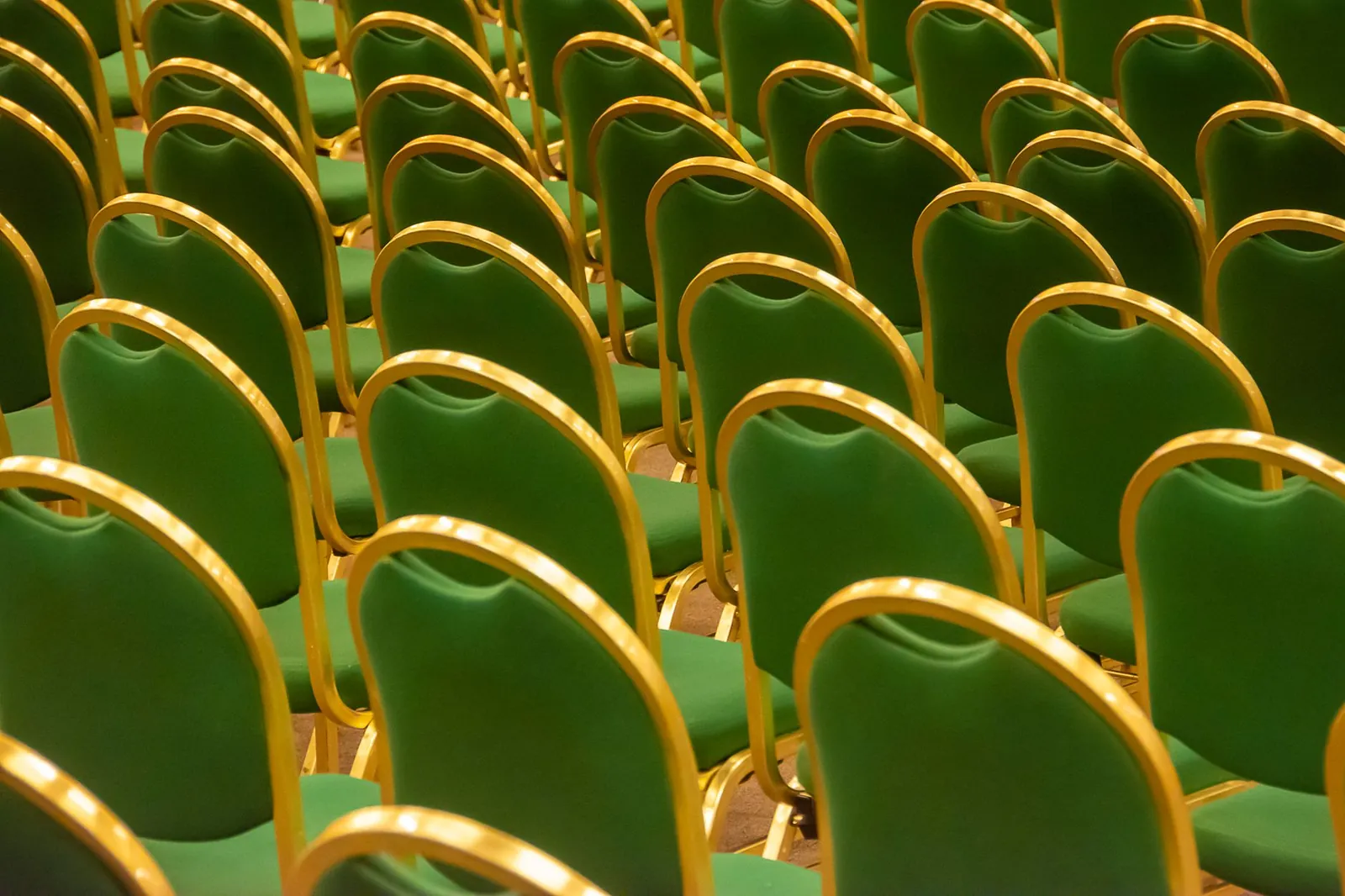
Some banquet chairs feature metal frames that wrap around the seat or have decorative backrests. If your chairs have metal channels that hold the seat, you may need a thinner fabric to ensure the seat fits back into the frame.
- Metal Channels: Use a thinner, durable fabric to avoid thickness issues during re-insertion.
- Backrest Upholstery: If you plan to recover the backrest, you’ll need to remove the plastic or metal casing first. This is often more difficult than the seat base.
- T-Nut Hardware: If the screws are stripped, consider using T-nuts to reinforce the mounting holes in the wood.
Related guides
- How to Tighten Dining Room Chairs: A Step-by-Step Fix
- Best Weather Resistant Patio Chairs for Lasting Comfort and Style in 2026
- 10 Best Patio Chairs for Outdoor Lounging: Expert Picks and Verdict in 2026
Frequently Asked Questions
Can I reuse the old foam?
Generally, no. Old foam often loses its structural integrity and begins to crumble or flatten out after years of use. Even if it looks okay, it will likely lose its support shortly after you finish the project. Replacing the foam is a relatively inexpensive step that ensures your recovered chairs feel brand new and provide the necessary comfort for guests or household members.
Do I need to remove old fabric?
Yes, you should always remove the old fabric. Leaving the old layer on adds unnecessary bulk, which can make it difficult to reattach the seat to the frame. Furthermore, old fabric may harbor dust, allergens, or hidden damage. Removing it also allows you to inspect the wooden base for cracks or rot that might compromise the structural safety of the chair.
What is the best fabric for banquet chairs?
The best fabric is a heavy-duty polyester blend or high-quality vinyl. These materials are specifically designed to resist abrasion, stains, and frequent cleaning. Look for fabrics that specify a high “double rub” count, which is a standard industry metric for measuring fabric durability. Avoid delicate natural fibers like silk or thin cotton, as they will likely wear through within a few months of active use.
How do I get clean corners?
Achieving clean corners requires patience and the “fold and staple” technique. Start by pulling the fabric tight toward the center of the corner and stapling it. Then, fold the excess fabric on the left and right sides toward the center, creating a crisp pleat. Keep pulling and stapling until the fabric sits flat against the wood. Practice on one corner until you get the hang of it.
Can I use a regular stapler?
No, a standard office stapler won’t work for this project. The staples aren’t long or strong enough to penetrate the wooden seat base, and the stapler itself isn’t designed to handle the tension required for upholstery. You must use a dedicated upholstery staple gun, either a manual heavy-duty model or an electric version, to ensure the fabric remains secure and taut for years.
Conclusion
Gather all your materials and dedicate a clear weekend to the task for the best results. Start by stripping one chair completely to understand how the manufacturer originally attached the fabric, as this will give you a blueprint for your own work. Begin your project today by purchasing a sample of high-density foam and a durable upholstery-grade fabric to test your stapling technique.