
Broken slats and loose screws are the most common reasons your chair fails. You can fix pool lounge chairs by tightening all hardware, replacing cracked plastic straps with UV-resistant webbing, or welding snapped aluminum frames. Start by checking every bolt and rivet. If a strap is torn, measure the width and buy matching marine-grade material. For metal frames, small cracks can often be bridged with epoxy or welded if you have the tools. Most repairs take under an hour and cost less than buying a new chair.
Why pool chairs break
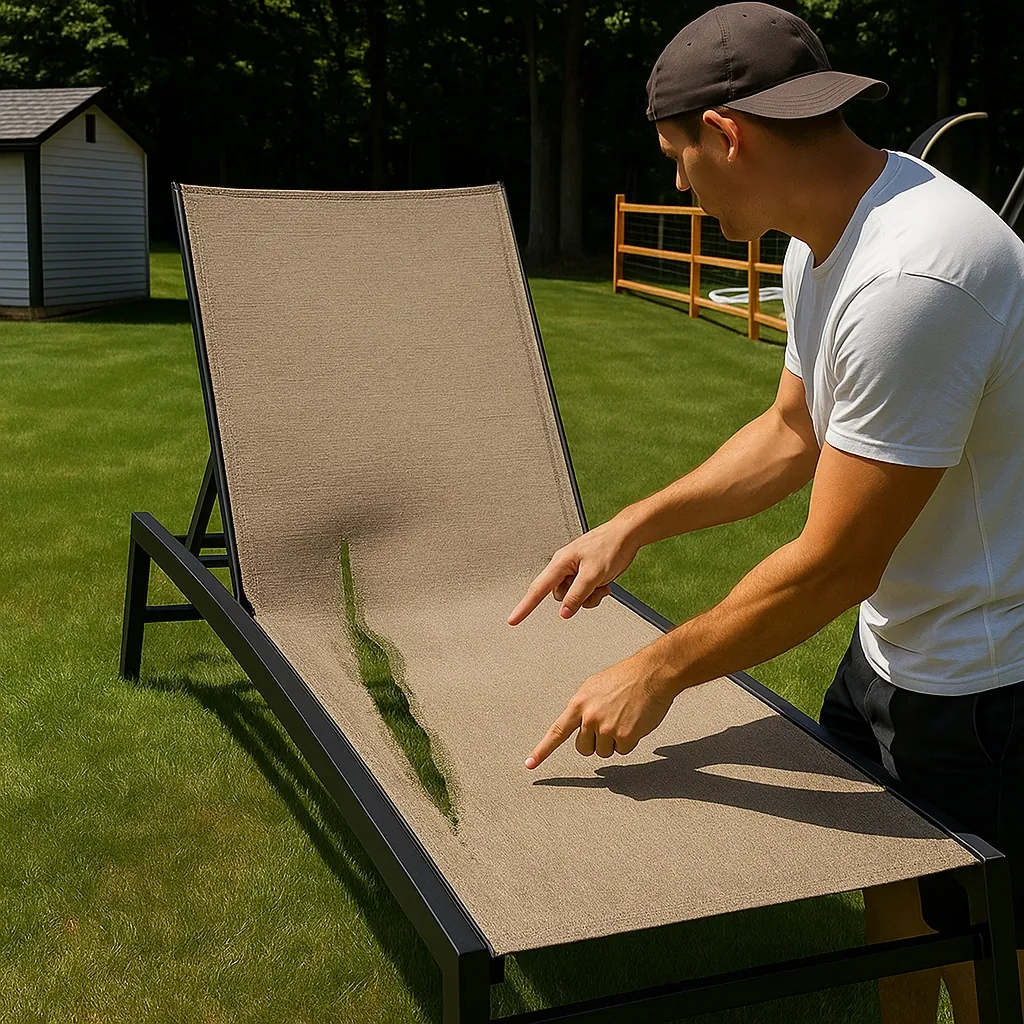
Sunlight and water damage materials faster than regular use does. Ultraviolet rays from the sun break down the polymer chains in plastic, turning flexible straps brittle. Once the material loses its elasticity, it snaps under the weight of a person sitting down. Metal frames suffer from oxidation, particularly near saltwater pools. Salt spray accelerates corrosion, eating through protective coatings and causing joints to fail.
Poor winter storage is a silent killer. Leaving chairs outside exposes them to freezing temperatures and heavy rain. Water trapped in hollow tubes expands when it freezes, which can split the metal from the inside out. Plastic components become glass-like in the cold; a minor bump or even a heavy snowfall can shatter them instantly. Always store furniture in a dry, climate-controlled space to prevent this structural fatigue.
Weight limits aren’t mere suggestions. Sitting on the edge or leaning back shifts your entire weight onto two legs, effectively doubling the pressure on those specific connectors. This creates micro-fractures in the plastic or metal. These invisible cracks grow with every use until the part fails without warning.
If you see white stress marks on plastic, the material has already lost its structural integrity and should be replaced immediately. Rust spots on metal indicate that the corrosion has likely penetrated the surface, compromising the frame’s strength from within. If the chair wobbles when placed on a flat surface, stop using it at once.
A wobbly frame indicates that the joints have stretched, meaning the next person to sit down could cause a total collapse. Regular inspection is the only way to catch these failures before they result in injury. If you notice these signs, retire the chair rather than attempting a temporary fix.
Tighten loose hardware
This fix works for chairs that wobble or feel unstable. It’s the easiest repair and requires only basic tools. Check every screw, bolt, and rivet on the frame. Use a screwdriver or wrench to tighten anything that moves. If a screw strip is stripped, replace it with a slightly larger one. For rivets that spin, hold the head with pliers while tightening the nut.
Look for missing washers. These small pieces distribute pressure and prevent bolts from pulling through the frame. If a washer is gone, add a new one of the same size. Apply a drop of thread-locking fluid to metal screws before tightening. This keeps them from vibrating loose again. Don’t use this on plastic threads, as it can cause cracking.
Test the chair after tightening. Sit on it gently and rock side to side. If it still feels shaky, check the joints where the legs meet the seat. These areas take the most weight. If the hole is enlarged, you may need a larger bolt or a repair patch. This method saves money and extends the life of your furniture significantly.
Replace broken straps
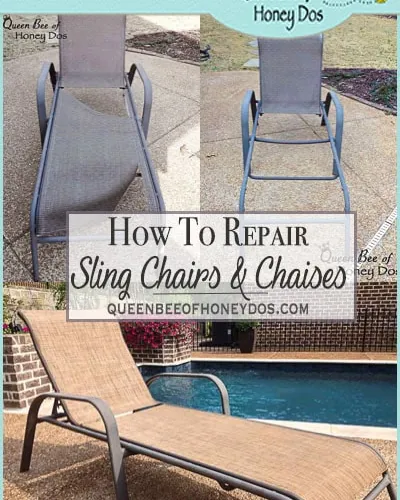
When plastic slats snap, you must replace them entirely. Glue doesn’t hold under tension and weight. Measure the width and length of the old strap carefully. Buy marine-grade vinyl or polyester webbing from a hardware store. These materials resist UV light and water damage. Avoid cheap cotton or non-treated fabrics, as they rot quickly.
Remove the old strap by unscrewing the ends or cutting the rivets. Clean the frame channels where the strap sits. Dirt and debris prevent a smooth fit. Thread the new strap through the frame slots. Pull it tight so there’s no sagging. A loose strap will tear again soon. Secure the ends with stainless steel screws or rivets. Stainless steel resists rust better than standard steel.
If the frame uses clips, snap the new strap into place. Ensure it locks securely. Trim any excess material if needed, but leave enough length to grip the fasteners. This repair restores comfort and support. It costs a fraction of a new chair. You can match the color to your existing set or choose a new look. This is a good chance to upgrade all straps at once for a uniform appearance.
Weld or brace metal frames
Cracked aluminum or steel frames need structural repair. Small hairline cracks can be fixed with high-strength epoxy designed for metal. Clean the area with sandpaper and alcohol first. Apply the epoxy according to the package instructions. Let it cure fully before using the chair. This is a temporary fix for minor issues.
For larger breaks, welding is the best option. If you don’t have a welder, take the frame to a local repair shop. Aluminum welding requires specific skills and equipment. Don’t attempt it without training, as weak welds can fail suddenly. A professional can reinforce the joint with a metal plate for extra strength.
If you see rust flakes larger than a dime or pitting that goes deeper than the surface finish, the metal is compromised. At this stage, welding only creates a brittle joint that will snap under weight. If the frame flexes significantly when you press on it, discard the unit immediately.
Check if the manufacturer sells replacement frames. Some brands offer parts for popular models. If not, consider recycling the old chair and buying a new one made with powder-coated aluminum, which resists rust better. If you live within five miles of a saltwater coast, prioritize stainless steel hardware over aluminum to prevent galvanic corrosion. This approach ensures safety and long-term stability.
Mistakes that ruin how to fix pool lounge chairs
Using duct tape on straps is a temporary fix that fails under pressure. Tape loses adhesion in heat and water, leaving a sticky residue that attracts abrasive dirt. The strap will snap again within days, wasting your time and money. Use a heavy-duty nylon thread or a replacement buckle instead.
Ignoring rust spots is a common error that leads to structural failure. Painting over rust doesn’t stop it; the corrosion continues to eat the metal underneath. Sand the area down to bare metal before applying primer and paint. If the metal flakes away under your sandpaper, the part is compromised and must be replaced rather than patched.
Plastic threads strip easily. Turning too hard breaks the housing, which is often impossible to repair. Stop when the screw feels snug. If it spins freely, the hole is damaged. Use a slightly larger screw or a threaded insert to regain the grip.
Standard indoor fabric fades and mildews within a single season. These materials lack UV inhibitors and moisture-wicking treatments. Always use fabrics explicitly labeled for outdoor or marine use. If you can’t find a label, avoid the purchase entirely to prevent premature rot.
Prevent future damage

Regular care stops small issues from becoming big problems. Follow these steps to keep your chairs in good shape.
| If you’re doing this | Do this instead | Why |
|---|---|---|
| Leaving chairs in direct sun all day | Store them in shade or cover them | UV rays weaken plastic and fade fabric rapidly |
| Hosing down cushions with high pressure | Wipe with a damp cloth and mild soap | High pressure forces water into foam, causing mold |
| Stacking chairs without padding | Place a towel between stacked chairs | Prevents scratches and stress on frame joints |
| Ignoring small rust spots | Sand and touch-up paint immediately | Stops corrosion from spreading to structural areas |
| Using harsh chemical cleaners | Use mild dish soap and water | Harsh chemicals degrade protective coatings on metal |
Water pooling inside hollow aluminum legs causes hidden rot over winter. Tip each chair sideways after washing to drain every tube completely.
People often leave cushions flat against wet decks for days. Lift them onto their edges so air reaches both sides. This single habit prevents the black mildew stains that never wash out.
Check the bolts underneath every seat once each spring. Metal expands and contracts through temperature swings all year long. A loose joint shifts weight unevenly across the frame. That wobble bends the legs faster than heavy use ever could.
Tighten any fastener that turns by hand. Replace missing hardware before someone sits down.
Related guides
Frequently asked questions
Can I glue a broken plastic strap?
No, glue doesn’t work for load-bearing straps. The tension from sitting pulls the bond apart instantly. Epoxies and super glues are rigid, while straps need to flex. This mismatch causes the glue to crack and fail. You must replace the strap entirely to ensure safety. Buying a roll of marine-grade webbing is inexpensive and lasts for years. It’s the only reliable fix for snapped slats.
How long do pool lounge chairs last?
Most quality chairs last for a considerable duration with proper care. Cheap plastic models may last only one or two seasons. Aluminum frames with powder coating last longer than steel. The lifespan depends on exposure to sun and storage habits. Chairs kept indoors during winter last twice as long as those left outside. Regular maintenance like tightening screws and cleaning extends their life significantly.
Is it safe to weld an aluminum frame?
Yes, if done by a professional welder. Aluminum requires specific techniques and filler materials. A bad weld can be weaker than the original metal. Don’t attempt this yourself unless you’re certified. Improper welding can create brittle spots that fail under weight. A local metal repair shop can handle this job safely. They can also add reinforcement plates for extra durability.
What happens if I ignore rust on the frame?
The rust will spread and weaken the metal structure. Eventually, the tube will snap or collapse under weight. This poses a serious injury risk to the user. Early stages show as orange dust or bubbling paint. Sanding and painting can stop it at this stage. Once the metal is pitted or thin, replacement is necessary. Don’t use a chair with significant structural corrosion.
Can I replace just one broken slat?
Yes, you can replace individual slats. Measure the width and length of the broken piece. Buy matching marine-grade vinyl or plastic. Remove the old slat by unscrewing or unclipping it. Install the new one and tighten securely. Ensure the tension matches the other slats. This keeps the seating surface even and comfortable. It’s a cost-effective way to extend the chair’s life.
Conclusion
Once your furniture is sturdy again, take a moment to wipe down the frames with a gentle soap and water solution. Keeping them clean prevents future corrosion from pool chemicals and salt. You’ll enjoy lounging in the sun much more when your favorite seat feels brand new and ready for summer.