
Moving chairs safely requires padding fragile parts and securing loose components to prevent damage. You’ll need bubble wrap, moving blankets, packing tape, and cardboard corners. Clean the chair first, then wrap the backrest and legs, avoiding direct tape contact with wood or upholstery. Stack similar chairs carefully to avoid structural stress.
Materials for wrapping chairs
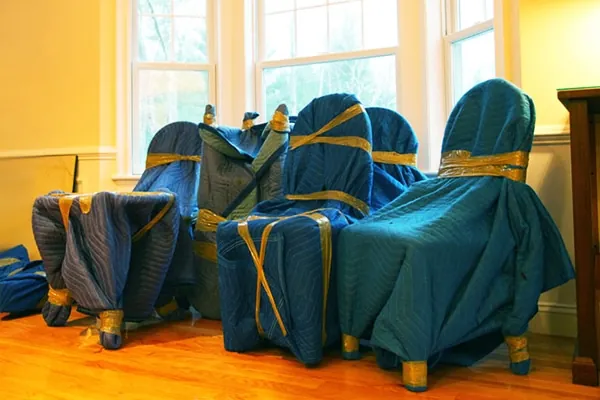
You need specific supplies to protect different chair materials effectively. Using the wrong tape or wrap can damage finishes or leave sticky residue that’s hard to remove. The table below lists the essential items and their specific roles in the packing process.
| Part or input | What it does | What you notice when it goes wrong |
|---|---|---|
| Bubble wrap | Cushions hard surfaces | Chairs arrive with deep scratches |
| Moving blankets | Protects large surfaces | Fabric gets torn or stained |
| Packing tape | Secures the wrap | Wrap slides off during lifting |
| Cardboard corners | Shields sharp edges | Corners get crushed or chipped |
| Plastic stretch film | Holds parts together | Legs wobble and snap under weight |
These items work together to create a protective shell around your furniture. Bubble wrap provides impact resistance, while moving blankets offer abrasion protection. Tape and film ensure everything stays in place during the bumpy ride. Without cardboard corners, the most exposed parts of your chair will likely suffer damage. Always check your supplies before you start to avoid running out mid-job.
Steps to wrap chairs
Follow this sequence to ensure every part of the chair is secure. Each step builds on the previous one to create a stable package.
-
Remove any cushions, pillows, or detachable parts from the chair. Place these small items in a separate labeled box so they don’t get lost. This prevents fabric stains and keeps the main structure clear for wrapping. It takes about two minutes per chair to strip it down completely.
-
Clean the chair surface with a dry cloth to remove dust. Dirt trapped under plastic can act like sandpaper and scratch the finish during movement. Pay special attention to crevices and joints where grime accumulates. This step ensures the wrap sits smoothly against the material without causing abrasion.
-
Wrap the backrest and arms with bubble wrap, shiny side in. Overlap the layers by at least two inches to eliminate gaps. Secure the wrap with packing tape, ensuring the tape touches only the plastic, not the chair. This creates a shock-absorbing layer for the most exposed areas.
-
Cover the entire chair with a moving blanket for added protection. Fold the blanket tightly around the frame to avoid loose fabric snagging. Use plastic stretch film to hold the blanket in place securely. This outer layer shields against dust, moisture, and minor impacts during loading.
-
Protect the legs with cardboard corner guards or extra bubble wrap. Tape these firmly so they don’t shift when the chair is lifted. Legs bear the most weight and are prone to snapping if unprotected. Ensure the guards extend to the floor contact point for full coverage.
-
Label the wrapped chair with its room destination and handling instructions. Use a marker to write “Fragile” or “This Side Up” on the plastic. This helps movers prioritize careful handling and ensures the chair goes to the right spot. Clear labeling saves time and reduces the risk of accidental drops.
Why proper wrapping prevents damage
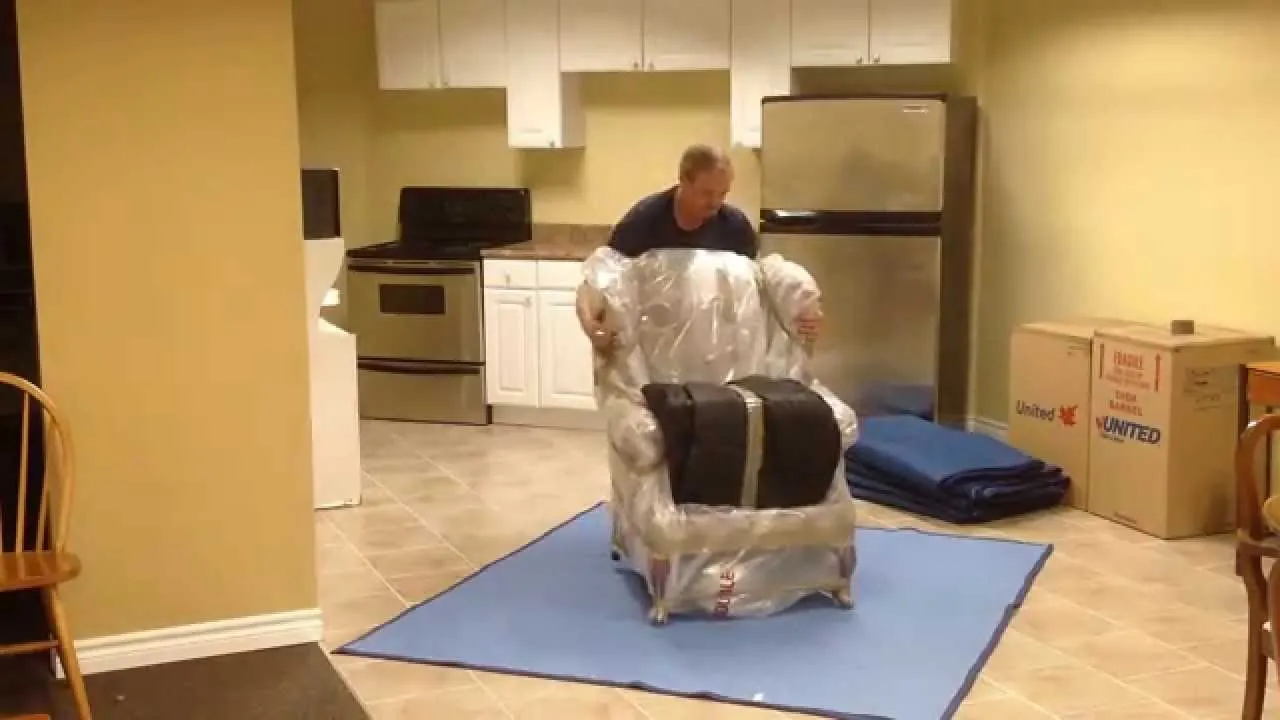
Improperly wrapped chairs suffer from specific types of damage that are often irreversible. When you skip steps or use inadequate materials, the physics of moving works against your furniture. Vibration during transit causes unsecured parts to rub against each other, creating friction burns on wood finishes. This is why tape must never touch the actual chair surface; the adhesive can pull off veneer or leave a residue that attracts more dirt.
Legs are the most common casualty in moving accidents. They act as levers when a chair is tilted or dropped, concentrating force on a small area. Without cardboard guards or thick bubble wrap, a minor bump can splinter wooden legs or bend metal ones. If you notice a leg wobbling after wrapping, the internal joint may already be compromised. Tightening the wrap around the base helps stabilize these weak points, but it can’t fix existing structural issues.
Upholstered chairs face different risks, primarily staining and tearing. Dust and debris from the moving truck can embed themselves in fabric if not sealed properly. Plastic stretch film creates a barrier against moisture and dirt, but it must be tight enough to prevent shifting.
Loose fabric can catch on doorframes or other boxes, leading to costly tears. Additionally, stacking heavy boxes on top of soft chairs compresses the foam padding permanently. This results in a saggy seat that no amount of fluffing can restore.
Another critical issue is the movement of detachable parts. Cushions and pillows left on the chair can slide off and get lost or dirty. By removing them and packing them separately, you ensure they remain clean and intact. This also allows you to wrap the chair frame more tightly, improving overall stability. Proper separation simplifies the unpacking process and protects delicate fabrics from compression damage.
What you can control versus fixed limits
You have significant control over how well your chairs survive the move, but some factors are beyond your influence. Focusing your efforts on proper packing techniques ensures your furniture arrives in the same condition it left.
Things you can control
- Choose high-quality bubble wrap with large bubbles for better cushioning.
- Apply tape generously to secure wraps without touching the furniture surface.
- Label each chair clearly to guide handlers on orientation and fragility.
- Remove all loose parts to prevent loss and improve wrapping tightness.
- Stack chairs strategically to avoid placing heavy weight on fragile frames.
Factors fixed by design
- The inherent strength of the chair’s joints and material composition.
- The size and shape of the chair, which determines wrapping difficulty.
- The weight capacity of the chair, limiting how much can be stacked.
- The type of finish, which dictates sensitivity to adhesive and pressure.
If a chair has loose joints or cracks before you start, wrapping won’t fix it. In such cases, consider repairing the chair before moving or hiring professional movers who specialize in fragile items. Attempting to move structurally unsound furniture risks complete breakdown and potential injury. Always assess the condition of your furniture honestly before beginning the packing process.
Habits for better moving results
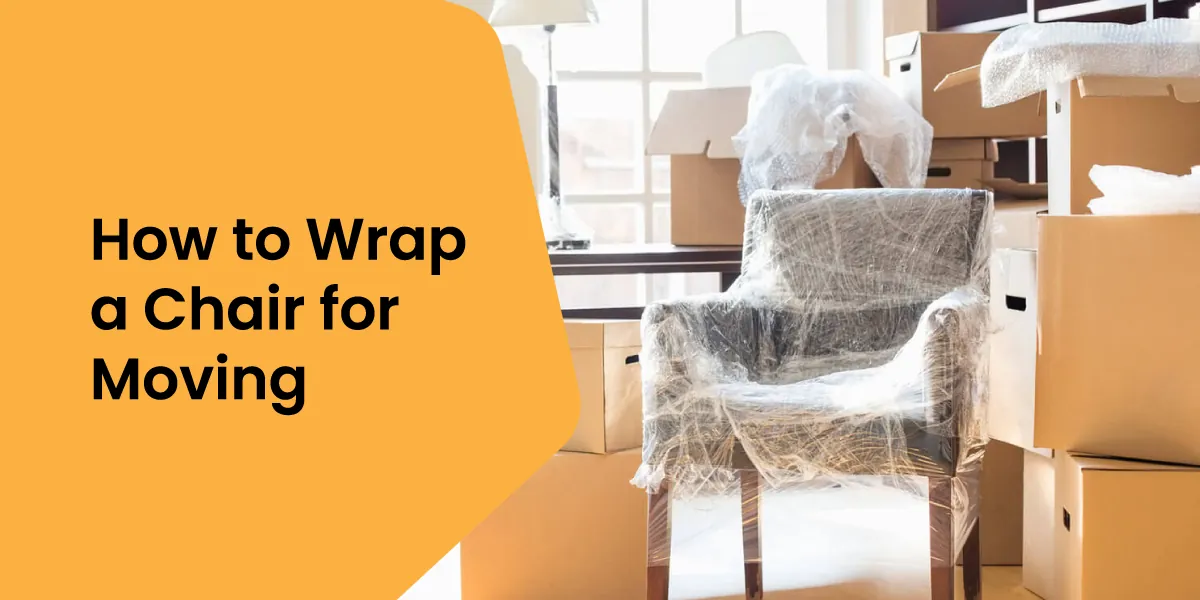
Developing good habits during the wrapping process leads to better outcomes and less stress. These practices stem directly from how materials interact with furniture during transit. First, always wrap chairs individually rather than grouping them loosely. Individual wrapping ensures each piece has its own protective layer, preventing them from scratching each other. This takes more time initially but saves hours of cleanup and repair later.
Second, test the stability of each wrapped chair by gently shaking it. If you hear rattling or feel movement, add more padding or tighten the film. A secure package should feel solid and unified, not loose or noisy. This simple check catches many potential issues before the chair enters the truck. It also gives you confidence that your wrapping job is effective.
Third, keep a supply of extra tape and wrap nearby for quick fixes. Running out of materials mid-job forces you to improvise, which often leads to poor results. Having extras on hand allows you to reinforce weak spots immediately. This habit prevents the temptation to skip steps due to inconvenience.
Fourth, wrap chairs in the same room where they will be unloaded if possible. This reduces the distance they need to travel while wrapped, minimizing exposure to hazards. It also makes unpacking easier since you can place them directly in their final spot. If this isn’t feasible, plan a clear path through the house to avoid obstacles.
Finally, take photos of expensive or antique chairs before wrapping. These images serve as proof of condition in case of damage claims. They also help you remember how complex pieces were assembled if disassembly was required. Documentation is a simple habit that provides clear evidence of your furniture’s state before transit.
Frequently asked questions
How long does it take to wrap one chair?
It takes about 10 to 15 minutes to properly wrap a standard dining chair. Complex armchairs or recliners may take 20 to 30 minutes due to their size and movable parts. This estimate includes cleaning, wrapping, and labeling. Rushing the process often leads to inadequate protection and potential damage. Allow extra time for antique or fragile pieces that require careful handling.
Is it safe to use regular duct tape on wood?
No, regular duct tape isn’t safe for direct contact with wood finishes. The adhesive is too strong and can pull off veneer or leave a difficult-to-remove residue. Always use packing tape on the plastic wrap, never on the furniture itself. If you must secure something directly, use painter’s tape, which is designed to be gentle on surfaces. Test a small hidden area first if you’re unsure.
Can I stack chairs on top of each other?
Yes, you can stack chairs if they’re wrapped securely and are of similar weight. Place lighter chairs on top of heavier ones to prevent crushing. Avoid stacking more than three or four chairs high to maintain stability. Use cardboard between stacked chairs to add friction and prevent slipping. Never place heavy boxes on top of stacked chairs, as this can deform the frames.
What happens if I don’t remove the cushions?
If you don’t remove cushions, they may slide off, get dirty, or become compressed. Dust and debris can embed themselves in the fabric during transit. Compression from other items can permanently flatten the foam padding. Removing cushions allows you to wrap the chair frame more tightly and securely. It also ensures your upholstery remains clean and retains its shape.
Does it matter which way I face the chair?
Yes, facing the chair correctly matters for stability and space efficiency. Stack chairs with seats facing the same direction to interlock them securely. This prevents them from shifting during transport. For individual wrapping, orient the chair so the backrest is protected from impact. Follow any “This Side Up” labels to ensure proper handling by movers.
How much bubble wrap should I use?
Use enough bubble wrap to cover all hard surfaces with at least two layers. Focus on corners, edges, and legs, which are most prone to damage. Overlap each wrap by two inches to eliminate gaps. Don’t skimp on material, as thin coverage offers little protection. A good rule is to wrap until the chair feels padded but not bulky.
Conclusion
Once your furniture is fully protected, you’re ready to load it into the truck. Place these items near the back or sides where they won’t shift during the drive. You’ll feel much better knowing your favorite pieces will arrive at your new home in perfect condition, ready to use again.