
You’ll need warm water, mild dish soap, a stiff nylon brush, and about 30 minutes to scrub each chair. The method for how to clean cast iron chairs works best on outdoor furniture that’s gathered dirt or light surface rust but still has most of its paint intact. If the finish is peeling in large sheets down to bare metal, you’re looking at a full stripping and repainting job instead.
What you need to clean cast iron chairs
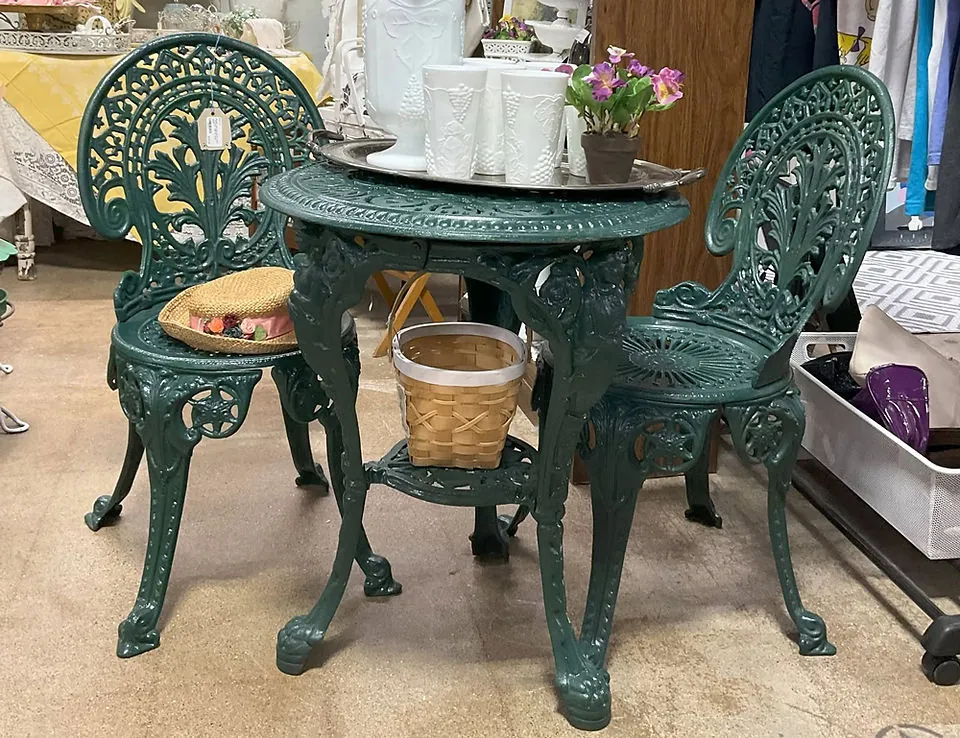
You don’t need a lot of gear to get the job done. Gather everything before you start so you aren’t walking back and forth while the soap dries on the metal.
- Bucket: A standard 2-gallon plastic bucket holds enough water for one chair without needing constant refills.
- Dish soap: Use a mild liquid like Dawn. Avoid heavy degreasers, which strip protective coatings.
- Stiff nylon brush: Pick one with firm bristles. Wire brushes scratch the painted finish and expose bare metal to moisture.
- Fine steel wool (grade #0000): This removes small rust spots without gouging the surrounding paint.
- Clean rags or microfiber towels: You’ll need at least three — one for washing, one for rinsing, and a dry one for finishing.
- Garden hose with spray nozzle: Set it to a gentle shower setting, not a high-pressure jet.
- Paste wax or clear enamel spray: This seals the metal after you’re done. Check the label on your chosen product for drying times, as they vary by brand.
If you can’t find grade #0000 steel wool, a green Scotch-Brite pad works as a substitute. Don’t use sandpaper, because it cuts too deep into the finish. If the chair has structural cracks or broken welds, stop here — a professional metalworker needs to handle repairs safely.
Steps to wash cast iron chairs
- Move the chair to a flat, shaded spot outdoors. Working in direct sunlight dries the soap too fast and leaves streaks you’ll have to scrub again.
- Rinse the entire chair with the garden hose on a gentle shower setting for about 60 seconds. This knocks off loose dirt, pollen, and bird droppings so you aren’t grinding grit into the paint during the next step.
- Fill your 2-gallon bucket with warm water and add 2 tablespoons of mild dish soap. Swirl it with your hand until suds form. Don’t use hot water from a kettle, as sudden heat changes can stress old, brittle paint.
- Dip the stiff nylon brush into the soapy water and scrub the chair from top to bottom. Spend about 5 minutes on the seat and backrest, and another 5 minutes on the legs and underside. For a larger dining-height chair, add about 3 extra minutes per section.
- Switch to the fine #0000 steel wool for any spots where you see orange or brown rust. Rub gently in small circles for 10 to 15 seconds per spot until the rust lifts. Stop as soon as the metal looks clean.
Careful: Pressing too hard with steel wool scratches through the paint layer. Once the bare iron is exposed, it will rust again within days if left unsealed.
- Rinse the chair thoroughly with the hose. Start at the highest point and work down, making sure no soap bubbles remain in the crevices or scrollwork. Leftover soap attracts dirt faster next time.
- Wipe the chair completely dry with your clean microfiber towels. Don’t let it air dry, because standing water causes flash rust on any tiny scratches you might have made.
- Apply a thin coat of paste wax with a fresh rag, or spray a light layer of clear enamel over the metal. Let wax cure for 15 minutes, then buff it. For spray enamel, follow the drying time printed on the can.
Tip: If you’re working on multiple chairs, wash and dry them one at a time rather than soaping them all at once. Soap left sitting dries out and becomes harder to rinse off.
If the rust covers more than a few square inches or the chair feels wobbly, this stops being a basic cleaning task. Take it to a local metal restoration shop, as fixing structural damage requires welding tools and safety training most people don’t have.
How effort changes by condition
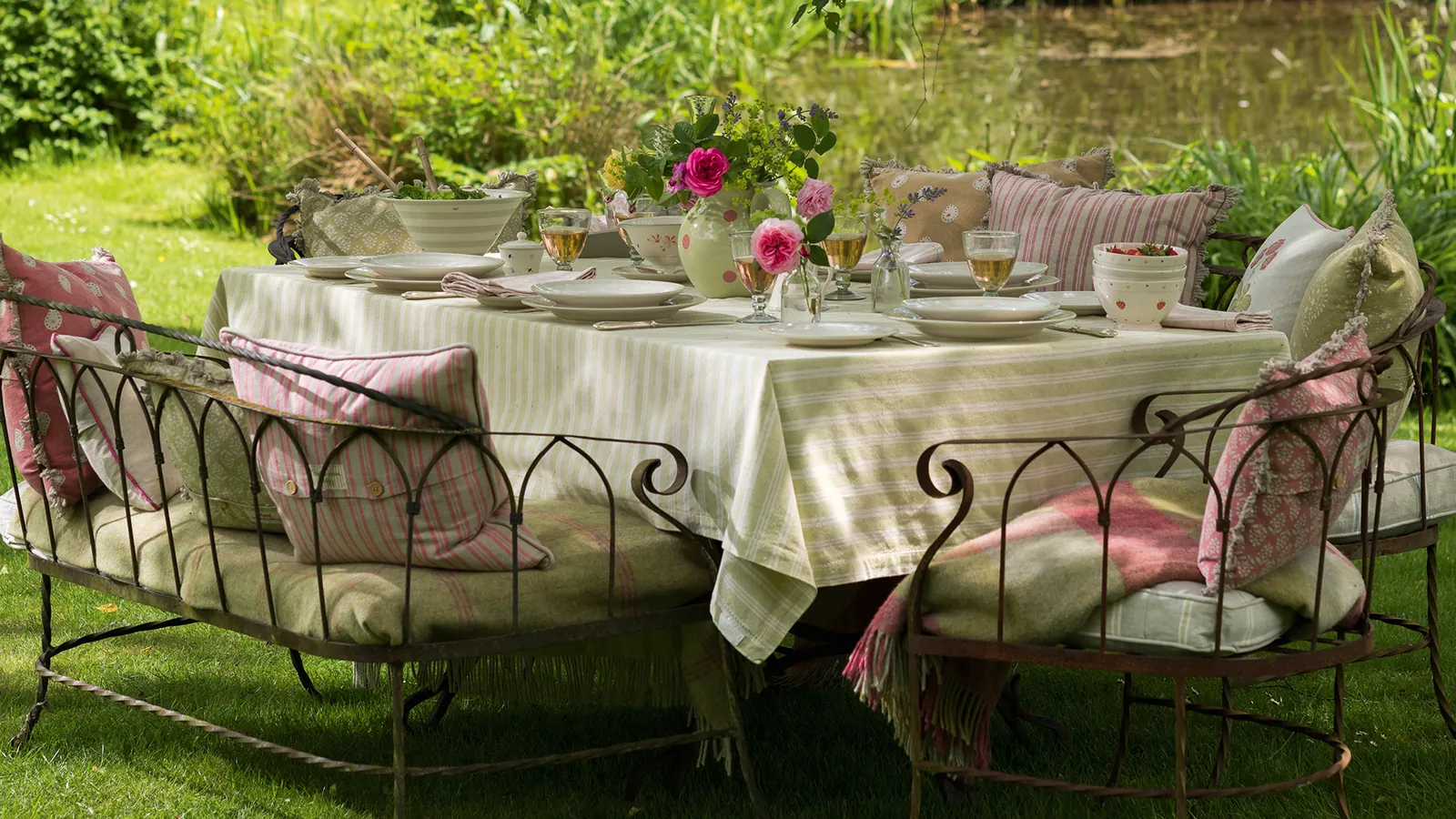
The time and materials you’ll spend depend entirely on what shape the chair is in when you start. A quick wash takes half an hour, while dealing with heavy rust turns it into an afternoon project.
| Chair condition | Time needed | What changes | What to watch for |
|---|---|---|---|
| Light dust only | 20–30 minutes | Skip the steel wool; just use soapy water and the nylon brush. | Make sure crevices are fully rinsed so dirt doesn’t cake later. |
| Small rust spots | 45–60 minutes | Add the #0000 steel wool step and apply wax or sealant afterward. | Don’t rub past the rust into good paint. |
| Heavy rust buildup | 2–3 hours | You’ll need a wire wheel attachment on a drill to remove thick scale first. | Wear safety glasses; flying rust flakes can injure your eyes. |
| Painted with peeling finish | 3+ hours | Requires chemical paint stripper before cleaning the bare metal underneath. | Work outdoors only, and wear chemical-resistant gloves. |
| Antique or fragile piece | Varies widely | Skip harsh scrubbing entirely and use only soft cloths with mild soap. | Inspect joints carefully before applying any pressure. |
Starting with the gentlest method saves you from ruining a finish that only needed a simple wash. You can always move up to steel wool or stronger tools if the soap doesn’t do the job, but you can’t undo a deep scratch.
Signs your cast iron chairs are clean
A properly cleaned chair looks uniform in color and feels smooth when you run your hand over it. There shouldn’t be any gritty patches, sticky soap residue, or powdery orange dust left on the metal.
A poor result usually shows up as white streaks running down the legs or a dull, chalky film across the seat. That happens when soap dries on the surface before you rinse it off. Water evaporates quickly on dark metal sitting in the sun, leaving the detergent behind.
To prevent this, work in the shade and rinse each section immediately after scrubbing it. Keep your hose nearby so you aren’t waiting between steps.
The other common problem is flash rust, which looks like tiny orange freckles appearing hours after you finish. It forms when microscopic scratches hold onto water droplets. Drying the chair completely with towels right after rinsing stops this from happening.
Once the chair is dry and sealed, wipe your finger across the surface. It should glide without catching. If you feel rough spots, you missed some rust or dirt in that area and need to go back over it.
Safety rules and aftercare
Always clean these chairs outside. Washing them indoors risks getting dirty, rusty water on floors, and chemical strippers or spray sealants produce fumes that need open-air ventilation. The U.S. Environmental Protection Agency notes that proper ventilation is essential when using products that release volatile organic compounds.
After you finish, empty your soapy bucket away from garden beds or storm drains. Dump it into a utility sink connected to your home’s wastewater system. Rinse out the bucket, wash your nylon brush with clean water, and throw away any steel wool pads you used, since they rust quickly once wet.
Store your paste wax or clear enamel spray in a cool, dry place with the lid tightly sealed. Check the manufacturer’s label for the exact shelf life of your specific product.
A good wax coating lasts about 3 to 6 months on furniture kept outdoors year-round. If your chairs sit under a covered patio, you might stretch that to a full year. When water stops beading up on the surface and starts soaking in flat, it’s time to wash and reseal them.
Other ways to restore them
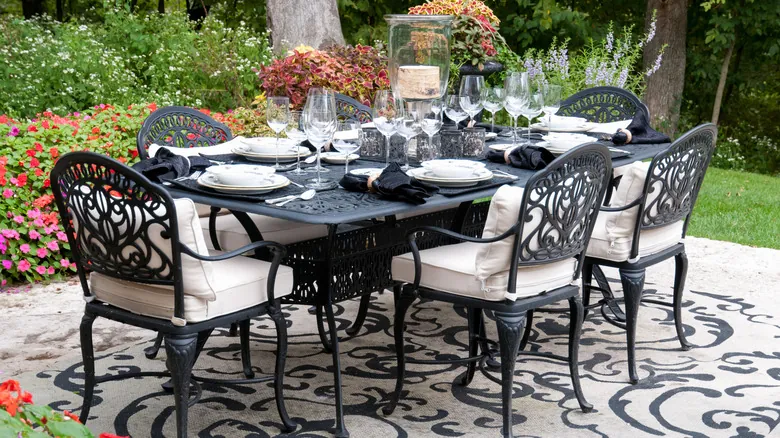
Pressure washing on low setting
Using a pressure washer speeds up the rinsing step, but you must keep it under 1,500 PSI. Anything higher strips healthy paint right off the iron. Hold the nozzle at least 12 inches away and keep it moving. This cuts your total time by about 10 minutes per chair, but increases the risk of accidental damage if you lose focus.
Vinegar soak for removable parts
If your chair has small removable bolts or decorative caps, soak them in a bowl of plain white vinegar for 2 to 4 hours. The acid dissolves rust without any scrubbing. Rinse them thoroughly with water afterward and dry them instantly. Don’t pour vinegar over the whole chair, as it can stain certain painted finishes.
Hiring a professional restorer
For chairs with severe rust or antique value, take them to a local metal restoration shop. They use sandblasting equipment and professional-grade primers. This costs significantly more than doing it yourself, but it guarantees structural safety and preserves the original details that hand-scrubbing might destroy.
Related guides
Frequently asked questions
Can I use bleach on cast iron outdoor furniture?
No, bleach accelerates rust on bare iron and breaks down painted finishes. Stick to mild dish soap and warm water. If you need to kill mold or mildew growing on the chair, mix 1 part white vinegar with 4 parts water instead. Spray it on, wait 10 minutes, and scrub gently with your nylon brush before rinsing.
Why is my cast iron chair turning orange after washing?
That orange color is flash rust forming on exposed iron. It happens when water sits in tiny scratches or areas where the paint has worn thin. To stop it, dry the chair completely with microfiber towels the moment you finish rinsing. Never leave it to drip dry in the air.
How long does a wax coating last outside?
A paste wax coating typically lasts 3 to 6 months on furniture exposed to rain and sun. Chairs kept under a solid roof or patio cover can go up to 12 months. You’ll know it’s time to reapply when water stops rolling off in beads and instead sits flat against the metal surface.
Is it safe to use a wire brush on painted iron?
Only use a wire brush on completely bare metal where you intend to remove all the paint anyway. On painted chairs, a wire brush tears through the finish and creates deep grooves that trap moisture. Always start with a stiff nylon brush. Save the wire attachments for heavy, unpainted rust removal.
What happens if I leave soap residue on the chair?
Leftover soap dries into a white, chalky film that actually attracts more dirt and pollen from the air. Your chair will look dusty again within a few days. Prevent this by rinsing thoroughly from top to bottom, paying special attention to the tight scrollwork where suds like to hide.
How often should I wash outdoor iron seating?
Wash them periodically to keep them clean. The frequency depends on your specific environment and usage, so consult your owner’s manual for the recommended maintenance schedule. You don’t need soap every time, as a simple spray with the hose is often sufficient.
Can I paint over rust without cleaning it first?
No, paint won’t adhere to loose rust or dirt. You must scrub away flaking rust, wash the surface, and ensure it’s completely dry before applying a rust-inhibiting primer. Note that failing to properly prep the surface will cause the paint to bubble and peel prematurely.
Conclusion
Once everything’s dry, rub a thin coat of car wax over the metal to keep moisture out. You’ll notice water beads up instead of soaking in during the next rainstorm. Check your furniture each spring so small spots don’t turn into bigger problems later.