
Cleaning a wooden dining chair takes 45 minutes, costs under five dollars, and is of medium difficulty. Before starting, identify your wood finish: if water beads, it’s sealed and safe for mild soap; if it soaks in, the wood is raw or oiled and requires a different approach.
What you need to clean wood chairs
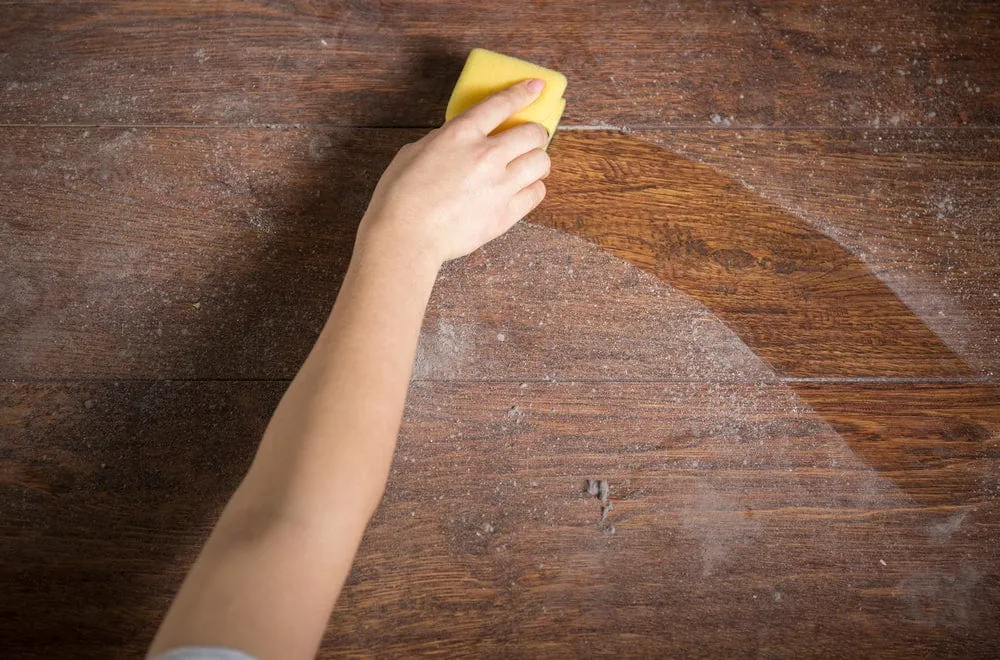
You don’t need specialty products to lift sticky buildup from a dining set. A few household items do the job without risking the finish underneath. Gather everything before you sit down with the first chair, because stopping mid-clean leaves wet soap drying into new streaks.
| Item | How much | Why it’s needed | A substitute |
|---|---|---|---|
| Mild dish soap | 1 teaspoon per quart | Breaks down grease safely | Castile soap |
| Warm water | 1 quart | Carries the soap | none — don’t swap this |
| Soft microfiber cloths | 3 separate cloths | Wipes without scratching | Old cotton t-shirt |
| White vinegar | 2 tablespoons per cup | Cuts stubborn sticky residue | none — don’t swap this |
| Mineral spirits | 1 tablespoon | Dissolves wax or polish buildup | none — don’t swap this |
| Soft-bristle toothbrush | 1 brush | Reaches carved details | Cotton swabs |
| Paste wax or furniture oil | Size of a coin | Restores protection after washing | none — don’t swap this |
Preparing wood chairs before washing
Dust holds moisture against the finish, turning a simple wash into a muddy mess. Wipe the entire chair with a dry microfiber cloth first, pushing dust out of crevices rather than rubbing it deeper into the grain.
- Remove loose cushions and hardware. Take off any fabric pads, unscrew metal casters, and set them aside. Washing these attached pieces traps water where it causes rust or mold.
- Clear the workspace. Move the chair to a well-ventilated area away from direct sunlight. Sun dries the cleaning solution too fast, leaving visible soap marks across the wood.
- Test your cleaner in a hidden spot. Apply your mixed solution to the back of a rear leg and wait 60 seconds. If the finish turns cloudy or feels rough, stop immediately.
- Cover the floor beneath you. Lay down an old towel or plastic sheet. Dripping dirty water stains hardwood floors and leaves rings on tile grout.
- Identify the finish type. Put a drop of water on an unseen spot. If it stays beaded after a minute, the chair has a protective sealant like polyurethane or lacquer. If it sinks in and leaves a dark mark, the wood is unfinished or oil-treated. Washing an unsealed chair with water raises the grain permanently, ruining the texture. If your chair fails the water test, skip the soap steps below. Furniture restorers handle unsealed antiques, and the EPA’s Safer Choice guide helps you verify which commercial solvents are safe for indoor use.
Steps to remove grime from wood chairs

Work through these actions in order, finishing one step entirely before moving to the next. Rushing leaves soap trapped in joints, which attracts more dirt later.
-
Mix exactly 1 teaspoon of mild dish soap into 1 quart of warm water. Stir until suds form evenly across the top. You’ll know it’s right when the water looks slightly cloudy but you can still see the bottom of the bucket clearly. Don’t add extra soap thinking it works faster; excess suds leave a sticky film that defeats the purpose.
-
Dip one microfiber cloth into the soapy water and wring it out tightly. The cloth should feel damp, not dripping wet. Excess water seeps into joints and softens the glue holding the chair together. Hold the wrung cloth over the bucket for five seconds; if drops fall, wring it again.
-
Wipe one flat section at a time, following the direction of the wood grain. Start at the top of the backrest and work downward to the legs. You’ll see the cloth turn gray or brown as it picks up grime. Stop wiping a section once the cloth slides smoothly without dragging.
-
Rinse your cloth in a separate bucket of plain warm water. Wring it out just as tightly as before. Wipe the same section again to pull away any leftover soap. Soap residue left behind acts like a magnet for kitchen grease, bringing the grime back within days.
-
Check carved areas, spindles, and corners where the flat cloth couldn’t reach. Dip a soft-bristle toothbrush into the soapy water and tap off the excess. Gently scrub the tight spots using small circles. You’ll see dark foam lifting out of the crevices, showing the grime is releasing.
-
Switch to a second clean microfiber cloth for stubborn, sticky patches. Dampen this cloth with a mix of 2 tablespoons white vinegar and 1 cup warm water. Rub the sticky spot gently for 10 to 15 seconds. The stickiness should vanish, leaving the wood feeling smooth instead of tacky.
-
If the grime feels waxy or doesn’t respond to vinegar, apply 1 tablespoon of mineral spirits to a fresh cloth. Rub the resistant spot lightly, working only on that specific area. This dissolves old polish buildup that soap can’t touch. Open a window while doing this, as the fumes need ventilation to clear safely.
-
Dry the entire chair immediately with your third, completely dry microfiber cloth. Buff the surface firmly along the grain until no damp spots remain. Leaving the wood air-dry allows water marks to settle into the finish. The chair should feel cool but perfectly dry to the touch.
-
Apply a pea-sized amount of paste wax or furniture oil to a clean cloth. Rub it into the wood using wide circles, covering the whole chair. Wait 15 minutes for it to haze over, then buff it with a dry cloth. The finish will shift from dull to a soft, even sheen, confirming the wood is protected again.
Signs your wood chairs are fully clean
A properly cleaned chair shows its true color without a hazy film blocking the grain. Run your hand flat across the seat; it should glide smoothly without catching or feeling slightly tacky. If your fingers drag or stick, soap or grease remains trapped in the finish pores.
Look closely at the joints where the legs meet the seat frame. Grime collects heavily here, forming dark lines. Those lines should match the surrounding wood tone now. If they’re still noticeably darker, the toothbrush step didn’t reach deep enough, and you need to repeat it with slightly firmer pressure.
Hold the chair near a window and look at the surface from an angle. Light should reflect evenly across the wood. Cloudy patches or dull spots mean water dried too slowly or cleaner wasn’t fully rinsed away. Wipe those specific spots again with a cloth dampened only in plain warm water, then dry immediately.
Check the cloth you used for the final drying pass. It should show only light dust, not heavy dark smears. A deeply stained drying cloth means the washing phase didn’t lift everything. Go back to the soapy water step for the sections that still left dirt behind.
Fixing problems while cleaning wood chairs
| What happened | Why | What to do |
|---|---|---|
| Finish turned white or cloudy | Water seeped under old wax | Rub gently with mineral spirits |
| Wood grain feels rough and raised | Too much water soaked bare wood | Stop washing; let dry fully |
| Sticky residue returned after drying | Soap wasn’t rinsed off completely | Wipe again with plain water |
| Dark ring appeared on the seat | Wet cloth sat in one spot | Sand lightly; reapply matching finish |
| Strong chemical smell lingers | Mineral spirits used indoors unventilated | Open windows; run a fan |
| Joints feel loose after washing | Water softened the hide glue inside | Stop using chair; consult repair shop |
How often to wash wood chairs
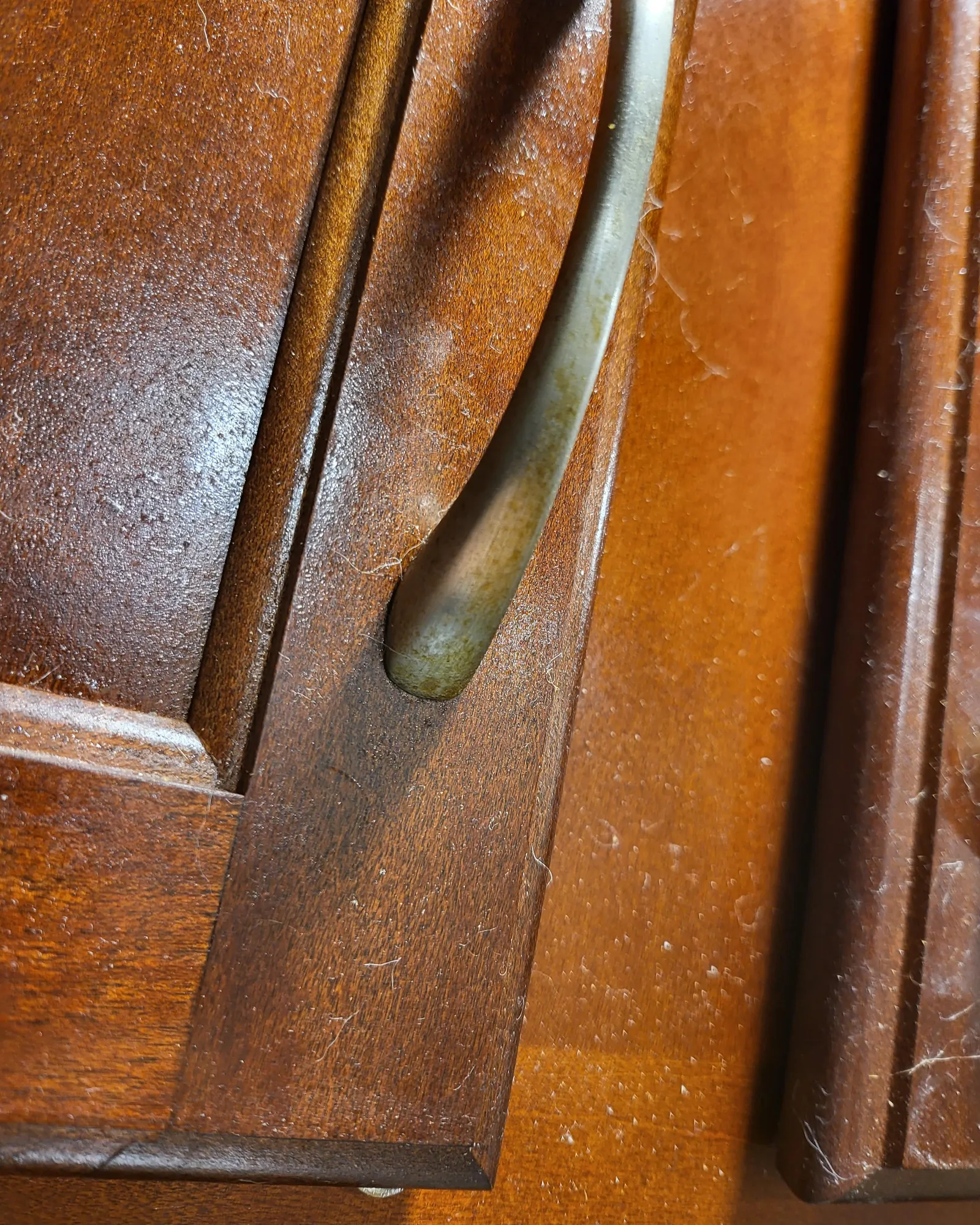
Wipe down dining chairs every three months if they’re used daily for meals. Kitchen grease and skin oils build up steadily during regular use, creating a layer that dulls the finish over time. Waiting longer than six months lets that layer harden, forcing you to use stronger solvents that wear down the protective coat faster.
Two main factors change this schedule. First, consider how close the chairs sit to your cooking area. Seats within six feet of a stove collect airborne grease much faster than those in a separate dining room. For chairs near the stove, shorten the interval to every six weeks.
Second, check whether your home uses central air conditioning or heating year-round. Forced air circulates dust constantly, settling it onto sticky surfaces. Homes running fans or HVAC systems continuously may need monthly dusting between the deeper quarterly washes.
If you notice the wood losing its shine before the three-month mark, that’s your signal to clean sooner. Don’t rely on a calendar alone; the chair’s surface tells you when the grime has returned.
Frequently asked questions
Can I use all-purpose spray cleaner on wood chairs?
No, standard all-purpose sprays contain harsh solvents that strip protective finishes. They leave the wood dull and vulnerable to moisture damage. Stick to mild dish soap diluted in warm water for sealed chairs. If you need something stronger for sticky spots, use white vinegar diluted with two parts water instead of reaching for chemical sprays.
Why does my wood chair feel sticky after washing?
Sticky chairs mean soap residue was left behind during the rinse step. Dish soap binds to grease, but if you don’t wipe it away with plain water, it dries into a tacky film. Go over the sticky areas with a cloth dampened only in clean warm water. Dry the surface immediately afterward to prevent water marks from forming.
How long does it take a washed wood chair to dry?
A properly wiped chair dries in 10 to 15 minutes at normal room temperature around 70°F. This assumes you buffed it thoroughly with a dry cloth immediately after washing. Never let a wood chair air-dry on its own, as standing moisture seeps into joints and leaves permanent white rings on the finish.
Is it safe to use vinegar on antique wood chairs?
Vinegar is safe on modern sealed finishes but risks damaging fragile antique shellac or wax coatings. Test it on a hidden spot first by applying a drop and waiting 60 seconds. If the finish softens or clouds, wipe it away instantly. For valuable antiques, skip homemade cleaners entirely and consult a professional conservator who handles historical finishes.
What happens if water gets into the chair joints?
Water soaking into joints softens the hide glue or wood adhesive holding the pieces together. You might notice the chair wobbling or hear creaking sounds when someone sits down. Always wring your cleaning cloth until it’s barely damp, never dripping. If a joint loosens after washing, stop using the chair and have it re-glued before the wood warps.
Does the type of wood change the cleaning method?
The finish matters far more than the wood species itself. A sealed oak chair and a sealed pine chair both take the same mild soap treatment safely. However, open-grain woods like ash or oak trap dirt deeper in their pores than smooth maple. You’ll likely need to spend more time with the soft toothbrush on open-grain surfaces to lift embedded grime.
Can I use a steam cleaner on dirty wood chairs?
Never use a steam cleaner on any wood furniture. The intense heat and forced moisture push water directly through the finish and into the wood fibers. This causes the grain to swell, crack, or separate at the glued joints. Steam also melts wax and shellac finishes instantly. Stick to manual wiping with a damp cloth for safe results.
Conclusion
Grime builds up slowly, making it easy to ignore until the wood loses its warmth and color. Keeping a simple routine with mild soap and dry cloths prevents that buildup from hardening into a project that requires harsh chemicals. Treat the finish gently, dry every surface immediately, and the wood underneath stays protected for years of daily use.