
Protecting upholstered dining chairs means stopping stains, wear, sun damage, and everyday grime before they sink into the fabric and padding. The most reliable approach combines a preventive fabric treatment, smart placement, a regular cleaning routine, and quick action when spills happen. These steps work on cotton, linen, polyester, microfiber, velvet, and performance weaves commonly found on dining-room seating.
Key Takeaways
- Test any cleaner or protector on a hidden spot first to avoid discoloration or water rings.
- Blot spills immediately with a clean white cloth; never rub, which pushes liquid deeper into the fibers.
- Vacuum chairs weekly with an upholstery attachment to remove abrasive crumbs and dust.
- Rotate chair positions and keep them out of direct sunlight to prevent uneven fading and wear.
- Use washable slipcovers or chair pads on high-use seats for an extra layer you can actually launder.
How to Choose Fabric Protectors for Upholstered Dining Chairs
A fabric protector creates an invisible barrier that causes liquids to bead up instead of soaking in. Look for a spray labeled specifically for upholstery, not carpet or clothing, and check that it’s compatible with your chair’s fiber content. Water-based protectors are usually safer for indoor dining areas because they dry faster and carry less odor than solvent-based options.
Before you treat the whole chair, spray a hidden area such as the back of the seat or the underside and let it dry completely. If the color changes or the fabric feels stiff, don’t use that product. Apply the protector in light, even coats rather than one heavy soaking, and allow each coat to dry before adding another. Reapply every six to twelve months, or after any deep cleaning, because washing or heavy use wears the treatment away.
Pro Tip: Apply protector on a day when you can open windows and leave the chairs unused for at least twenty-four hours so the treatment cures fully before anyone sits down.
Set a Weekly Care Routine
Dust and food crumbs act like sandpaper on upholstery every time someone sits down. Run a vacuum cleaner with an upholstery brush attachment over the seats and backs once a week, paying attention to seams, button tufting, and the area where the seat meets the back. This removes grit before it grinds into the weave.
Between vacuumings, flip or rotate reversible seat cushions so wear distributes evenly. If your chairs have removable covers, check the care label and wash them according to the manufacturer’s directions. For non-removable upholstery, a quick wipe with a dry microfiber cloth can lift surface dust without introducing moisture.
Handle Spills the Right Way
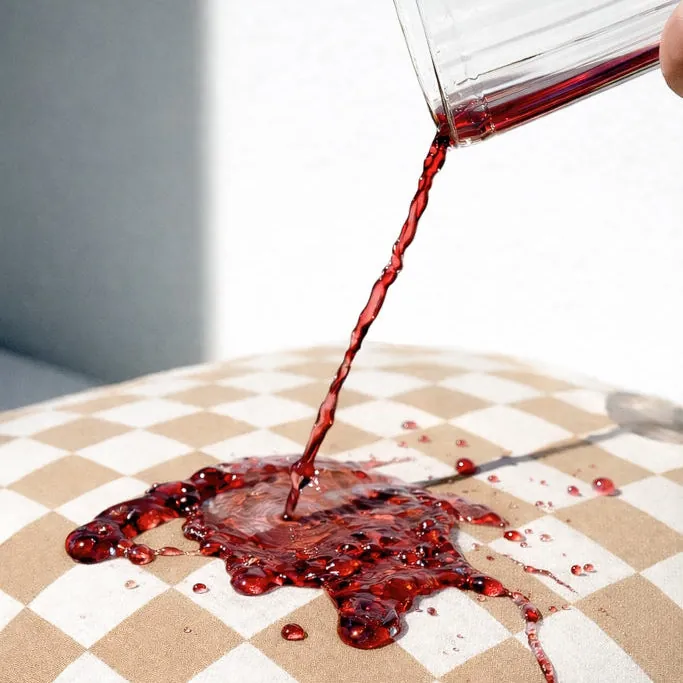
When something spills, speed matters more than the cleaning product. Grab a clean, white, absorbent cloth or paper towel and blot from the outside edge of the spill toward the center. Rubbing spreads the stain and can damage the fabric nap, especially on velvet or chenille.
For most water-based spills, blotting with plain water on a clean cloth is enough to start. If a stain remains, mix a few drops of mild dish soap with cool water, dampen a cloth, and blot gently. Rinse by blotting with a cloth dampened in clean water, then press a dry towel into the spot to absorb excess moisture. Let the area air dry completely before using the chair again.
Warning: Avoid ammonia, bleach, or abrasive scrub brushes on upholstered dining chairs unless the care label explicitly approves them. These can permanently discolor or weaken fibers.
Understand Cleaning Codes
Most upholstered furniture carries a cleaning code on a tag hidden under the seat or on the frame. These codes tell you which liquids are safe to use.
| Code | Meaning | Safe to Use | Avoid |
|---|---|---|---|
| W | Water-based cleaning | Water, mild detergent solutions | Solvent cleaners |
| S | Solvent-based cleaning | Dry-cleaning solvents, mild water-free cleaners | Water |
| WS | Water or solvent | Either method, test first | Harsh chemicals |
| X | Vacuum only | Vacuuming, brushing | Any liquid cleaner |
If the tag is missing or unreadable, treat the fabric as delicate: vacuum only, and call a professional upholstery cleaner for stains. Using the wrong liquid can leave a permanent ring or cause the dye to bleed.
Block Sunlight and Heat
Ultraviolet rays fade upholstery and weaken fibers over time. Position dining chairs away from windows that get direct afternoon sun, or use sheer curtains, blinds, or UV-blocking window film to reduce exposure. If you can’t move the table, rotate the chairs every few months so the same seat doesn’t bear the brunt of the light.
Heat sources such as radiators, floor vents, and fireplaces can dry out fabric and make it brittle. Keep chairs at least a few feet away from these sources when possible. In very dry climates, maintaining moderate indoor humidity helps prevent natural fibers from becoming brittle.
Use Slipcovers and Chair Pads
For households with children, pets, or frequent entertainers, slipcovers offer the strongest protection. A well-fitted slipcover takes the daily abuse instead of the upholstery, and you can remove it for machine washing. Look for covers made from durable, tightly woven fabrics such as cotton duck, denim, or performance polyester blends.
Chair pads and seat cushions add another layer of defense on the part of the chair that gets the most contact. Choose pads with non-slip backing so they don’t slide under diners, and wash or rotate them regularly. If you prefer the look of bare upholstery, use pads only during high-risk events such as holiday meals or children’s birthday parties.
| Protection Method | Best For | Typical Lifespan | Maintenance |
|---|---|---|---|
| Fabric protector spray | All upholstery, invisible defense | 6–12 months | Reapply after cleaning |
| Slipcovers | Kids, pets, frequent use | 2–5 years | Machine wash as needed |
| Chair pads/seat cushions | High-contact seat areas | 1–3 years | Spot clean or wash, rotate |
| UV window film | Sun-exposed dining rooms | 5–10 years | Occasional glass cleaning |
Manage Pets and Children
Pets bring claws, hair, and the occasional accident. Keep nails trimmed to reduce snags, and use a vacuum with a pet-hair attachment or a rubber brush to lift fur from the weave. For accidents, blot immediately and use an enzymatic cleaner designed for upholstery to neutralize odors without leaving residue.
Children are more likely to spill drinks and drop food. Establish a house rule that eating happens at the table, not while wandering, and keep wet wipes or a small cleaning kit nearby for fast response. Darker upholstery colors and patterned fabrics hide minor stains better than light solids, which is worth considering when buying new dining chairs.
Deep Clean on a Schedule
Even with weekly care, upholstered chairs benefit from a deeper clean once or twice a year. You can rent an upholstery cleaning machine or hire a professional service. If you do it yourself, use only the cleaning method indicated by the fabric code, don’t over-wet the cushions, and allow full drying time—usually twenty-four to forty-eight hours—before putting the chairs back in service.
Steam cleaning can work on some W and WS coded fabrics, but it’s too wet for S-coded or delicate materials. When in doubt, consult a professional upholstery cleaner who can identify the fabric and choose the safest method.
Pro Tip: Schedule deep cleaning after a major holiday or before a season of heavy entertaining so the chairs start fresh.
Protect During Moves and Storage
If you need to move or store upholstered dining chairs, wrap them in breathable furniture covers rather than plastic, which can trap moisture and encourage mildew. Stack chairs carefully if the design allows, with a clean cloth or cardboard between seats to prevent fabric-on-fabric abrasion. Store in a climate-controlled space if possible; damp basements and hot attics both harm upholstery over time.
When moving, lift chairs by the frame rather than dragging them across the floor. Dragging stresses the joints and can tear the fabric where it meets the seat frame.
Related guides
Frequently Asked Questions
How often should I apply fabric protector to dining chairs?
Reapply every six to twelve months, or immediately after any deep cleaning or steam treatment, because washing and regular wear break down the protective coating.
Can I use the same cleaner on all my upholstered chairs?
No. Always check the cleaning code tag first; W-coded fabrics tolerate water-based cleaners, S-coded fabrics require solvent-based products, and X-coded fabrics should only be vacuumed.
What is the fastest way to remove a fresh spill?
Blot immediately with a clean white cloth, working from the outside edge inward, then treat with a mild soap-and-water solution only if the fabric code allows water.
Are slipcovers better than fabric protector spray?
Slipcovers offer physical protection you can wash, while spray protects the original fabric invisibly; using both together gives the strongest defense for high-use dining chairs.
Will sunlight ruin my dining chair fabric?
Direct sun will fade and weaken most upholstery over time, so keep chairs out of prolonged sunlight or use window treatments and rotate chair positions regularly.
Conclusion
The best protection starts before the next meal. Pick one habit from this guide—vacuuming weekly, applying a fabric protector, or adding slipcovers—and put it into practice this week so your upholstered dining chairs stay clean and comfortable for years to come.