
Is your toilet constantly running and driving up your water bill? You don’t need to call a plumber or replace the entire tank to fix it.
If your toilet doesn’t have a ball float, don’t worry—there are simple steps you can take to stop the water from running nonstop. You’ll learn easy and effective ways to fix a running toilet without a ball float. Keep reading, and you’ll save money, time, and frustration with solutions you can try right now.

Credit: www.wikihow.com
Identify The Cause Of Running Toilet
Identifying the cause of a running toilet is the first step to fix it without a ball float. A running toilet wastes water and raises your bill. Finding the exact problem helps you save money and time. Check the main parts inside the tank to spot the issue quickly.
Check The Flapper Seal
The flapper seal controls water flow from the tank to the bowl. A worn or damaged flapper lets water leak continuously. Look for cracks, warping, or mineral build-up on the flapper. Press it down gently to see if the leak stops. Replace the flapper if it does not seal properly.
Inspect The Flush Valve
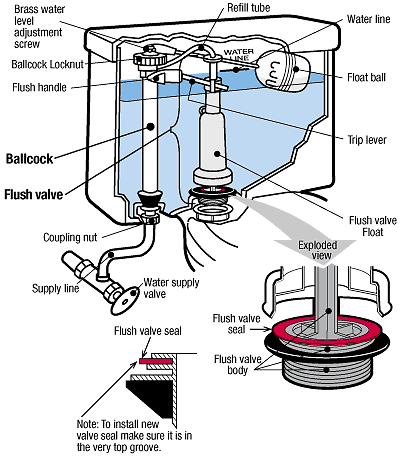
The flush valve works with the flapper to release water during flushing. Check for cracks or damage on the valve seat. Dirt and debris can stop the valve from closing tightly. Clean the valve seat carefully and remove any build-up. A damaged valve may need replacement to stop running.
Examine The Fill Valve
The fill valve controls water entering the tank after a flush. Look for signs of wear or improper adjustment. A faulty fill valve can cause water to overflow or run continuously. Adjust the float arm or replace the fill valve if it does not shut off fully.
Turn Off The Water Supply
Stopping the water supply is the first step to fix a running toilet without a ball float. It prevents more water from entering the tank. This step keeps your bathroom dry and safe while you work.
Turning off the water supply also helps you check for leaks and other problems. It makes the repair process easier and faster. Let’s see how to do it properly.
Locate The Shutoff Valve
Find the shutoff valve near the base of the toilet. It usually looks like a small knob or lever. The valve is connected to the water pipe that fills the tank.
Turn the valve clockwise to close it. This stops water flow to the toilet. If the valve is hard to turn, use a cloth or pliers for grip. Make sure the water stops running inside the tank.
Drain The Tank
Flush the toilet to empty most of the water from the tank. Hold down the handle to let as much water out as possible. This makes it easier to work inside the tank.
If water remains, use a sponge or towel to soak it up. Removing water prevents spills and keeps the area clean. Now you are ready to fix the running toilet.
Replace The Flapper
Replacing the flapper is a key step to fix a running toilet without a ball float. The flapper controls water flow from the tank to the bowl. A damaged or worn flapper often causes water to leak. This leads to constant running and higher water bills.
Changing the flapper is simple and affordable. It usually solves the problem quickly. Follow these steps to remove the old flapper, pick the right one, and install it properly.
Remove The Old Flapper
Start by turning off the water supply to the toilet. Flush the toilet to empty most water from the tank. Locate the flapper at the bottom of the tank. It looks like a rubber seal connected to a chain.
Detach the chain from the flush handle. Then, unhook the flapper’s arms from the overflow tube. Lift the flapper out carefully. Check for any buildup or damage around the seat.
Choose The Right Replacement
Select a flapper that fits your toilet model. Check the size and shape of the old flapper for guidance. Materials vary, but rubber is common and durable. Avoid cheap flappers that wear out fast.
Make sure the new flapper matches the flush style of your toilet. Some flappers work better with specific flush mechanisms. Buying from a hardware store or online retailer ensures quality options.
Install The New Flapper
Attach the new flapper’s arms to the overflow tube hooks. Connect the chain to the flush handle lever. Adjust the chain length to allow the flapper to open fully.
Turn the water supply back on slowly. Let the tank fill and check for leaks around the flapper. Flush the toilet a few times to test the new flapper’s function. Make small chain adjustments if the flapper does not seal properly.
Adjust The Fill Valve
Adjusting the fill valve is a key step to fix a running toilet without a ball float. This part controls how much water fills the tank after each flush. Setting it correctly stops water from overflowing and keeps your toilet working well.
Identify The Type Of Fill Valve
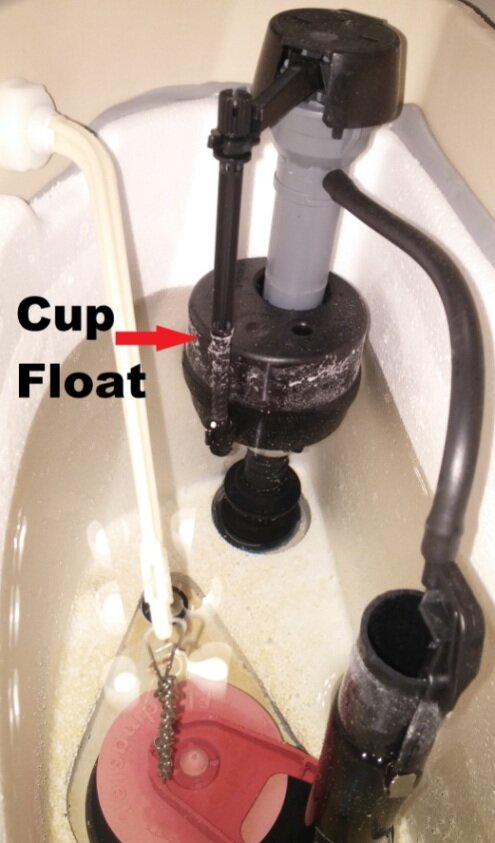
First, look inside the toilet tank to find the fill valve. It is the tall device on one side of the tank. Common types include the float cup valve and the diaphragm valve. Float cup valves have a small cup that moves up and down. Diaphragm valves do not have a float cup but use other parts to control water flow.
Adjust Water Level Without Ball Float
For fill valves without a ball float, find the adjustment screw or clip. Turn the screw clockwise to lower the water level. Turn it counterclockwise to raise the water. Some valves have a clip on the float cup that slides up or down. Move it down to lower water, or up to raise it. The goal is to set the water level below the overflow tube by about one inch.
Test The Adjustment
Flush the toilet to check the water level. Watch how the tank refills. The water should stop below the overflow tube. Listen for running water sounds. If the water keeps running, adjust the valve again. Repeat until the running stops and water fills correctly. This simple fix saves water and stops noise.
Fix The Flush Valve Seat
Fixing the flush valve seat is key to stopping a running toilet without a ball float. This part seals the opening at the bottom of the tank. If it leaks, water keeps running. The flush valve seat must be clean and in good shape.
Start by checking the valve seat. Dirt or mineral build-up can stop it from sealing well. Cleaning the seat often solves the problem. If the seat is cracked or worn, repair or replace it to stop leaks.
Clean The Valve Seat
Turn off the water supply and flush the toilet. This empties the tank. Use a sponge to soak up leftover water. Scrub the valve seat gently with a soft brush. Remove all dirt and mineral deposits. Wipe it clean with a cloth. This helps the flapper seal tightly again.
Repair Or Replace If Damaged
Inspect the valve seat for cracks or wear. Small cracks can cause leaks. Use a repair kit to seal minor damage. For big cracks or deep wear, replace the valve seat. Unscrew the old seat and fit a new one. Tighten it securely to avoid leaks. This fix stops water from running continuously.
Use Alternative Fill Valve Mechanisms
Running toilets often use a ball float to control water levels. Without this part, fixing the problem might seem tough. You can use other fill valve mechanisms instead. These alternatives work well and stop water from running endlessly. They also fit easily in most toilets. Let’s explore two popular options that can replace a ball float.
Float Cup Fill Valve
The float cup fill valve uses a small cup to float on the water’s surface. This cup rises and falls with the water level. When the cup reaches a certain height, it shuts off the water flow. It is more compact than a ball float and fits inside the tank easily.
This mechanism is less likely to get stuck. It is simple to adjust for the right water level. The float cup fill valve also uses less space, making it ideal for smaller toilets. It saves water by stopping overflow and reducing leaks.
Pressure-assisted Fill Valve
The pressure-assisted fill valve works differently. It uses water pressure inside a sealed tank to fill the toilet. This valve does not need a float to stop water. It relies on pressure changes to control the refill process.
This system is very efficient and quiet. It fills the tank faster and prevents running water. Pressure-assisted valves are great for homes with low water pressure. They reduce water waste and keep the toilet working smoothly.
Test The Toilet After Repairs
Testing the toilet after repairs is crucial to confirm the problem is fixed. It helps avoid water waste and high bills. This step ensures the toilet works smoothly without constant running.
Monitor For Continuous Running
Watch the toilet for several minutes after repair. Listen carefully for any sounds of water flowing nonstop. If you hear running water, the fix might not be complete. Check the parts again or adjust the chain and flapper. Continuous running wastes water and can cause damage.
Check For Proper Fill Level
Look inside the tank to see the water level. The water should stop about an inch below the overflow tube. Too high or too low water causes issues. Adjust the fill valve to set the correct water height. Proper fill level helps the toilet flush well and stops running.
Credit: idealservice.com
Credit: www.watersmartsystems.com
Frequently Asked Questions
Why Is My Toilet Running Without A Ball Float?
A running toilet can happen if the flapper does not seal properly. Without a ball float, the fill valve may not shut off fully, causing water to run continuously.
How Do I Stop A Running Toilet Without A Ball Float?
Adjust the fill valve or replace the flapper to stop water from flowing nonstop. Tightening or cleaning parts can also help the toilet stop running.
Can I Fix A Running Toilet Without Replacing The Ball Float?
Yes, fixing the flapper or adjusting the fill valve often stops the running. Cleaning the valve parts may also solve the problem without replacing the float.
What Causes A Toilet To Run Without A Float Ball?
Worn-out flappers or misaligned fill valves can cause running. Without a float ball, the valve may not close properly, leading to continuous water flow.
How Do I Adjust The Fill Valve On My Toilet?
Turn the adjustment screw or slide the valve stem up or down. This controls the water level and stops overflow that causes running.
Will A Faulty Flapper Cause A Toilet To Run Nonstop?
Yes, a worn or dirty flapper can prevent the tank from sealing. This allows water to leak into the bowl, causing constant running.
How Long Does It Take To Fix A Running Toilet?
Most fixes take about 10 to 20 minutes with basic tools. Simple adjustments or flapper replacements are quick and easy to do.
Is It Expensive To Fix A Running Toilet Without A Float Ball?
Fixing a running toilet usually costs very little. Replacement parts like flappers and valves are inexpensive and available at most hardware stores.
Can I Use A Float Cup Instead Of A Ball Float?
Yes, many modern toilets use a float cup on the fill valve. It works similarly to a ball float by controlling the water level in the tank.
How Often Should I Check My Toilet For Running Issues?
Check your toilet every few months for leaks or running water. Early detection helps avoid high water bills and prevents damage.
Conclusion
Fixing a running toilet without a ball float is simple. Check the flapper and chain first. Adjust the fill valve to stop water flow. Small changes can save water and money. Keep tools handy for quick fixes. This saves trips from calling a plumber.
Try these steps to fix leaks fast. Your toilet will work better and quieter. Save water, save money, and avoid waste. A little effort goes a long way.