
Is water creeping into your basement where the wall meets the floor? That stubborn leak can cause serious damage if left unchecked.
You might worry about mold, cracks, or even costly repairs down the line. But don’t panic—fixing this problem is easier than you think. You’ll discover simple, effective steps to stop that leak for good. By the end, you’ll have the confidence to protect your home and keep your basement dry.
Let’s dive in and tackle your basement leak together.

Credit: www.basementsystems.com
Identify Leak Sources
Finding the source of a basement leak is the first step to fixing it. Water can enter through small spaces between the wall and floor. Identifying these leak sources helps you know where to focus repairs. Careful inspection makes a big difference in stopping water damage.
Check Wall-floor Joint
Start by examining the joint where the wall meets the floor. This area can have gaps or weak spots. Use a flashlight to see clearly. Press your fingers along the joint to feel for moisture or softness. Even tiny openings can let water seep in.
Inspect Cracks And Gaps
Look closely for cracks in the concrete or gaps in the sealant. Check both the floor and lower wall sections. Cracks can widen over time, allowing more water inside. Use a magnifying glass if needed to spot small cracks. Mark any you find to address later.
Look For Moisture Signs
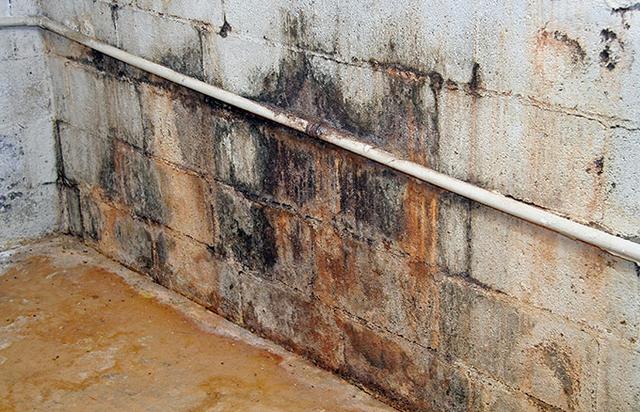
Watch for damp spots, stains, or mold near the wall-floor area. These signs often point to active leaks. A musty smell also indicates moisture. Use a moisture meter if you have one for accurate readings. Early detection prevents bigger problems later.

Credit: www.radonseal.com
Prepare The Area
Preparing the area is the first step to fix a basement leak between the wall and floor. A clean and dry workspace helps you spot the problem clearly. It also makes repair materials stick better and last longer. Follow simple steps to get the area ready before starting the repair.
Clear The Basement Corner
Remove any items near the leak. Boxes, furniture, and tools can block your work. Clearing the corner gives you space to move freely. It also prevents damage to your belongings. Sweep away dust and debris to reveal the floor and wall surface.
Dry The Affected Zone
Use a towel or mop to soak up water. A wet surface stops sealants from sticking. Use a fan or dehumidifier to speed drying. Wait until the wall and floor are completely dry before you begin the repair. Dry areas help you find cracks or gaps easier.
Gather Necessary Tools
Collect all tools and materials before you start. You may need a wire brush, caulk gun, sealant, and putty knife. Having tools ready saves time and avoids interruptions. Check your supplies to ensure everything is in good condition. Ready tools make repairs smoother and faster.
Seal Small Cracks
Small cracks between the basement wall and floor can cause water leaks. Sealing these cracks stops water from entering. It also keeps your basement dry and safe. Use the right materials to fill and seal the cracks properly. This section shows easy steps to fix small cracks and prevent leaks.
Use Hydraulic Cement
Hydraulic cement is a strong material for sealing cracks. It hardens quickly and stops water fast. Clean the crack first by removing dirt and loose pieces. Mix the hydraulic cement with water according to the instructions. Press the cement firmly into the crack using a putty knife. Smooth it out and let it dry for at least 30 minutes. This creates a tight, waterproof seal in the crack.
Apply Waterproof Sealant
After the hydraulic cement dries, add a waterproof sealant. Sealants block water and protect the surface. Choose a sealant designed for basement walls and floors. Use a brush or caulk gun to apply the sealant over the repaired crack. Cover the entire area evenly. Let the sealant dry fully before touching or painting. This extra layer keeps water from sneaking through the crack.
Smooth And Finish Surface
Once the sealant is dry, smooth the surface for a clean look. Use fine sandpaper to gently smooth rough spots. Remove dust with a damp cloth. A smooth surface helps prevent dirt buildup and makes future repairs easier. You can paint over the area with waterproof paint to match your basement walls. This step improves appearance and adds another layer of protection.
Credit: www.easternwaterproofing.com
Repair Larger Gaps
Repairing larger gaps between the basement wall and floor is important to stop leaks. Small cracks can be filled with simple sealants, but bigger gaps need extra steps. Filling these gaps properly keeps water out and protects your basement from damage. Follow these clear steps to fix the larger spaces and make your basement dry again.
Install Backer Rod
Start by placing a backer rod into the gap. This foam rod fills most of the space and supports the sealant. Choose a backer rod slightly wider than the gap for a tight fit. Press it in gently but firmly, so it stays in place. The backer rod also helps sealant stick better and last longer.
Apply Polyurethane Caulk
Next, apply polyurethane caulk over the backer rod. This caulk is flexible and waterproof. Cut the tip of the caulk tube at a 45-degree angle. Use a caulk gun to squeeze the caulk into the gap. Move the gun slowly for an even bead of caulk. Fill the entire gap without leaving holes or air pockets.
Ensure Proper Adhesion
Check that the caulk sticks well to both wall and floor. Clean the surfaces first to remove dust and dirt. Use a damp cloth and let it dry before applying caulk. Press the caulk down with a wet finger or tool to smooth it out. Proper adhesion stops water from seeping through the gap.
Improve Drainage Outside
Improving drainage outside your home helps stop water from leaking into the basement. Water pooling near the foundation causes leaks between the wall and floor. Proper drainage moves water away, protecting your basement. Focus on key steps to manage water flow efficiently.
Clean Gutters And Downspouts
Clear leaves, dirt, and debris from gutters regularly. Blocked gutters cause water overflow near the foundation. Check downspouts for clogs or damage. Ensure water flows freely away from the house. Clean gutters direct rainwater far from your basement walls.
Grade Soil Away From Foundation
Check the soil slope around your home’s base. Soil should slope downward, away from the foundation. A slope of at least 6 inches over 10 feet is best. This helps water drain away, not pool near walls. Add soil if needed to create a proper slope.
Install Or Repair French Drains
French drains collect and redirect water away from foundations. These underground pipes help prevent water buildup near your basement. Install drains along problem areas or repair damaged ones. Make sure the drain flows to a safe exit point. This reduces water pressure on basement walls and floors.
Enhance Interior Waterproofing
Enhancing interior waterproofing is a key step to stop leaks between basement walls and floors. It helps keep water out and prevents damage inside your home. Simple methods can improve your basement’s resistance to moisture. These techniques work together to protect your space and keep it dry.
Apply Waterproof Paint
Waterproof paint creates a strong barrier on basement walls and floors. It seals tiny cracks and stops water from seeping in. This paint is easy to apply with a brush or roller. Make sure surfaces are clean and dry before painting. One or two coats usually provide good protection.
Install A Vapor Barrier
A vapor barrier blocks moisture from entering through the floor. It is a plastic sheet placed under basement flooring or on walls. This layer stops dampness and mold growth. Proper installation is important to cover all areas without gaps. It works well with waterproof paint for extra defense.
Use Dehumidifiers
Dehumidifiers reduce moisture in the basement air. They help keep humidity at safe levels and prevent mold. Place one in the dampest area for best results. Regularly empty the water tank and clean the filter. This device supports other waterproofing methods by controlling indoor moisture.
Consider Professional Help
Fixing a basement leak between the wall and floor can be tricky. Sometimes, the problem is bigger than it looks. Professional help can save time and prevent more damage. Experts have the right tools and skills to find the source of the leak. They know how to stop water from coming in and keep your basement dry.
When To Call Experts
Call professionals if the leak is large or constant. If water keeps coming back after you fix it, get help. Cracks that widen or damp spots that spread need expert care. If you see mold or smell mildew, it means water has been there a while. Professionals can find hidden leaks you might miss.
Types Of Basement Waterproofing Services
Experts offer many ways to stop leaks. Interior drainage systems catch water inside the basement. Exterior waterproofing keeps water away from the walls. Sealants and coatings block water from seeping through cracks. Some use sump pumps to remove water quickly. Professionals choose the best method for your home.
Cost And Warranty Insights
Professional waterproofing cost varies by size and method. Small repairs may cost less than full waterproofing. Ask for a detailed estimate before work begins. Many companies offer warranties on their services. Warranties protect you if the leak returns. This gives peace of mind and safeguards your investment.
Frequently Asked Questions
How Do I Identify A Leak Between Basement Wall And Floor?
Look for damp spots, water stains, or mold near the joint. Also, check for musty smells and peeling paint around the area.
What Causes Basement Leaks Between Wall And Floor?
Leaks happen due to cracks, poor sealing, or water pressure outside. Groundwater or rain can push water through weak spots in the basement.
Can I Fix Basement Leaks Myself?
Yes, small cracks and gaps can be sealed with waterproof caulk or epoxy. For large leaks, professional help is recommended.
What Materials Are Best For Sealing Basement Leaks?
Use waterproof sealants like hydraulic cement, polyurethane caulk, or epoxy resin. These materials stop water and prevent further damage.
How Do I Prepare The Area Before Sealing A Leak?
Clean the surface thoroughly and remove dirt or loose paint. Make sure the area is dry for the sealant to stick well.
How Long Does It Take To Fix A Basement Leak?
Small leaks can be fixed in a few hours. Larger repairs or waterproofing may take several days.
Should I Install A Sump Pump To Prevent Basement Leaks?
A sump pump helps remove water and prevents flooding. It is useful if your basement has frequent water issues.
How Can I Prevent Leaks Between Wall And Floor In The Future?
Keep gutters clean and direct water away from your home’s foundation. Also, fix cracks and maintain proper drainage around your house.
Is It Necessary To Repair Basement Cracks Immediately?
Yes, fixing cracks early stops leaks and structural damage. Ignoring them can lead to bigger problems and costly repairs.
When Should I Call A Professional For Basement Leaks?
Call a pro if leaks are large, recurring, or cause structural damage. Professionals can offer long-term solutions and proper waterproofing.
Conclusion
Fixing a basement leak between the wall and floor takes care and patience. Start by finding the exact leak spot. Use the right tools and materials to seal gaps. Keep the area dry and clean before sealing. Check for any cracks or damage to repair.
Regularly inspect your basement to catch leaks early. Small steps prevent bigger problems later. A dry basement means a safer, healthier home. Don’t ignore leaks—they only get worse with time. Stay proactive and protect your space well.