
As an Amazon Associate, we earn from qualifying purchases. This post contains affiliate links – if you buy through them, we may earn a commission at no extra cost to you.
Choosing a water heater anode rod depends on whether you want a permanent powered solution or a traditional metal rod that sacrifices itself to protect your tank. The main difference lies in maintenance; powered rods remove the need for periodic replacement, while magnesium and aluminum rods require regular inspection to prevent tank failure.
Best overall: Corro-Protec Powered Anode, as its titanium design eliminates the need for future replacements and provides a 20-year warranty for consistent, maintenance-free protection against tank corrosion.
Best for odor control: Flexible Aluminum Zinc Anode, which uses a specialized alloy specifically formulated to neutralize sulfur-based “rotten egg” smells often found in hot water systems.
Best for tight spaces: Flexible Magnesium Anode Rod, which features a four-segment hinged design that allows for simple installation in water heaters where vertical clearance is limited.
This guide is for homeowners looking to protect their water heater investment and improve water quality through simple, effective maintenance.
How We Picked
We compared 97 different water heater anode rod listings to find the most reliable options for various tank types. Every selected product had to provide clear specifications regarding its material, length, and compatibility with standard plumbing connections. We excluded any listings that lacked essential installation details or failed to specify the tank types they support. Our selection focuses on the durability of the materials and the ease of installation for the average homeowner.
1. Corro-Protec Powered Anode Rod

Best for: Homeowners wanting a permanent, maintenance-free solution.
This powered anode uses titanium to replace traditional sacrificial rods, which means the rod does not deplete. It is designed to work with almost any water source, including softened water, and helps reduce sediment buildup inside the tank. Because it is a powered unit, it works effectively to stop sulfur odors within 24 hours.
Installation happens in the dedicated anode port, though you’ll need specific socket sizes to remove your old rod. It isn’t suitable for tanks that lack a dedicated port unless you purchase the specific hot water outlet model. This rod is intended for those who prefer a “set it and forget it” approach to tank protection.
Pros
- Maintenance-free titanium design
- Eliminates sulfur water odors
- Long 20-year warranty
Cons
- Requires electrical power supply
- Not for Bradford White tanks
2. Flexible Magnesium Anode Rod

Best for: Tight areas with limited ceiling clearance.
This rod is hinged into four segments, making it easy to maneuver into a water heater even when you have very little room above the tank. It uses magnesium, which is the standard material for protecting steel tanks from corrosion. You should plan to inspect and replace this rod every two years to ensure your tank remains protected.
The rod fits most standard water heaters that use a 3/4-inch NPT connection. If your tank has plenty of space, you might find a solid rod easier to handle, but for cramped utility closets, this flexible design is a practical choice. It’s a straightforward, no-frills replacement part.
Pros
- Flexible four-segment design
- Fits most residential tanks
- Simple installation process
Cons
- Requires regular physical replacement
- Needs periodic inspection
3. Flexible Aluminum Zinc Anode
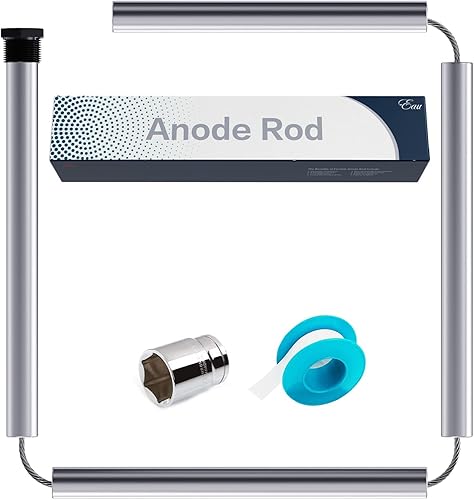
Best for: Eliminating hydrogen sulfide odors.
If your water smells like rotten eggs, this aluminum-zinc alloy rod is designed to solve the problem by changing the internal chemistry of the tank. Like other flexible models, it features a jointed construction to help you install it in narrow spaces without needing to tilt or move the entire heater. The kit even includes a socket and tape to help you get the job done quickly.
This rod will eventually decay, so you must monitor it every two years to prevent the tank from rusting once the rod is gone. It isn’t the right choice if you prefer a permanent, powered solution that never needs swapping. It’s best suited for those who want a quick fix for water odor issues.
Pros
- Specialized odor-fighting alloy
- Includes installation tools
- Flexible for tight spaces
Cons
- Must be replaced periodically
- Requires manual inspection
4. Suburban Magnesium Anode Rod

Best for: RV porcelain-lined water heaters.
This 9-inch rod is engineered specifically for Suburban brand RV tanks. It features a commercial-grade stainless steel core that improves structural durability while protecting the porcelain lining of your tank from the corrosive effects of hot water. Because of its compact size and 3/4-inch thread, it’s simple to install even within the cramped confines of an RV water heater compartment.
You should choose this specific magnesium model if your travels frequently take you through regions with high pH or soft water. In these environments, the rod acts as a sacrificial barrier, absorbing corrosive action that would otherwise degrade your tank.
Don’t attempt to use this product in residential water heaters, as it’s strictly sized for the mobile plumbing systems found in Suburban RV units. Using it in a standard home tank will result in an improper fit and failed protection.
5. Eastman 42 Inch Flexible Magnesium Anode Rod

Best for: Reliable magnesium protection with a durable nipple.
The Eastman rod stands out because it includes a 3/4-inch by 3-inch stainless steel nipple, which is a sturdy connection point for your tank. Its flexible four-section design uses a carbon steel cable, allowing you to slide it into a heater even if you only have 12 inches of clearance at the top. It’s a solid choice for standard residential tanks.
Like other magnesium rods, it works by attracting corrosive elements away from your tank lining. It isn’t a permanent solution, so you must keep to a two-year inspection schedule. If you want a flexible rod with a high-quality threaded fitting, this is a strong candidate.
Pros
- Includes stainless steel nipple
- Flexible carbon steel cable
- Fits most residential models
Cons
- Needs two-year inspection
- Requires 12-inch top clearance
6. Flexible Magnesium Anode Kit

Best for: DIYers who need all the tools at once.
This kit provides the rod, a matching hex socket, and sealing tape, so you don’t have to hunt for tools before you start. The rod uses a flexible, jointed design to navigate tight spots and is made of high-purity magnesium to keep your tank rust-free. It’s highly compatible with major brands like Rheem, AO Smith, and Kenmore.
If your water heater has less than 44 inches of clearance above it, a flexible, jointed design is your only viable path. Each segment is under 12 inches, allowing you to bend the rod into place without hitting the ceiling.
The rod helps neutralize sulfur smells while protecting the tank, but it will eventually wear down. It isn’t compatible with Bradford White tanks, so check your heater brand carefully before ordering. If you own a Bradford White unit, this rod won’t fit the specific thread requirements. This is a convenient, all-in-one package for a standard weekend project.
Pros
- Includes socket and tape
- Universal 3/4-inch thread
- Flexible for narrow areas
Cons
- Not for Bradford White
- Periodic replacement required
7. Rheem SP11309T Magnesium Anode Rod

Best for: Owners of Rheem-manufactured heaters.
This is a genuine factory-authorized part, making it the safest choice if you want an exact match for your Rheem unit. It is 39-3/8 inches long and uses standard magnesium construction to guard against corrosion. Because it’s a solid rod, it’s quite long, so ensure you have enough vertical clearance above your tank before you buy.
It fits a wide range of other brands as well, but its primary purpose is to serve as a reliable replacement for Rheem family tanks. It doesn’t come with installation tools, so you’ll need your own socket set. It’s a simple, reliable OEM part.
Pros
- Genuine factory part
- Wide brand compatibility
- Standard magnesium construction
Cons
- No installation tools included
- Requires significant vertical clearance
8. Briidea Powered Anode Rod

Best for: Large tanks needing long-term protection.
This powered rod is built for 40 to 89-gallon tanks and uses a ruthenium-iridium coated titanium rod to prevent corrosion. It’s an excellent choice if you want to avoid the mess of replacing traditional rods every few years. The design includes an HDPE plastic pipe to help prevent scale buildup, which is vital in areas with hard water.
If you struggle with rotten egg or sulfur odors, this system clears the smell within 24 hours. Because it requires a constant power connection, you must confirm there’s an electrical outlet within reach of your water heater before purchasing.
If your tank is smaller than 40 gallons, this rod won’t fit the standard hexagonal opening. When installing, use basic tools to secure the standard NPT stainless steel tube. This is a permanent, high-performance solution for those who want to eliminate manual maintenance.
Pros
- 20-year service life
- Eliminates sulfur odors
- Reduces scale buildup
Cons
- Requires power supply
- Not for small tanks
9. Suburban Aluminum Anode Rod

Best for: High pH water conditions in RVs.
This aluminum rod is specifically built for Suburban porcelain-lined RV tanks. It uses a stainless steel core to provide a stable structure while it absorbs corrosive activity that would otherwise damage your tank. It’s a simple, 9-inch rod that’s easy to manage in the tight confines of an RV compartment.
If you have high pH or soft water, aluminum is the preferred material for these specific tanks.
Many owners make the mistake of ignoring the rod until the tank leaks. Check the rod annually; if a significant portion of the core is exposed, replace it immediately to prevent tank failure.
This part is exclusively for Suburban porcelain-lined heaters and won’t fit standard home water heaters. It’s a straightforward maintenance part for RV owners.
Pros
- Built for RV tanks
- Stainless steel core
- Simple installation
Cons
- Not for home use
- Requires regular replacement
10. Bradford White Magnesium Rod

Best for: Bradford White tank owners.
Most standard rods don’t fit Bradford White tanks because they often require installation in the hot water outlet rather than a dedicated port. This rod is designed exactly for that purpose, featuring a thick diameter that provides more sacrificial material than the thinner versions used by competitors. It uses high-grade AZ31 magnesium alloy to meet ASTM B843-07 standards for corrosion protection.
Because it’s a solid 46.5-inch rod, you must have at least 4 feet of vertical clearance above your heater to install it. If your ceiling height is lower, choose the flexible version instead to avoid installation failure.
If your tank features a standard designated anode slot, use a hex head rod instead of this model. However, if your designated port is stuck or inaccessible, installing this nipple anode in the hot water outlet serves as a reliable alternative. Always verify your specific setup before purchase.
Pros
- Fits Bradford White outlets
- Lifetime anode warranty
- Thick 3/4-inch diameter
Cons
- Needs 4 feet clearance
- Not for standard ports
How to Choose the Best Water Heater Anode Rods
Does the material of the rod matter?
Yes, the material determines how well the rod protects your specific water chemistry. Magnesium is the most common choice, but aluminum is often preferred for high pH or soft water environments. If you struggle with a “rotten egg” sulfur smell, you should choose a rod containing zinc, or consider a powered anode which can neutralize these odors regardless of water chemistry. Always check your tank manual to see if the manufacturer recommends a specific metal type to maintain your warranty.
Should I choose a powered rod or a traditional one?
A powered rod is a permanent, maintenance-free solution that uses electricity to prevent corrosion, saving you the trouble of inspecting and replacing a rod every two years. Traditional magnesium or aluminum rods require regular physical replacement as they slowly decay to protect your tank. If you prefer to avoid plumbing work and want to eliminate sulfur odors for good, a powered rod is the better choice. If you’re comfortable with basic DIY maintenance and want a simpler, non-electric system, a traditional flexible rod is a reliable and effective option.
How do I know if the rod will fit my tank?
Compatibility is usually determined by the thread size and the available clearance above your heater. Most residential heaters use a standard NPT connection, but you must verify if your tank has a dedicated anode port or if you need a “nipple” style rod that installs in the hot water outlet. Before buying, measure the vertical space above your water heater; if you have limited overhead clearance, you should choose a flexible, multi-part rod. Always check your water heater brand, as some, like Bradford White, require specific configurations that differ from standard residential models.
The Corro-Protec Powered Anode is the top choice for those wanting a permanent fix, while the Flexible Magnesium Anode Rod is the standard for easy, manual maintenance in tight spaces. Regardless of which you choose, make sure to check your tank’s anode port size before ordering. If you opt for a sacrificial metal rod, set a calendar reminder to inspect it every two years to ensure your tank remains protected from rust. Maintaining this small part is the most effective way to extend the lifespan of your entire water heater system for many years to come.
Related guides
- Top 10 Best Showerheads for Low Water Pressure in 2026
- 10 Best Giro Mountain Bike Helmets for Trail Protection in 2026
- Best Water Saving Showerheads: 10 Top Picks for Efficiency in 2026
Frequently Asked Questions
What happens if I never replace my water heater anode rod?
You must replace your anode rod because it sacrifices itself to prevent tank corrosion. Once the rod disappears, corrosive elements attack the steel lining, leading to rust and leaks. Neglecting this maintenance is the primary cause of premature water heater failure.
Can I install a flexible anode rod by myself?
Yes, most flexible anode rods are designed for DIY installation in tight spaces. You typically need a 1-1/16 inch socket wrench and plumber’s tape to complete the job. Always turn off the water supply and power to the unit before beginning installation.
Does the simplest rod on the list work as well as the powered ones?
Traditional magnesium rods effectively protect steel tanks if replaced regularly. Powered options like the Briidea rod offer convenience by eliminating the need for manual replacements. If you are diligent about biennial inspections, a standard rod performs the job perfectly well.
What is the first thing that usually goes wrong with an anode rod?
Traditional rods fail when they become fully depleted or coated in sediment, preventing them from stopping corrosion. If you notice rust or sulfur smells in your water, the rod likely requires immediate replacement. Powered rods avoid this depletion but may experience electrical connection issues.
Conclusion
If you aren’t sure which rod is currently inside your tank, it’s a good idea to check your owner’s manual or look for a model number on the side of the unit. Once you’ve picked the right material, you’ll have peace of mind knowing your tank won’t rust out anytime soon.