
Have you noticed a gap between your window glass and the frame? That small space might seem harmless, but it can cause big problems like drafts, water leaks, and higher energy bills.
Fixing it doesn’t have to be complicated or expensive. You’ll discover simple, effective ways to seal that gap quickly and protect your home. Keep reading, and you’ll learn easy steps that anyone can follow to make your windows airtight and comfortable again.
Causes Of Gaps Between Glass And Frame
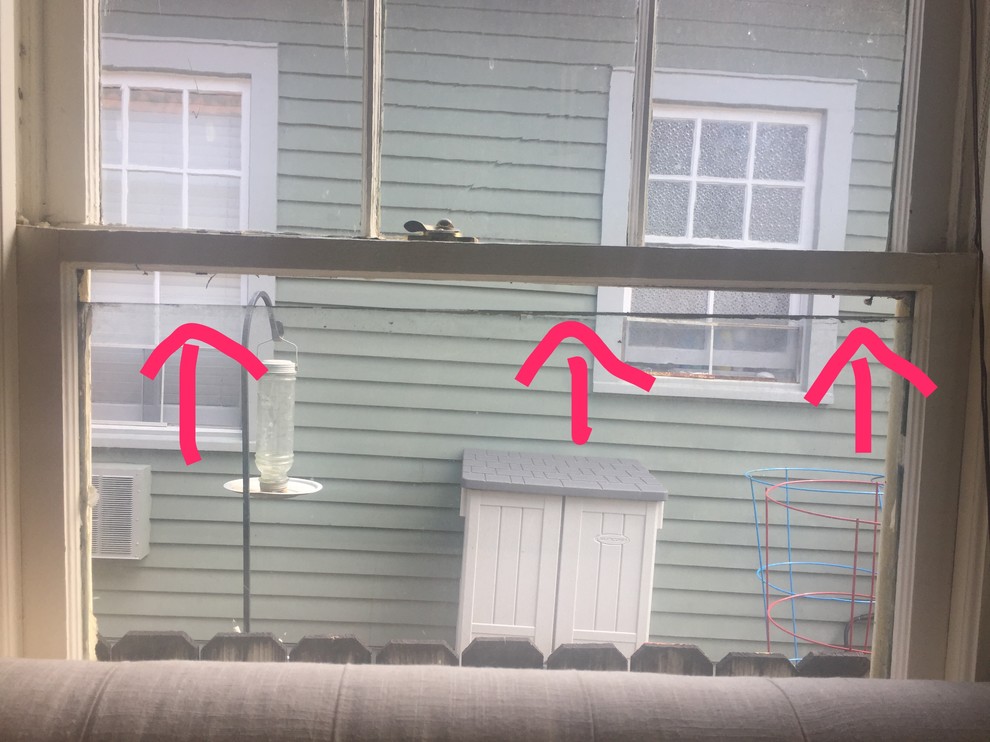
Gaps between window glass and the frame cause drafts, water leaks, and energy loss. Understanding the root causes helps fix the problem properly. Several factors may create these gaps, from frame damage to temperature effects. Identifying the cause allows you to choose the right repair method.
Common Window Frame Issues
Window frames can warp, crack, or shrink over time. Wood frames often swell or dry out, leading to gaps. Vinyl and aluminum frames may bend or loosen. Poor frame condition creates spaces where the glass no longer fits tightly. Frames that shift or decay fail to hold glass firmly.
Glass Installation Problems
Incorrect glass fitting causes immediate gaps. Glass may be cut too small or too large. Improper sealing or use of wrong materials leaves openings. Loose glazing or missing putty also creates space. Installation errors weaken the bond between glass and frame.
Effects Of Temperature Changes
Glass and frame materials expand and contract with heat. Uneven movement causes separation between glass and frame. Cold weather can shrink frames, creating visible gaps. Heat causes materials to swell, stressing seals. Repeated temperature cycles weaken the tight fit over time.
Credit: www.houzz.com
Tools And Materials Needed
Fixing the gap between window glass and the frame needs the right tools and materials. Using proper items makes the job easier and the result better. Prepare all tools and materials before starting the repair. This saves time and helps avoid mistakes.
Essential Repair Tools
- Putty knife – to remove old sealant and apply new filler
- Caulking gun – for smooth application of sealant
- Utility knife – to cut excess material
- Wire brush – to clean the frame and remove dirt
- Measuring tape – to measure the gap size
- Rags or paper towels – for cleaning and wiping
Recommended Sealants And Fillers
- Silicone caulk – flexible and waterproof, ideal for window gaps
- Acrylic latex caulk – paintable and easy to apply
- Glazing putty – for larger gaps and traditional windows
- Backer rod – foam strips to fill wide gaps before sealing
Safety Equipment
- Gloves – protect hands from sharp edges and chemicals
- Safety glasses – shield eyes from dust and debris
- Mask – prevents inhaling dust or fumes
Preparing The Window For Repair
Preparing the window for repair is the first step to fix the gap between the glass and frame. This step ensures a clean surface and proper adhesion of new sealant. It also helps you spot any damage that needs attention before sealing.
Cleaning The Gap Area
Start by removing dirt and dust around the gap. Use a soft brush or cloth to clean the surface gently. Avoid using water directly, as it may cause more damage. Clean surfaces help the new sealant stick better and last longer.
Removing Old Sealant
Old sealant can be cracked or loose and must be removed completely. Use a putty knife or scraper to peel off the old material carefully. Take your time to avoid damaging the glass or frame. Clear the gap fully to prepare for new sealant.
Inspecting Frame And Glass Condition
Look closely at the frame and glass for cracks or damage. Check for wood rot, rust, or warping in the frame. Also, inspect the glass for chips or cracks near the edge. Fix any damage before applying new sealant to ensure a strong seal.

Credit: diy.stackexchange.com
Quick Sealant Application Methods
Fixing the gap between window glass and the frame can stop drafts and save energy. Quick sealant methods work fast and are easy for most people. These methods help block air leaks and improve comfort inside your home. Use the right materials to get a tight, lasting seal.
Using Silicone Caulk
Silicone caulk is flexible and sticks well to glass and frames. Cut the tip of the caulk tube to fit the gap size. Apply a smooth line of caulk along the gap. Use a wet finger or tool to even out the caulk. Let it dry fully for the best seal. Silicone works well for small to medium gaps.
Applying Weatherstripping
Weatherstripping is a simple way to seal gaps around windows. Choose foam or rubber strips that match your window size. Clean the frame before applying the strip. Press the weatherstripping firmly into the gap. It blocks air and stops dust from entering. This method is quick and easy to remove if needed.
Foam Sealant For Larger Gaps
Foam sealant expands to fill big gaps around windows. Shake the can well before use. Spray the foam slowly into the gap, filling it fully. The foam will expand and harden in minutes. Trim any excess foam with a knife after it dries. Use foam sealant only for gaps wider than half an inch.
Fixing Loose Or Misaligned Frames
Fixing loose or misaligned window frames is key to sealing gaps between the glass and frame. Loose frames cause drafts, water leaks, and higher energy bills. Misaligned frames let air pass through and can damage the window over time.
Addressing these issues early keeps your windows strong and secure. Simple steps like tightening screws, adjusting the frame, or replacing parts can fix the problem. Each method improves the fit and stops gaps from forming.
Tightening Frame Screws
Check all screws around the window frame. Loose screws allow the frame to shift and create gaps. Use a screwdriver to tighten each screw carefully. Avoid overtightening, which can crack the frame.
Start with the corners and work your way around. Tight screws hold the frame firmly against the wall. This reduces movement and closes gaps between glass and frame.
Adjusting Frame Position
Misaligned frames often cause poor sealing. Gently push or pull the frame to align it correctly. Use a level tool to check if the frame sits straight.
Remove trim or stops if needed to shift the frame. Adjust slowly to avoid breaking glass or frame parts. Once aligned, secure the frame with screws or nails.
Replacing Damaged Frame Parts
Look for cracked or broken parts of the frame. Damaged sections cannot hold the glass tightly. Remove the broken pieces using proper tools.
Measure and cut new frame parts to fit exactly. Install the new pieces, making sure they fit snugly. Secure them with screws or nails to prevent movement.
Replacing damaged parts restores the frame’s strength. It seals gaps and protects the window from further damage.
Replacing Window Glass If Needed
Replacing window glass is sometimes necessary to fix gaps between the glass and the frame. This step improves insulation and keeps your home safe. Knowing when and how to replace the glass helps you do the job right.
When To Replace Glass
Replace glass if it is cracked, broken, or foggy inside. Gaps that cause drafts or water leaks also mean the glass needs changing. Old or damaged glass can weaken the window’s structure.
Removing Old Glass Safely
Wear thick gloves and safety glasses before starting. Carefully remove any loose pieces of glass. Use a putty knife to take out old glazing and frame seal. Dispose of broken glass properly to avoid injury.
Installing New Glass Panels
Measure the opening to get the right glass size. Apply fresh glazing putty or sealant to the frame edges. Set the new glass gently into the frame. Press the glass firmly and smooth the putty around the edges. Let it dry fully before cleaning or painting.
Preventive Tips To Avoid Future Gaps
Preventing gaps between window glass and the frame saves time and money. Small gaps can cause drafts, water leaks, and higher energy bills. Taking steps early helps keep windows tight and secure. Follow these simple tips to avoid future problems.
Regular Window Maintenance
Check windows often for signs of wear or damage. Clean the frame and glass to remove dirt and debris. Lubricate hinges and locks to keep parts moving smoothly. Tighten screws and replace worn-out weatherstripping. Catching small issues early prevents bigger gaps later.
Proper Installation Techniques
Ensure windows fit snugly in the frame from the start. Use a level to keep the window straight and even. Apply sealant carefully around edges to block air and water. Avoid rushing the job or skipping steps. Correct installation reduces the chance of gaps forming.
Choosing Quality Materials
Select durable frames and glass that resist warping and cracking. Use high-quality sealants designed for your window type. Choose weatherstripping that fits well and lasts longer. Quality materials stand up better to weather and wear. They keep windows sealed tight for years.

Credit: www.reddit.com
Frequently Asked Questions
What Causes Gaps Between Window Glass And Frame?
Gaps often form due to poor installation or worn-out seals. Changes in temperature can also cause frames to shrink or expand.
How Can I Check For Gaps Around My Window?
Look closely at the edges of the glass and frame. Use a flashlight or feel for drafts with your hand.
What Materials Can Fill Gaps Between Glass And Frame?
Common fillers include silicone caulk, weatherstripping, and foam sealant. Choose based on gap size and window type.
Can Weatherstripping Fix Window Glass And Frame Gaps?
Yes, weatherstripping helps seal small gaps and stops air leaks. It is easy to install and cost-effective.
How Do I Apply Silicone Caulk To Window Gaps?
Clean the area first, then apply a smooth bead of caulk. Use a damp finger to even it out.
Is It Safe To Remove And Reseal Window Glass Myself?
Simple resealing is safe for most windows, but be careful. Large gaps or broken glass require professional help.
How Often Should Window Seals Be Inspected For Gaps?
Check seals at least once a year, especially before winter. Early detection prevents energy loss and damage.
Can Gaps Between Glass And Frame Cause Energy Loss?
Yes, gaps let cold or hot air enter, raising energy bills. Proper sealing improves home comfort and saves money.
What Tools Do I Need To Fix Window Glass Gaps?
Basic tools include a utility knife, caulk gun, and cleaning supplies. Weatherstripping may need scissors or a measuring tape.
When Should I Call A Professional For Window Gap Repairs?
Call a pro if gaps are large, glass is cracked, or DIY fixes fail. Professionals ensure safe and lasting repairs.
Conclusion
Fixing the gap between window glass and frame helps keep your home warm and quiet. Small gaps can cause drafts and let moisture in. Use simple tools like sealant or weatherstripping to close the space. Check the window regularly to spot new gaps early.
Taking care of this issue saves energy and money over time. A well-sealed window also improves comfort inside your home. Keep your windows tight to protect your space from outside elements.