
Is your toilet wobbling or leaking at the base? The culprit might be a broken toilet flange in your concrete floor.
This small but crucial part holds your toilet in place and connects it to the drain pipe. When it breaks, it can cause serious problems like leaks, bad odors, and even floor damage. But don’t worry—you don’t have to call a plumber just yet.
You’ll learn simple, step-by-step ways to fix a broken toilet flange yourself, saving time and money. Keep reading to find out how you can get your toilet stable and secure again quickly and easily.
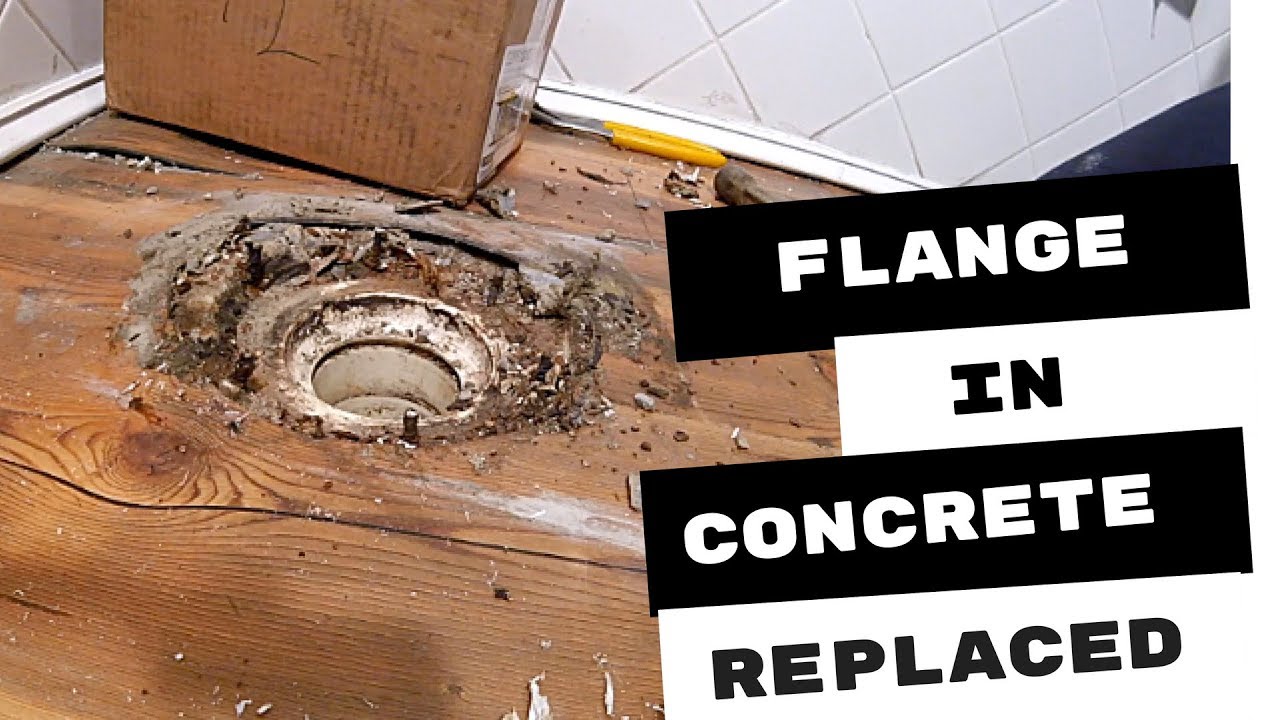
Credit: www.youtube.com
Signs Of A Broken Toilet Flange
Detecting a broken toilet flange early can save time and money. The flange connects the toilet to the drain pipe and secures it to the floor. A damaged flange causes leaks, wobbling, and bad smells. Knowing the signs helps you act quickly before the problem worsens.
Common Symptoms
A loose or wobbly toilet is a clear sign of flange damage. You may notice the toilet moves when you sit down. Water leaks around the base of the toilet. Foul sewer odors come from the floor near the toilet. Flange cracks or breaks can cause noisy gurgling when flushing. Water stains or damp spots may appear on the concrete floor.
Causes Of Damage
Flanges break due to age and wear. Heavy toilet movement stresses the flange bolts. Water leaks cause wood or concrete to weaken. Improper installation can lead to flange misalignment. Corrosion from moisture damages metal flanges. Dropping heavy objects on the toilet base can crack the flange. Shifting or settling of the concrete floor causes flange damage.
Credit: www.reddit.com
Tools And Materials Needed
Fixing a broken toilet flange in a concrete floor needs the right tools and materials. Having these ready makes the job easier and faster. This section lists the essentials you will need to complete the repair safely and effectively.
Essential Tools
- Hammer: For removing old flange parts and nails.
- Chisel: To help break concrete carefully around the flange.
- Drill with masonry bit: Needed to drill into concrete for new bolts.
- Wrench or socket set: To tighten flange bolts securely.
- Putty knife: Useful for cleaning old wax and debris.
- Measuring tape: To ensure correct placement of the new flange.
- Level: To check the flange sits flat and even.
- Safety gear: Gloves, goggles, and a dust mask for protection.
Recommended Materials
- Replacement toilet flange: Choose one that fits your toilet and pipe size.
- Concrete patch or quick-set cement: To fill any gaps after flange removal.
- Wax ring or wax-free seal: Ensures a watertight seal between toilet and flange.
- Flange bolts and screws: For securing the flange to the floor.
- Silicone caulk: To seal edges and prevent water leaks.
- Plastic flange spacer (optional): Helps adjust flange height if needed.
Preparing The Work Area
Preparing the work area is the first step to fix a broken toilet flange in a concrete floor. This step ensures safety and makes the repair easier. A clean, dry, and organized space helps you work faster and avoid mistakes.
Start by shutting off the water supply. Then, remove the toilet carefully. Finally, clean the floor around the flange area. Each step matters for a smooth repair process.
Shutting Off Water
Locate the water shut-off valve near the toilet. Turn the valve clockwise to stop water flow. Flush the toilet to empty the tank and bowl. Use a towel to soak up any leftover water. This prevents leaks during repair.
Removing The Toilet
Unscrew the nuts holding the toilet to the floor. Lift the toilet straight up to avoid damage. Place the toilet on an old towel or plastic sheet. Plug the drain hole with a rag to stop sewer gases.
Cleaning The Floor
Remove any old wax ring from the flange and floor. Scrape off dirt and debris with a putty knife. Sweep or vacuum the area to clear dust. Wipe the floor with a damp cloth and let it dry. A clean surface helps the new flange fit properly.
Assessing The Flange Damage
Assessing the flange damage is the first step in fixing a broken toilet flange on a concrete floor. This part connects the toilet to the drainpipe and holds it in place. If the flange is damaged, it can cause leaks or make the toilet unstable. Careful inspection helps decide the best way to fix it.
Checking For Cracks Or Breaks
Look closely at the flange for visible cracks or breaks. Small cracks might only affect the surface, but large breaks can weaken the whole flange. Check if any pieces have chipped off or if the flange feels loose. Also, inspect the screws and bolts for rust or damage. Any sign of wear can mean the flange needs attention.
Determining Repair Or Replacement
Decide if the flange can be repaired or must be replaced. Minor cracks or loose screws often allow simple repairs. Use epoxy or flange repair kits to fix small issues. If the flange is broken in several places or severely rusted, replacement is safer. A new flange ensures a tight seal and prevents future leaks. Consider the flange’s condition and the cost of repair versus replacement.
Removing The Old Flange
Removing the old toilet flange from a concrete floor requires care and the right tools. This step is crucial before installing a new flange. The flange connects the toilet to the drain pipe and holds it firmly to the floor. Over time, it can crack or break due to wear or shifting. Removing it involves detaching the flange from the drain pipe and breaking through the concrete surrounding it.
Detaching From The Drain Pipe
Start by turning off the water supply and emptying the toilet tank. Remove the toilet bowl carefully and set it aside. The old flange will be visible at the drain pipe opening. Use a wrench or screwdriver to remove any screws or bolts holding the flange in place. Some flanges are glued or sealed with putty, so gently pry it loose. Avoid damaging the drain pipe as you work. Check for any leftover wax rings or debris in the pipe and clear them out.
Breaking Through Concrete
To remove the flange fully, break the concrete around it. Use a hammer and chisel or a rotary hammer with a chisel bit for this task. Work slowly and carefully to avoid cracking the surrounding floor. Chip away the concrete until the flange is free. Clear away all pieces of concrete and dust. Make sure the area is clean before installing the new flange. This step ensures a solid, level base for the new flange to sit on.
Installing A New Flange
Installing a new toilet flange on a concrete floor is a key step in fixing a broken flange. The new flange connects the toilet to the drain pipe and holds it firmly in place. Proper installation ensures no leaks and keeps the toilet stable for years.
Choosing The Right Flange Type
Select a flange that fits the drain pipe size exactly. Most home toilets use a 3 or 4-inch flange. Look for a flange made of durable materials like PVC or cast iron. PVC is easier to work with and resists rust. The flange must match the height of the finished floor. Too high or low can cause leaks or instability.
Securing To The Concrete Floor
Place the flange over the drain pipe and position it flat on the floor. Mark the bolt holes on the concrete. Drill holes using a masonry bit for strong anchors. Use concrete screws or anchors to fasten the flange tightly. Double-check the flange is level and stable before sealing. Secure mounting prevents movement and pipe damage.
Sealing And Securing
Sealing and securing the toilet flange is a key step in fixing it on a concrete floor. This process stops leaks and keeps the flange stable. A strong seal prevents water damage to your floor and walls. Proper securing helps the toilet stay firmly in place during use.
Applying Sealants
Start by cleaning the flange and the surrounding concrete. Use a sealant made for plumbing to fill gaps around the flange. Apply the sealant evenly to stop water from seeping through cracks. Let the sealant dry fully before moving to the next step. Avoid using too much sealant as it can cause uneven seating of the flange.
Ensuring A Tight Fit
Place the flange carefully onto the sealed area. Press down to create a tight bond with the concrete floor. Use screws designed for concrete to fix the flange in place. Tighten screws evenly to avoid cracking the flange. Check for any movement by gently rocking the flange. A tight fit means less chance of leaks and wobbling.
Reinstalling The Toilet
Reinstalling the toilet is the final step after fixing the broken flange. It needs care to avoid leaks and ensure stability. Proper positioning and secure bolting hold the toilet firmly in place.
Positioning And Bolting
Place the toilet over the flange carefully. Align the holes on the toilet base with the bolts on the flange. Press down firmly to compress the wax ring and seal the connection.
Use washers and nuts to secure the toilet. Tighten bolts evenly on both sides to avoid cracks. Stop tightening once the toilet feels stable. Over-tightening can break the porcelain.
Testing For Leaks
Turn on the water supply slowly. Flush the toilet several times. Check around the base for any water leaks or dampness. A dry area means a good seal.
Check the water tank and supply line for leaks too. Tighten connections if needed. Fix any leaks before finishing the job.
Maintenance Tips To Prevent Future Damage
Preventing future damage to a toilet flange in a concrete floor requires simple care steps. These tips help keep the flange strong and avoid costly repairs. Consistent maintenance saves time and money over years. Focus on checking the flange and using the toilet correctly. Small actions make a big difference.
Regular Inspections
Check the toilet flange every few months. Look for cracks, loose bolts, or signs of water damage. Early signs may include wobbling toilets or bad smells. Tighten bolts if loose. Replace worn parts quickly. Catching problems early stops bigger damage later.
Proper Usage Practices
Use the toilet gently. Avoid standing or putting heavy weight on the seat. Do not flush items other than toilet paper. Hard objects can damage the flange or pipes. Keep the area around the toilet dry to prevent water damage. These habits protect the flange and extend its life.

Credit: www.reddit.com
Frequently Asked Questions
What Is A Toilet Flange And Why Is It Important?
A toilet flange connects the toilet to the drain pipe. It also holds the toilet firmly to the floor. Without a good flange, leaks and wobbling happen.
How Do I Know If My Toilet Flange Is Broken?
Look for signs like a loose toilet, water leaks, or bad smells. Cracks or rust on the flange are clear damage signs. Wobbling when you sit also indicates flange issues.
Can I Fix A Broken Toilet Flange On A Concrete Floor?
Yes, fixing is possible with the right tools and steps. You may need to remove the toilet and repair or replace the flange. Concrete may require extra care during repair.
What Tools Do I Need To Repair A Toilet Flange In Concrete?
You need a wrench, screwdriver, putty knife, wax ring, flange repair kit, and possibly a concrete drill. Safety gloves and goggles help protect you. Make sure to have a good sealant too.
How Long Does It Take To Fix A Broken Toilet Flange?
Most repairs take between one to three hours. Time varies based on damage and your experience level. Allow extra time for drying if using adhesives.
Can I Replace A Toilet Flange Myself Or Need A Plumber?
DIY is possible for small fixes if you follow instructions carefully. Major damage or plumbing issues should be handled by a plumber. Safety and proper sealing are important.
What Is The Cost To Replace A Toilet Flange In Concrete?
Costs vary but usually range from $50 to $150 for parts. Hiring a plumber may add $100 to $300 for labor. DIY saves money but needs time and skill.
How Do I Prevent Future Toilet Flange Damage?
Avoid harsh chemicals and heavy impacts near the toilet base. Regularly check for leaks and tighten bolts. Proper installation and using quality parts help prevent damage.
Can A Broken Toilet Flange Cause Sewer Gas Leaks?
Yes, a damaged flange can let sewer gases enter your home. This causes bad smells and health risks. Fixing the flange stops gas leaks and improves safety.
What Is The Best Material For A Toilet Flange On Concrete Floors?
PVC and cast iron are common flange materials for concrete floors. PVC is easier to work with and resists rust. Choose a flange that fits your drain pipe size and floor type.
Conclusion
Fixing a broken toilet flange in a concrete floor is doable with the right steps. Take your time and follow instructions carefully. Use the proper tools and materials to ensure a strong repair. A secure flange keeps your toilet stable and prevents leaks.
Regular checks can help catch problems early. This repair saves money and avoids bigger issues later. Stay patient and confident during the process. Soon, your toilet will work properly again without worry.