
Is your shower curtain rod constantly falling down, turning a simple shower into a frustrating mess? You’re not alone, and the good news is, fixing it is easier than you think.
Imagine stepping into your bathroom without worrying about the curtain crashing on you every time you move. You’ll discover practical, quick tips to stop that rod from slipping, so your shower stays neat and hassle-free. Keep reading, and you’ll have your bathroom back in perfect shape before you know it.
Common Causes Of A Falling Shower Rod
A shower curtain rod that keeps falling can be frustrating. Understanding why it falls helps fix it for good. Several common causes lead to a loose or dropped rod. Checking each cause saves time and effort. Let’s explore the main reasons behind a falling shower curtain rod.
Loose Mounting Brackets
Mounting brackets hold the rod to the wall. If they are loose, the rod will fall easily. Brackets can loosen over time or from poor installation. Tightening screws or replacing brackets often solves this problem. Secure brackets keep the rod steady and safe.
Inadequate Tension
Tension rods rely on pressure between walls to stay up. If the tension is too low, the rod slips down. Walls that are uneven or slippery cause tension loss. Adjusting the rod to fit snugly or adding rubber grips helps. Proper tension stops the rod from falling.
Improper Installation
Incorrect installation causes many rod problems. Installing the rod at a wrong angle or height weakens support. Using the wrong tools or materials also affects stability. Following the instructions carefully ensures a secure fit. Proper installation prevents future falls and damage.
Damaged Rod Or Wall Anchors
Damage to the rod or wall anchors reduces strength. Rust, bends, or cracks in the rod lead to failure. Wall anchors that are broken or loose cannot hold weight. Inspecting and replacing damaged parts restores support. Strong, undamaged parts keep the rod in place.
Tools And Materials Needed
Fixing a shower curtain rod that keeps falling requires the right tools and materials. Having everything ready makes the repair easier and faster. Use tools that suit your skill level and the type of rod you have. Gather all parts before starting the work.
Basic Repair Tools
You will need a screwdriver, either flathead or Phillips. A drill helps if you must make new holes. A measuring tape ensures the rod fits well. A level checks that the rod is straight. Pliers can help remove old anchors or tighten parts.
Replacement Parts
Sometimes the rod itself is damaged and needs replacing. Buy a rod that matches your shower size. You may need new brackets or end caps. Look for parts made of rust-resistant materials. This keeps the rod strong and long-lasting.
Adhesives And Anchors
Wall anchors hold the rod firmly in place. Choose anchors suited for your wall type, like drywall or tile. Strong adhesive strips can work for light rods. Use waterproof glue for extra hold in humid areas. Proper anchors prevent the rod from falling again.
Quick Fixes For Tension Rods
Quick fixes for tension rods can save time and effort. These rods fall often due to low tension or poor grip. Small adjustments can keep your shower curtain rod in place. Try these simple steps before buying a new rod.
Adjusting The Tension
Twist the rod to increase tension. Turn it clockwise to extend and tighten. Make sure the rod fits snugly between the walls. Too loose means it will fall again. Too tight can damage walls or the rod.
Using Rubber Pads For Grip
Place rubber pads where the rod touches the wall. These pads add extra grip and prevent slipping. Use rubber shelf liners or cut pieces from a rubber mat. The pads also protect your walls from scratches.
Cleaning Mounting Surfaces
Wipe the wall area where the rod rests. Dirt, soap, and moisture reduce grip. Use a damp cloth and mild cleaner. Dry the area completely before reinstalling the rod. Clean surfaces help the rod stay put longer.

Credit: www.youtube.com
Securing Mounted Shower Rods
Securing a mounted shower rod is key to stopping it from falling. A loose rod can cause water to splash outside the tub and create a mess. Fixing it keeps your bathroom neat and safe. Three main steps help secure the rod: tightening screws and brackets, replacing wall anchors, and repositioning the rod.
Tightening Screws And Brackets
Check all screws holding the rod brackets. Use a screwdriver to tighten any loose screws. Loose screws let the brackets wobble, causing the rod to fall. Tight screws keep the rod firmly in place. Make sure to tighten both the top and bottom screws on each bracket for the best hold.
Replacing Wall Anchors
Wall anchors support the screws in drywall or tile. Old anchors may weaken and fail. Remove the rod and brackets. Pull out the old anchors carefully. Insert new anchors designed for bathroom walls. These provide a stronger grip for the screws. Secure the brackets back onto the wall using the new anchors.
Repositioning The Rod
Sometimes the rod rests on a weak or uneven spot. Move the rod brackets to a new location. Choose a solid wall area or studs if possible. Use a stud finder to locate strong points behind the wall. Reinstall the brackets and rod in the new spots. This improves stability and stops the rod from falling again.
Permanent Solutions For Stability
Permanent solutions for a falling shower curtain rod improve safety and function. These fixes stop the rod from slipping or dropping. They make your bathroom look neat and organized. Strong support and good materials keep the rod stable for a long time.
Installing New Mounting Hardware
Old mounting hardware can wear out or break. Replace it with strong brackets and screws. Use a drill to fix them into the wall studs. This creates a firm hold for your shower rod. Check that the brackets are level before tightening screws. Solid mounts prevent the rod from moving or falling.
Using Adhesive Hooks
Adhesive hooks offer a no-drill option for mounting rods. Choose hooks rated for bathroom use and weight capacity. Clean the wall surface well before sticking the hooks. Press firmly and let the adhesive cure for 24 hours. Attach the rod ends to the hooks for added stability. This method works best on smooth, dry walls.
Switching To A Curved Rod
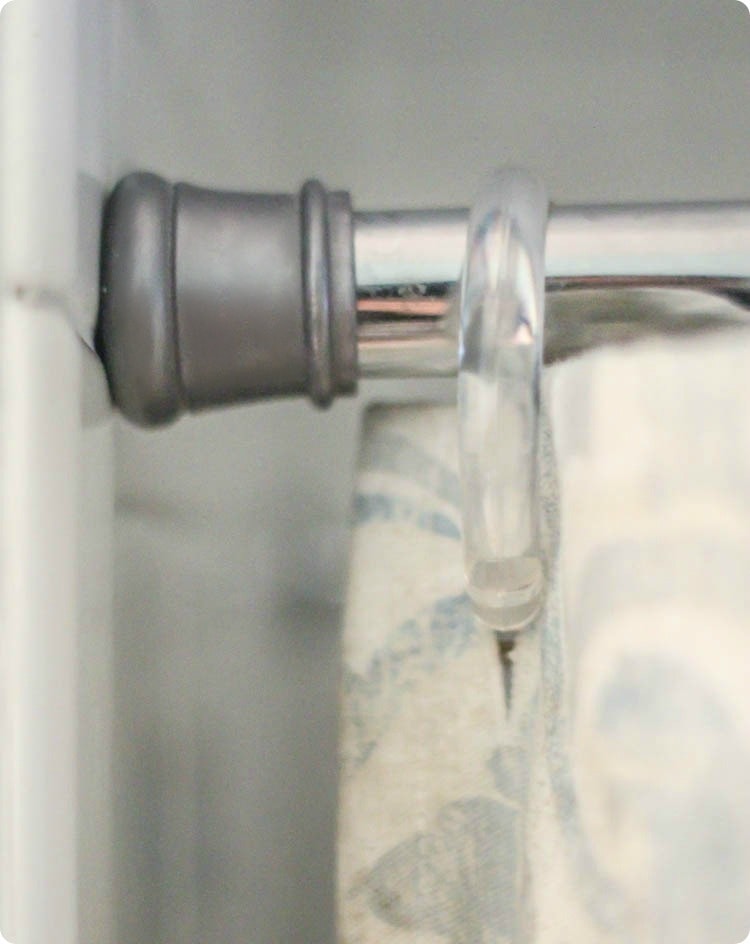
A curved shower rod gives extra space inside the shower. It also adds strength because of its shape. The curve reduces pressure on the mounts. Many curved rods come with heavy-duty mounting systems. These rods stay in place better than straight rods. Choose a sturdy material like stainless steel or aluminum for durability.
Credit: www.lovelyetc.com
Preventive Tips To Avoid Future Falls
Preventing a shower curtain rod from falling saves time and stress. Simple steps can keep your rod secure and sturdy. Focus on regular care, smart choices, and correct setup. These help avoid future falls and keep your bathroom safe and neat.
Regular Maintenance Checks
Check your shower curtain rod often. Look for signs of wear or looseness. Tighten screws or brackets as needed. Wipe the rod to remove soap or water buildup. This prevents slipping and rust. Regular care extends the rod’s life and keeps it steady.
Choosing The Right Rod Type
Pick a rod that fits your shower space well. Tension rods work for small spaces but need strong walls. Fixed rods with brackets hold better in most bathrooms. Metal rods resist bending better than plastic ones. A strong rod suits your shower size and wall type best.
Proper Installation Techniques
Follow the instructions carefully when installing the rod. Use a level to make sure it is straight. Secure brackets firmly into studs or use anchors for drywall. Avoid placing too much weight on the rod. Proper installation ensures the rod stays in place longer.

Credit: www.youtube.com
Frequently Asked Questions
Why Does My Shower Curtain Rod Keep Falling Down?
A loose or weak rod cannot hold the curtain’s weight well. Poor installation or wall damage often causes it to fall.
How Can I Fix A Loose Shower Curtain Rod?
Tighten the rod’s tension or screws for better grip. Use wall anchors or adhesive hooks if needed for extra support.
What Tools Do I Need To Fix A Falling Shower Rod?
A screwdriver, wall anchors, a drill, and measuring tape help. These tools ensure the rod is secure and properly aligned.
Can I Use Adhesive Hooks To Support The Rod?
Yes, strong adhesive hooks can hold light rods. Make sure the wall surface is clean and dry before applying.
Should I Replace A Spring Tension Rod If It Falls?
Replacing helps if the rod is bent or worn out. A new rod will hold the curtain better and last longer.
How Do I Check If The Wall Can Hold The Rod?
Tap the wall gently to find solid spots. Avoid drywall alone; use studs or anchors for strong support.
What Types Of Shower Rods Are Less Likely To Fall?
Fixed rods with mounting brackets are more stable. Tension rods may fail if not properly adjusted or if too weak.
How Do I Prevent My Shower Rod From Slipping?
Use rubber end caps or grip pads on rod ends. These increase friction and keep the rod from sliding down.
Can Water Or Steam Cause The Rod To Fall?
Yes, moisture weakens some rods and wall attachments. Use rust-resistant rods and secure mounts to withstand humidity.
When Should I Call A Professional To Fix The Rod?
Hire help if walls are damaged or complex drilling is needed. Professionals ensure safe and secure installation without damage.
Conclusion
Fixing a shower curtain rod that falls is easier than it seems. Tighten screws or replace worn parts to keep it steady. Use proper tools and check the wall for damage. A secure rod stops water from spilling onto the floor.
Small efforts bring big changes to your bathroom. Now you can enjoy a safer, cleaner shower space every day. Don’t let a loose rod ruin your routine. Take action and fix it today.