
When figuring out how often to replace bike helmet gear, plan on replacing it under regular dry-weather riding, or immediately after any crash. Waiting too long leaves the foam stiff and brittle from sweat and UV rays. If you drop it hard onto concrete, swap it out right away even if it looks fine outside.
When to replace your bike helmet
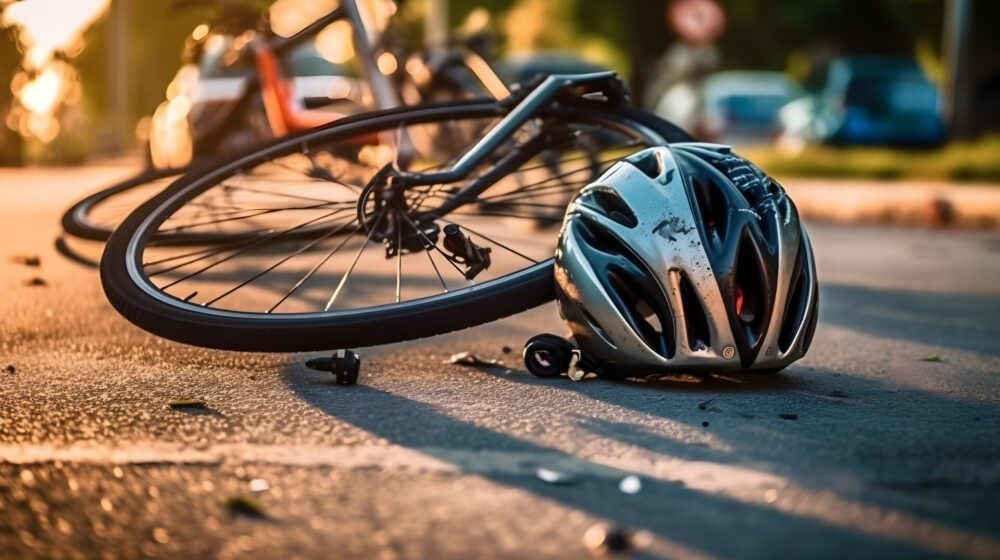
What happens if you skip it
Old helmets lose their ability to cushion your head during a direct hit. First, sweat salts and hair oils seep into the chin straps and forehead padding within your first six months of steady use. That causes the fabric to stiffen, which makes getting a tight, secure fit much harder on your rides.
After a few years, sunlight breaks down the thin polycarbonate outer shell. The plastic fades, shrinks, and begins pulling away from the thick expanded polystyrene (EPS) foam liner underneath. The Consumer Product Safety Commission bicycle safety guidance confirms that a helmet can’t protect you properly once the impact-absorbing materials degrade or suffer structural damage.
A common mistake riders make is assuming an intact outer shell means the core is safe; this error costs them critical head protection when the rigid core transfers the impact straight into the skull.
The signs it’s overdue
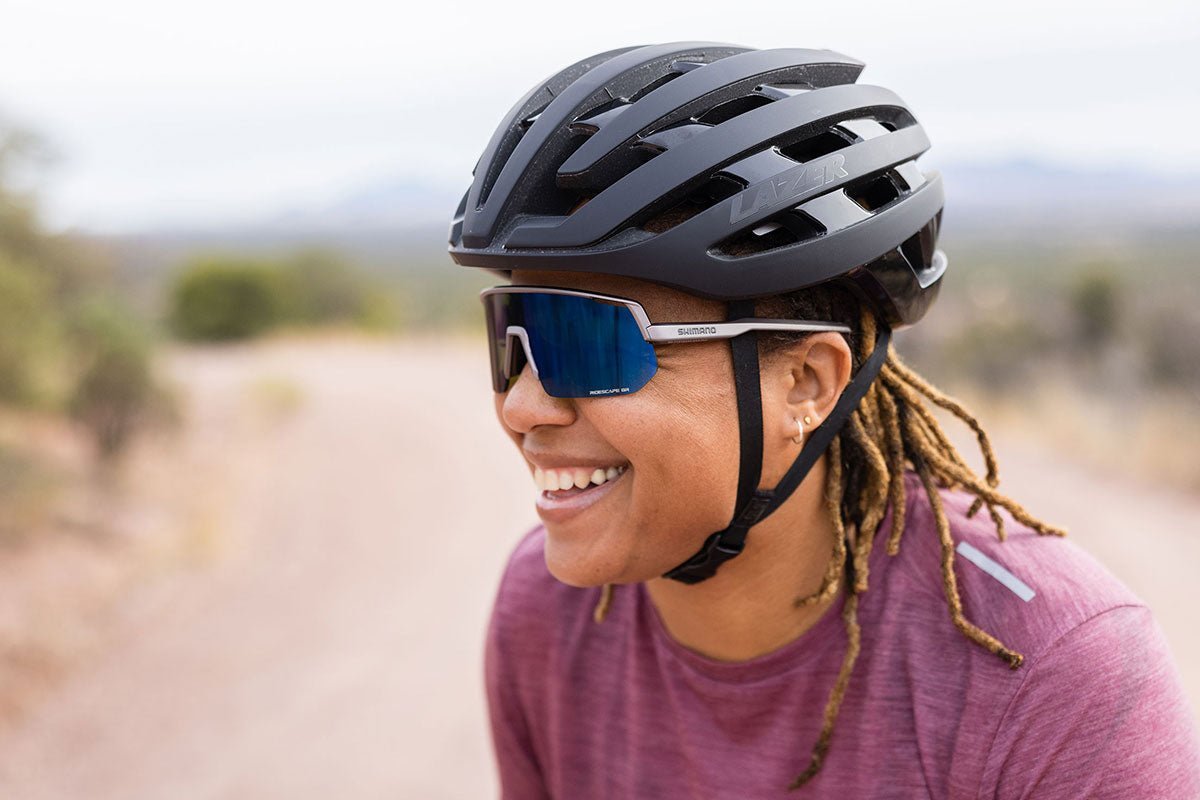
- Small indentation marks on the interior foam show that the shock-absorbing core has crushed permanently.
- Faded, chalky shell colors indicate that sun exposure has degraded the outer protective plastic shield.
- Frayed or torn chin webbing prevents the retention straps from holding the unit firmly during an impact.
- The rear size adjustment dial slips backward when you pull lightly on the front rim.
- A loose fit that wobbles even after full tightening shows the retention basket has stretched out.
- The manufacturing date sticker hidden on the inner foam surface is older than five years.
What it takes each time
Replacing your lid takes about twenty minutes of trying on sizes and requires no tools at all. You just need a flexible tape measure to check your head circumference just above the eyebrows. This guide isn’t for downhill mountain bike racers using full-face modular carbon shells, since those follow different downhill safety ratings. The trade-off comes down to cost versus comfort: cheap options meet the exact same safety standards as expensive ones, but pricier models give you better airflow and lighter materials. If the tape reads fifty-six centimeters, pick a medium size; if it measures fifty-nine centimeters, step up to a large shell. This varies by model — check the label on the box to confirm exact sizing boundaries before you buy. You only need to purchase a single replacement unit to stay safe.
How to go longer between times
- Store your gear inside a dark closet instead of a hot car trunk, because trapped heat softens the foam core.
- Wash sweat away with mild dish soap and cool water, since salt crystals slowly eat through strap fibers.
- Hang the lid by its straps rather than resting it on rough surfaces that can dent the underside foam.
- Keep insect repelled sprays away from the shell, because common bug spray chemicals melt polycarbonate plastic.
Frequently asked questions

Can I use a bike helmet after a crash?
No, you must discard the gear immediately after any accident. The internal foam crushes once to absorb energy during an impact, and it doesn’t spring back into shape afterward.
Does it matter if I drop my helmet on concrete?
Yes, dropping it from waist height onto concrete can cause unseen hairline cracks inside the foam. If the shell shows a deep scrape or flat spot, replace it before your next ride.
Is it safe to buy a used bike helmet?
No, never purchase secondhand protective gear from thrift stores or online sellers. You can’t verify whether the previous owner crashed in it, dropped it, or stored it near damaging chemicals.
How long does an unused helmet last in its box?
As it ages if you store it in a cool, dark room away from heat sources. Even without active sweat exposure, ambient air moisture and temperature shifts will slowly age the materials over time.
Why do bike helmets expire if not damaged?
Sweat, cleaning detergents, and sunlight slowly break down the glues and EPS liner over several years. This natural wear reduces the foam’s ability to crush safely when you crash on the road.
What happens if the inner pads wear out?
You can buy replacement padding kits online to restore your comfort without buying a new shell. If the underlying foam or tightening straps are damaged, however, you must replace the whole unit.
What to do next
Peel back the fabric comfort pads today and read the four-digit manufacturing date printed on the white factory sticker inside the foam. A visible date under five years confirms your gear is safe to ride, provided the foam shows no cracks or loose pieces. Stop using the helmet immediately and purchase a replacement if the EPS foam feels brittle or the outer plastic has started separating.
Related guides