
To cut a bike cable lock safely, use manual bolt cutters directly across the braided steel strands.
Understanding how your bike cable lock fails
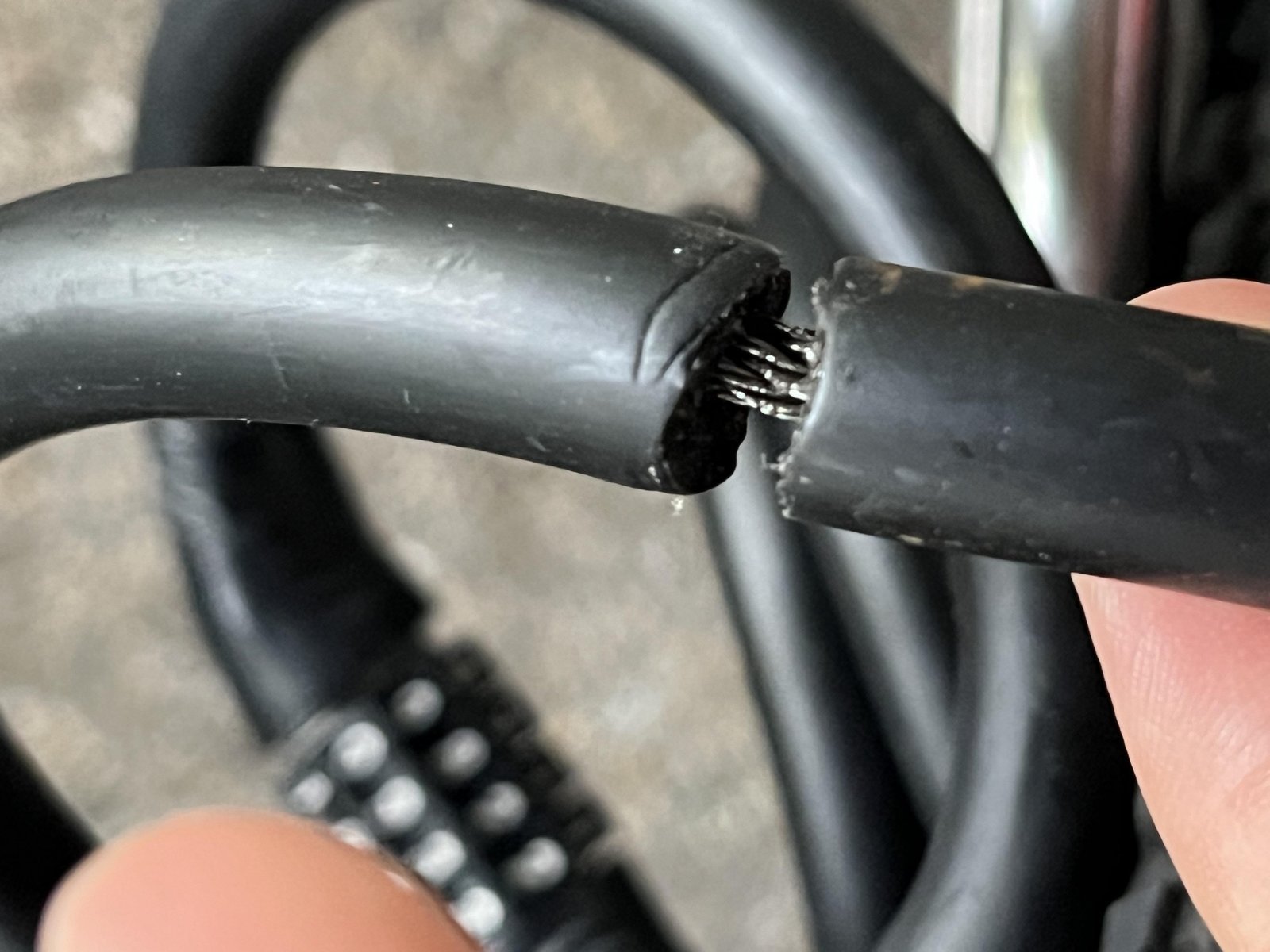
Bike locks fail to open for simple physical reasons. Dirt, road salt, and water slip inside the keyhole over months of outdoor parking. This grit jams the brass tumblers, so the key won’t turn. In cold weather, moisture inside the cylinder freezes solid and locks the mechanism shut.
Combination locks fail when their internal spring rings slip out of alignment. If you drop the lock on concrete or force the dials when they feel stiff, the plastic internal teeth can snap. Once those teeth break, entering the correct code won’t retract the locking pin anymore. Braided steel cables also unravel internally if pulled too hard, which jams the cable tip inside the lock housing.
Snip strands with bolt cutters
This method works best for standard braided cables up to half an inch thick when you’ve lost your key. You’ll need an 18-inch or 24-inch set of manual bolt cutters. Put on heavy work gloves and safety glasses because cut steel wires fray and snap outward with sharp force.
First, use a utility knife to slice away two inches of the outer vinyl coating. If you don’t strip the plastic first, the rubbery sleeve cushions the metal jaws, and the blades won’t bite into the steel. Rest one handle of the bolt cutters firmly against the ground. Place the bare steel cable deep inside the cutter jaws, as close to the hinge pivot as possible. Lean your upper body weight onto the top handle to close the jaws. The blades crush and shear the wire bundle cleanly.
Saw through with a hacksaw
A hacksaw is the right choice if you don’t own bolt cutters or need to work in a tight space where long handles won’t fit. You need a standard 12-inch hacksaw frame fitted with a 24-tooth or 32-tooth per inch bi-metal blade made for hard metal.
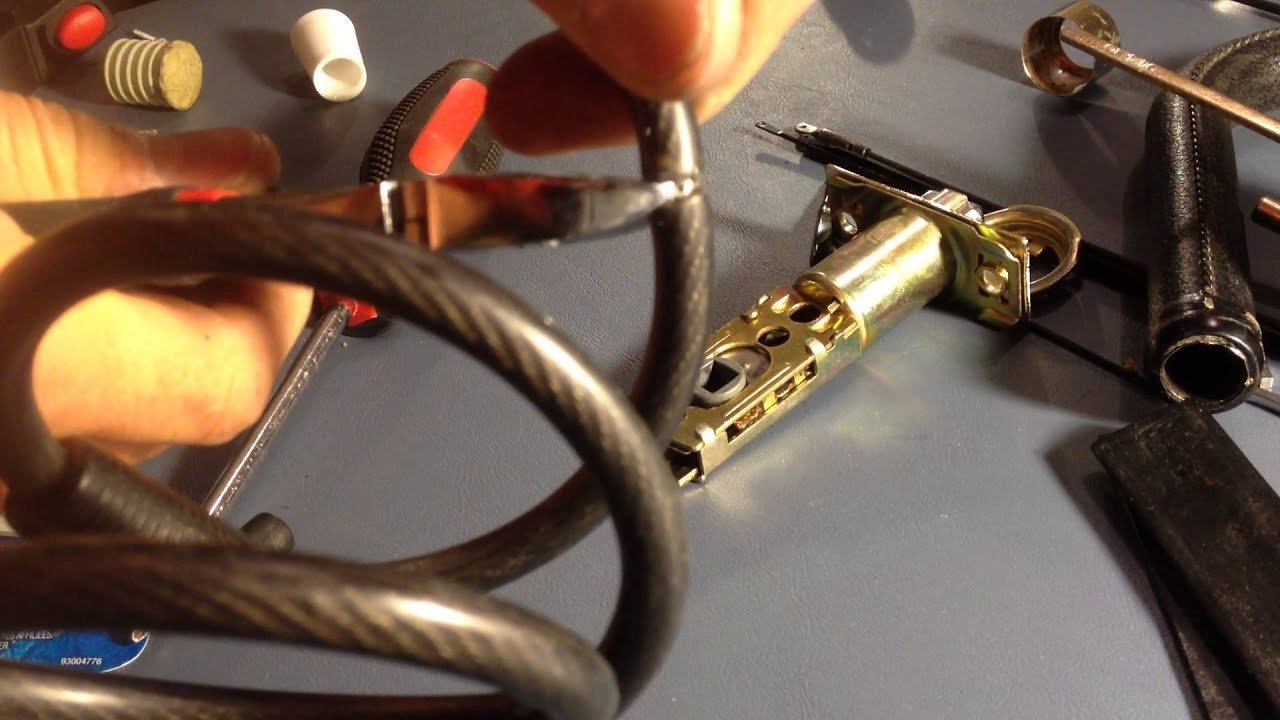
Clamp the cable steady with locking pliers so it doesn’t twist while you cut. Score through the vinyl jacket first with your knife to expose the metal. Set the saw blade against the steel wires. Push forward with steady, firm pressure, using full strokes along the entire blade length. Hacksaw blades only cut on the forward stroke, so ease your downward pressure slightly on the backstroke. You’ll feel individual wire strands snap one after another. Cutting takes roughly two to five minutes of steady sawing. The cable drops free once the core separates.
Grind the steel with an angle grinder
Power tools solve the hardest cases, such as thick, armored cables that feature rotating steel shells over a central wire core. An angle grinder is loud, throws hot sparks, and can chew into your bicycle frame if your hands slip. This option isn’t for crowded public spaces or anyone without experience handling high-speed rotating tools.
Fit a 4.5-inch angle grinder with a 1/16-inch thick metal cut-off wheel rated for steel. Always wear full eye protection, heavy gloves, and earplugs. Secure the cable away from your bike’s paint using a bungee cord or clamp. Run the tool up to full speed before touching the metal. Touch the cutting edge lightly to the cable at a ninety-degree angle, letting the tool’s speed do the work without forcing it. A spinning wheel slices a thick cable in under thirty seconds.
What not to do
- Don’t try cutting braided steel with regular household wire strippers or kitchen shears. These small tools lack hardened jaws, so the tough steel will dent the blades and ruin the tool instantly.
- Don’t hit the locking cylinder with a standard hammer. Cable lock bodies absorb blunt impacts, and missed swings will dent your bike frame or bend wheel spokes.
- Don’t pour boiling water over a stuck lock cylinder unless it’s frozen. If dirt caused the jam instead of ice, boiling water washes grit deeper into the tumblers and makes removal harder.
- Don’t apply open flames from a lighter or blowtorch to the cable. The vinyl melts into toxic, dripping plastic, but the steel core underneath won’t melt at those low temperatures.
How to stop it happening again
Good hardware choices prevent the headache of cutting yourself free in the future.
| If you’re doing this | Do this instead | Why |
|---|---|---|
| Using a thin cable as your primary lock | Buy a hardened steel U-lock | Thieves cut standard cables in seconds with small, pocket-sized shears |
| Letting the key cylinder sit dry | Spray lock graphite every few months | Wet oils attract road grime, while dry graphite lubricates tumblers cleanly |
| Leaving your bike out in heavy rain | Cover the lock cylinder with its dust flap | Keeping water out prevents rust and stops freezing in winter months |
| Forcing a sticky lock dial by hand | Tap the housing lightly while turning | Forcing jammed dials strips the small internal gears permanently |
| Guessing combinations when dials slip | Write the code in your phone notes | Dialing random numbers wastes hours and jams the internal reset pins |
For true outdoor security, consider the lock standards tested by the Sold Secure bike testing program, which rates bicycle security products by how many minutes they resist manual attack.
Frequently asked questions
Can you cut a bike cable lock with wire cutters?
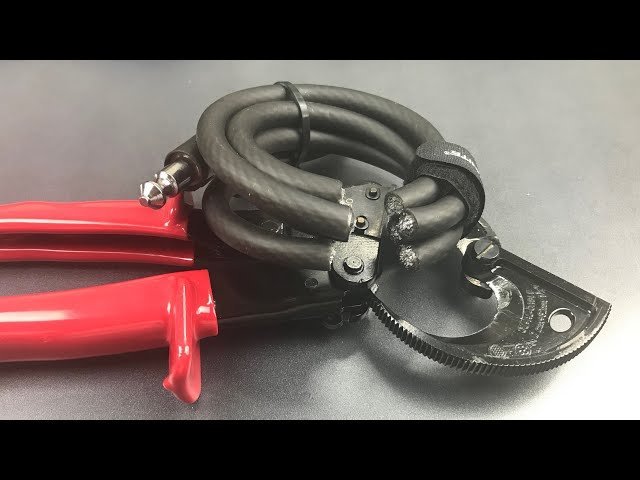
No. Standard household wire cutters have small, soft jaws designed for soft copper. The braided high-tensile steel in bike cables will dent household blades immediately. Cutting a steel cable cleanly requires hardened drop-forged jaws, like those found on proper bolt cutters or dedicated wire-rope shears.
How long does it take to cut a cable lock?
Cutting takes about five seconds with an 18-inch bolt cutter on standard cables. If you use a manual hacksaw, expect it to take between two and five minutes of hard sawing. A cordless angle grinder cuts through even the thickest armored cable in roughly twenty to thirty seconds.
Will vinegar dissolve a rusted bike lock?
No. Soaking a lock in vinegar dissolves light surface rust over twenty-four hours, but it won’t free a completely seized lock cylinder stuck outdoors. Vinegar is an acid that strips protective coatings, which actually speeds up future metal corrosion once the parts dry out.
Can police cut my lock if I lose the key?
No. Campus security or city police officers won’t cut locks for you on the street unless you provide indisputable proof of ownership. You need a store purchase receipt, a matching frame serial number registration, or clear photographs of yourself with the bicycle before authority figures will assist.
What happens if I cut through an armored cable?
Armored cables have hollow, hardened steel cylinders overlapping a standard inner wire rope. A regular bolt cutter will flatten and bind against the outer steel rings instead of shearing them. You must use an angle grinder or cut between the outer steel sleeves using a thin hacksaw blade.
Final Thoughts
Once you’ve freed your bike, take a moment to inspect the frame for any accidental scratches from the metal edges. It’s a good idea to invest in a heavy-duty U-lock next time, as they’re much harder for thieves to bypass. You’ll definitely feel more secure leaving your ride out in public.