
Why A Legal Binder Matters
A legal binder is more than just a folder. It is your legal command center. It keeps important papers safe. It helps you stay in control. You will feel more confident. It makes difficult times easier.
Control Your Legal Documents
Your legal documents are vital. You need them organized. A binder brings order. Find what you need fast. No more frantic searching. It gives you peace of mind. You are in charge.
Save Time And Reduce Stress
Legal issues cause stress. Disorganization adds to it. A binder simplifies things. You find papers quickly. This saves precious time. Less stress means clearer thinking. You can focus on what matters.
Be Prepared For Meetings
Lawyers need your papers. You will have meetings. Bring your binder. Everything is in one place. You look organized. You seem prepared. This impresses professionals. It helps your case.
Protect Your Rights
Legal documents protect you. They are your rights. Keep them safe and sound. A binder prevents loss. It stops damage too. Your rights are secure. This is very important.
Choosing Your Binder
Choosing the right binder is your first step. It sets the stage. A good binder keeps things tidy. It protects important papers. This choice matters for your legal documents.
Size And Capacity
Think about how many pages you have. Small binders hold fewer pages. Large binders hold more. You need space for everything. Too small is a problem. Too big can be bulky. Consider future additions too. Select a size that fits your needs.
Material And Durability
Your binder needs to last. Look for strong materials. Plastic binders are common. Some have reinforced edges. Cardboard binders are less durable. They can get damaged easily. Choose a binder that withstands wear. Protect your important files.
Features To Look For
Check the ring mechanism. Are the rings strong? Do they close securely? Consider pockets inside. They hold loose papers. Labels help you find things. Clear covers display your title. Look for easy-to-use features. These make organizing simpler.
Essential Legal Documents
Your legal binder needs important papers. These are essential legal documents. They protect you and your family. Keeping them organized is vital. This section covers key document types.
Personal Identification
Include your driver’s license. Keep your passport safe. Social Security cards belong here. Birth certificates are crucial. Marriage certificates are also key. These prove who you are.
Financial Records
Gather bank statements. Store tax returns. Keep investment records. Include loan documents. Credit card statements are important. These show your financial status.
Medical Information
Store insurance cards. Keep prescription lists. Include medical history. Doctor’s contact details go here. Hospital records are useful. This helps manage your health.
Property Deeds
Put your home deed here. Include vehicle titles. Store any property titles. These prove ownership. Keep them in a safe place.
Estate Planning Documents
Your will is essential. Include power of attorney. Advance healthcare directives fit here. These plans guide decisions. They protect your wishes.
Important Contacts
List your lawyer’s name. Include your doctor’s number. Keep emergency contacts listed. Your accountant’s details go here. Neighbors’ contacts are helpful. These people offer support.
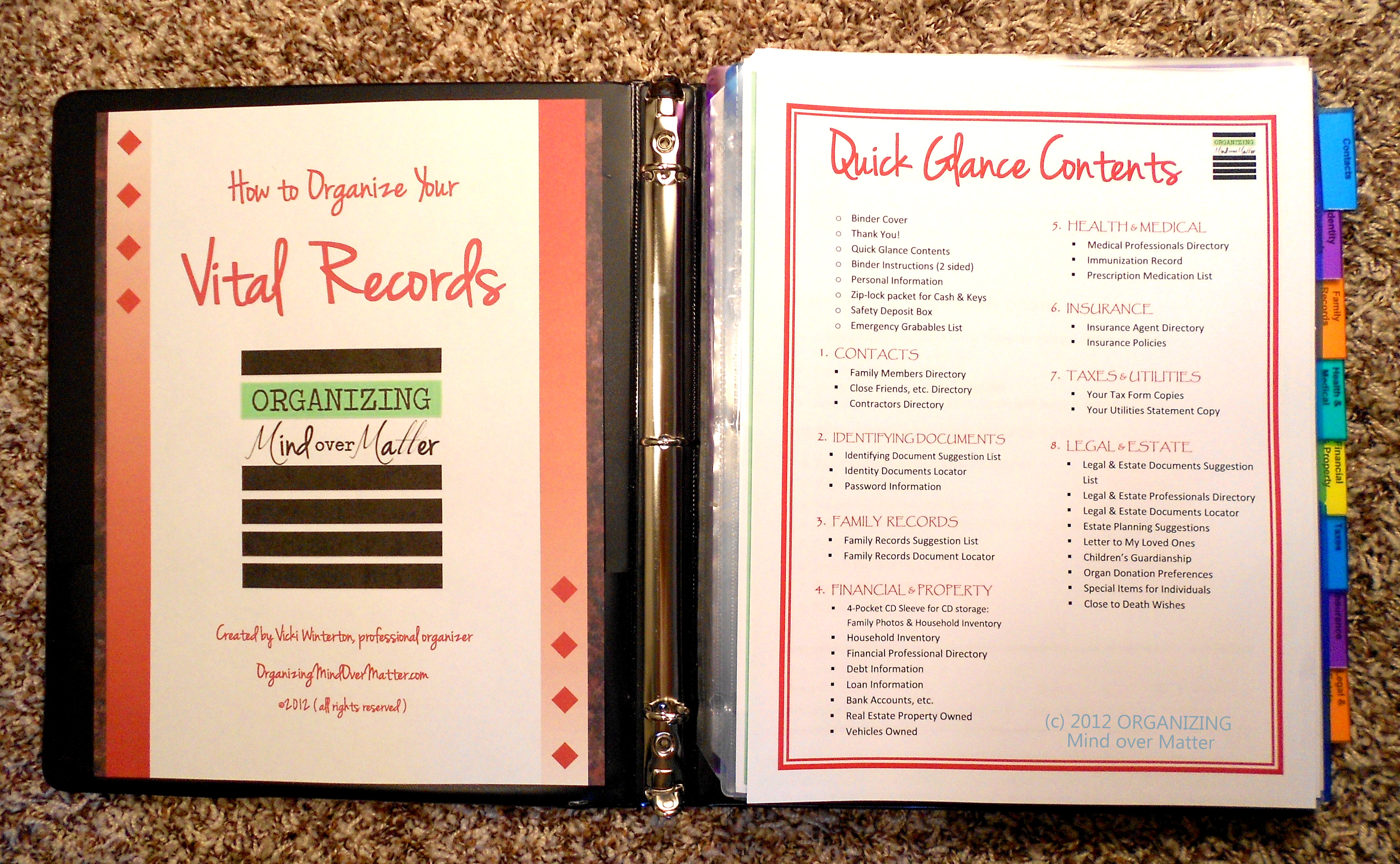
Credit: www.organize-utah.com
Sectioning Your Binder
Organizing your legal binder starts with clear sections. Divide your binder logically. Use dividers for different case aspects. This makes finding information fast.
Organizing your legal binder is crucial. Clear sections make finding documents easy. This saves you time and reduces stress. A well-sectioned binder is a powerful tool. It keeps your important papers in order.Creating Clear Categories
Think about your legal needs. Group similar documents together. Common categories include contracts, correspondence, and court filings. You might also need sections for evidence or financial records. Keep categories broad but distinct. This prevents confusion later.Using Dividers And Labels
Invest in good quality dividers. They help separate your sections. Use clear, bold labels for each divider. Write labels neatly. You can use a label maker. Make sure labels are easy to read. Color-coding can also help. Assign a color to each section type.Logical Flow Of Information
Arrange your sections logically. Start with the most important documents. A chronological order often works well. Place newer documents at the front of each section. This helps you see recent updates. Your binder should tell a story. It should be easy to follow. This structure makes information accessible.Document Organization Techniques
Organize your legal binder. Use dividers for sections. Label them clearly. Keep documents in order. This makes finding information easy.
Organizing your legal documents is crucial. It saves time and reduces stress. You can find what you need quickly. Several methods work well. Choose the one that fits your case best. This section explores popular techniques.Chronological Order
Put papers in date order. Start with the oldest document. End with the newest one. This method shows the timeline. It helps track events easily. It’s great for case progression.
Alphabetical Order
Sort documents by name. Use the last name first. For businesses, use the company name. This system works for many parties. It’s simple to find specific files. It’s good for large amounts of data.
By Document Type
Group similar papers together. Think about categories. You might have contracts. You could have court filings. Letters form another group. This makes sections clear. It’s easy to locate a specific kind of paper.
Protecting Your Information
Your legal binder holds sensitive data. Protecting this information is crucial. It safeguards your privacy. It prevents unauthorized access. Secure your legal documents diligently.
Physical Security
Keep your binder in a safe place. A locked cabinet is ideal. Store it in your home. Avoid public or shared spaces. Consider a fireproof safe. This offers extra protection. Secure it from theft. Protect it from damage.
Digital Backups
Scan important documents. Save them to a secure cloud. Use strong passwords. Enable two-factor authentication. This adds a layer of security. Keep backups updated regularly. Never rely on one copy. Digital backups offer peace of mind. They ensure accessibility.
Confidentiality
Treat all information as private. Do not share it casually. Discuss sensitive matters privately. Limit who sees your binder. Inform family members about security. They must understand its importance. Respect your own privacy. Maintain strict confidentiality always.
Maintaining Your Binder
Your legal binder is a living document. It needs care. Regular maintenance keeps it useful. This section guides you. Keep your binder organized. It saves you stress. It saves you time.
Regular Updates
Update your binder often. Schedule this task. Make it a habit. Outdated information is bad. Keep everything current. This prevents confusion. It ensures accuracy.
Reviewing Contents
Look through your binder. Do this periodically. Check each section. Are documents still relevant? Remove old, unneeded papers. This declutters your binder. It makes finding things easier. You see only what matters.
Adding New Documents
New papers arrive always. Deal with them right away. File them in the correct place. Use your established system. Do not let them pile up. A tidy binder is a happy binder. Find what you need fast.

Credit: detoxtorehab.com
Who Else Needs Access?
Your legal binder is important. It holds vital information. Think about who else needs it. Sharing access ensures preparedness. It offers peace of mind. Consider your loved ones. Think about your legal team.
Family Members
Your family might need it. They can help during emergencies. They can understand your wishes. Keep them informed. They should know where it is. This prevents confusion later.
Legal Representatives
Your lawyer needs it. They need key documents. This speeds up their work. It helps them represent you. Share it with your attorney. Ensure they have the latest version.
Trusted Friends
A trusted friend can help. They can act on your behalf. They can manage affairs if needed. Choose someone reliable. They must understand your instructions. Keep their access secure.

Credit: www.bindersinc.com
Conclusion
Your legal binder is ready. Keep it updated. This organization saves time. It reduces stress too. Find documents easily. Your case feels more manageable. A good binder helps greatly. You are now prepared.