
A door that won’t close properly can be more than just an annoyance; it can compromise your home’s security, energy efficiency, and overall comfort. Whether it’s a slight sticking, a complete refusal to latch, or a persistent draft, the underlying causes can range from simple adjustments to more complex mechanical issues. Understanding these potential problems is the first step toward finding a reliable solution and restoring the smooth functionality of your doors.
This comprehensive guide will walk you through the most common reasons why doors fail to close correctly and provide actionable steps to diagnose and fix them. We’ll cover everything from door hardware malfunctions and frame issues to environmental factors, equipping you with the knowledge to tackle many common door problems yourself or to effectively communicate with a professional if the issue requires expert intervention.
Key Takeaways
- Misaligned Doors: The most frequent culprits for doors not closing properly are misalignments caused by settling foundations, loose hinges, or warped door frames.
- Hardware Issues: Problems with hinges, strike plates, doorknobs, and latches are common and often fixable with adjustments or replacements.
- Environmental Factors: Humidity and temperature fluctuations can cause doors and frames to expand or contract, leading to sticking or difficulty closing.
- Warped Doors: Severe warping can make a door impossible to close without significant effort or professional repair.
- Foundation Settling: Over time, a house’s foundation can shift, subtly altering the door frame’s squareness and affecting door operation.
- DIY vs. Professional: Many minor issues can be resolved with basic tools, but complex problems may require the expertise of a carpenter or handyman.
Credit: www.boston.com
Common Causes For Doors Not Closing Properly
Understanding the root cause is crucial for effective repair. Doors are complex systems involving multiple components working in harmony. When one part is out of sync, the entire mechanism can falter. Here are the most prevalent reasons a door might refuse to close as it should.
Hinges: The Foundation Of Door Movement
Hinges are the pivot points that allow a door to swing open and shut. Their condition and alignment are paramount to proper door function.
Loose Or Damaged Hinges
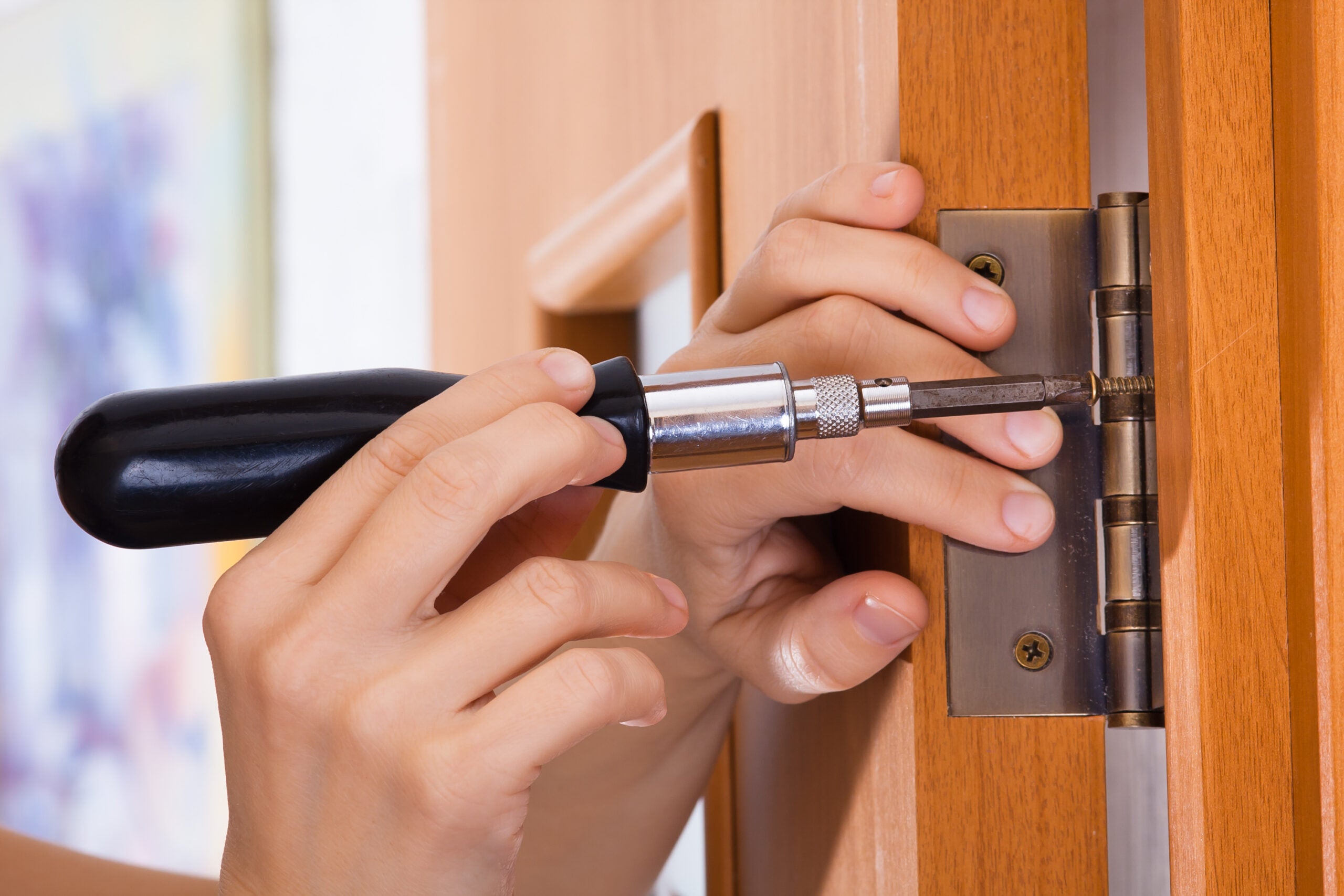
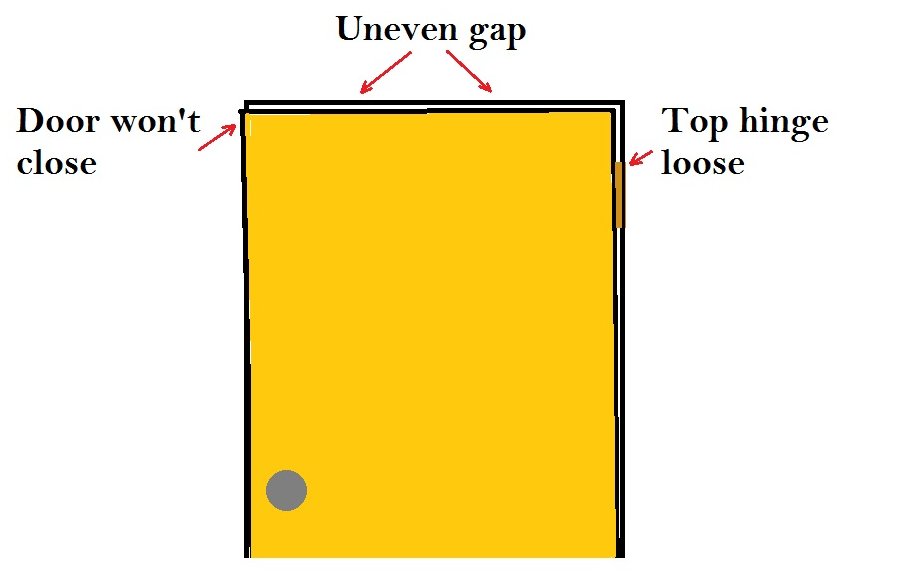
Loose hinges are perhaps the most common reason for a door to sag or become difficult to close. Over time, the screws that secure the hinges to both the door and the door frame can loosen due to the constant movement and weight of the door. This loosening allows the door to drop slightly, causing the top or bottom edge to rub against the frame or the latch to misalign with the strike plate.
- Symptoms: The door may scrape the floor, the gap between the door and the frame might be uneven, or the latch might not reach the strike plate.
- Diagnosis: Gently try to wiggle the door by its edge. If you notice significant movement at the hinge points, they are likely loose. Inspect the hinge screws; if they are stripped or the holes are enlarged, this indicates more significant wear.
Bent Or Corroded Hinges
Hinges can also become bent, often due to excessive force applied to the door or impact. A bent hinge will prevent the door from swinging freely and can cause it to bind against the frame. Corrosion from moisture exposure can also stiffen hinges, making them hard to move and potentially leading to binding.
- Diagnosis: Visually inspect the hinges for any signs of bending or rust. Try opening and closing the door slowly; if you feel resistance or hear grinding sounds specifically from the hinges, this is a strong indicator.
Strike Plates And Latch Mechanisms
The strike plate, typically a metal plate with a hole, is mounted on the door frame and receives the latch bolt or deadbolt when the door is closed. Misalignment here is a frequent offender.
Misaligned Strike Plate
If the strike plate is not perfectly aligned with the latch bolt, the bolt will hit the plate instead of entering the hole, preventing the door from closing and latching. This misalignment can occur for several reasons, including:
- Settling of the house: As foundations shift, the door frame can move slightly, taking the strike plate out of alignment with the door’s natural resting position.
- Loose strike plate: The screws holding the strike plate can loosen over time, allowing the plate to shift.
- Improper installation: The strike plate may have been installed incorrectly from the beginning.
- Symptoms: The latch bolt hits the strike plate with a thud but doesn’t go in. You might need to lift or push the door forcefully to get it to engage.
- Diagnosis: Observe the latch bolt and strike plate as you try to close the door. Look for scrape marks on the strike plate where the bolt is making contact.
Worn Or Damaged Latch Bolt
The latch bolt itself can become worn, bent, or its spring mechanism might fail, preventing it from extending fully or retracting smoothly. This can lead to the latch not engaging properly with the strike plate, or the door not staying closed at all.
- Symptoms: The door closes but doesn’t stay latched; it swings open with a slight push. The latch might feel loose or not spring back properly.
- Diagnosis: Manually operate the latch bolt by pressing it in and releasing it. It should extend and retract smoothly. If it sticks, feels loose, or doesn’t extend fully, it may be worn or damaged.
Warped Or Swollen Doors
Wood, especially, is susceptible to changes in humidity and temperature. A door can warp or swell, changing its shape and dimensions.
Humidity And Swelling
High humidity levels cause wood doors to absorb moisture, leading to swelling. This swelling can make the door thicker, causing it to bind tightly against the door frame, particularly on the top, bottom, or latch side. This is more common in bathrooms, kitchens, or basements where moisture levels are higher.
- Symptoms: The door becomes progressively harder to open and close, especially after periods of rain or high humidity. You might hear squeaking or scraping sounds as the door rubs against the frame.
- Diagnosis: Inspect the edges of the door and the frame for signs of rubbing or excessive tightness. You can use a thin piece of paper or a credit card to check the gap around the door; if it’s difficult to slide the paper through in certain areas, the door may be swelling.
Wood Warping
Over time, or due to improper storage or finishing, wood doors can warp. Warping means the door is no longer flat; it might twist or bow. This distortion prevents it from seating correctly within the frame.
- Symptoms: The door may have a visible curve or twist. It might only contact the frame at certain points, leaving large gaps elsewhere. The latch may not align with the strike plate due to the door’s altered shape.
- Diagnosis: Visually inspect the door for flatness. You can also lay a long, straight object (like a level or a yardstick) across the door’s surface to check for significant deviations.
Door Frame Issues
The door frame (or jamb) is the structure that surrounds the door opening and to which the hinges and strike plate are attached. Problems with the frame directly impact how the door functions.
Settling Of The House And Frame
Over years, the foundation of a house can settle or shift. This movement can exert pressure on the door frame, causing it to twist or become out of square. Even a slight deviation can make a door difficult to close.
- Symptoms: The door might have been working fine for years and suddenly starts sticking. You might notice uneven gaps around the door, or the door itself might appear slightly crooked within the frame.
- Diagnosis: Check if the door frame is plumb and square. You can use a level to assess this. Look for signs of stress on the frame, such as cracks or gaps where the frame meets the wall.
Loose Or Damaged Frame
The door frame itself might be loose in the wall, or the wood could be damaged (e. g. , rotten or cracked), especially around the hinge or strike plate areas.
- Symptoms: The door may sag significantly, or the latch might not engage because the strike plate area of the frame has moved.
- Diagnosis: Gently push on the door frame to see if it moves within the wall. Inspect the frame for any visible damage or rot.
Environmental Factors
Beyond direct swelling, environmental conditions can create subtle but significant issues.
Temperature Fluctuations
Changes in temperature can cause materials to expand and contract. While typically less dramatic than humidity effects, significant temperature swings can contribute to sticking, especially if the door is already a tight fit.
- Symptoms: The door might stick more in certain seasons or after drastic temperature changes.
- Diagnosis: This is often a contributing factor rather than a sole cause, usually exacerbating minor misalignments or swelling issues.
Other Less Common Issues
While the above cover the majority of problems, other factors can contribute:
- Obstructions: Sometimes, the simplest explanation is the correct one, something is physically blocking the door from closing, like a rug, a piece of furniture, or debris.
- Faulty Doorknob Mechanism: The internal mechanism of the doorknob itself can fail, preventing the latch from retracting or extending properly.
Credit: www.carpentry-tips-and-tricks.com
Diagnosing The Problem: A Step-by-step Approach
Before reaching for tools, a methodical diagnosis can save time and prevent unnecessary repairs. The goal is to isolate the problem to a specific component or area.
Visual Inspection: The First Line Of Defense
Start with a thorough visual check. This costs nothing and can often pinpoint the issue quickly.
- Observe the Gaps: Look at the space between the door and the frame all around. Is it even? If the top or bottom gap is tighter on one side than the other, it suggests hinge problems or a sagging door. If the gap is tight on the latch side, it might be a warped door or misaligned strike plate.
- Check the Hinges: Are the hinges flush with the door and frame? Are any screws protruding or missing? Do the hinges appear bent or damaged?
- Examine the Strike Plate: Is it securely fastened? Are there fresh scratch marks around the hole, indicating the latch bolt is hitting it?
- Inspect the Door Surface: Look for any signs of rubbing, scraping, or damage on the door’s edges and surfaces where it meets the frame.
- Assess the Frame: Does the frame appear square and plumb? Are there any visible cracks or signs of stress?
The “paper Test” For Tight Spots
This is a simple yet effective way to identify areas where the door is binding.
- Close the door as much as possible.
- Take a piece of paper (or a credit card) and try to slide it between the door and the frame at various points: Top, bottom, latch side, and hinge side.
- If the paper slides through easily everywhere, the door isn’t binding tightly.
- If the paper gets stuck or is very difficult to move in certain spots, you’ve found where the door is rubbing. This indicates swelling, warping, or misalignment in that specific area.
Testing The Latch And Knob
Pay attention to how the doorknob and latch operate.
- Smooth Operation: Does the doorknob turn smoothly? Does the latch retract fully when the knob is turned?
- Latch Engagement: When the door is open, does the latch bolt extend fully and spring back properly?
- Closing and Latching: As you close the door, does the latch bolt align with the strike plate? Does it enter the strike plate hole easily, or does it hit the plate?
Checking For Sagging
A sagging door is a common culprit.
- With the door fully open: Gently push down on the outer edge of the door (the edge opposite the hinges). If the door moves significantly downwards, the hinges are likely loose, or the hinge mortises are worn.
- With the door slightly ajar: Try to lift the outer edge of the door. If you can lift it and the gaps change, it confirms sagging.

Credit: www.youtube.com
Fixing Common Door Problems
Once you’ve identified the issue, you can proceed with repairs. Many common problems are DIY-friendly.
Adjusting And Repairing Hinges
Loose or sagging hinges are usually the easiest to fix.
Tightening Loose Hinge Screws
- Identify Loose Screws: Use a screwdriver to check each screw on all hinges.
- Tighten: If a screw is loose, tighten it firmly. Be careful not to overtighten, which can strip the screw hole.
- Stripped Screw Holes: If a screw spins endlessly, the hole is stripped.
- Wooden Dowels/Golf Tees: Remove the screw. Insert a wooden dowel or a few wooden golf tees into the hole, applying wood glue. Let it dry completely. Cut off any excess dowel/tee flush with the surface. Then, re-drill a pilot hole and re-insert the screw.
- Longer Screws: For hinges attached to the frame, you can often replace short screws with longer ones (3-inch screws are common) that reach into the wall studs for a more secure hold.
Replacing Damaged Hinges
If hinges are bent, corroded, or severely worn, replacement is often the best solution.
- Support the Door: Place wedges or blocks under the door to support its weight before removing hinges.
- Remove Old Hinges: Unscrew the old hinges one by one, keeping track of which hinge goes where (top, middle, bottom).
- Install New Hinges: Ensure the new hinges match the size and type of the old ones. Screw the new hinges into place, starting with the door side, then attaching to the frame.
Adjusting The Strike Plate
A misaligned strike plate can often be fixed with minimal effort.
Minor Adjustments: Elongating The Hole
If the latch bolt is just slightly off, you might be able to enlarge the opening in the strike plate.
- Mark the Interference: Close the door and observe exactly where the latch bolt hits the strike plate.
- File the Plate: Use a metal file to carefully enlarge the opening in the strike plate in the direction the bolt needs to travel. File a little at a time, testing the door closure frequently.
- Lubricate: Apply a lubricant like graphite powder or a silicone spray to the latch bolt and strike plate area.
Realignment: Moving The Strike Plate
If filing isn’t enough, the strike plate may need to be repositioned.
- Mark New Position: Hold the door closed and observe the latch bolt’s position relative to where it *should* be. Mark the desired new position for the strike plate hole.
- Remove Old Plate: Unscrew the existing strike plate.
- Adjust Frame: If the new position requires moving the plate deeper into the frame, you may need to chisel out a new mortise. If it needs to move outward, you might need to fill the old screw holes and re-drill.
- Install New Plate: Screw the strike plate into its new position.
Replacing The Strike Plate
If the existing strike plate is damaged or excessively worn, replace it with a new one. You can often find universal strike plates or ones specifically designed for minor adjustments.
Addressing Warped Or Swollen Doors
Dealing with doors that have changed shape requires careful handling.
Minor Swelling And Sticking
If the door is only slightly tight due to humidity:
- Sanding: Close the door as much as possible and identify the rubbing spots (using the paper test). Open the door and lightly sand down the high spots on the door’s edge.
- Pro Tip: Sand a little at a time, and re-test frequently. You can apply a sealant (like polyurethane or paint) to the sanded areas to protect against future moisture absorption.
- Planning (for severe sticking): If sanding isn’t enough, you might need to use a hand plane to shave off a thin layer of wood. This requires more skill; if you’re not comfortable, hire a professional.
Significant Warping
Severe warping can be very difficult to fix permanently.
- Replacement: Often, the most practical solution for a severely warped door is to replace it.
- Professional Assessment: A skilled carpenter might be able to plane and re-fit a warped door, but it’s a labor-intensive process and may not yield perfect results.
Fixing Door Frame Issues
Frame problems can be more involved.
Reinforcing A Loose Frame
If the frame is loose in the wall:
- Locate Studs: Find the wall studs adjacent to the door frame.
- Secure Frame: Use long screws (3-inch or longer) to drive through the door frame and into the wall studs. Do this at several points along the frame, especially near the hinges and strike plate. Be careful not to damage the wall’s drywall.
Repairing Damaged Frame Sections
If the wood is rotten or cracked:
- Wood Filler/Epoxy: For minor cracks or rot, you can clean out the damaged area, apply a strong wood filler or epoxy, let it cure, sand it smooth, and then re-drill screw holes or re-attach hardware.
- Section Replacement: For significant damage, a carpenter may need to cut out and replace the damaged section of the frame.
Doorknob And Latch Mechanism Repairs
If the problem lies within the doorknob assembly:
Lubrication
Sometimes, the internal parts of the doorknob mechanism just need lubrication. Spray a penetrating lubricant (like WD-40, though silicone-based lubricants are often better for long-term use) into the keyhole and around the latch bolt. Operate the knob several times.
Tightening Doorknob Components
Loose doorknobs can cause the latch to not retract properly.
- Check Set Screws: Many doorknobs have small set screws on the underside or side of the handle. Tighten these screws.
- Reassemble: If the knob feels loose, it might have come apart internally. Refer to the manufacturer’s instructions for reassembly.
Replacing The Doorknob Assembly
If the internal mechanism is broken, replacement is usually the most straightforward solution.
- Purchase a Replacement: Ensure the new knob matches the existing backset (the distance from the edge of the door to the center of the doorknob hole) and the door thickness.
- Remove Old Knob: Unscrew any visible screws and detach the two halves of the knob and the latch assembly.
- Install New Knob: Follow the manufacturer’s instructions for installing the new unit.
When To Call A Professional
While many door issues are manageable with basic DIY skills, some problems are best left to the experts.
Signs You Need A Professional
- Severe Warping: If a door is significantly warped, trying to fix it yourself might lead to further damage or an unsatisfactory result.
- Foundation Issues: If you suspect the house’s foundation is shifting and causing frame problems, this is a structural issue that requires professional assessment.
- Extensive Frame Damage: Rotting or severely damaged door frames often need specialized carpentry skills to repair or replace correctly.
- Lack of Confidence or Tools: If you’re uncomfortable with the repair process, lack the necessary tools, or the problem seems complex, it’s wise to call for help.
- Security Concerns: If the door problem affects your home’s security (e.g., it won’t latch securely), it’s best to address it promptly with professional help.
Types Of Professionals To Consider
- Carpenter/Handyman: For most door-related issues like hinge adjustments, strike plate alignment, minor frame repairs, and replacing hardware, a general carpenter or handyman is suitable.
- Door Specialist: Companies specializing in doors can handle more complex installations, repairs, and replacements, especially for high-end or specialized doors.
- Structural Engineer/Foundation Repair Specialist: If you suspect major structural issues with your home’s foundation impacting door frames, these professionals are the ones to consult.
Preventing Future Door Problems
Regular maintenance and mindful usage can prevent many common door issues.
Regular Maintenance Checks
- Tighten Screws: Periodically check and tighten hinge and strike plate screws.
- Lubricate Hardware: Apply lubricant to hinges and latches annually to ensure smooth operation and prevent corrosion.
- Inspect for Damage: Look for signs of wear, rot, or damage on doors and frames.
Managing Environmental Factors
- Humidity Control: Use dehumidifiers in damp areas like basements or bathrooms to prevent wood swelling. Ensure good ventilation.
- Sealing and Painting: Properly seal and paint wooden doors, especially exterior ones, to protect them from moisture and UV damage. Reapply sealant as needed.
Mindful Usage
- Avoid Force: Don’t force a door that is sticking. Try to identify the cause and fix it before it leads to more significant damage.
- Secure Against Wind: Ensure exterior doors are properly latched when there’s strong wind to prevent them from slamming open or shut forcefully.
Frequently Asked Questions
Why Does My Door Stick More In The Summer?
This is typically due to increased humidity. Wood absorbs moisture from the air, causing it to swell. This swelling makes the door thicker, leading to it binding against the door frame. Proper sealing and ventilation can help mitigate this.