
Owning a home is a significant achievement, offering stability, a sense of permanence, and the freedom to customize your living space. However, with ownership comes responsibility, and that often translates to dealing with unexpected home problems. From leaky faucets to malfunctioning HVAC systems, the list of potential issues can seem daunting.
Proactively identifying and addressing common home problems not only saves you money on extensive repairs down the line but also ensures your home remains a safe, comfortable, and valuable asset. Understanding what to look for and how to tackle these issues can transform a potentially stressful situation into a manageable home maintenance task.
This guide will walk you through the most frequent home problems homeowners encounter, providing clear explanations, actionable fixes, and tips on when to call a professional. By familiarizing yourself with these common issues, you can become a more confident and capable homeowner, equipped to protect your investment and maintain your peace of mind.
Key Takeaways
- Water damage is a leading cause of home repair, often stemming from leaks in roofs, pipes, or foundations, requiring prompt attention to prevent mold and structural issues.
- Electrical problems, such as flickering lights or overloaded circuits, pose significant safety risks and necessitate professional diagnosis and repair.
- HVAC system malfunctions can lead to discomfort and high energy bills; regular maintenance and timely repairs are crucial for efficiency.
- Plumbing issues like clogged drains, running toilets, and low water pressure are common and can often be resolved with DIY methods or professional help.
- Roofing problems, including missing shingles or leaks, are critical to address immediately to prevent further interior damage.
- Pest infestations, from rodents to insects, can compromise your home’s integrity and hygiene, requiring targeted treatment.
- Appliance failures are inconvenient and costly, but understanding common causes and performing basic troubleshooting can sometimes extend their lifespan.
- Foundation issues, though less frequent, are serious and require expert assessment and repair to ensure structural stability.

Credit: varminpool.com
Common Plumbing Problems And Their Solutions
Plumbing systems, while essential, are prone to a variety of issues that can range from minor annoyances to major water damage disasters. Understanding the signs of trouble and knowing how to address them is key to maintaining a functional and leak-free home.
Leaky Faucets And Pipes
The Problem: A dripping faucet or a slow leak under a sink might seem insignificant, but it wastes water and can contribute to higher utility bills and potential water damage over time. Leaks often occur at the base of a faucet, around the handle, or from pipe joints.
The Fix: For leaky faucets, the culprit is often a worn-out washer or O-ring inside the faucet handle. Replacing these small parts is usually a straightforward DIY task. Turn off the water supply to the faucet, disassemble the handle, replace the worn component, and reassemble. For pipe leaks, especially those in visible areas, a temporary fix might involve pipe clamps or repair tape. However, persistent or significant pipe leaks, particularly those within walls or underground, require professional attention to replace damaged sections of pipe.
Clogged Drains
The Problem: Slow-draining sinks, tubs, or showers are a common nuisance. Buildup of hair, soap scum, grease, and food particles are the usual culprits. Severe clogs can lead to standing water and unpleasant odors.
The Fix: For minor clogs, a plunger can often dislodge the blockage. Ensure a good seal around the drain before plunging vigorously. A plumber’s snake or drain auger can be effective for deeper clogs, allowing you to physically break up or retrieve the obstruction. For kitchen sinks, avoid pouring grease down the drain, as it solidifies and causes significant blockages. Baking soda and hot water can help with minor grease buildup. If DIY methods fail, a plumber has more powerful tools and techniques to clear stubborn clogs.
Running Toilets
The Problem: A toilet that constantly runs, or one that flushes on its own, wastes a surprising amount of water. This is often due to a faulty flapper valve, a worn-out fill valve, or an issue with the float.
The Fix: The most common cause is a worn-out flapper at the bottom of the tank, which fails to create a proper seal. Replacing the flapper is a simple and inexpensive DIY fix. If the fill valve is the issue, it may need adjustment or replacement. The float, which controls the water level in the tank, can also be adjusted or replaced if it’s not working correctly. These are generally manageable DIY repairs, but if you’re unsure, a plumber can quickly diagnose and fix the problem.
Low Water Pressure
The Problem: Inconsistent or low water pressure throughout the house can be frustrating. It can be caused by a partially closed main shut-off valve, mineral buildup in pipes, a faulty pressure regulator, or leaks in the system.
The Fix: First, check if the issue affects only one faucet or the entire house. If it’s just one fixture, the aerator might be clogged with mineral deposits. Unscrew it and clean it. If the problem is widespread, check your main water shut-off valve to ensure it’s fully open. Mineral buildup in pipes is a more complex issue that may require professional pipe cleaning or replacement. A malfunctioning pressure regulator, typically located where the water line enters your home, will need to be replaced by a plumber.

Credit: www.twintel.net
Addressing Electrical System Issues
The electrical system in your home is a complex network that, when functioning correctly, provides convenience and power. However, any fault can pose a serious safety hazard, including fire risks and electric shock.
Flickering Lights And Tripped Breakers
The Problem: Lights that flicker intermittently, or circuit breakers that frequently trip, are signals that your electrical system is under strain or experiencing a fault. This can be due to overloaded circuits, loose wiring, or faulty components.
The Fix: Overloaded circuits are common, especially in older homes with insufficient outlets. Try to redistribute power-hungry appliances across different circuits. If a breaker trips repeatedly, it indicates a persistent problem that needs investigation. Loose wiring behind outlets or switches can also cause flickering and is a fire hazard. Always turn off the power at the breaker box before inspecting or attempting any DIY electrical work. For anything beyond simple circuit management, it is crucial to call a qualified electrician. They can safely diagnose issues like faulty breakers, loose connections, or short circuits.
Outdated Wiring And Electrical Panels
The Problem: Homes built before the 1970s may have outdated wiring systems, such as knob-and-tube or aluminum wiring, which can be less safe and may not support modern electrical demands. Old electrical panels with fuses instead of breakers can also be a fire risk.
The Fix: Upgrading your home’s wiring and electrical panel is a significant but essential project for safety and functionality. This is not a DIY job and requires a licensed electrician. They can replace outdated wiring with modern copper wiring and install a new electrical panel with sufficient amperage and circuit breakers to meet your household’s needs. This upgrade can also improve the efficiency of your electrical system and prepare your home for future additions like electric vehicle chargers or smart home technology.
Extension Cord Hazards
The Problem: Over-reliance on extension cords can lead to overloaded circuits, damaged cords creating fire hazards, and tripping accidents. Using indoor-rated cords outdoors or daisy-chaining multiple cords are particularly dangerous practices.
The Fix: The best solution is to install more permanent outlets where needed. This involves hiring an electrician to safely extend your home’s wiring. If extension cords are unavoidable, use them only as a temporary solution. Ensure they are rated for the power draw of the appliance and the environment (e.g., heavy-duty cords for power tools, outdoor-rated cords for outdoor use). Never run cords under rugs or furniture, as this can cause damage and create a fire risk. Regularly inspect cords for fraying or damage and replace them immediately if any issues are found.
Credit: bestutahrealestate.com
Common Hvac System Problems
Your heating, ventilation, and air conditioning (HVAC) system is vital for maintaining a comfortable indoor environment. When it malfunctions, it can lead to discomfort, poor air quality, and high energy bills.
Inefficient Heating Or Cooling
The Problem: The most common HVAC complaints involve the system not heating or cooling effectively, or taking too long to reach the desired temperature. This can be due to a variety of issues, from simple maintenance needs to component failures.
The Fix: Regular maintenance is key. Ensure your air filters are changed every 1-3 months, as a clogged filter significantly restricts airflow and reduces efficiency. Keep outdoor condenser units clear of debris. Check that vents and registers are not blocked by furniture or curtains. If these simple steps don’t resolve the issue, the problem could be a refrigerant leak, a faulty thermostat, a malfunctioning compressor, or issues with the ductwork. For these more complex problems, contact an HVAC technician.
Strange Noises
The Problem: Unusual sounds emanating from your furnace or air conditioner can indicate mechanical problems. These might include grinding, rattling, banging, or squealing noises.
The Fix: Rattling can sometimes be caused by loose panels or debris in the fan assembly. Grinding or squealing often points to worn-out bearings in the blower motor or fan. Banging could signal a problem with the compressor or other internal components. It’s important to note the type of noise and when it occurs (e.g., only when heating, only when cooling, or constantly). These types of noises typically require professional diagnosis and repair by an HVAC technician, as they often involve internal mechanical parts that need specialized knowledge to address safely.
Poor Air Quality And Odors
The Problem: If your home’s air feels stuffy, or if you notice musty or unpleasant odors when the HVAC system is running, it can be a sign of problems with air quality. This can be caused by dirty filters, mold growth in the ductwork, or issues with the evaporator coils.
The Fix: Start by replacing your air filter. If the problem persists, the ductwork may need cleaning. Over time, dust, allergens, and even mold can accumulate inside ducts, circulating throughout your home. Professional duct cleaning services can address this. If you suspect mold on the evaporator coils (often found in the indoor air handler unit), this requires professional cleaning as it can be a health hazard. Ensuring proper humidity control within your home can also help prevent mold growth.
Roofing And Exterior Maintenance Issues
The roof and exterior of your home are the first lines of defense against the elements. Neglecting them can lead to a cascade of interior problems.
Leaky Roofs
The Problem: Water seeping into your attic or through your ceiling is a clear sign of a leaky roof. This can be caused by damaged or missing shingles, cracked flashing around chimneys or vents, or ice dams in colder climates.
The Fix: Inspect your roof (safely, or hire a professional) for obvious signs of damage. Missing or curling shingles need to be replaced. Flashing that is cracked or improperly sealed should be repaired or replaced. If you live in an area with heavy snowfall, ensure gutters are clear and that there’s adequate attic insulation to prevent ice dams. For significant leaks or if you’re uncomfortable with heights, hiring a qualified roofing contractor is essential. They can identify the source of the leak and perform the necessary repairs to prevent further damage.
Damaged Gutters And Downspouts
The Problem: Clogged, sagging, or damaged gutters and downspouts can cause water to pool around your home’s foundation, leading to basement flooding and structural damage.
The Fix: Regularly clean your gutters to remove leaves, twigs, and other debris. Ensure downspouts are clear and directing water away from the foundation. If gutters are sagging, they may need to be re-secured to the fascia board. If they are heavily damaged or rusted, they may need to be replaced. Consider installing gutter guards to minimize debris buildup.
Siding And Exterior Damage
The Problem: Cracks, rot, or holes in your home’s siding can allow moisture to penetrate the walls, leading to mold, rot, and pest infestations. Peeling paint is also a sign that the protective layer is compromised.
The Fix: Inspect your siding regularly for damage. Small cracks or holes in vinyl or wood siding can sometimes be repaired with caulk or patching compounds. Rotted wood siding needs to be replaced. If your home has stucco, look for cracks and have them sealed. Repainting your home at regular intervals, typically every 5-10 years depending on the material and climate, is crucial for maintaining the protective barrier.
Common Interior Problems
Beyond plumbing and electrical, several issues can arise within the interior of your home, affecting comfort, safety, and aesthetics.
Pest Infestations
The Problem: Ants, mice, termites, cockroaches, and other pests can invade homes, causing damage, spreading disease, and creating a general nuisance.
The Fix: Prevention is key. Seal cracks and crevices in your home’s exterior, keep food stored in airtight containers, and manage garbage properly. For existing infestations, identify the pest and use targeted methods. For example, traps and bait can be effective for rodents. Insecticides may be needed for ants or cockroaches. Termite infestations are particularly destructive and require immediate professional treatment. If you have a widespread or persistent pest problem, consulting a professional pest control service is the most effective solution.
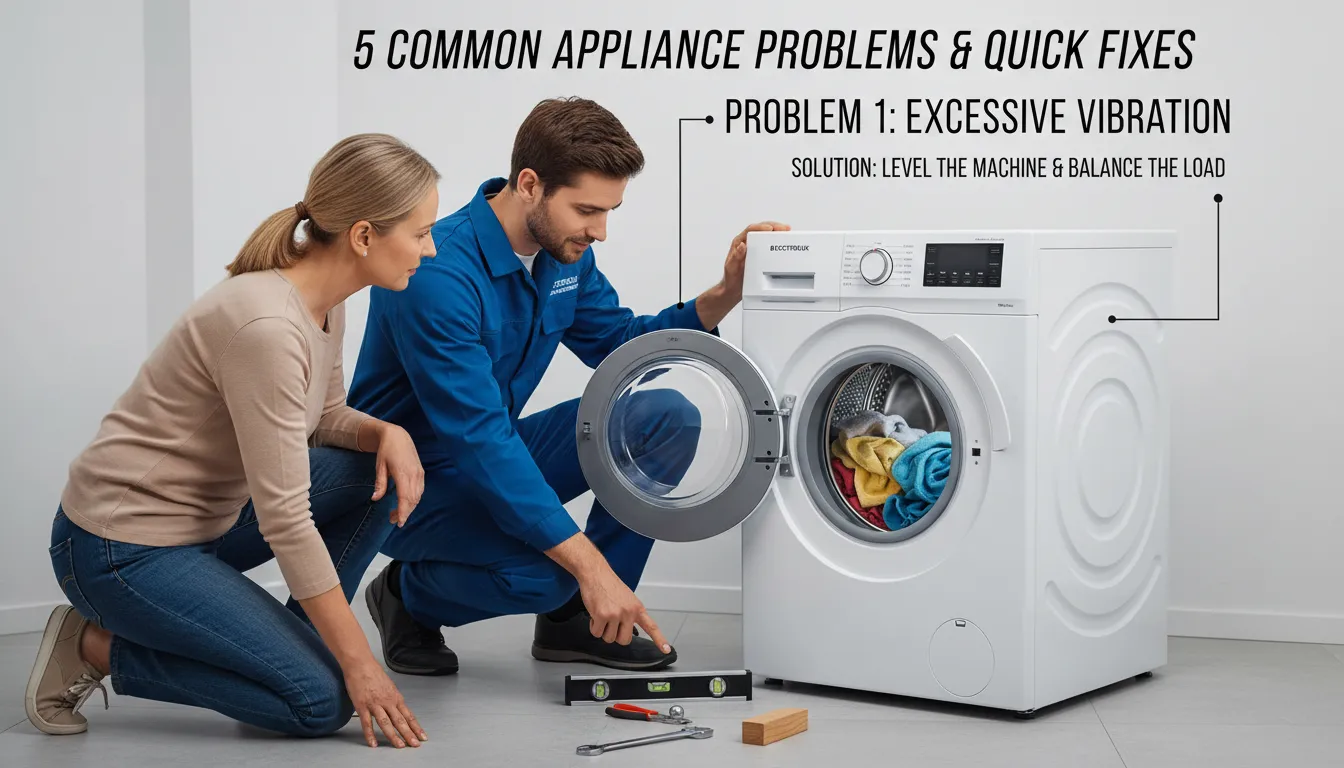
Appliance Malfunctions
The Problem: Refrigerators not cooling, washing machines not draining, or ovens not heating are common appliance failures that disrupt daily life.
The Fix: Before calling a repair person, check the basics: is the appliance plugged in? Is the circuit breaker tripped? Is the water supply on for a washing machine or dishwasher? Many issues, like a clogged dishwasher filter or a dryer vent blockage, can be cleared with simple troubleshooting. For more complex problems, such as a faulty compressor in a refrigerator or a heating element in an oven, you’ll likely need to call an appliance repair technician. Sometimes, the cost of repair for older appliances can approach the cost of replacement.
Drywall Damage
The Problem: Holes, cracks, and dents in drywall are common, often caused by accidental impacts from furniture, doors, or children playing.
The Fix: Small nail holes can be filled with spackle. Larger holes and dents can be repaired using a drywall patch kit or by cutting out the damaged section and fitting in a new piece of drywall. Sanding and painting the repaired area to match the rest of the wall completes the job. For extensive damage or if you’re not comfortable with drywall repair, a handyman or contractor can handle it.
Flooring Issues
The Problem: Worn-out carpets, scratched hardwood floors, or cracked tiles can detract from your home’s appearance and become tripping hazards.
The Fix: For carpets, professional cleaning can often revive them. Minor tears or snags can sometimes be repaired with carpet repair kits. For hardwood floors, sanding and refinishing can restore their shine and cover minor scratches. Deep scratches or gouges may require board replacement. Cracked tiles need to be carefully removed and replaced, and the grout re-sealed. The approach depends heavily on the flooring material.
Foundation And Structural Concerns
While less frequent than other issues, problems with your home’s foundation or overall structure are serious and require immediate attention.
Foundation Cracks
The Problem: Cracks in basement walls or the foundation exterior can indicate settling or more serious structural issues. Hairline cracks might be normal, but wider or horizontal cracks are concerning.
The Fix: Monitor any cracks you find. If they are widening or appear to be growing, it’s crucial to consult a structural engineer or a foundation repair specialist. They can assess the cause, whether it’s soil issues, water intrusion, or poor construction, and recommend appropriate repairs, which can include crack injection, underpinning, or drainage system improvements.
Sagging Floors Or Ceilings
The Problem: Floors that feel spongy or uneven, or ceilings that appear to sag, can point to problems with the underlying joists, beams, or support structures.
The Fix: This is a serious structural issue that requires professional assessment. A building contractor or structural engineer will need to inspect the area to determine the cause, which could involve damaged or undersized support beams, moisture damage, or pest infestation affecting the wood structure. Repairs can range from reinforcing existing beams to replacing compromised structural elements.
Water Intrusion In Basements
The Problem: Dampness, puddles, or visible water in basements or crawl spaces are often due to hydrostatic pressure, poor exterior drainage, or cracks in the foundation. This can lead to mold growth and structural damage.
The Fix: Addressing the source of the water is paramount. This may involve improving exterior grading to ensure water flows away from the foundation, installing or repairing French drains, sealing foundation cracks, and ensuring sump pumps are functioning correctly. In chronic cases, interior or exterior waterproofing systems may be necessary. Consulting a basement waterproofing specialist is recommended.
When To Call A Professional
While many common home problems can be tackled with DIY enthusiasm and a few tools, some issues demand the expertise of a professional. Knowing your limits is crucial for safety and to avoid causing more damage.
Safety Hazards
Pro Tip: Any situation involving potential electrical shock, gas leaks, or structural collapse should immediately be handled by a qualified professional. Never attempt to fix these yourself. For gas leaks, evacuate the house and call your gas company or 911 from a safe distance.
Complex Systems
Issues with your HVAC system, main plumbing lines, or main electrical panel often involve intricate components and require specialized knowledge and tools. Attempting repairs without experience can lead to further damage or safety risks.
Significant Structural Issues
Problems like foundation cracks, sagging beams, or major roof damage affect the integrity of your entire home. These require the assessment and expertise of structural engineers or licensed contractors.
Lack Of Experience Or Tools
If a repair seems beyond your skill level, or if you lack the necessary specialized tools, it’s wiser to hire a professional. A handyman service can be a good option for smaller, non-specialized repairs.
Frequently Asked Questions
What Is The Most Common Cause Of Water Damage In Homes?
The most common causes of water damage are leaky roofs, plumbing leaks (such as burst pipes or faulty appliance connections), and foundation issues that allow groundwater to enter the basement or crawl space. Clogged gutters that cause water to back up and overflow around the foundation are also a frequent culprit.
How Often Should I Service My Hvac System?
It is generally recommended to have your HVAC system serviced at least once a year, ideally before the start of the heating season for furnaces and before the start of the cooling season for air conditioners. Some experts recommend twice-a-year servicing, especially for older systems or those in extreme climates, to catch potential problems early and ensure optimal efficiency.
What Are The Signs Of Foundation Problems?
Signs of foundation problems include visible cracks in foundation walls, floors, or exterior brickwork, doors and windows that stick or won’t open/close properly, gaps appearing between walls and ceilings or around window/door frames, floors that slope or sag, and separations in the exterior siding or interior finishes. Any of these symptoms warrant a professional inspection.
Can I Fix A Running Toilet Myself?
Yes, many running toilet issues can be fixed by a homeowner. The most common culprits are a worn-out flapper valve or a faulty fill valve in the tank. These parts are inexpensive and relatively easy to replace. You’ll typically need a new flapper or fill valve assembly, a sponge, and possibly a wrench. Watching a DIY tutorial video can be very helpful.
What Is The Average Cost Of A Home Repair?
The average cost of home repairs can vary widely depending on the type of repair, your location, and whether you do it yourself or hire a professional. For instance, a simple faucet repair might cost $10-$50 for parts if DIY, or $100-$300 if professionally done.
A major roof repair or HVAC replacement can cost thousands of dollars. According to HomeAdvisor, the average cost for home repairs in the US was around $1,100 in 2026, but this figure encompasses everything from minor fixes to major renovations.
By understanding these common issues and their potential fixes, homeowners can be better prepared to maintain their property, protect their investment, and ensure their home remains a safe and comfortable sanctuary. Regular inspection and proactive maintenance are your best allies in preventing small problems from escalating into costly repairs.