
Seeing that foggy film on your windows? You know, the one that makes it hard to see outside and leaves streaks when you wipe it away?
That’s window condensation, and if you’re noticing it inside your house, it’s a sign something’s up. It’s more than just a minor annoyance; it can actually lead to bigger problems down the road. Don’t worry, though. We’re going to break down exactly why this condensation is forming and, more importantly, how you can stop it for good.
Keep reading to discover the simple solutions that will make your windows crystal clear again.
Moisture’s Unwanted Guests
Water droplets appear on your windows. This is not a good sign. Moisture is invading your home. It brings problems with it. These are moisture’s unwanted guests. They can cause damage. They can affect your health.
The Science Of Condensation
Warm air holds water. Cold surfaces cool this air. Water vapor turns into liquid. This is condensation. It happens on cold window panes. Your home’s air is often warm. Outside air is often cold.
Common Culprits
Many things create indoor moisture. Cooking releases steam. Showers create humidity. Drying clothes indoors adds water. Plants release moisture too. Even breathing adds water vapor. Poor ventilation makes it worse. Old windows are less efficient. They let cold air in. Warm indoor air hits them.
Credit: www.pella.com
Signs Of A Sweaty Home
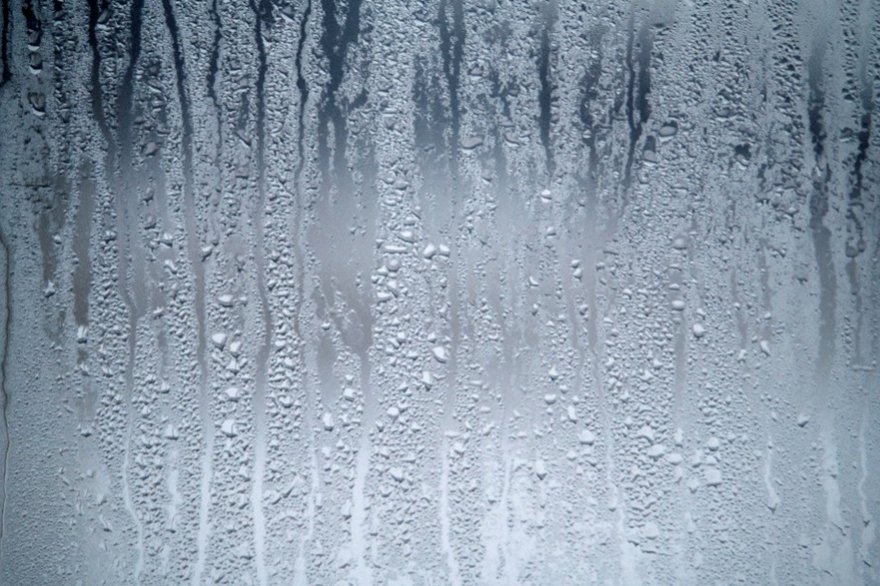
Water droplets on your windows are a common sign. This indoor condensation signals excess moisture. Your home might be too sweaty.
Your house might be telling you something. Watch for these warning signs. They point to too much moisture. This moisture causes problems. It makes your home “sweaty.”Visible Water Droplets
You see water beads. They appear on window surfaces. This is a clear indicator. Moisture is present. It collects on cool glass.Foggy Panes
Your windows look hazy. They are foggy. This happens often. It happens on cold mornings. The fog is condensation. It forms inside your house.Mold And Mildew
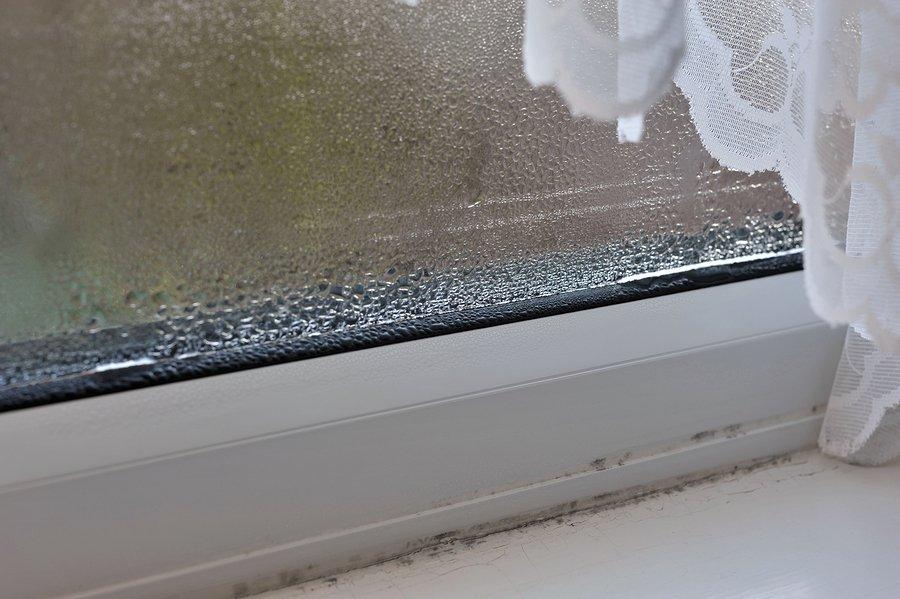
Dark spots grow on walls. You might see fuzzy patches. This is mold or mildew. It loves damp areas. Condensation feeds its growth. It smells musty.Damaged Walls And Sills
Paint peels away. Wallpaper lifts. Wood starts to rot. Your walls and window sills suffer. Moisture damages these materials. It causes unsightly decay.Where The Water Comes From
Window condensation. It’s a common sight. But where does all that water come from? It’s not magic. Several sources contribute to this moisture. Understanding these origins helps you solve the problem. Let’s explore the common culprits.
Everyday Activities
Your home is alive. People breathe. Cooking creates steam. Showers release moisture. Even washing dishes adds water vapor. These simple actions raise humidity. The air holds more water.
Poor Ventilation
Stale air traps moisture. Your home needs fresh air. Without good airflow, humidity builds. Kitchen and bathroom vents are crucial. Ensure they work properly. Open windows sometimes helps.
Temperature Swings
Cold windows are key. Warm, moist air touches them. This cools the air fast. Water vapor turns to liquid. It condenses on the glass. This happens most in winter. Outside is cold. Inside is warm.
Leaky Pipes
Hidden moisture sources exist. Leaky pipes are one. Water seeps into walls. It evaporates slowly. This adds humidity to your air. Check for damp spots. Repair any leaks quickly.
Plant Transpiration
Houseplants add moisture. Plants release water vapor. This process is transpiration. Many plants mean more water. Grouping plants can increase humidity. Consider plant placement.

Credit: www.reddit.com
Tackling The Drips
Window condensation is a common problem. It leaves unsightly drips. These drips can damage your home. Tackling the drips is essential. Let’s explore effective solutions. We will stop the moisture. We will protect your walls. Your home will be healthier.
Boost Air Circulation
Stale air traps moisture. Open windows when possible. Use ceiling fans. They move air around. Bathroom fans are important. Run them during showers. Kitchen fans help too. Use them when cooking. Good airflow prevents buildup. It keeps surfaces dry.
Control Indoor Humidity
High humidity causes condensation. Use a dehumidifier. It removes excess water. Vent clothes dryers outside. Do not let them vent inside. Limit indoor plants. They release moisture. Fix leaky pipes. This stops water waste. Lowering humidity is key.
Seal Air Leaks
Cold air enters through leaks. Warm indoor air meets cold glass. This creates condensation. Caulk around window frames. Use weatherstripping. It seals gaps effectively. Check for drafts. Seal any openings found. Preventing cold air is vital.
Upgrade Your Windows
Old windows are less efficient. They let cold air in. Consider new, energy-efficient windows. Double or triple-pane windows help. They have better insulation. Low-E coatings are beneficial. They reduce heat transfer. New windows stop condensation. They also save energy.
Proper Insulation
Good insulation keeps homes warm. It keeps walls warm too. Warm walls resist condensation. Check your attic insulation. Ensure it is adequate. Insulate crawl spaces. Proper insulation is a barrier. It keeps the cold out. It keeps the warmth in.
Ventilation Strategies
Good ventilation helps a lot. It moves moist air out. Fresh air comes in. This stops window condensation. Try these ventilation ideas.
Exhaust Fans
Bathrooms need fans. Kitchens need fans too. Turn them on when you cook. Run them when you shower. They pull moist air away. This keeps your windows dry.
Opening Windows
Open windows for fresh air. Do this on nice days. Even a few minutes helps. It lets moist air escape. Dry air can then enter.
Whole-house Systems
Some homes have special systems. These systems manage air. They bring in fresh air. They remove stale air. This is very effective. It controls humidity all year.
Credit: www.ecolinewindows.ca
Humidity Helpers
Window condensation happens. Excess moisture is the cause. We can fight this moisture. “Humidity Helpers” are your allies. These tools and habits reduce indoor dampness. They keep your windows clear. They also protect your home.
Dehumidifiers
Dehumidifiers pull water from the air. They are very effective. Place them in damp rooms. Basements often need one. Bathrooms too. Empty the water tank regularly. Some models connect to drains. This makes them easier to use.
Ventilating Appliances
Your kitchen needs ventilation. Use the range hood fan. It removes steam. It removes cooking odors. Bathroom fans are also important. Turn them on during showers. Run them for a bit after. This vents moist air outside. Ensure vents are not blocked.
Managing Cooking And Showering
Cooking creates steam. Cover pots and pans. This traps moisture inside. Shorten shower times. This reduces steam production. Open a window slightly. Do this after showering. It lets moist air escape. These small steps help a lot.
Window Wisdom
Window wisdom. It helps you understand your windows. It explains why condensation forms. Learn about modern window technology. This knowledge solves window moisture problems.
Double And Triple Panes
Older windows have single panes. They let heat escape easily. Cold air enters your home. This causes condensation. New windows have two panes. They trap air between them. This creates an insulating layer. Triple pane windows offer more insulation. They have three panes of glass. They have two air gaps. These windows are very efficient. They significantly reduce condensation.
Low-e Coatings
Low-emissivity coatings are special. They are thin metal layers. These coatings go on the glass. They reflect heat. Heat stays inside your home. Cold air stays outside. This technology reduces heat transfer. It helps prevent condensation. Your windows stay warmer inside.
Gas Fills
Window panes can hold gas. Argon or krypton are common gases. These gases are denser than air. They are better insulators. They fill the space between panes. This gap slows heat movement. It improves energy efficiency. It keeps the inner pane warmer. Warmer glass means less condensation. Your home stays comfortable.
When To Call A Pro
Window condensation can be a nuisance. Sometimes, it is a simple fix. Other times, it signals a bigger issue. Your home’s health matters. You need to know when to get expert help.
Persistent Problems
Condensation keeps coming back. You try to dry it. It reappears quickly. This is a warning sign. Your home’s moisture balance is off. Simple solutions are not enough. A professional can find the root cause. They will fix it for good.
Structural Concerns
Leaky windows are serious. Water damage can spread. It affects your walls and frame. This compromises your home’s structure. You might see peeling paint. Rotting wood is possible. These are clear signs. Call a window specialist right away.
Mold Remediation
Condensation breeds mold. Mold is bad for health. It can grow unseen. You might smell musty odors. Dark spots can appear. This requires professional mold removal. Do not try to clean it yourself. A pro has the right tools. They ensure it is all gone.
Frequently Asked Questions
What Causes Window Condensation Inside My House?
Warm, moist air inside your home touches cold window glass. This makes water vapor turn into liquid. It’s a common sign of indoor humidity.
Is Window Condensation A Serious Problem?
It can be. Too much moisture can damage window frames. It might also lead to mold growth. This is bad for your health.
How Can I Stop Window Condensation?
Reduce indoor humidity. Use a dehumidifier. Vent bathrooms and kitchens well. Also, consider better insulated windows.
What Is Normal Window Condensation?
A little bit can be okay. You might see some on very cold days. But constant, heavy water is not normal.
Can I Wipe Away Window Condensation?
Yes, you can wipe it. But this is a temporary fix. It does not solve the root cause. You need to lower humidity.
Why Do My Windows Fog Up In Winter?
Winter air outside is cold. Inside air is warmer and wetter. This difference causes condensation on the glass.
What Humidity Level Is Best For My Home?
Aim for 30% to 50% humidity. This range helps prevent condensation. It also keeps your home comfortable.
Conclusion
Condensation on your windows signals a moisture problem. Address it promptly for a healthier home. Improve ventilation. Use exhaust fans. Consider a dehumidifier. These steps help control indoor humidity. Enjoy clearer windows. Breathe easier too. Your home will thank you.