
Seeing a crack appear in your wall can be unsettling. You might wonder if it’s a minor cosmetic issue or a sign of a bigger problem.
Don’t let that worry linger! This article will help you understand exactly why those cracks are forming in your home and, more importantly, how to fix them. We’ll break down the common culprits and provide clear, actionable solutions so you can get your walls looking smooth and feeling secure again.
Read on to discover how to tackle those wall cracks with confidence.
Wall Cracks: What You’re Seeing
Wall cracks. They appear without warning. You see them everywhere. These fissures tell a story. They show your home’s history. Understanding them is key. It helps you fix them fast.
What Are These Cracks?
Cracks come in many forms. Some are thin. Others are wide. They can be straight lines. They might zigzag too. You might see them on drywall. Plaster walls can crack. Even exterior brick cracks.
Hairline Cracks: The Small Ones
Hairline cracks are common. They are very fine. Often they are harmless. Paint can hide them. They may just be cosmetic. Don’t worry too much yet. Watch them closely, though.
Stair-step Cracks: A Pattern
These cracks look like stairs. They follow mortar lines. You see them in brickwork. They suggest foundation issues. This needs careful inspection. It’s a more serious sign.
Vertical Cracks: Straight Down
Vertical cracks run up and down. They can appear on any wall. Sometimes they are minor. They might be from settling. Check their width carefully. Wide cracks need attention.
Horizontal Cracks: Across The Wall
Horizontal cracks go side to side. These are often alarming. They can mean serious problems. Foundation stress is a cause. Water pressure can create them. Address these quickly. They are a big warning.
Settling: The Usual Suspect
Cracks in walls are common. Many are from settling. This is a normal process. Your house moves a bit. This movement causes stress. Stress leads to cracks. Settling is often the main reason.
Understanding House Settling
New houses settle most. Soil under the foundation shifts. This is natural. It happens over time. Old houses can settle too. Water affects the soil. Freeze and thaw cycles play a part. Foundations are not static. They adapt to the ground.
Types Of Settling Cracks
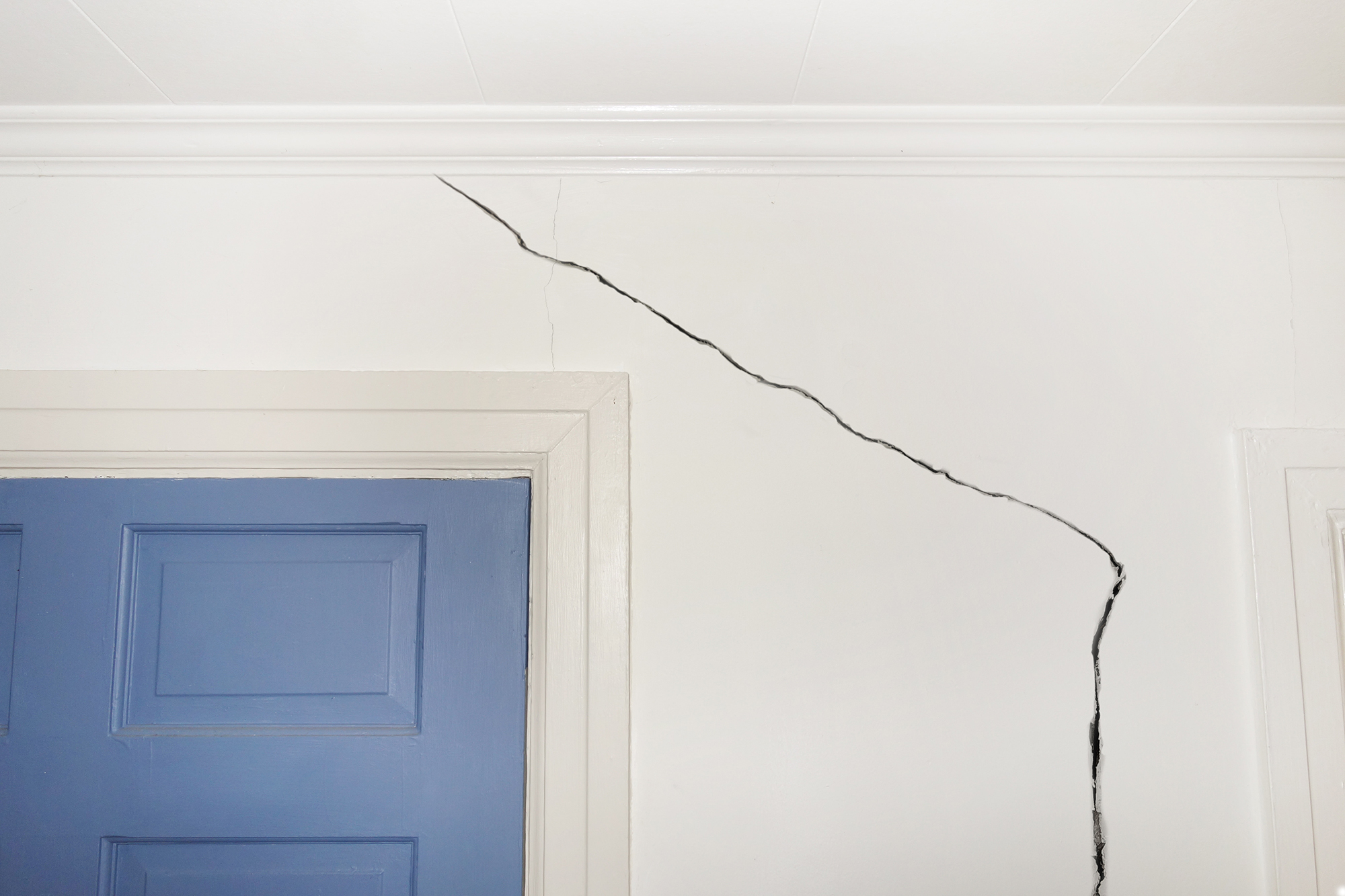
Hairline cracks are typical. They are very thin. They often appear near corners. Doors and windows might stick. This indicates movement. Larger cracks need attention. They can be a sign of bigger issues. Diagonal cracks are common. They often follow studs.
When To Worry About Settling
Small, thin cracks are okay. Monitor them closely. If cracks grow quickly, worry. If they are very wide, worry. Water damage can cause cracks. Uneven settling is a concern. This means one side moves more. It can compromise your home’s structure.
Fixing Settling Cracks
Small cracks are easy fixes. Use caulk or spackle. Fill the crack completely. Sand it smooth. Then, repaint the wall. For larger cracks, use filler. Apply it with a putty knife. Let it dry thoroughly. Sand and paint again. Structural issues need a pro. Foundation repair experts can help. They will assess the damage. They offer permanent solutions.
Moisture’s Mischief
Moisture. It’s a silent saboteur. It loves to creep into your home. It causes many wall cracks. Let’s explore how water wreaks havoc.
Leaky Pipes
Pipes carry water. Sometimes they leak. Water seeps into walls. This weakens the wall structure. Cracks start to form. You see them near bathrooms. Kitchens are also common spots.
High Humidity
Your home can get too humid. Steam from showers adds moisture. Cooking also creates steam. This damp air affects walls. Wood framing can swell. Plaster and drywall can soften. This leads to cracks appearing.
Poor Drainage
Rainwater needs to go somewhere. Poor drainage directs water. It pools around your foundation. This water can seep into walls. Basement walls are vulnerable. Cracks can appear from the outside in.

Credit: www.crackedslab.com
Structural Issues
Some wall cracks point to deeper problems. Structural issues can threaten your home’s safety. These cracks often signal serious underlying concerns. Addressing them quickly is vital. Ignoring them can lead to bigger repairs.
Foundation Problems
Your home rests on its foundation. It bears all the weight. Shifting soil causes foundation problems. Water damage weakens the concrete. Settling is a common issue. This can create large, diagonal cracks. They might appear near doors and windows. These cracks are a warning sign. They need professional attention now. Don’t delay these important fixes.
Roof Damage
Your roof protects your home. It keeps water out. Damaged roofs let water in. Water seeps into walls. It weakens the structure over time. This can cause cracks to form. Look for cracks near the ceiling. Water damage often starts there. Repairing the roof stops further harm. Fix it before more damage occurs.
Load Bearing Walls
These walls support your house. They carry weight from above. Any compromise weakens the structure. Problems with load-bearing walls are serious. Cracks here can be wide. They may run vertically or diagonally. They often signal stress on the frame. You need expert help for these. A professional can assess the damage. They will provide the right solution.
Age And Wear
Walls age and wear over time. Settling foundations and moisture are common culprits. These cracks need attention.
The Natural Aging Of Your Home
Your home is not static. It breathes. It settles. Time takes its toll. Age and wear are natural processes. They affect every structure. Your walls are no exception. Little cracks can appear. This is normal.Settling Foundations
Foundations shift over time. This is a slow process. It happens naturally. Soil expands and contracts. Water affects the soil. This movement stresses the house. Walls can crack from this stress.Material Degradation
Building materials age. Plaster and drywall degrade. They become brittle. They lose some strength. This makes them prone to cracking. Extreme temperatures also contribute. Heat and cold expand materials. They contract them too. This cycle weakens them.Minor Surface Cracks
Many cracks are just surface issues. They are not structural problems. They often appear as hairline cracks. These are common. They happen with normal settling. They result from normal wear.Fixing Age And Wear Cracks
Repairing these cracks is simple. You can often do it yourself. For small cracks, use spackle. Apply it with a putty knife. Let it dry completely. Sand the area smooth. Then repaint the wall. Larger cracks might need more. They may need joint tape. Then apply joint compound. Multiple coats are often needed.Diy Fixes For Small Cracks
Small cracks in walls are common. Settling or moisture can cause them. Simple DIY fixes are often possible. Learn how to repair them yourself.
Small wall cracks can feel daunting. But do not worry. You can fix them yourself. This guide makes it simple. Anyone can do these repairs. Get ready to restore your walls.Gathering Supplies
You need a few things. Get a putty knife. Buy some spackling paste. You also need sandpaper. Pick up paint for touch-ups. A damp cloth is useful. Have a caulk gun ready. Get some paintable caulk.Cleaning The Crack
Preparation is key. Make the crack clean. Remove loose paint. Scrape out debris. Use your putty knife. A clean surface helps adhesion. Wipe away dust. Use a damp cloth. Let the area dry completely.Applying Caulk Or Sealant
Now fill the crack. Cut the caulk tip. Make a small opening. Insert the caulk tube. Place it in the gun. Apply caulk into the crack. Push it in firmly. Smooth the excess caulk. Use a damp cloth. Wipe away extra material. Let it dry fully.Sanding And Painting
The caulk is dry. Time to sand. Use fine-grit sandpaper. Gently sand the area. Make it smooth and level. Blend it with the wall. Wipe away dust again. Now paint the spot. Use your matching paint. Apply thin coats. Let each coat dry. Your wall looks new.Patching Larger Cracks
Some wall cracks are small. Others are quite large. Patching larger cracks needs a bit more work. It takes careful steps. This guide shows you how. We will make your walls look new again.
Using Joint Compound
Start with joint compound. This is also called drywall mud. Get a ready-mixed tub. It is easier for beginners. Use a drywall knife. Apply a thin layer of mud. Cover the crack completely. Smooth it out. Remove excess mud. Let it dry fully. This is the first coat. It fills the crack’s depth.
Applying Mesh Tape
Now, add strength. Get self-adhesive mesh tape. This tape has small holes. It sticks directly to the wall. Center the tape over the crack. Press it down firmly. Make sure it lies flat. The tape bridges the crack. It prevents future movement. It adds reinforcement. This is a crucial step.
Multiple Coats
Joint compound needs more layers. Apply a second thin coat. Cover the mesh tape well. Feather the edges outward. This blends it with the wall. Let this coat dry completely. You might need a third coat. Apply it if the wall is not smooth. Each coat should be thinner. This builds up the repair. Patience is key here. Let each coat dry fully.
Finishing Touches
The repair is almost done. Lightly sand the dried mud. Use fine-grit sandpaper. Make the patched area smooth. It should feel seamless. Wipe away dust with a damp cloth. Now, prime the area. Use a good quality primer. This seals the patch. It prepares for paint. Paint to match your wall color. Your wall looks good as new.
Credit: www.homesandgardens.com
When To Call A Pro
Here’s the blog section for your WordPress post:Sometimes, wall cracks signal small issues. Other times, they mean big problems. Knowing when to get expert help is crucial. A professional can spot dangers you might miss. They have the right tools. They have the experience. Don’t guess about your home’s safety. Call a pro for peace of mind.
Worrying Crack Patterns
Some cracks are simple. Others tell a story. Look for diagonal cracks. These often point to settling. Cracks widening over time are bad. Stair-step cracks in brick are serious. These show movement. A professional can assess these patterns. They understand what the cracks mean.
Foundation Concerns
Wall cracks can start below. Your foundation might be shifting. This is a major structural issue. Look for cracks near doors. Check near windows too. Are floors uneven? Is the house tilting? These are signs of foundation trouble. A structural engineer is the expert here. They diagnose foundation problems. Fixes can be complex. Don’t delay getting help.
Extensive Damage
Many cracks are a bad sign. A network of cracks is alarming. Large cracks need immediate attention. They can compromise your home. Water damage can cause cracks. Pest infestations can too. These issues need professional assessment. Contractors can repair extensive damage. They ensure your home is safe. They restore structural integrity.
Preventing Future Cracks
Cracks can be a homeowner’s nightmare. They signal potential problems. Preventing future cracks is key. It saves you time and money. Proactive steps are always best. Let’s explore how to keep your walls strong.
Proper Insulation
Good insulation matters. It keeps your home temperature steady. Extreme temperature swings cause stress. Walls expand and contract. This movement leads to cracks. Ensure your insulation is adequate. Check attics and crawl spaces. Proper insulation prevents this stress.
Controlling Humidity
Humidity affects your home. High humidity causes wood to swell. Low humidity makes wood shrink. This cycle stresses walls. Use a dehumidifier. Vent bathrooms and kitchens. Maintain a balanced humidity level. This protects your walls.
Maintaining Gutters
Clogged gutters are a problem. Water can overflow. It saturates the ground. This affects your foundation. Foundation shifts cause wall cracks. Clean your gutters regularly. Ensure they drain water away. Keep your foundation dry. Prevent foundation issues.
Regular Inspections
Inspect your walls often. Look for tiny hairline cracks. Early detection is vital. Address small issues quickly. This stops them from growing. Check exterior and interior walls. Look for signs of moisture. A quick look saves big repairs.

Credit: www.swartplastering.com.au
Frequently Asked Questions
What Causes Cracks In Walls?
Cracks can form due to house settling. Water damage and old age also cause them. Temperature changes can make materials expand and contract.
Are Wall Cracks A Serious Problem?
Small hairline cracks often are not. Larger or growing cracks might signal a bigger issue. It’s best to check them out.
How Do I Fix Small Wall Cracks?
You can use spackling paste for small ones. Apply it with a putty knife. Sand it smooth after it dries.
What If My Wall Cracks Are Wide?
Wider cracks may need more filler. You might use joint compound for these. A mesh tape can also help support the area.
Can I Prevent Cracks In My Walls?
Proper home maintenance helps prevent cracks. Ensure good drainage around your house. Keep humidity levels stable indoors.
When Should I Call A Professional?
Call a pro for many large cracks. Also, call if cracks are growing fast. They can find hidden structural problems.
Do Foundation Issues Cause Wall Cracks?
Yes, foundation problems often cause cracks. Shifting soil or water leaks can damage the foundation. This then affects your walls.
Conclusion
Small cracks happen. Big cracks need attention. Understand the cause first. Fixing them is important. Prevent future damage. Your home stays strong. Enjoy peace of mind. It’s worth the effort.