
You’ve just bought your dream home, a brand new house filled with promise and excitement. But then you notice it – a hairline fracture snaking across your pristine wall.
Or maybe it’s a small gap appearing near a window frame. It’s easy to panic, thinking something is seriously wrong with your new investment. Don’t worry, you’re not alone! Cracks in new houses are actually quite common. While they can be unsettling, understanding why they happen can bring you peace of mind.
This article will break down the common culprits behind those unsightly cracks, so you can identify them and know what to expect. Keep reading to discover the simple reasons behind wall cracks in your new home.

Credit: garrattsdamp.com
Settling Foundations
New houses settle. This is normal. Foundations shift slightly. This movement causes cracks. Let’s explore why foundations settle.
Soil Expansion And Contraction
Soil changes with moisture. Wet soil swells. Dry soil shrinks. This is natural. It happens underground. Clay soil is problematic. It expands a lot. It contracts a lot too. This movement stresses the foundation. Cracks appear in walls. They follow the stress lines.
Uneven Foundation Support
Foundations need solid ground. Sometimes soil is not uniform. One side might be softer. This causes uneven settling. The foundation tilts slightly. Walls bear uneven weight. This pressure creates cracks. Proper site preparation prevents this. Builders check the soil carefully.
Credit: www.homesandgardens.com
Moisture Issues
New houses settle as they dry. Moisture trapped in materials escapes. This causes wood and drywall to shrink. Walls crack when this movement strains them.
Water is a common culprit. It causes many wall cracks. New homes often have moisture problems. These problems lead to plaster drying too fast. They also invite water intrusion. Humidity fluctuations play a role. Let’s explore these moisture issues.Plaster Drying Too Fast
New plaster needs time. It needs to dry slowly. Fast drying causes shrinkage. This shrinkage creates stress. Stress leads to cracks. Builders might rush the process. Warm, dry air speeds up drying. This is not ideal.Water Intrusion
Rain can enter a new home. Leaks from plumbing are possible. Poor sealing allows water in. Water saturates drywall and plaster. It weakens the materials. As it dries, it shrinks. This shrinkage causes cracks. Check for leaks regularly.Humidity Fluctuations
Air moisture levels change. This is normal. High humidity causes swelling. Low humidity causes shrinkage. These changes stress walls. New homes are more sensitive. They are still settling. Consistent humidity helps. Dehumidifiers can assist.Structural Stress
New houses settle naturally. This movement causes structural stress. Walls may crack as the house adjusts.
Structural stress is a common culprit. New homes settle. This process causes forces. These forces can lead to cracks. Understanding these stresses helps. It explains why walls crack.Heavy Loads Above Openings
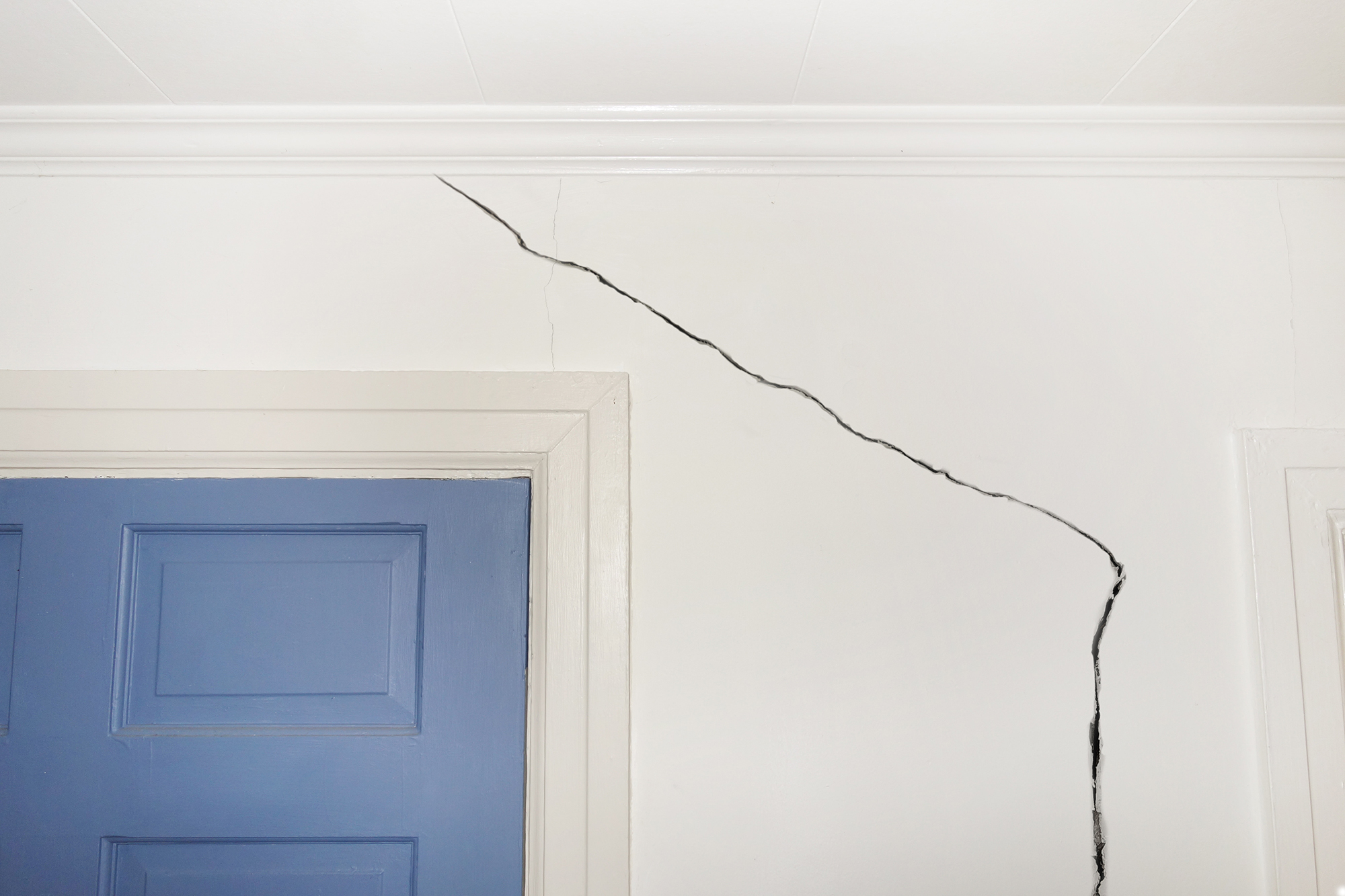
Windows and doors create openings. These openings weaken walls. Heavy loads press down. This pressure concentrates. It puts stress on the framing. The wall above may sag. Cracks can appear then. They often run diagonally.Improper Framing
Framing must be strong. It supports the structure. Poor framing causes issues. Builders might cut corners. They may use wrong materials. Nails might be missing. Studs might be spaced too far. This creates weak points. Walls can buckle under pressure. Cracks are a sign.Expansion And Contraction Of Materials
Wood shrinks and swells. Temperature changes affect it. Humidity plays a role too. Materials expand when warm. They contract when cold. This movement causes friction. It stresses walls. Cracks can form from this. It is a natural process.Environmental Factors
Environmental factors play a big role. Your new house is not immune. The world outside affects your walls. This is a common cause of cracks.
Temperature Swings
Weather changes constantly. Temperatures go up and down. This makes building materials expand. They also contract. This movement stresses the walls. Tiny cracks can appear. They are often hairline. They happen over time. This is normal house behavior.
Vibrations From Construction Or Traffic
New houses settle. Nearby construction causes shaking. Busy roads bring vibrations. Cars and trucks rumble. These shakes travel through the ground. They reach your house foundation. This can cause plaster to crack. It can loosen drywall too. Small cracks might form. It is a sign of movement.
Diy Mistakes
DIY projects can save money. They can also cause problems. Poorly done work leads to cracks. These cracks look bad. They can weaken walls. Let’s explore common DIY mistakes.
Poor Joint Taping
Drywall joints need tape. This tape bridges gaps. It prevents cracks. DIYers often use too little tape. They might not press it down well. The tape can bubble. It can pull away from the wall. This creates weak spots. Cracks often appear here later.
Incorrect Mud Application
Drywall mud covers the tape. It smooths the surface. First coats should be thin. Build up mud slowly. DIYers sometimes apply mud too thick. This adds too much weight. It can stress the tape. Thick mud also shrinks as it dries. This shrinkage causes cracks. Multiple thin coats are best. Sanding between coats is important.
Rushing The Process
Drywall finishing takes time. Each step needs drying. Mud must cure completely. Rushing means skipping steps. It means not waiting long enough. Wet mud is weak. It will crack when dry. Patience is key here. Allow ample drying time. This ensures strong joints. It prevents future cracks.
Identifying Crack Types
Not all wall cracks are the same. Understanding the type of crack helps pinpoint the cause. We will look at common cracks. This helps you know what to expect.
Hairline Cracks
These are very thin cracks. They often look like a single strand of hair. Hairline cracks are very common. They usually appear in new construction. This happens as the house settles. The materials shrink slightly. This causes small surface cracks. They are often cosmetic. They do not usually signal a serious problem.
Stair-step Cracks
These cracks look like stairs. They often form in brick or block walls. The cracks follow the mortar lines. They might go up or down. Stair-step cracks can indicate foundation issues. The foundation may be shifting. Moisture can also cause this. It expands and contracts materials.
Horizontal Cracks
These cracks run straight across. They are parallel to the floor. Horizontal cracks are more concerning. They can mean serious structural problems. The wall might be bowing inward. Soil pressure can push walls. Water saturation can add weight. These cracks need professional inspection.
When To Worry About Cracks
New houses settle. This causes small wall cracks. Most are normal. Big, growing cracks need attention. Watch for them.
When walls crack in a new house, it’s natural to feel concerned. Most small cracks are harmless. They are just part of the settling process. But some cracks signal bigger issues. Knowing when to worry is important. It helps you address problems early. This protects your home’s structure.Growing Or Widening Cracks
Small hairline cracks often appear. They are usually very thin. They do not get bigger. Watch these cracks closely. If a crack starts to grow. It means something is moving. The foundation might be shifting. This movement causes the crack. It gets wider over time. It can also get longer. This is a sign of concern.Cracks Near Doors And Windows
Doors and windows create openings. These areas are weaker spots. Cracks often form around them. Look at the corners. Are they star-shaped? Do they seem to spread outwards? This can indicate pressure. The house structure might be stressed. It is a good idea to investigate.Multiple Large Cracks
One small crack is okay. Many cracks are not. Are there several large cracks? Do they run across your walls? This suggests a widespread problem. It could be a foundation issue. It might be water damage. It could also be soil issues. This requires expert attention. Do not ignore this.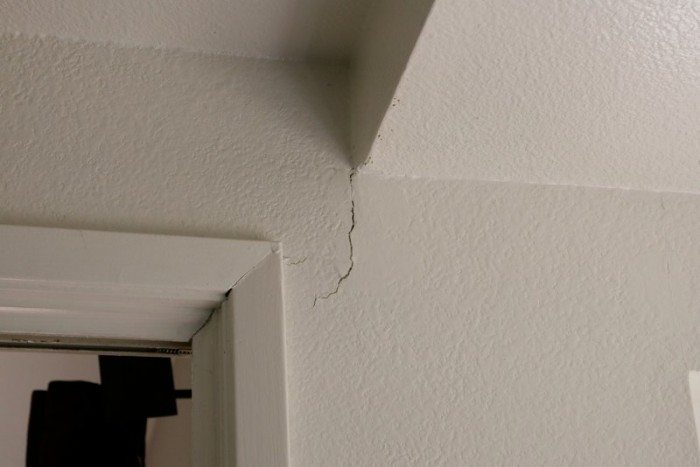
Credit: gosmartbricks.com
Frequently Asked Questions
Why Do New House Walls Crack?
Cracks often appear as homes settle. Materials like wood and concrete shrink slightly. This natural process causes minor stress.
Are Small Cracks In New Homes Normal?
Yes, tiny hairline cracks are common. They usually form in the first year. These are often cosmetic, not structural.
What Causes Foundation Settlement Cracks?
Soil around the foundation can shift. Moisture changes cause expansion and contraction. This movement stresses the foundation walls.
Can Temperature Changes Crack Walls?
Extreme temperature swings can cause issues. Materials expand when hot and contract when cold. This stress can lead to small cracks.
Is Drywall Tape Causing Wall Cracks?
Improperly installed drywall tape can fail. It might not adhere well to the surface. This can reveal seams as cracks.
What If Cracks Get Bigger In My New House?
Monitor any cracks closely. If they widen significantly, seek advice. A professional can assess the cause.
How Can I Prevent Wall Cracks?
Proper construction helps prevent issues. Ensure good drainage around your home. Regular maintenance is also key.
Conclusion
Small cracks are normal. They show your house is settling. Materials shrink and expand. This causes minor wall damage. Most cracks are not a big problem. They are cosmetic. Watch for large, spreading cracks. These may need professional attention. A little understanding helps.
Your new home is still strong.