
That damp, earthy smell after a good rain is usually refreshing. But when your house starts smelling musty, it’s a sign something’s wrong.
You might be wondering, “Why does my house smell musty after rain? ” Don’t worry, you’re not alone. This common problem can be frustrating, but understanding the cause is the first step to fixing it. Keep reading to discover why this happens and, more importantly, how you can get rid of that unpleasant odor for good.
Credit: www.icecleaning.co.uk
The Dampness Dilemma
The Dampness Dilemma. Rain brings life. It also brings moisture. This moisture can cause problems. A musty smell is a common one. Let’s explore why this happens. Understanding the cause helps find solutions.
What’s That Musty Smell?
That unpleasant odor is mold. Or it is mildew. These grow in damp places. They thrive on moisture. They feed on organic materials. Your home has many such materials. Think wood. Think drywall. Think fabrics.
The Rain’s Uninvited Guests
Rainwater can enter your home. It might seep through cracks. It could come from a leaky roof. Poor ventilation traps moisture. Basements are often culprits. Attics can also get damp. Humidity levels rise significantly. This creates perfect conditions.
Moisture’s Entry Points
Rain brings a musty smell. This smell signals a problem. Moisture is finding its way inside. We must find where it enters. This section explores common entry points.
Roof Leaks And Drips
Your roof protects your home. Rain can find weak spots. Cracked shingles let water in. Damaged flashing is also a culprit. Water drips down into your attic. This creates damp, musty air. Check your roof regularly. Repair any damage promptly.
Foundation Seepage Woes
Your home’s foundation is key. Heavy rain can saturate the ground. Water can seep through cracks. It can enter basement walls. This leads to dampness and mold. Mold causes that musty odor. Inspect your foundation for fissures. Address any signs of water entry.
Window And Door Drafts
Windows and doors seal your home. Worn seals let moisture in. Rain can blow through gaps. This happens during storms. Drafty windows are a problem. Leaky door frames are too. Check weather stripping. Replace it if it is old.
Clogged Gutters
Gutters direct rainwater away. Clogged gutters overflow. Water pools near your foundation. It can run down your walls. This saturates the exterior. It then enters your home. Keep your gutters clean. Remove leaves and debris.
Indoor Humidity Hotspots
Rainy weather can create musty house smells. This often happens due to indoor humidity hotspots. These damp areas foster mold growth.
Rain can bring a musty smell. This smell often comes from dampness inside. Certain areas trap moisture easily. These are your indoor humidity hotspots. Identifying them is key. It helps stop that unpleasant odor.Basement And Crawl Space Dampness
Basements and crawl spaces are often dark. They are usually below ground. This makes them prone to moisture. Water can seep through foundation walls. Condensation forms on cool surfaces. This trapped dampness breeds mold. Mold causes the musty smell.Attic Air Traps
Attics can also get humid. Warm, moist air rises. It collects in the attic space. Poor ventilation is a problem. Leaks in the roof let rain in. This moisture stagnates. It creates a perfect breeding ground. For that musty odor.Bathroom And Kitchen Vapors
Bathrooms and kitchens create steam. Showers and cooking produce moisture. This vapor hangs in the air. If not vented properly, it stays. It settles on walls and ceilings. It can seep into cabinets. This leads to dampness and smells.Overwatered Houseplants
Your green friends need water. Too much water is bad. Soil stays too wet. This excess moisture evaporates. It adds humidity to your rooms. The damp soil can also grow mold. This contributes to the musty scent.
Credit: www.restoreit.cleaning
The Culprits: Mold And Mildew
Rain brings relief. It also brings a musty smell. This odor signals hidden problems. Mold and mildew are often the culprits. These tiny organisms thrive in dampness. They can make your home smell unpleasant. They can also affect your health. Let’s uncover these common invaders.
How They Grow
Mold and mildew need moisture. Dampness is their food source. They love dark, humid places. Bathrooms and basements are common. Leaky pipes create perfect conditions. High humidity after rain helps them. Spores are everywhere. They just need water to bloom. Condensation fuels their growth. They spread quickly in wet areas.
Health Concerns
Mold can cause health issues. Some people are sensitive. They may experience allergies. Sneezing is a common symptom. Itchy eyes are another sign. Mold can trigger asthma attacks. Breathing problems can worsen. Some molds produce toxins. These toxins are dangerous. Long-term exposure is harmful. Children are more vulnerable. Elderly people also suffer.
Identifying The Signs
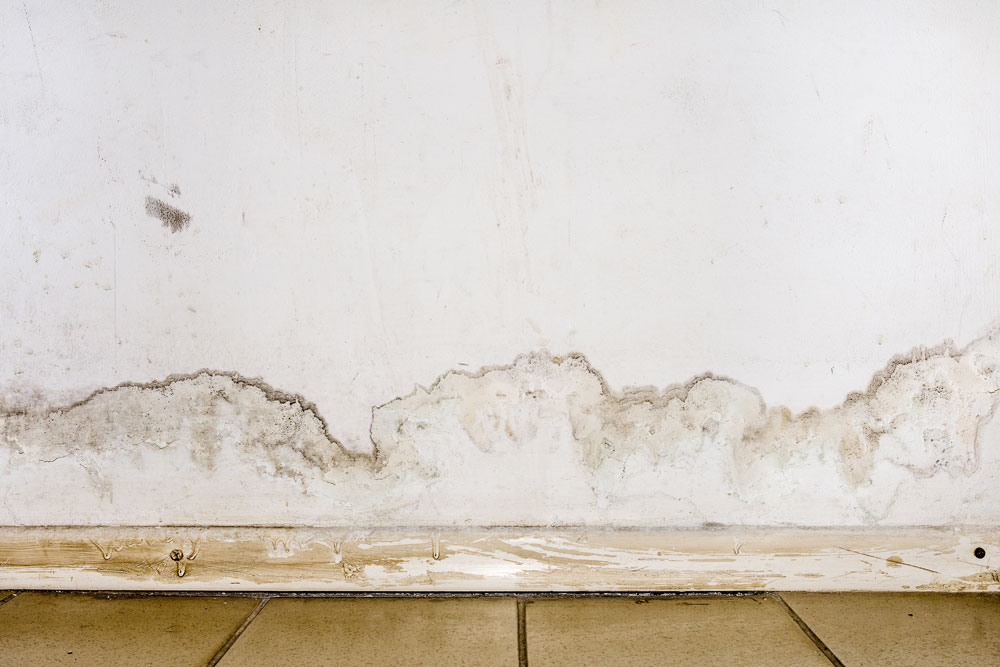
Look for visible mold patches. They can be black or green. They may also be white. A fuzzy texture is common. Mildew often looks powdery. It can be white or gray. Musty odors are a clear sign. You might see water stains. Peeling paint is another clue. Damp spots on walls are warning signs. Check behind furniture. Inspect under sinks. Sniff the air closely. The smell gets stronger in dampness.
Banish The Musty Odor
That damp, musty smell after rain is unpleasant. It signals a problem. It’s time to tackle it. We can make your home smell fresh again. Let’s get rid of that musty odor.
Ventilation Is Key
Open your windows. Let fresh air flow in. This is very important. Circulate air throughout your home. Use fans to help. Good ventilation dries things out. It pushes stale air away. This reduces moisture. It prevents musty smells.
Dehumidify Your Space
Use a dehumidifier. These machines remove moisture. Place them in damp areas. Basements and bathrooms are common spots. Regularly empty the water tank. A dehumidifier keeps air dry. Dry air stops musty odors. It is a simple solution.
Fixing Water Intrusion
Find where water enters. Check for leaks. Look at your roof. Inspect your windows. Seal any cracks or gaps. Repair damaged pipes. Stop water from getting in. This prevents future problems. It keeps your home dry.
Cleaning Mold And Mildew
Mold and mildew cause smells. Clean affected surfaces. Use a mild bleach solution. Or use vinegar. Scrub away the mold. Dry the area completely. Wear gloves and a mask. This removes the source of odor. It makes your home healthier.
Odor Absorbers
Baking soda is a great absorber. Place open boxes around. Activated charcoal also works well. These materials soak up smells. They neutralize odors naturally. Replace them every few months. They keep your air smelling clean. It is an easy fix.

Credit: www.meyer-depew.com
Preventing Future Fiascos
A musty smell after rain is unpleasant. You want to stop it from returning. Preventing future fiascos is key. Take proactive steps now. Your home will thank you later.
Regular Inspections
Check your house often. Look for any damp spots. Inspect your basement and attic. Pay close attention to walls. Small issues can become big problems.
Maintaining Gutters And Downspouts
Clean your gutters regularly. Remove leaves and debris. Ensure downspouts direct water away. Clogged gutters cause overflow. Water can seep into your foundation.
Sealing Cracks And Gaps
Seal any cracks you find. Check around windows and doors. Inspect your foundation for fissures. Use caulk or sealant. Stop water entry points.
Proper Ventilation Habits
Open windows when possible. Use exhaust fans in bathrooms. Run fans in the kitchen. Good air circulation helps. It removes damp air.
Frequently Asked Questions
Why Does My House Smell Musty After Rain?
Moisture is the main culprit. Rain brings humidity. This dampness encourages mold and mildew growth. These fungi create that musty odor.
How Can I Stop Musty Smells From Returning?
Control indoor humidity levels. Use dehumidifiers in damp areas. Ensure good ventilation. Fix any leaks promptly.
What Are The Signs Of Mold In My Home?
Look for visible mold spots. Fuzzy patches are a clue. A persistent musty smell is key. Damp, discolored walls also point to it.
Is A Musty Smell Dangerous For My Health?
Yes, it can be. Mold spores can cause allergies. Some people develop breathing problems. It’s best to address the smell.
What’s The Quickest Way To Get Rid Of Musty Smells?
Open windows for fresh air. Use fans to circulate air. Baking soda absorbs odors well. Activated charcoal also works.
Should I Clean Mold Myself?
For small areas, yes. Use a mild detergent and water. Wear gloves and a mask. For large infestations, call a pro.
How Do I Prevent Moisture Buildup Indoors?
Ventilate bathrooms and kitchens. Fix leaky pipes and roofs. Use exhaust fans regularly. Seal cracks in walls and floors.
Conclusion
Banish that musty odor. Control indoor humidity levels. Ensure good air circulation. Fix any leaks promptly. Dry wet areas completely. Your home will smell fresh again. Enjoy a cleaner living space. Simple steps make a big difference.