
See a straight line crack in your ceiling? Don’t ignore it!
While it might seem like a minor issue, that line could be telling you something important about your home. Understanding what that crack means is the first step to keeping your house safe and sound. You’ll discover the common causes of straight-line ceiling cracks and learn exactly what they signal about your home’s structure.
Keep reading to find out what your ceiling is trying to tell you.
Crack Types Above
Ceiling cracks can look different. Understanding these types helps diagnose problems. Let’s explore crack types above your head.
Hairline Fractures
These cracks are very thin. They look like fine lines. Hairline fractures often appear from normal settling. The house structure shifts slightly. This movement causes tiny cracks. They are usually not a major concern. Inspect them regularly. Watch for any changes.
Wider Gaps
Wider gaps are more serious. They show a bigger issue. These cracks might be growing. They can indicate structural problems. Water damage can cause them. Look for any sagging around the crack. This needs professional attention. A structural engineer can help. They will assess the damage.
Settling Structures
Structures settle over time. This is a natural process. Ceilings can show signs of this. Straight line cracks often appear. These cracks tell a story. They speak of movement within your home. Understanding these cracks is important. It helps you address potential issues.
Foundation Shifts
Your home rests on a foundation. This foundation can move. Soil conditions change. Water can affect the soil. Freezing and thawing cycles cause expansion. This movement is often subtle. It can put stress on your home. Walls might shift slightly. Ceilings can then crack. A straight line crack often follows a beam. It shows where the stress is greatest.
Building Age
Older homes naturally settle. Time takes its toll. Materials age and compact. This settling is expected. It is usually minor. Most homes experience some settling. This can lead to small cracks. Straight line cracks are common. They are often a sign of age. They do not always mean big problems. Regular inspection is still wise. It helps you monitor changes.
Water Damage Signs
A straight ceiling crack can signal water issues. It often means a pipe is leaking above. Prompt repair is important to prevent more damage.
A straight line crack in your ceiling can be a warning. It might signal a bigger problem. Water damage is a common culprit. It often shows up subtly at first. Recognizing these signs is crucial. Early detection saves you money. It prevents further structural issues.Stains And Discoloration
Water leaves its mark. Look for yellow or brown spots. These stains often spread. They appear around the crack. Sometimes, the ceiling paint peels. Water weakens the material. This causes the discoloration. It’s a clear sign of moisture.Mold Growth
Damp areas breed mold. Mold can look fuzzy. It might be black, green, or white. Mold often grows near the crack. It thrives in dark, wet spots. Mold is unhealthy. It can affect your air quality. This is a serious water damage indicator.
Credit: www.trinity-rose.co.uk
Structural Integrity
A straight ceiling crack often signals structural integrity concerns. It can indicate settling or stress within the building’s frame. Addressing it promptly is key for safety.
A straight line crack in your ceiling often signals more than just cosmetic damage. It can be a warning sign about your home’s structural integrity. Understanding these cracks helps you assess potential problems. It is crucial for your home’s safety.Load Bearing Walls
Load bearing walls support your home’s weight. Cracks above these walls are serious. They might indicate the wall is shifting. This shift puts stress on the ceiling. Inspect these areas closely. Small cracks can grow. They can lead to bigger issues.
Roof Issues
Your roof protects your home. Damage to the roof can cause cracks. Water leaks are a common cause. Snow and ice can add weight. This weight stresses the ceiling joists. Look for signs of water stains. Repairing roof issues is vital. It prevents further ceiling damage. A compromised roof weakens your home.
Expansion And Contraction
Ceiling cracks often signal movement within your home. One common cause is simple expansion and contraction. Materials expand when warm. They contract when cold. This natural process affects building materials.
Temperature Fluctuations
Homes experience temperature changes. Summer brings heat. Winter brings cold. Materials like drywall and wood react. They expand in heat. They shrink in cold.
This constant push and pull creates stress. Over time, this stress causes cracks. You might see a straight line crack. It often follows a structural beam. Or it follows a joint in the ceiling material.
Humidity Levels
Humidity also plays a role. High humidity makes materials absorb moisture. Wood swells. Drywall paper can expand. This causes materials to expand.
Low humidity does the opposite. Materials dry out. They shrink. This shrinking action also stresses the ceiling. Straight line cracks can appear. They show where the ceiling is pulling apart.

Credit: eppconcrete.com
When To Call Pros
Some ceiling cracks are minor. Others signal a bigger problem. Knowing when to get expert help is crucial. It protects your home. It keeps your family safe.
Large Or Growing Cracks
A crack is wider than a pencil. It might be a concern. The crack is getting longer. It is also getting wider. This suggests movement. Something is shifting. This needs professional eyes. Pros can find the cause. They can fix it properly.
Multiple Cracks Appearing
You see many cracks. They spread across the ceiling. This is not a good sign. It could mean structural issues. Water damage might be present. Foundation problems can cause this. Don’t ignore this pattern. Call a professional contractor. They have the tools. They have the knowledge.
Repair Options
A straight ceiling crack often means simple settling. Minor repairs usually fix this type of damage. Don’t worry, it’s often a quick fix.
When you spot a straight-line crack in your ceiling, it’s natural to wonder about fixing it. Don’t worry. Several repair options exist. These methods bring your ceiling back to its best.Patching And Filling
Small cracks need simple fixes. You can use spackling paste. Apply it with a putty knife. Smooth it over the crack. Let it dry completely. Sand the area smooth. Then, you can paint it. This blends the repair. It makes the crack disappear.Reinforcement Techniques
Some cracks need more support. A crack may be wider. It might reappear later. Mesh tape can help. Apply self-adhesive mesh tape over the crack. Cover the tape with joint compound. Apply thin coats. Let each coat dry. Sand between coats. This adds strength. It prevents future cracking. Another option is fiberglass mesh. It offers similar reinforcement. Choose the right method. Your ceiling will look great.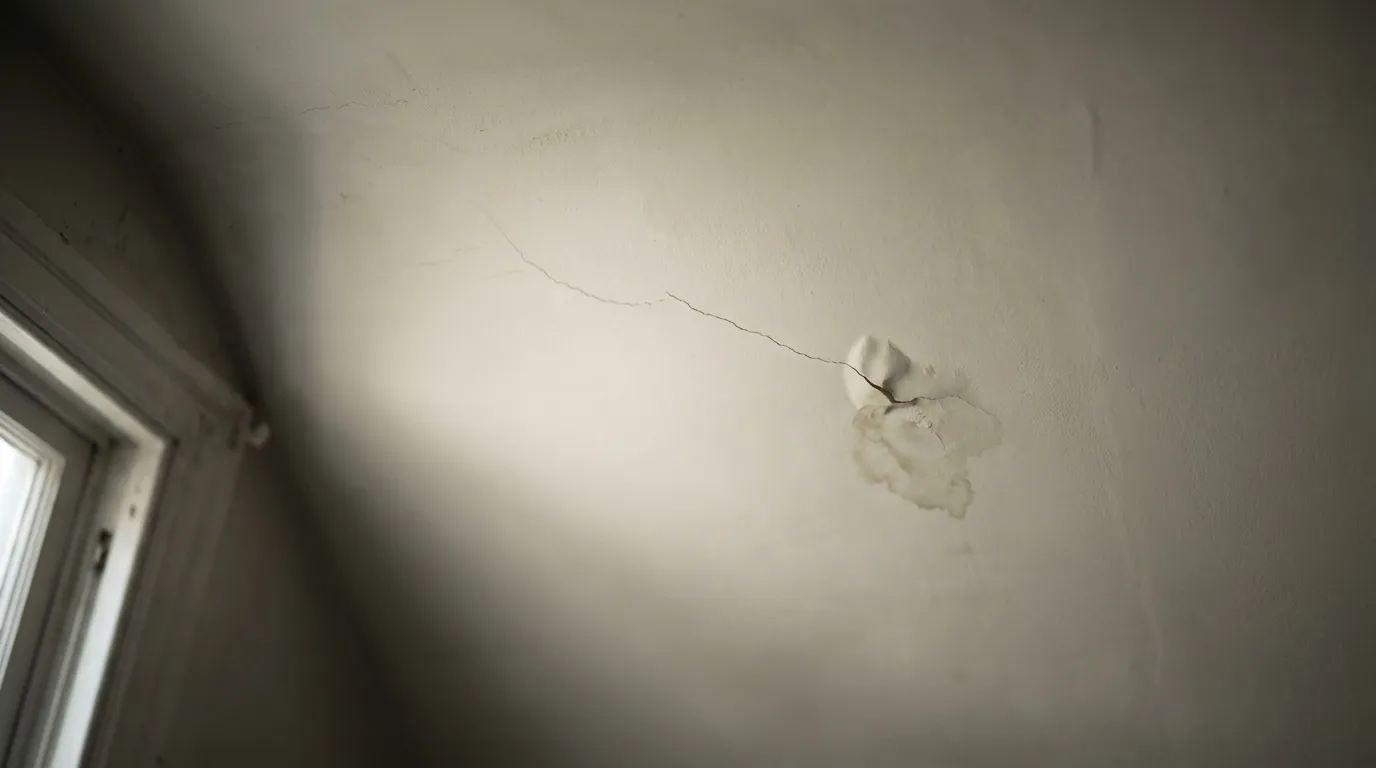
Credit: superbmaintenancegroup.com.au
Frequently Asked Questions
What Does A Straight Ceiling Crack Mean?
A straight crack often signals a structural issue. It could be from house settling or stress in the building.
Are Straight Ceiling Cracks Always Serious?
Not always, but they need attention. Minor cracks might be cosmetic. Bigger ones could indicate problems.
Can A Straight Crack Mean A Water Leak?
Yes, water damage can cause cracks. Look for discoloration or damp spots nearby. This is a key sign.
What Causes Straight Cracks In Ceilings?
House settling is a common cause. Temperature changes can also play a role. Stress on the house structure matters.
Should I Worry About A Hairline Ceiling Crack?
Hairline cracks are often minor. They might just be paint or plaster issues. Keep an eye on them.
How To Fix A Straight Ceiling Crack?
Small cracks can be filled. Larger ones may need professional repair. Patching and repainting is a start.
When Should I Call A Professional For Cracks?
Call a pro if cracks grow. Also, if they are very wide. Water stains are another reason.
Conclusion
A straight ceiling crack is a sign. It often means settling. Your home is just shifting. This is usually normal. Watch for changes. Large cracks need a pro. They can inspect the issue. Don’t ignore bigger problems. A simple crack is okay.
Keep an eye on it.