
Mold. That musty, unpleasant odor can be a real headache, especially when you’ve just spent time and effort cleaning it.
You scrubbed, you sprayed, you aired out your home – so why does that lingering smell persist? You’re probably wondering, “Does mold smell really go away after cleaning? ” It’s a common question, and the answer might surprise you. Keep reading to discover what’s actually happening and how to truly banish that moldy scent from your home for good.
The Lingering Question
You scrubbed. You bleached. You aired out the room. Mold is gone, right? That musty smell should vanish. But it doesn’t always. A faint odor persists. This leaves you wondering. Does mold smell go away after cleaning? It’s a common concern.
Why The Smell Lingers
Mold releases spores. These spores carry a smell. They can get everywhere. Even after cleaning, some remain. The smell comes from mold byproducts. These are often volatile organic compounds. They can cling to surfaces. Think of fabrics and wood. They absorb odors easily.
Hidden Mold’s Role
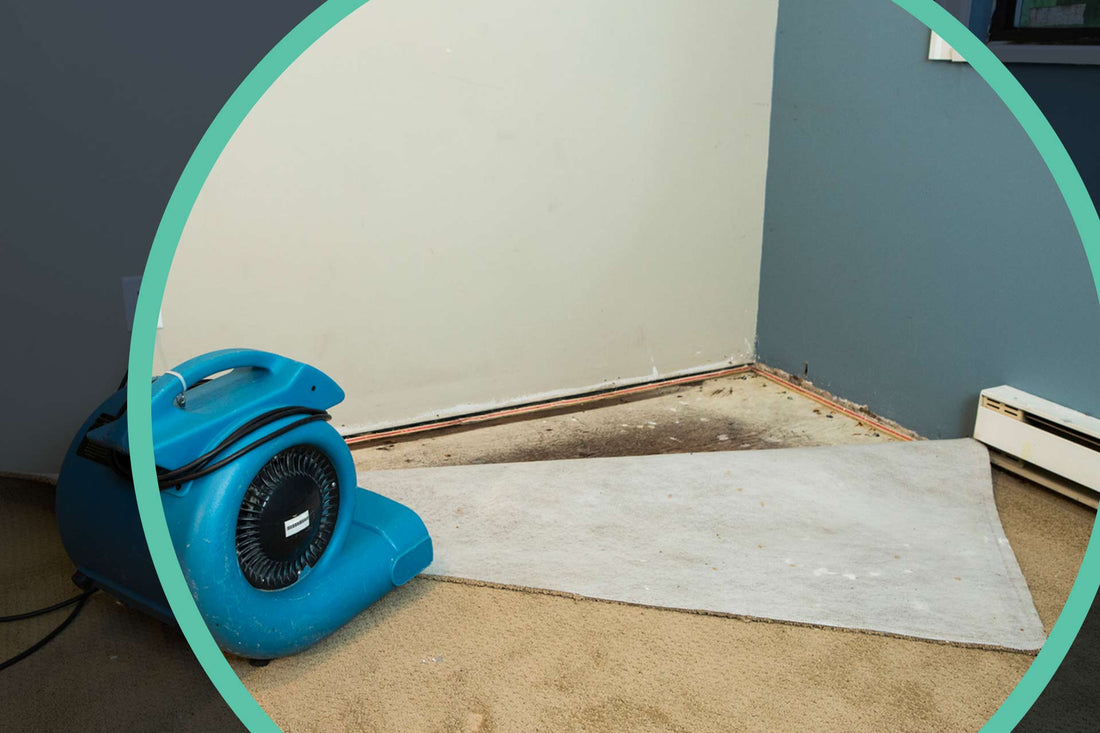
You might have cleaned visible mold. But is it all gone? Mold hides in walls. It hides under flooring. It lurks in ventilation systems. This hidden mold still produces smells. The odor spreads through your home. You cannot see the source. This makes the smell frustrating.
Moisture Is The Culprit
Mold needs moisture to grow. Cleaning removes the mold itself. It does not always fix the moisture problem. Leaky pipes. Poor ventilation. Condensation. These issues create dampness. New mold can start growing. This brings back the musty smell. You must address the dampness.
Cleaning Effectiveness Matters
Did you clean thoroughly? Some cleaning products are better. They kill mold effectively. Others just mask the smell. Did you reach all affected areas? Incomplete cleaning leaves mold behind. The smell will return. Or it never truly left.
Credit: alen.com
Mold’s Odorous Signature
Mold leaves a scent. It’s a distinct smell. This smell signals its presence. It’s mold’s signature.
Why Mold Smells
Mold releases compounds. These are volatile organic compounds. They have a strong odor. This odor is often musty. It can also smell earthy. Sometimes it smells like damp socks. The smell comes from its growth. It happens as mold consumes materials.
What The Smell Tells You
The smell is a warning. It means mold is growing. It needs moisture to grow. The smell indicates a problem. It shows a damp area. That area needs attention. Ignoring the smell is risky. It can harm your health. It can damage your home.
The Cleaning Illusion
The cleaning illusion is a tricky thing. You scrub. You spray. The smell seems gone. But is it truly gone? Often, the mold smell lingers. It hides. It waits. This is the cleaning illusion at play.
Surface Vs. Deep Cleaning
Surface cleaning is quick. It wipes away visible mold. It might remove some surface spores. This cleaning feels good. It looks clean. But mold roots run deeper. They hide in porous materials. Think wood. Think drywall. Surface cleaning misses these roots. The smell remains. It may return stronger.
Masking The Odor
Air fresheners are popular. They smell nice. They cover up bad smells. This is masking. It is not cleaning. The mold is still there. It continues to grow. The odor will eventually return. Fresheners offer temporary relief. They do not solve the problem. True mold removal is needed. The smell needs to be eliminated.

Credit: www.wikihow.com
When The Smell Persists
Mold smell can linger. Even after cleaning, a faint odor might remain. Finding the source is key.
Mold cleaning is done. The musty odor lingers. What now? This smell means mold is still around. It might be hiding. Or it was not fully removed. High moisture can also be the culprit.Hidden Mold Sources
Mold loves dark, damp places. Think behind walls. Check under sinks. Attics can harbor mold. Basements are common spots. Inside HVAC systems, too. This hidden mold releases spores. Spores cause that persistent smell.
Incomplete Removal
Cleaning surface mold is not enough. Mold roots can remain. These roots keep growing. They produce more odor. Thorough cleaning is essential. Every bit of mold must go. Missed spots mean the smell returns.
Humidity And Recurrence
Mold needs moisture to grow. High humidity is its friend. If your home is too humid, mold returns. This restarts the smell problem. Fix the moisture issue first. Use dehumidifiers. Improve ventilation. Dry wet areas promptly.
Effective Mold Remediation
Mold smell often lingers even after cleaning. Proper remediation removes the source. This ensures the musty odor disappears completely.
Mold remediation is key. It stops the smell from returning. Proper steps prevent future growth. This ensures a healthy home.Identifying The Source
Proper Cleaning Techniques
Drying And Ventilation
Professional Help Is Key
Sometimes DIY mold cleaning isn’t enough. The smell might linger. This signals a deeper problem. Professional mold remediation is often the best solution. They have the tools. They have the knowledge.
When To Call Experts
Is the mold returning? Does the smell persist? These are red flags. Large mold patches are a concern. Mold in your HVAC system is serious. Water damage often means hidden mold. If you see these signs, call pros. Your health is important.
What Professionals Do
Experts find the mold source. They use special equipment. They contain the affected area. They remove mold safely. They clean and dry everything. They prevent mold from growing back. They ensure your air is clean. They restore your peace of mind.
Preventing Future Odors
Preventing future mold odors is key. Cleaning mold is only half the battle. You need to stop it from coming back. This keeps your home smelling fresh. It also protects your health.
Controlling Moisture
Mold needs moisture to grow. Fix leaky pipes right away. Dry wet areas quickly. Use exhaust fans in bathrooms. Ventilate your kitchen well. Check for condensation often. Poor ventilation fuels mold.
Regular Inspections
Look for mold often. Check under sinks. Inspect around windows. Look in basements and attics. Small problems become big ones. Early detection saves trouble. Regular checks prevent odors.
Air Quality Solutions
Improve your indoor air. Use a dehumidifier. It removes extra moisture. Air purifiers help too. They filter out mold spores. Keep air circulating. Open windows when possible. Good airflow fights mold.

Credit: www.wikihow.com
Frequently Asked Questions
Does Mold Smell Vanish After Cleaning?
The musty odor often fades quickly. Residual mold spores or dampness can prolong the smell. A thorough cleaning is key.
How Long Does Mold Smell Last?
Usually, the odor disappears within a day or two. Persistent smells suggest deeper mold issues. Address the moisture source.
Why Does My House Still Smell Like Mold?
Lingering smells mean mold might still be present. Moisture in hidden areas causes this. Check walls and under carpets.
Can Mold Smell Return After It’s Gone?
Yes, if the moisture problem isn’t fixed. Mold needs dampness to grow and smell. Repair leaks promptly.
What Is The Best Way To Remove Mold Smell?
Clean the mold thoroughly first. Use a mold cleaner. Then, ventilate the area well. Baking soda can absorb odors.
Is The Mold Smell Harmful To Health?
Mold spores can cause allergies. Breathing them in is not good. Clean mold promptly for safety.
When Should I Call A Mold Professional?
Call a pro for large infestations. Also, if the smell returns often. They can find hidden mold.
Conclusion
Mold smell doesn’t always vanish. Thorough cleaning is essential. Address the moisture source. This prevents mold regrowth. Lingering odors signal hidden issues. Professional help might be needed. Protect your home’s health. Don’t ignore persistent smells.