
Thinking about an IKEA kitchen? You’re not alone!
Their sleek designs and budget-friendly prices are super appealing. But when you’re planning your dream kitchen, you probably wonder, “What exactly are those IKEA kitchen cabinets made of? ” It’s a smart question to ask. Knowing the materials helps you understand durability, care, and even how they’ll fit into your home.
Keep reading, and we’ll break down the common materials IKEA uses, so you can make the best choice for your kitchen.
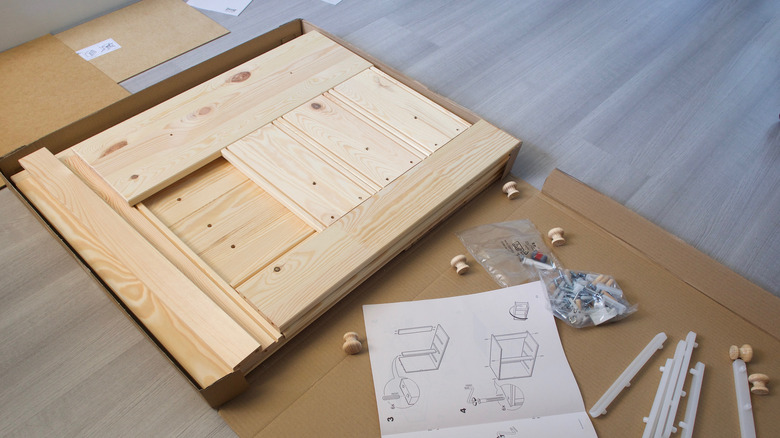
Credit: www.housedigest.com
Ikea Cabinet Core Materials
IKEA kitchen cabinets use particleboard and fiberboard. These are strong, affordable wood-based panels. They often have a durable laminate or foil finish.
Ikea Cabinet Core Materials When you’re planning your dream kitchen, the cabinets are a huge part of the picture. But have you ever stopped to wonder what’s actually inside those sleek IKEA fronts? Understanding the core materials of IKEA cabinets is key to knowing their durability, how they’ll perform over time, and even how easy they are to assemble. Let’s take a closer look at what makes up the backbone of these popular kitchen components. Particleboard: The Foundation Many IKEA cabinets start with particleboard as their base. This material is made from wood chips, sawdust, and other wood particles that are pressed together with resin. It’s a cost-effective option that provides a solid surface for cabinet construction. Think of it as the sturdy, reliable foundation of your kitchen storage. Particleboard is a great choice for areas that don’t experience a lot of moisture. It’s generally stable and holds screws well, making assembly straightforward. This is why it’s so common in ready-to-assemble furniture. Medium-Density Fiberboard (MDF): A Smoother Surface Next up is Medium-Density Fiberboard, or MDF. MDF is created from wood fibers that are broken down and then compressed with wax and resin. This process results in a denser, more uniform panel compared to particleboard. MDF offers a smoother surface, which is excellent for painted finishes. It’s less prone to splintering than particleboard, giving you a cleaner look. I’ve found MDF to be particularly good for cabinet doors where a flawless paint job is desired. Plywood: Strength and Stability Plywood is another common material in IKEA cabinets, often used for the sides or backs. It’s made by layering thin sheets of wood veneer and gluing them together with the grain of each layer running in a different direction. This cross-graining makes plywood incredibly strong and resistant to warping. This layered construction gives plywood excellent structural integrity. It’s a fantastic choice for areas that need to bear weight or withstand movement. If you’re looking for long-term stability, plywood is your go-to.:max_bytes(150000):strip_icc()/IKEA-Sektion-Kitchen-Cabinets-56a4a1413df78cf772835321.JPG)
Credit: www.thespruce.com
Cabinet Finishes And Surfaces
Ikea kitchen cabinets offer many choices. Cabinet finishes and surfaces change your kitchen’s look. They also affect durability. Choosing the right finish is important. It impacts style and maintenance. Consider your needs carefully. Ikea provides diverse options. Let’s explore them.
Laminate: Durability And Design
Laminate is a popular choice. It’s very strong. It resists scratches well. It also handles moisture. This makes it great for kitchens. Laminate comes in many styles. You can find wood grains. You can see solid colors too. It’s also easy to clean. Wipe it with a damp cloth. Laminate offers great value. It’s a practical option.
Veneer: Natural Wood Look
Veneer uses thin wood layers. It gives a real wood feel. This adds warmth to kitchens. Each veneer is unique. It shows natural wood patterns. Veneer is attractive. It looks like solid wood. It’s usually more affordable. Wood veneer needs care. Protect it from excess water. Clean it gently. It offers a natural beauty.
Painted Finishes: Color And Style
Painted finishes offer color. You can choose any shade. This lets you personalize your kitchen. Painted cabinets create a specific style. They can be modern or classic. You can get a smooth look. Or a slightly textured finish. Paint can chip over time. Touch-ups might be needed. It’s a bold design choice. You control the kitchen’s mood.
Foil Finishes: Cost-effective Appeal
Foil finishes are budget-friendly. They use a thin foil layer. This is applied to the cabinet. It mimics other materials. You can get a wood look. Or a matte finish. Foil is lightweight. It’s easy to install. This keeps costs down. Foil can be less durable. It might scratch or peel. It’s a good option for tight budgets. It provides an updated look.
Hardware And Fixtures
IKEA kitchen cabinets are more than just wood panels. Hardware and fixtures are vital. They ensure smooth operation. They also add personal style. These parts make the cabinets functional. They are also decorative elements.
Hinges And Drawer Slides: Functionality
Hinges control door movement. They let doors open and close. IKEA uses quality hinges. Most are soft-close. This prevents slamming. Drawer slides guide drawers. They allow smooth sliding. Many IKEA slides are also soft-close. This adds a touch of luxury. These parts are built to last. They handle daily use well.
Handles And Knobs: Style Accents
Handles and knobs define cabinet style. They are the jewelry. IKEA offers many options. You can choose modern looks. You can pick classic designs. Simple pulls are popular. Or go for ornate knobs. These small details matter. They personalize your kitchen space. They match your overall decor. They are easy to swap out.
Legs And Support Systems
Cabinets need strong support. IKEA cabinets use legs. These legs hold the weight. They keep cabinets stable. Some systems use plinths. This creates a seamless base. Adjustable legs are common. They help level uneven floors. These unseen parts are crucial. They ensure cabinet integrity. They provide a solid foundation.
Environmental Considerations
IKEA kitchen cabinets consider our planet. They aim for responsible production. This means thinking about materials and their impact.
Sustainable Sourcing
IKEA sources wood responsibly. They use wood from forests. These forests are managed well. This helps protect nature.
Recycled Content
Many IKEA cabinets use recycled parts. They use recycled plastic and metal. This reduces waste. It gives materials a new life.
Low-voc Emissions
IKEA works to lower emissions. Their cabinets release fewer harmful gases. These are called VOCs. This makes your home healthier. It is better for the air you breathe.
Comparing Ikea Cabinet Materials
IKEA kitchen cabinets offer many choices. Understanding materials helps you decide. We compare IKEA cabinet materials here.
Durability Factors
IKEA cabinets use different materials. Particleboard is common. It is strong. It holds screws well. MDF is another option. It is denser than particleboard. This makes it very durable. Solid wood fronts are also available. They offer natural beauty. They are also very strong. Consider your kitchen’s use. Heavy use needs stronger materials. Think about moisture exposure. Some materials handle moisture better. Each material has strengths. Choose what fits your needs.
Aesthetic Choices
IKEA offers many looks. Laminate finishes are popular. They come in many colors. They mimic wood grain. They are easy to clean. Painted finishes give a smooth look. They offer a modern feel. They come in many shades. Wood veneer offers a natural look. It has real wood grain. It is less expensive than solid wood. Glass doors add light. They show off your dishes. Mix and match fronts. Create a unique style. Your kitchen should reflect you.
Budget-friendly Options
IKEA cabinets are affordable. Particleboard cabinets are cheapest. They are a great starting point. MDF cabinets cost a bit more. They offer better durability. Laminate finishes are budget-friendly. They are also easy to maintain. Consider open shelving. This saves on cabinet doors. DIY installation saves money. IKEA makes installation simple. Plan your layout carefully. Avoid costly changes later. Smart choices save you money.

Credit: www.youtube.com
Frequently Asked Questions
What Materials Form Ikea Kitchen Cabinets?
IKEA cabinets use particleboard and fiberboard. These are engineered wood products. They are often covered with plastic laminate or foil.
Are Ikea Cabinets Solid Wood?
No, most IKEA cabinets are not solid wood. They use composite materials for the main structure. Some doors might have wood veneers or solid wood accents.
What Is Particleboard In Ikea Cabinets?
Particleboard is made from wood chips and sawdust. These are bonded together with resin. It’s a strong, cost-effective material.
What Is Fiberboard In Ikea Cabinets?
Fiberboard uses wood fibers pressed together. It’s denser than particleboard. This material offers good stability.
Do Ikea Cabinets Use Mdf?
Yes, IKEA often uses MDF (Medium-Density Fiberboard). MDF is a type of fiberboard. It’s smooth and good for painting.
What Finishes Are On Ikea Cabinets?
Finishes include foil, laminate, and veneer. Some doors have painted surfaces. These provide different looks and durability.
Are Ikea Cabinet Materials Durable?
Yes, these materials are quite durable. They hold up well to daily use. Proper care ensures a long lifespan.
Conclusion
Ikea kitchen cabinets use particleboard and fiberboard. These are common materials. They offer affordable choices. Melamine foil covers many surfaces. This adds durability. Solid wood accents exist too. Understand these components. Make smart kitchen decisions. Your kitchen matters.