
If you’ve ever wondered why your water heater system sometimes makes strange noises or why the pressure gauge spikes unexpectedly, the answer might lie in one simple part: the expansion tank. But where should this small yet crucial tank be located?
Getting the expansion tank in the right spot can save you from costly repairs and keep your hot water flowing smoothly. You’ll discover exactly where your water heater expansion tank should be installed and why its position matters more than you might think.
Keep reading to protect your home and get the most out of your water heater system.
Why Expansion Tanks Matter
Expansion tanks play a key role in water heating systems. They protect your plumbing and water heater from damage. Without an expansion tank, pressure inside pipes can build up. This can lead to leaks or bursts. Understanding why expansion tanks matter helps you maintain a safe system.
Role In Water Heating Systems
Water heats and expands inside the tank. This expansion raises pressure in the pipes. An expansion tank absorbs this extra pressure. It acts as a cushion to balance the water flow. This keeps the system stable and prevents stress on pipes and valves.
Preventing Pressure Damage
High pressure can damage plumbing fixtures and the water heater. It may cause leaks or shorten the heater’s life. The expansion tank reduces pressure spikes by holding extra water volume. This protects your home’s plumbing and avoids costly repairs.
Ideal Expansion Tank Placement
Choosing the right spot for your water heater expansion tank matters a lot. The tank must work well with your plumbing system. Proper placement helps protect pipes and fixtures from pressure changes. It also keeps the system safe and efficient. Understanding where to place the expansion tank can save time and money. Let’s explore the ideal locations for this important part.
Near The Water Heater
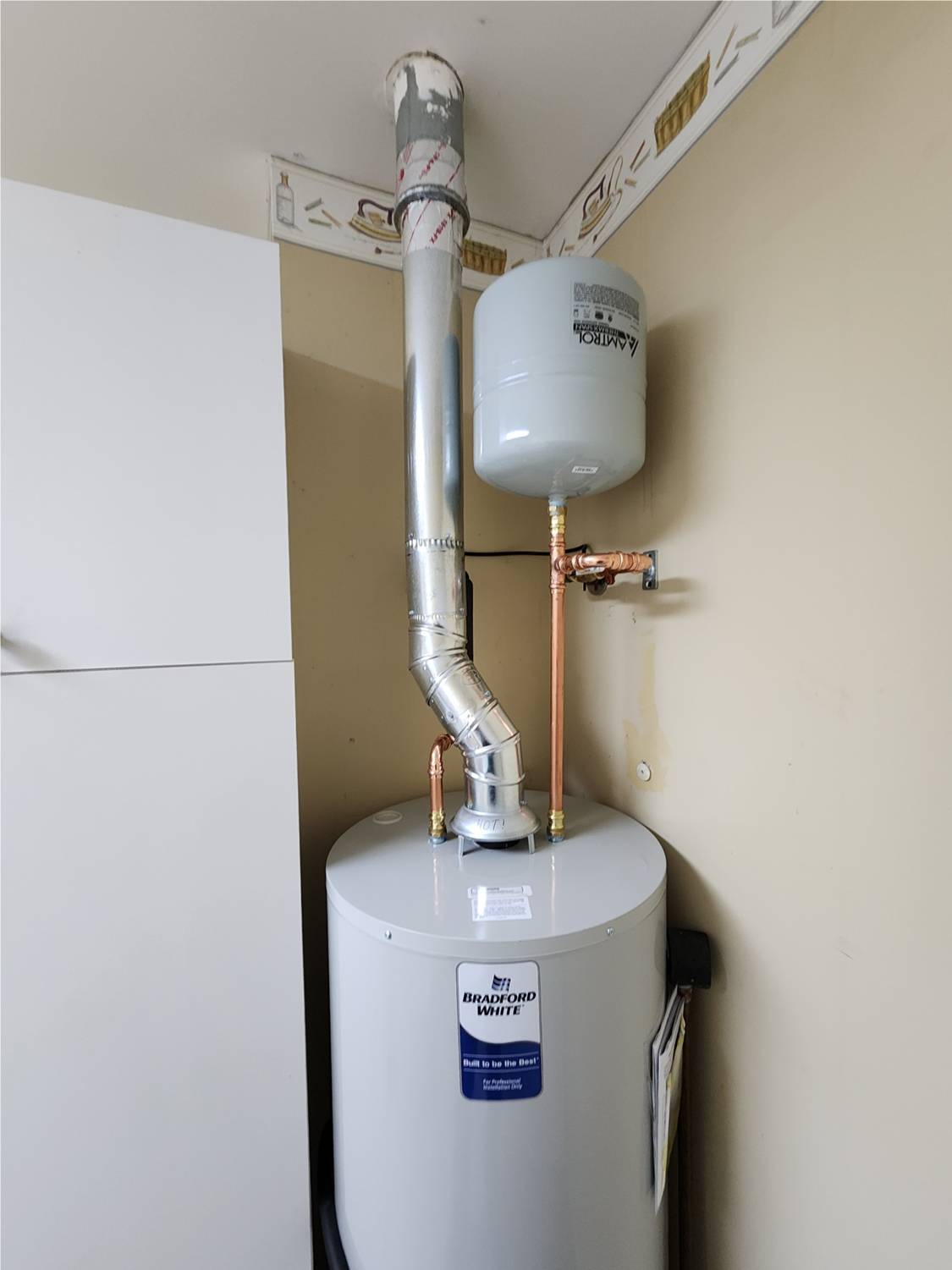
Place the expansion tank close to the water heater. This keeps the pressure balanced in the system. It helps the tank react quickly to water heating changes. Plumbing connections stay short and simple. This reduces the risk of leaks or damage. The tank should be mounted on the cold water line going into the heater. This is the best spot for easy access and maintenance.
Close To The Main Water Supply
Another good place is near the main water supply line. This helps control pressure before water reaches your home’s pipes. It protects all plumbing fixtures from pressure spikes. The tank should be installed on the cold water line after the shutoff valve. This ensures better pressure control throughout the house. It also keeps the water heater safer.
Avoiding Freezing And Heat Exposure
Keep the expansion tank away from freezing temperatures. Freezing can damage the tank and plumbing. Avoid placing the tank in unheated areas like garages or crawl spaces. Also, keep the tank away from direct heat sources. Excess heat can weaken the tank’s materials. Choose a dry, temperature-controlled spot for longer tank life. Proper insulation helps prevent freezing in colder climates.
Installation Tips For Expansion Tanks
Installing a water heater expansion tank correctly ensures your system works smoothly. The right setup prevents pressure problems and extends the life of your water heater. Follow these tips for a proper installation.
Proper Mounting Techniques
Mount the expansion tank on a solid wall near the water heater. Use strong brackets to hold its weight. Keep the tank upright to prevent damage. Avoid hanging it from pipes or weak surfaces. Secure the tank firmly to reduce vibrations.
Using The Right Connectors
Choose connectors that fit your tank and water system. Use flexible copper or stainless steel connectors for durability. Avoid plastic fittings that may crack under pressure. Tighten all connections to stop leaks. Check seals and gaskets before installation.
Ensuring Easy Access For Maintenance
Place the tank where it is easy to reach. Leave enough space around it for inspections. Easy access helps with regular checks and repairs. Avoid tight corners or hidden spots. This saves time and effort during maintenance.

Credit: forms.iapmo.org
Common Placement Mistakes
Placing a water heater expansion tank incorrectly can cause many problems. These mistakes reduce the tank’s effectiveness and may damage your plumbing system. Understanding common placement errors helps avoid costly repairs. Here are some frequent mistakes to watch out for.
Too Far From The Heater
Placing the expansion tank too far from the water heater reduces its ability to absorb pressure. The tank must be close to the heater to work correctly. A distant tank causes pressure spikes and leaks in pipes. Keep the tank within a few feet of the heater for best results.
Improper Pipe Connections
Incorrect pipe connections can stop the expansion tank from working. The tank should connect to the cold water line, not the hot water line. Using the wrong pipe or fitting can cause water flow issues and pressure build-up. Always use proper fittings and connect the tank as recommended.
Ignoring Local Code Requirements
Many local codes set rules for expansion tank installation. Ignoring these rules risks safety and legal trouble. Codes may specify tank size, location, and pipe materials. Follow local regulations to ensure your installation is safe and compliant. Check with local authorities before installation.
Sizing Expansion Tanks Correctly
Proper placement of a water heater expansion tank ensures it works effectively. Position it near the water heater on the cold water line. Correct sizing depends on the tank’s location and system pressure.
Matching Tank Size To Water Heater
Choosing the right size expansion tank is important for your water heater.
The tank must handle the extra water volume from heating.
A tank too small can cause pressure problems and damage pipes.
Check your water heater’s capacity before selecting an expansion tank.
Expansion tanks come in different sizes, usually measured in gallons.
Match the tank size closely to your water heater’s gallon rating.
Calculating Expansion Volume
Water expands as it heats, increasing system pressure.
Calculate the expansion volume to pick the right tank size.
This volume depends on your water heater size and water temperature rise.
Use a simple formula: expansion volume equals water heater capacity times expansion coefficient.
The expansion coefficient shows how much water expands with heat.
Knowing this helps select an expansion tank that absorbs pressure safely.

Credit: kcwaterheater.com
Maintenance And Troubleshooting
Proper maintenance and troubleshooting of the water heater expansion tank keep your system running smoothly. Regular checks help avoid damage and costly repairs. Knowing what signs to watch for can save time and money.
Checking Pressure Levels
Use a pressure gauge to check the tank’s air pressure. The pressure should match your home’s water pressure, usually around 40-60 psi. Low pressure means the tank may not absorb water expansion properly. High pressure can cause leaks or damage.
Check pressure monthly. Adjust air levels using a tire pump or release air if needed. Proper pressure keeps your water heater safe and efficient.
Identifying Tank Failures
Look for water leaks around the tank or corrosion on the tank surface. Strange noises from the heater might signal tank problems. A swollen or rusted tank often means failure.
Watch for frequent water heater pressure relief valve releases. This can indicate the expansion tank is not working correctly. Early detection helps prevent bigger issues.
When To Replace The Tank
Replace the expansion tank if it leaks, rusts, or loses pressure quickly. A tank older than 5-7 years may need replacement. Frequent pressure problems also suggest a new tank is necessary.
Replacing the tank ensures your water heater stays safe and lasts longer. Choose the right size and type for your system.
Credit: applauseplumbing.com
Frequently Asked Questions
Where Should A Water Heater Expansion Tank Be Installed?
The expansion tank should be installed near the water heater’s cold water inlet. This helps absorb extra pressure caused by heated water expansion.
Can The Expansion Tank Be Placed Above The Water Heater?
Yes, placing the expansion tank above the water heater is common. It allows gravity to help reduce pressure in the system.
Is It Okay To Install The Expansion Tank Outside The Water Heater Closet?
Installing the tank outside the closet is fine if it stays close to the heater. Distance affects how well the tank controls pressure.
Why Is The Expansion Tank Location Important For Water Heaters?
Proper location prevents pressure build-up that can damage pipes and the heater. It keeps your plumbing system safe and working well.
How High Should The Expansion Tank Be Mounted?
Mount the tank at or slightly above the water heater’s inlet. This position helps maintain correct pressure and prevents water hammer.
Can The Expansion Tank Be Installed Horizontally Or Vertically?
The tank can be installed in either position as long as it is supported. Both orientations work well for pressure control.
What Happens If The Expansion Tank Is Too Far From The Heater?
A distant tank may not relieve pressure efficiently. This can lead to leaks and damage in your plumbing system.
Conclusion
Placing the water heater expansion tank correctly helps protect your plumbing system. It reduces pressure and prevents damage to pipes and the heater. Mount it near the water heater on the cold water line for best results. Check the tank regularly to ensure it works well.
Proper installation keeps your hot water system safe and efficient. Small steps like this save you time and money in repairs later. Keep your home’s water system running smoothly by choosing the right tank location. Simple, smart care makes a big difference.