
Is your toilet tank losing water, but you can’t find any leaks? This can be frustrating and confusing.
You might worry about wasting water or facing a high bill, but not know where to start fixing the problem. The good news is that you don’t have to guess or call a plumber right away. You’ll discover simple reasons why your toilet tank loses water without any visible leaks.
By understanding these hidden causes, you can save water, protect your bathroom, and avoid costly repairs. Keep reading to find out what’s really happening inside your toilet tank—and how you can fix it quickly.

Credit: www.youtube.com
Common Causes Of Water Loss
Water loss in a toilet tank without a visible leak can be confusing. Many factors inside the tank cause water to disappear slowly. Understanding these common causes helps find the problem fast. Fixing them saves water and prevents higher bills.
Faulty Flapper Valve
The flapper valve controls water flow from the tank to the bowl. A worn or damaged flapper lets water leak continuously. It may not seal properly after flushing. This slow leak causes the tank to lose water without visible leaks outside.
Worn Flush Valve Seat
The flush valve seat is the base where the flapper rests. Over time, it can wear out or get dirty. This prevents a tight seal, allowing water to leak into the bowl. Cleaning or replacing the seat stops the water loss.
Incorrect Water Level
Water level too high causes constant overflow into the toilet’s overflow tube. This results in water loss from the tank. Adjusting the water level to the correct mark stops water from spilling over.
Malfunctioning Fill Valve
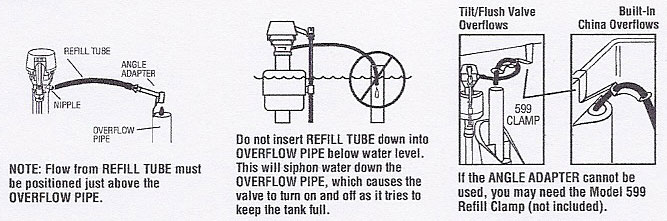
The fill valve controls water entering the tank. A faulty valve may keep letting water in even after the tank is full. This causes water to drain through the overflow tube slowly. Repairing or replacing the valve fixes this issue.
Cracked Overflow Tube
The overflow tube directs excess water into the toilet bowl. Cracks or damage in the tube cause water to leak inside the tank. This water loss is not visible outside but empties the tank slowly. Replacing the cracked tube solves the problem.
Credit: www.rivermedcenter.net
Diagnosing The Issue
When your toilet tank loses water but shows no visible leak, finding the cause can be tricky. Diagnosing the issue means checking parts inside the tank carefully. This helps you spot small problems early. Fixing these can save water and avoid bigger repairs.
Performing A Dye Test
A dye test helps find hidden leaks inside the tank. Add a few drops of food coloring or dye to the tank water. Wait 15 to 20 minutes without flushing. If colored water seeps into the bowl, it means water is leaking from the tank. This test shows invisible leaks quickly and easily.
Checking The Flapper Condition
The flapper is a rubber part that seals the flush valve. If it is worn or warped, water leaks from the tank to the bowl. Look for cracks, warping, or mineral build-up. Press down on the flapper and see if it seals tightly. Replace it if it looks damaged or does not close properly.
Inspecting The Fill Valve
The fill valve controls water flow into the tank. If it is faulty, water may overflow or trickle down slowly. Check if the valve shuts off fully after the tank fills. Look for signs of wear, debris, or corrosion. Clean or replace the fill valve for proper water control.
Monitoring Water Level
Water level inside the tank affects how much water leaks or overflows. It should be about an inch below the overflow tube top. If it is too high, water may spill into the tube constantly. Adjust the float arm or fill valve to set the correct water level. Watch the level for a few days to confirm stability.
Quick Fixes For Water Loss
Toilet tanks losing water without a leak can waste a lot of water. Small issues inside the tank often cause this problem. Fixing these problems is usually simple and fast. Here are some quick fixes to stop water loss and save water.
Replacing The Flapper
The flapper controls water flow from the tank to the bowl. A worn or warped flapper lets water escape slowly. Turn off the water supply, drain the tank, and remove the old flapper. Install a new one that fits your toilet model. This fix often stops water loss quickly.
Adjusting The Water Level
Water may overflow the tank if the water level is too high. Check the float inside the tank. Lower the float to reduce the water level. This adjustment stops water from spilling into the overflow tube. It also prevents constant water refilling.
Cleaning Or Replacing The Fill Valve
The fill valve refills the tank after flushing. Dirt or debris can block it, causing water loss. Clean the valve by flushing it with water or replace it if needed. This step ensures proper water flow and saves water.
Sealing The Flush Valve Seat
The flush valve seat holds the flapper in place. Mineral build-up or damage can cause water to leak past it. Clean the valve seat with a cloth or fine sandpaper. Replace it if cleaning does not help. A tight seal stops water loss.
Fixing The Overflow Tube
The overflow tube prevents the tank from overfilling. If it is cracked or too short, water leaks constantly. Replace or adjust the overflow tube to the correct height. This fix stops water from draining out unnecessarily.
Preventive Maintenance Tips
Preventive maintenance helps keep your toilet tank working well. It stops small problems from turning into big issues. Regular care saves water and money. It also keeps your bathroom fresh and clean.
Regular Inspections
Check your toilet tank often for any signs of wear. Look at the flapper, fill valve, and other parts. Make sure everything moves smoothly. Catching problems early prevents water loss and damage.
Using Quality Replacement Parts
Use parts made to fit your toilet model. Cheap parts wear out fast and cause leaks. Good parts last longer and work better. They help keep your toilet tank sealed tight.
Avoiding Harsh Chemicals
Do not use strong chemicals in the tank. They can damage rubber and plastic parts. This damage causes water to leak slowly. Use gentle cleaners made for toilets instead.
Routine Cleaning
Clean the tank and bowl regularly to remove dirt and build-up. Use a soft brush and mild cleaner. Clean parts work better and last longer. This also stops bad smells and stains.
When To Call A Professional
Knowing when to call a professional can save time and prevent bigger problems. Some toilet tank issues seem simple but need expert care. A plumber can spot hidden problems fast. Here are signs that call for professional help.
Persistent Water Loss
Water loss that never stops needs a plumber’s check. You might fix small leaks, but constant water loss wastes water and money. Professionals find hard-to-see issues and fix them properly. Don’t let water run all day without help.
Complex Plumbing Issues
Plumbing inside the wall or under the floor can be tricky. If water loss relates to pipes beyond the tank, call a plumber. These issues need special tools and skills. Trying to fix complex problems alone can cause more damage.
Tank Or Bowl Cracks
Cracks in the tank or bowl cause water loss without clear leaks. Sometimes cracks are small and hard to spot. A plumber can find and repair or replace cracked parts. Ignoring cracks may lead to sudden flooding or bigger repairs.

Credit: www.reddit.com
Frequently Asked Questions
Why Is My Toilet Tank Losing Water Without Visible Leaks?
A common cause is a faulty flapper valve inside the tank. Water seeps through, lowering the water level without outside leaks.
How Can I Check For A Silent Toilet Tank Leak?
Add food coloring to the tank water and wait 15 minutes. If colored water appears in the bowl, the flapper is leaking.
What Causes The Toilet Tank To Lose Water Slowly?
Worn-out flappers, damaged fill valves, or cracks in the overflow tube often cause slow water loss in the tank.
Can A Faulty Fill Valve Make A Toilet Tank Lose Water?
Yes, a fill valve that doesn’t shut off properly allows water to run continuously, lowering the tank’s water level.
How Do I Fix A Toilet Tank That Keeps Losing Water?
Replace the flapper or adjust the fill valve. These simple fixes usually stop water loss without leaks.
Does The Overflow Tube Affect Water Loss In A Toilet Tank?
A cracked or too-low overflow tube can drain water from the tank into the bowl. Check and adjust its height if needed.
How Often Should I Inspect My Toilet Tank Components?
Inspect parts every 6 months to catch wear early. Regular checks prevent water loss and save on water bills.
Conclusion
A toilet tank losing water but showing no leak can be confusing. Small issues like a worn flapper or a faulty fill valve often cause this. Checking these parts can save water and money. Fixing the problem early keeps your toilet working well.
Don’t ignore constant water loss; it can lead to bigger problems. Simple steps can make a big difference in your bathroom. Stay attentive to your toilet’s behavior to avoid waste. Keeping it in good shape helps your home run smoothly.