
Cubital Tunnel: The Basics
Understanding cubital tunnel syndrome is key. This section explains the basics. It helps you grasp the issue. You can then manage it better. Knowing the facts empowers you. This knowledge is important.
What Is Cubital Tunnel Syndrome?
Cubital tunnel syndrome is common. It affects your elbow. A nerve gets pinched there. This nerve is the ulnar nerve. It runs down your arm. It reaches your hand. The pinch causes problems.
Nerve Pathway And Symptoms
The ulnar nerve travels a path. It goes through a tunnel. This tunnel is at your elbow. It is called the cubital tunnel. Pressure builds in this tunnel. This pressure irritates the nerve. You might feel tingling. Numbness can occur too. Your little finger may feel strange. Your ring finger might also tingle. Weakness in your hand is possible. Gripping things becomes hard. These symptoms can worsen over time.
Desk Setup For Relief
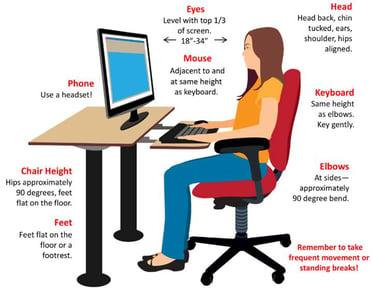
Proper sitting helps cubital tunnel pain. Keep your elbows at a 90-degree angle. Avoid resting your elbows on the desk. This simple setup can bring relief.
Your desk setup is crucial. It directly impacts your comfort. Proper ergonomics can ease cubital tunnel pain. We will guide your desk adjustments. Make your workspace work for you. Find relief right at your desk.Chair Height Adjustment
Adjust your chair height. Your feet should rest flat. They should be flat on the floor. Your knees should bend at 90 degrees. This posture prevents nerve pressure. Keep your thighs parallel.Keyboard And Mouse Placement
Position your keyboard correctly. It should be close to you. Your elbows should be at 90 degrees. They should be bent. Your wrists should stay straight. Avoid bending them up or down. Keep them neutral.Monitor Position
Place your monitor at eye level. The top of the screen matters. It should be at your eye level. This stops neck strain. Neck strain can worsen nerve pain. Your eyes should look slightly down.Armrest Strategy
Use armrests wisely. They should support your forearms. They should not put pressure. Pressure can irritate the ulnar nerve. Adjust them so your shoulders relax. Your elbows should not bend sharply.Sitting Posture Essentials
Good posture is key. It helps your body feel better. This is true for cubital tunnel syndrome. Small changes make a big difference. Let’s explore sitting posture essentials.
Elbow Angle Matters
Keep elbows at 90 degrees. This position is good. It reduces pressure on nerves. Avoid bending elbows too much. Your desk height helps here. Adjust it for comfort. Your forearms should be level. This simple step prevents pain. It’s an important habit.
Avoiding Leaning
Do not lean on your elbows. This puts direct pressure. It worsens cubital tunnel pain. Keep your elbows free. Your chair should support you. Avoid resting your arms. Use armrests if needed. But keep them at the right height. No direct pressure. That’s the goal.
Foot Support
Your feet need support too. They should rest flat. Use a footrest if needed. This helps your whole body. It improves your alignment. It prevents slouching. Feet on the floor feel good. A footrest offers stability. Proper support is essential.
Back Alignment
Sit up straight. Your back should be neutral. Lumbar support is helpful. Your chair should fit well. Avoid hunching over. Your shoulders should be relaxed. Head stays above your spine. Good alignment reduces strain. It helps your nerves. Feel the difference. Sit tall.

Credit: harleyclinic.com
Movement And Breaks
Movement is key. Breaks prevent stiffness. They help your nerves. Sitting still causes problems. Your arms need relief. Regular movement aids healing. It reduces cubital tunnel pain. Make movement a priority.
Regular Shifting
Don’t stay in one position. Shift your weight often. Change how you sit. Adjust your chair height. Move your legs. This prevents pressure buildup. It keeps blood flowing.
Stretching At Your Desk
Simple stretches help a lot. Gently extend your arms. Flex your wrists up and down. Rotate your wrists slowly. Stretch your fingers wide. Hold each stretch briefly. Repeat throughout the day.
Short Walks
Get up from your chair. Walk around the office. Take a short stroll. Even five minutes helps. It wakes up your body. It relaxes your arms. This simple action is powerful.
Ergonomic Tools
You can make your workspace better. Ergonomic tools help prevent pain. They support your body naturally. Your comfort is important. These tools reduce strain. They help manage cubital tunnel issues.
Wrist Rests
Wrist rests are helpful. They support your wrists. Keep your wrists straight. Avoid bending them upwards. This reduces nerve pressure. Gel or foam options exist. Choose one that feels good. Place it correctly.
Ergonomic Keyboards/mice
These fit your hands. They promote a natural posture. Keyboards can split apart. Mice can be vertical. This reduces wrist twisting. It lessens arm strain. Find one that suits you. Test different types.
Elbow Support Devices
These devices protect your elbows. They prevent direct pressure. Some are padded sleeves. Others are cushions for chairs. They keep your elbows from bending. This is crucial for cubital tunnel. Use them when you sit. They offer targeted relief.
Credit: news.briotix.com
When To Seek Help
Persistent pain or numbness? Don’t wait. Seek medical advice for cubital tunnel syndrome. A doctor can guide your treatment.
The best advice is knowing when to ask for help. Cubital tunnel syndrome needs care. Ignoring it makes things worse. Listen to your body. It tells you when to get help.Persistent Pain
Your elbow hurts a lot. The pain does not stop. It bothers you at work. It wakes you at night. Pain affects your daily life. You feel it often.Numbness And Tingling
Your hand feels strange. Fingers go numb. You feel pins and needles. This happens often. It spreads up your arm. Your grip feels weak.Professional Consultation
See a doctor soon. A specialist can help. They understand your nerves. They can diagnose the problem. Get medical advice. A professional can guide you. They offer treatment options.
Credit: harleyclinic.com
Frequently Asked Questions
What Causes Cubital Tunnel Syndrome?
Cubital tunnel syndrome happens when your ulnar nerve gets squeezed. This nerve runs from your shoulder to your hand. It can get irritated by bending your elbow too much.
How Does Sitting Affect Cubital Tunnel?
Poor posture at your desk can worsen symptoms. Leaning on your elbows puts pressure on the nerve. Keeping your elbows straight helps.
What Is The Best Sitting Posture For Cubital Tunnel?
Sit with your back straight and shoulders relaxed. Keep your elbows at a 90-degree angle. Avoid resting your elbows on hard surfaces.
Can I Sleep With Bent Elbows?
Sleeping with bent elbows can irritate the nerve. Try to keep your arm straight while you sleep. Use a splint if needed.
What Are Cubital Tunnel Symptoms?
You might feel numbness or tingling in your hand. Your pinky and ring fingers can be affected. Weakness in your grip is also common.
How Can I Relieve Elbow Pain At Work?
Take short breaks to move around. Stretch your arms and wrists gently. Avoid leaning on your desk or chair arms.
What Exercises Help Cubital Tunnel?
Gentle nerve gliding exercises can help. Wrist and elbow stretches are also good. Talk to a doctor for specific advice.