
Are you struggling to keep your team focused when they’re working from home? It’s a common challenge many businesses face today.
You want your employees to be productive and dedicated, but the distractions of home can sometimes get in the way. Don’t worry, you’re not alone, and there are effective strategies to ensure your remote team is engaged and getting the job done.
This guide will walk you through practical, easy-to-implement methods that will boost your team’s performance and give you peace of mind. Keep reading to discover how you can foster a productive work-from-home environment.
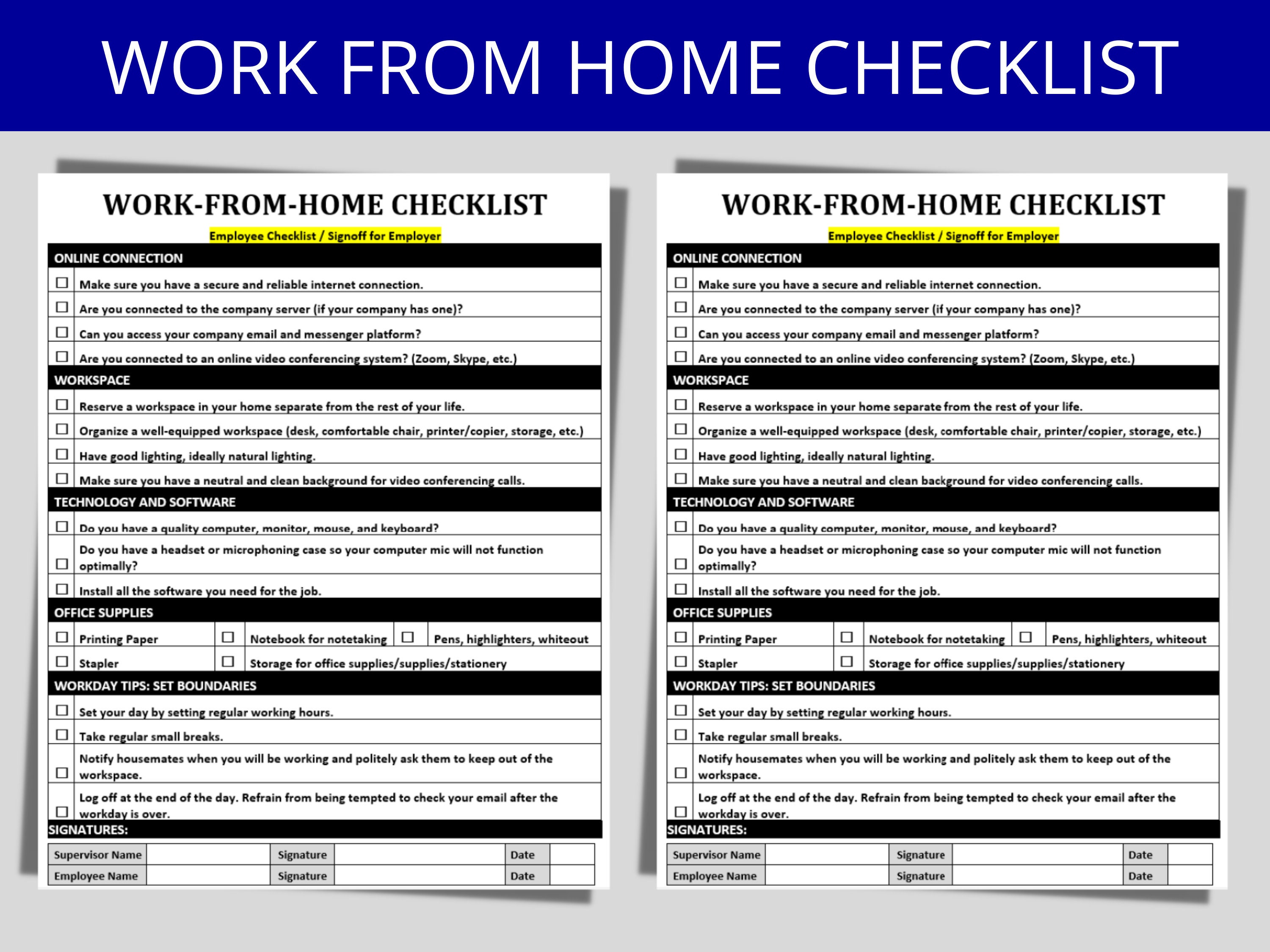
Credit: www.etsy.com
Setting Clear Expectations
Clearly define tasks and deadlines. Communicate work hours and availability. This ensures everyone knows what to do.
Setting clear expectations is vital for remote work success. It builds trust. It prevents misunderstandings. Your team knows what to do. They know when to do it. This clarity helps everyone.Defining Work Hours
Establish core working hours. Communicate these times clearly. Employees should be available then. Allow for some flexibility. Discuss and agree on this. Respect different time zones. Ensure everyone understands.Communication Protocols
Set clear communication rules. Specify preferred channels. Use instant messaging for quick questions. Email works for detailed information. Schedule regular check-ins. Video calls are good for team meetings. Respond promptly. Be clear in your messages.Task Management Systems
Implement a task management system. This tracks progress well. Assign tasks with deadlines. Use it for project updates. Everyone sees who does what. This system promotes accountability. It keeps work organized.Tools For Remote Productivity
Working from home works best with the right tools. These tools help teams stay connected. They boost focus and efficiency. Let’s explore some key solutions.
Collaboration Platforms
Teamwork happens easily online. Platforms like Slack or Microsoft Teams are great. They offer chat and video calls. Share files and ideas quickly. Keep everyone in the loop. Reduce email clutter significantly.
Time Tracking Software
Know where time goes. Software like Toggl Track or Clockify helps. Employees log their work hours. This ensures accountability. It also helps with project costing. Understand project timelines better. Identify time sinks easily.
Project Management Tools
Organize tasks and projects. Tools such as Asana or Trello are useful. Assign tasks to team members. Track progress visually. Set deadlines clearly. Manage workloads effectively. Keep projects on track.
Fostering Trust And Accountability
Building a strong remote team needs trust. It also needs accountability. These two things go hand-in-hand. Trust empowers your people. Accountability keeps them on track. You want a team that feels valued. You also want a team that delivers results.
Focus On Outcomes
Forget about constant watching. Focus on what gets done. What are the goals? What are the results? Measure the work by its impact. This shows you trust your staff. They know what is expected. They can manage their own time. Their work speaks for itself.
Regular Check-ins
Talk to your team often. These are not micromanagement sessions. They are chances to connect. Ask how things are going. Offer support when needed. Discuss any challenges they face. These talks build relationships. They ensure everyone is aligned. Clear communication is key.
Performance Metrics
Use clear performance measures. What does success look like? Define it upfront. These metrics guide performance. They offer objective feedback. Everyone knows where they stand. It is fair and transparent. Data helps track progress. It supports growth and improvement.
Building A Connected Remote Team
Building a connected remote team is vital. It fosters trust. It boosts morale. Your team feels like a unit. Connection combats isolation. It helps employees feel valued. This connection drives productivity.
Virtual Team Building
Plan fun online activities. Host virtual coffee breaks. Organize online game sessions. Celebrate team successes. Recognize individual achievements. Virtual events build camaraderie. They strengthen bonds.
Encouraging Informal Interaction
Create a virtual water cooler. Use dedicated chat channels. Encourage non-work conversations. Ask about weekends. Share personal anecdotes. Casual talk builds rapport. It makes people feel closer.
Supporting Employee Well-being
Promote work-life balance. Encourage regular breaks. Offer mental health resources. Check in with employees. Ask how they are doing. Listen to their concerns. Support is crucial. Healthy employees are happy.
Addressing Challenges
Working from home brings unique hurdles. Employees face new problems. Managers must help overcome them. This section tackles common issues. We offer practical solutions. Making remote work successful is key.
Distractions At Home
Home is not always quiet. Kids play loudly. Pets need attention. Household chores call. These things break focus. They interrupt work flow. Employees might struggle to concentrate. Noise-canceling headphones help. Clear communication is vital. Set expectations for quiet times. Designate a workspace. This space should be calm. It minimizes interruptions.
Isolation And Loneliness
Remote work can feel lonely. Employees miss office chats. They miss team camaraderie. This isolation affects morale. It can reduce productivity. Regular check-ins are important. Schedule virtual coffee breaks. Encourage informal team chats. Video calls build connection. Team-building activities help. Virtual social events foster bonds. Keep the team connected.
Technology Issues
Home internet varies. Devices can malfunction. Software glitches happen. These problems disrupt work. They cause frustration. Reliable technology is essential. Provide necessary equipment. Offer IT support. Train employees on tools. Have backup plans ready. Ensure smooth operations. Quick solutions prevent delays. Keep everyone connected and working.

Credit: www.aapc.com
Adapting Your Management Style
Working from home presents new challenges. Your management style must change. Adapting is key for success. It helps your team stay productive. It also keeps them engaged.
Leading By Example
Show your team how it’s done. Be a remote work role model. Set clear work hours. Stick to them yourself. Show you are available. Communicate openly and often. Demonstrate good work habits. Your actions speak volumes. Your team will follow your lead.
Providing Resources
Give your team what they need. Ensure they have the right tools. Reliable internet is crucial. Good communication software helps. Offer training on new tech. Support their home office setup. Address any technical issues quickly. Remove barriers to their work.
Gathering Feedback
Ask your team how things are going. Regular check-ins are important. Listen to their concerns carefully. Understand their challenges. Solicit suggestions for improvement. Act on their feedback. This builds trust. It shows you care. Their input makes things better.

Credit: haleymoss.com