
Is your baby grand piano’s sustain pedal not working like it used to? It can be frustrating when your music loses its smooth, rich sound because the pedal feels stuck or unresponsive.
But don’t worry—you don’t have to be a professional technician to fix it. You’ll discover simple, step-by-step solutions to get your sustain pedal back in perfect shape. Whether it’s a sticky pedal or a problem with the internal mechanism, you’ll learn easy tips that save you time and money.
Keep reading, and soon your piano will sing just like before.
Credit: americanpianocovers.com
Identify Common Sustain Pedal Issues
Identifying common sustain pedal issues is the first step to fix problems on your baby grand piano. Knowing what to check helps save time and avoids unnecessary repairs. The pedal might look fine but may not work as expected. Several typical problems can cause pedal issues. Recognizing these problems helps you decide on the best fix or if you need professional help.
Below are some common sustain pedal problems and their signs. Understanding these issues will guide you through basic troubleshooting and maintenance.
Loose Or Disconnected Pedal
A loose or disconnected pedal often causes it to stop working. The pedal might wobble or feel unsteady when pressed. Sometimes the connecting rod inside the piano comes loose or detaches. This breaks the link between the pedal and the piano’s mechanism. Check the bottom of the piano for loose screws or rods. Tightening or reconnecting these parts usually fixes the problem.
Pedal Not Engaging Properly
The pedal may press down but not fully engage the sustain function. It feels mushy or has no resistance. This issue can happen if the pedal’s internal parts are worn or dirty. Dust and grime build-up may stop the pedal from working smoothly. Cleaning the pedal mechanism and lubricating moving parts often improves performance. Adjusting the pedal height or tension can help as well.
Pedal Noise Or Sticking
Unusual noises like squeaks or clicks can come from the sustain pedal. The pedal may also stick or fail to return to its original position. This happens due to dried-out lubricants or rust on metal parts. Dirt or debris inside the pedal mechanism can cause sticking too. Regular cleaning and applying a small amount of piano-safe lubricant can reduce noise and free up the pedal.
Pedal Not Sustaining Sound
The pedal presses down but does not sustain the sound. The notes stop quickly instead of holding longer. This problem may relate to the piano’s dampers rather than the pedal itself. The dampers might be out of alignment or damaged. A technician usually needs to adjust or repair the dampers. Checking the pedal’s connection and the piano’s internal parts helps pinpoint the issue.
Gather Necessary Tools And Materials
Fixing the sustain pedal on a baby grand piano requires some basic tools and materials. Having these ready makes the repair process smoother and faster. Gathering the right items helps avoid interruptions and frustration. Below are the key tools and parts you will need.
Screwdrivers And Pliers
Screwdrivers are essential for removing and tightening screws on the pedal assembly. A small flathead and a Phillips screwdriver cover most needs. Pliers help grip and adjust small metal parts. Needle-nose pliers work best for tight spaces. These tools allow careful handling of delicate components.
Lubricants And Cleaning Supplies
Lubricants reduce friction in moving pedal parts. Use a light, non-sticky oil designed for musical instruments. Avoid heavy oils that attract dust. Cleaning supplies include soft cloths and gentle brushes. Remove dust and dirt that affect pedal function. Clean surfaces help the pedal move freely.
Replacement Parts
Some pedal problems need new parts. Common replacements include springs, screws, and felt pads. Check the pedal mechanism to identify worn or broken pieces. Purchase parts that match your piano model for the best fit. Having spares on hand saves time during repair.
Inspect The Pedal Mechanism
Inspecting the pedal mechanism is a key step in fixing a sustain pedal on a baby grand piano. It helps find the exact cause of the problem. The pedal system connects to rods and hinges inside the piano. These parts work together to make the sustain function properly.
Checking the pedal mechanism means looking closely at each part. Small issues like loose connections or worn parts can stop the pedal from working. A careful inspection can reveal these hidden problems.
Check Pedal Connection To Rod
Start by checking the pedal where it connects to the rod. The rod links the pedal to the piano’s action. Look for any loose screws or bolts. Tighten them gently if they are loose. A secure connection allows smooth pedal movement.
Examine The Rod And Hinge
Next, examine the rod and hinge for smooth action. The rod should move freely without sticking. The hinge must not be bent or broken. If the rod or hinge is stiff, apply a little lubricant. Avoid excess oil as it can attract dust.
Look For Wear Or Damage
Look closely for wear or damage on all parts. Check for cracks, bends, or broken pieces. Worn parts affect the pedal’s response. Replace any damaged parts with new ones designed for your piano model. Well-maintained parts keep the pedal working well.
Fix Loose Or Disconnected Pedal
A loose or disconnected sustain pedal on a baby grand piano can cause frustration. The pedal may not work properly or feel wobbly underfoot. Fixing this issue involves simple steps. These can restore the pedal’s function and improve your playing experience.
Reattach Pedal To Rod
First, check if the pedal is detached from the connecting rod. This rod links the pedal to the piano’s internal mechanism. Gently pull the pedal and look inside for the rod. If it is loose or disconnected, carefully reattach it. Slide the rod into the pedal’s bracket and secure it. Make sure it fits snugly to avoid future problems.
Tighten Screws And Bolts
Loose screws and bolts cause pedal instability. Use a screwdriver or wrench to tighten all fasteners around the pedal area. Check the pedal hinge and the rod connection points. Tighten each screw or bolt just enough to hold parts firmly. Avoid over-tightening, which can damage the wood or metal. This simple step ensures the pedal stays stable and responsive.
Adjust Pedal Engagement
Adjusting the pedal engagement on your baby grand piano helps the sustain pedal work smoothly. This step makes sure the pedal responds well when pressed. Proper adjustment avoids issues like weak sustain or stuck pedals. It also improves your playing experience by giving clear sound control.
Align Pedal Rod Correctly
The pedal rod connects the pedal to the piano’s internal parts. Check if the rod is straight and not bent. A bent rod stops the pedal from moving freely. Loosen the screws that hold the rod gently. Move the rod until it lines up with the pedal mechanism. Tighten the screws carefully to keep it in place. Proper alignment ensures the pedal presses down evenly and lifts properly.
Set Proper Pedal Height
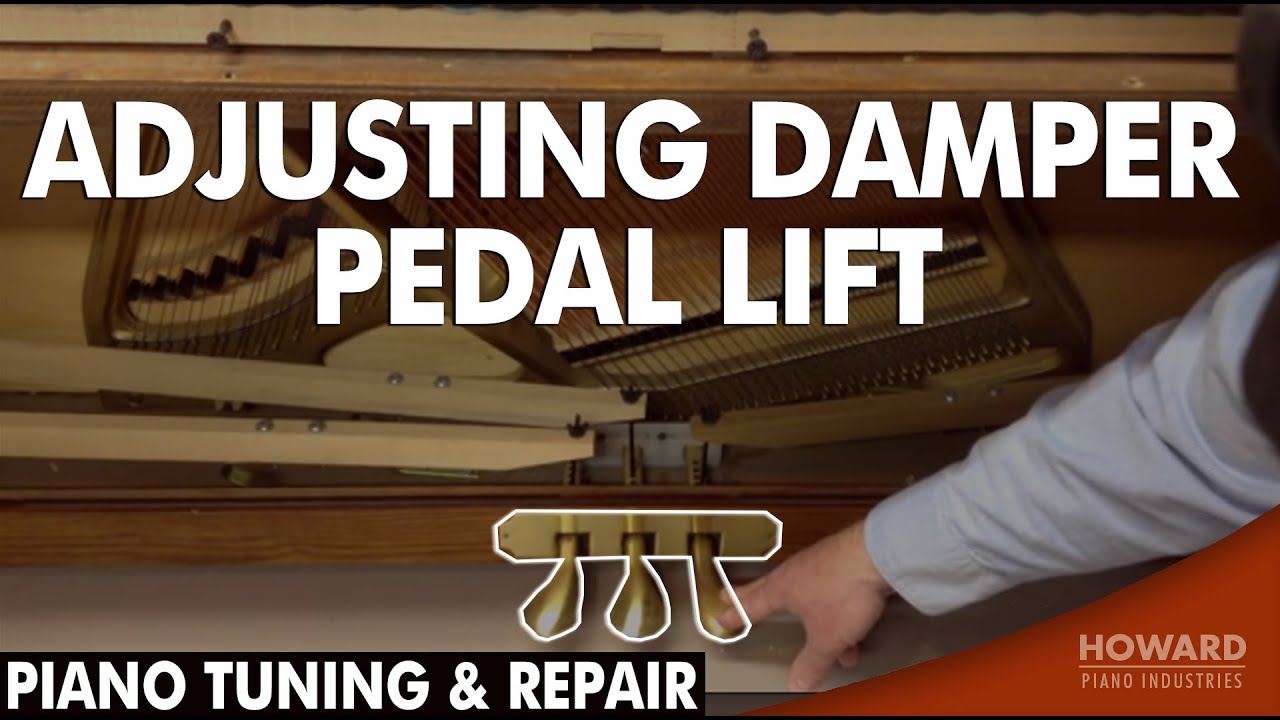
Pedal height affects how much you press the pedal. Measure the distance from the floor to the bottom of the pedal. The height should allow comfortable foot movement without extra force. Adjust the pedal length by turning the adjusting screw or nut near the pedal rod. Raise or lower the pedal so it feels balanced under your foot. Correct height helps the pedal engage fully and release smoothly.
Credit: www.youtube.com
Lubricate Moving Parts
Lubricating the moving parts of your baby grand piano’s sustain pedal is key to smooth operation. Over time, dust and old grease can cause stiffness or noise. Proper lubrication helps the pedal work quietly and responsively. This step involves cleaning away grime and adding fresh lubricant to the right spots.
Clean Old Grease And Dirt
Start by removing the pedal assembly from the piano. Use a soft cloth or brush to clear off dust and dirt. Old grease tends to become sticky or dry, which can block smooth movement. Apply a gentle cleaner or rubbing alcohol to remove this residue. Make sure all parts are dry before moving on.
Apply Suitable Lubricant
Choose a lubricant designed for piano parts or light machine oil. Avoid thick or sticky lubricants that attract dust. Apply a small amount to the pedal hinges and moving joints. Move the pedal up and down to spread the lubricant evenly. Wipe away any extra oil to prevent drips or buildup.
Replace Damaged Components
Replacing damaged components is key to fixing a sustain pedal on a baby grand piano. Worn or broken parts stop the pedal from working properly. This section guides you through ordering the right parts and installing them. Taking these steps will restore your pedal’s function quickly and safely.
Order Correct Replacement Parts
First, identify the broken parts in your sustain pedal system. Common parts include the pedal itself, rods, springs, and levers. Check your piano’s model number to find exact matches. Purchase parts from trusted piano suppliers or manufacturers. Using correct parts ensures a perfect fit and proper function. Avoid generic or cheap components that may cause further damage.
Install New Pedal Or Rod
Remove the old damaged pedal or rod carefully. Use proper tools to avoid harming other piano parts. Align the new pedal or rod with existing mounts. Secure it firmly but do not overtighten screws or bolts. Test the pedal’s movement to confirm smooth operation. Make small adjustments if needed for best response. Proper installation helps the sustain pedal work like new again.
Test Sustain Pedal Function
Testing the sustain pedal function is a key step in fixing a baby grand piano pedal. This process helps identify if the pedal works correctly or needs repair. Follow these simple checks to find out how your sustain pedal performs.
Check Sound Sustain
Press the sustain pedal and play a note on the piano. Hold the pedal down and listen to the sound. The note should continue to ring clearly after you lift your finger from the key. If the sound stops immediately, the sustain pedal may not be working properly. Try pressing the pedal firmly and slowly to see if the sound lasts longer.
Ensure Smooth Pedal Movement
Look at the pedal’s movement as you press it. The pedal should move up and down smoothly without sticking or feeling loose. If the pedal feels stiff or jerky, it might need cleaning or lubrication. Check under the piano where the pedal connects to the mechanism to spot any visible issues.
Prevent Future Pedal Problems
Preventing future problems with your baby grand piano’s sustain pedal helps keep it working smoothly. Regular care and smart use extend the pedal’s life and your piano’s sound quality. Simple habits protect your instrument and avoid costly repairs.
Regular Cleaning And Maintenance
Dust and dirt can cause the pedal to stick or fail. Clean around the pedal with a soft, dry cloth often. Avoid using water or harsh chemicals that may damage the wood or metal parts.
Check the pedal mechanism regularly for loose screws or worn parts. Tighten screws carefully if needed. If you notice unusual sounds or resistance, consult a piano technician early. Keeping parts in good condition prevents bigger issues.
Proper Pedal Use Tips
Press the sustain pedal gently, not forcefully. Avoid stomping or sudden heavy pressure on the pedal. This practice reduces wear and tear on the internal parts.
Release the pedal smoothly rather than letting it snap back. Avoid holding the pedal down for long periods without playing. These habits help keep the pedal springs and dampers working well.

Credit: music.stackexchange.com
Frequently Asked Questions
How Do I Know If My Sustain Pedal Is Broken?
Test the pedal by pressing it while playing notes. If the sound doesn’t hold, the pedal may be faulty.
What Causes A Sustain Pedal To Stop Working?
Dust, dirt, or loose wiring often cause sustain pedal failure. Wear and tear can also affect its function.
Can I Fix A Sustain Pedal Myself?
Yes, simple issues like cleaning or tightening screws can be fixed at home. For complex problems, seek professional help.
How Do I Clean A Sustain Pedal On A Baby Grand Piano?
Unplug the pedal first. Use a soft cloth and mild cleaner to wipe the pedal and its connections gently.
How To Adjust A Loose Sustain Pedal Spring?
Locate the spring near the pedal. Tighten or replace it carefully to restore proper pedal tension.
What Tools Do I Need To Fix A Sustain Pedal?
Basic tools like screwdrivers, pliers, and contact cleaner usually suffice. A multimeter helps check wiring and connections.
Why Does My Sustain Pedal Make Noise When Pressed?
Noise often comes from dirt or worn parts. Cleaning or lubricating the pedal mechanism usually stops the sound.
How To Check Wiring For A Sustain Pedal Problem?
Inspect the cable and connectors for damage. Use a multimeter to test electrical continuity if available.
When Should I Replace My Baby Grand Piano’s Sustain Pedal?
Replace the pedal if it’s physically broken or cannot be fixed with cleaning and adjustments.
Can A Professional Piano Tuner Fix Sustain Pedal Issues?
Yes, many piano tuners also repair pedals. They can diagnose and fix mechanical or electrical problems efficiently.
Conclusion
Fixing the sustain pedal on your baby grand piano can improve your playing experience. Small adjustments often solve common pedal problems quickly. Regular care helps keep the pedal working smoothly. Don’t wait for issues to get worse. Try simple fixes before calling a professional.
With patience, you can enjoy better sound and control. Keep practicing and maintain your piano well for lasting results. Your music will thank you.