
Is standing water pooling on your concrete slab? That stubborn puddle not only looks messy but can also cause serious damage over time.
You might be wondering why it’s happening and how to stop it for good. The good news? You don’t have to live with this problem or call in expensive help right away. You’ll discover simple and effective ways to fix standing water on your concrete slab.
By the end, you’ll know exactly what steps to take to protect your property and keep your concrete dry and safe. Keep reading to find out how easy it can be to solve this common issue!
Causes Of Standing Water On Concrete
Standing water on a concrete slab can cause damage and create safety risks. Understanding the main causes helps to fix the problem effectively. Water usually stays on the surface due to issues with drainage, surface level, or nearby soil. Identifying the exact cause allows for a proper solution.
Poor Drainage Systems
Drainage systems carry water away from concrete surfaces. Poor design or blockages can stop water from flowing properly. Water then pools on the slab, causing standing water. Proper drainage is essential to keep the concrete dry and safe.
Uneven Concrete Surfaces
Concrete slabs should be flat or have a slight slope. Uneven surfaces create low spots where water collects. These puddles can last for hours or days. Fixing the slope or leveling the slab prevents water buildup.
Clogged Gutters And Drains
Gutters and drains remove rainwater from roofs and surfaces. Leaves, dirt, and debris can clog them. Blocked gutters cause water to overflow near the concrete slab. Clearing gutters and drains stops water from pooling around the area.
Soil Settling And Erosion
Soil under or around the slab can shift over time. Settling or erosion changes the slab’s support and level. This creates dips where water gathers. Repairing the soil and stabilizing the ground helps prevent standing water.
Assessing The Problem Area
Before fixing standing water on a concrete slab, it is important to assess the problem area carefully. This step helps find the cause of water pooling and guides the repair process. Proper assessment saves time and money by targeting the right solution.
Start by examining the slab and surroundings. Note where water collects and how the surface looks. Check for any signs of damage or poor drainage. These details help understand why water stays on the slab.
Identifying Water Pooling Spots
Look for low spots where water gathers after rain or washing. Walk around the slab and observe puddles or wet areas. Mark these spots to focus repairs on them. Multiple pooling spots may mean the slab is uneven.
Measuring Slope And Grade
Check the slab’s slope to ensure water flows away from the surface. Use a level or a simple straight board with a level on top. The slab should have a slight slope, about 1/4 inch per foot. No slope or reverse slope causes water to stay.
Inspecting Nearby Drainage
Look at gutters, downspouts, and drains near the slab. These should direct water away from the concrete. Blocked or broken drainage can cause water to pool on the slab. Clear debris and fix drainage to improve water flow.
Checking For Cracks And Damage
Examine the concrete for cracks, holes, or damaged edges. Water can seep into cracks and worsen the problem. Small cracks may cause water to pool unevenly. Repairing damage is important before fixing drainage issues.
Simple Fixes For Small Water Pools
Small pools of standing water on a concrete slab can cause damage over time. They create slippery surfaces and may lead to cracks. Fixing these small water pools quickly helps keep your concrete safe and dry.
Simple methods can solve this issue without major repairs. These easy fixes improve drainage and protect the concrete. They also prevent water from collecting again.
Cleaning Debris And Drains
Remove leaves, dirt, and other debris from the surface. Blocked drains cause water to pool on the concrete. Clear out any clogged drains or gutters nearby. This allows water to flow away properly. Regular cleaning keeps water from building up.
Using A Concrete Resurfacer
Concrete resurfacers fill low spots where water collects. They create a smooth, sloped surface that drains better. Apply a thin layer over the wet areas. Let it dry completely before use. This fix is quick and improves drainage instantly.
Applying Sealants To Prevent Water Penetration
Sealants block water from soaking into the concrete. They protect the slab from damage caused by standing water. Use a water-resistant sealant and follow the instructions. Apply evenly across the surface. Sealants also make cleaning easier in the future.
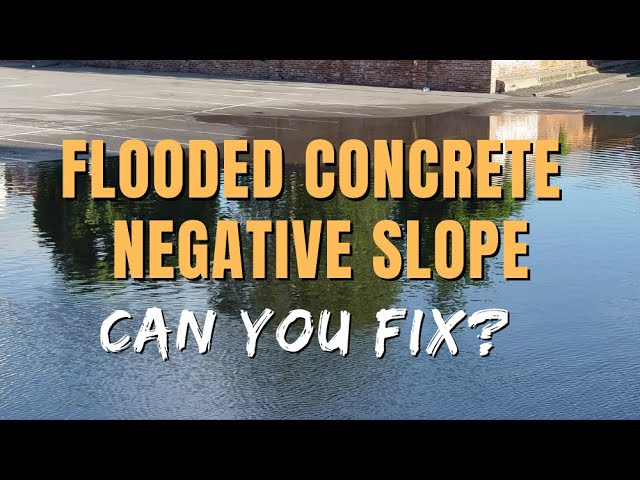
Credit: www.youtube.com
Leveling Uneven Concrete
Uneven concrete can cause water to pool on your slab. This standing water leads to damage and slippery surfaces. Fixing uneven concrete is a smart way to stop these problems. Leveling the slab improves drainage and extends its life.
Several methods exist for leveling concrete. Each suits different budgets and situations. Choose the best fit for your slab’s condition.
Mudjacking Or Slabjacking Techniques
Mudjacking lifts the sunken concrete by pushing a slurry beneath it. This slurry is a mix of water, soil, and cement. Contractors drill small holes in the slab to pump the mixture under it.
The slurry fills gaps and raises the concrete to its original level. This method is cost-effective and quick. It works well for slight to moderate sinking.
Polyurethane Foam Injection
This technique uses a foam that expands under the concrete. The foam fills empty spaces and lifts the slab evenly. It weighs less than mudjacking material.
Polyurethane foam cures fast, so the area is ready soon. It resists water better and lasts longer. Foam injection suits slabs with deep voids or heavy damage.
Diy Grinding And Resurfacing
Grinding down high spots is a simple way to level small uneven areas. Use a concrete grinder to smooth these raised parts. This method is good for minor slopes or bumps.
After grinding, apply a thin concrete resurfacer. It seals the surface and improves appearance. This DIY option saves money and avoids heavy equipment.
Improving Drainage Around Concrete
Standing water on a concrete slab causes damage and safety issues. Improving drainage around the concrete helps water flow away quickly. This prevents water from collecting and keeps the slab dry. Proper drainage also protects the foundation and surrounding areas.
Installing French Drains
French drains are trenches filled with gravel and a perforated pipe. They collect water under the surface and guide it away from the slab. This system stops water from pooling on the concrete. It works well in areas with heavy rain or poor soil drainage.
Adding Drainage Channels Or Gutters
Drainage channels or surface gutters catch water running off the concrete. They direct water to a safe drainage point. Installing these helps control water flow during storms. It keeps water from sitting on the slab and causing damage.
Redirecting Downspouts Away From Slab
Downspouts often pour water close to the concrete slab. Redirecting them moves water away from the slab’s base. Use extenders or splash blocks to guide water farther. This simple step reduces water accumulation and protects the slab’s surface.
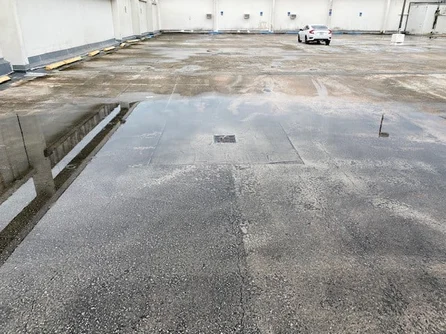
Credit: www.tremcosealants.com
Preventative Measures To Avoid Future Issues
Standing water on a concrete slab can cause many problems. It weakens the concrete and can lead to cracks or mold growth. Taking steps to prevent water buildup saves time and money later. Simple actions help keep water away from your concrete slab.
Follow these tips to reduce water issues and keep your slab dry.
Regular Maintenance Tips
Check your slab often for cracks or holes. Seal any small cracks to stop water from seeping in. Clean the surface regularly to remove dirt and debris. Clear nearby drains and gutters to ensure water flows away properly. Regular upkeep prevents water pooling and extends the slab’s life.
Proper Landscaping And Grading
Make sure the ground around your slab slopes away from it. A slope of at least 2% helps water drain naturally. Avoid low spots near the slab where water can collect. Plant grass or shrubs to absorb rainwater and reduce runoff. Proper grading and landscaping direct water away from the concrete.
Using Permeable Surfaces Nearby
Permeable surfaces let water soak into the ground instead of pooling. Use gravel, mulch, or porous pavers near your slab. These materials reduce runoff and help control water flow. Installing permeable surfaces around concrete slabs lowers water buildup risks. This approach supports natural drainage and prevents standing water.
When To Call A Professional
Knowing when to call a professional is key to fixing standing water on a concrete slab. Some problems need expert help to avoid bigger damage. Professionals have the tools and skills to diagnose and solve issues safely and quickly.
Signs Of Structural Damage
Cracks or sinking in the concrete can signal serious damage. Water pooling near these spots makes problems worse. A professional can check if the slab needs repair or replacement. Early action prevents costly repairs later.
Complex Drainage Problems
Water may not drain because of poor grading or clogged pipes. Fixing these issues can require special equipment and knowledge. Professionals can design a proper drainage system. This stops water from standing again in the future.
Cost And Time Considerations
DIY fixes can take a lot of time and may not last. Professionals often finish the job faster with better results. Spending money on expert help saves costs on repeated repairs. It also protects your property’s value over time.
Credit: www.reddit.com
Frequently Asked Questions
Why Does Water Stand On My Concrete Slab?
Water stands due to poor drainage or flat surfaces that do not slope away. It can also happen if cracks hold water in low spots.
How Can I Drain Water From A Flat Concrete Slab?
Create a slight slope away from the slab to guide water off. Use a shovel or grinder to adjust the surface angle.
What Causes Cracks That Hold Standing Water On Concrete?
Cracks form from weather changes, heavy loads, or poor installation. These cracks can trap water and cause pooling.
Can Sealing Concrete Stop Water From Standing?
Sealing helps reduce water absorption but does not fix standing water. Proper drainage and slope are needed to prevent pooling.
What Tools Do I Need To Fix Standing Water On Concrete?
A shovel, concrete grinder, and level are useful for adjusting the surface. Sealant and patching compound help fix cracks.
How Long Does It Take To Fix Standing Water Problems?
Simple fixes like sealing take a few hours. Regrading or resurfacing can take a day or more, depending on size.
Is Standing Water Harmful To Concrete Slabs?
Yes, standing water can cause damage and weaken the slab over time. It can also lead to mold and slippery surfaces.
Should I Hire A Professional To Fix Standing Water?
Small fixes can be DIY, but large drainage problems need experts. Professionals ensure the job is done correctly and safely.
How Do I Prevent Water From Standing After Repair?
Keep the surface clean and clear of debris. Regularly check and maintain slopes to keep water flowing away.
Does Adding Drains Solve Standing Water Issues?
Drains help remove water but must be placed correctly. Proper surface slope combined with drains gives the best results.
Conclusion
Standing water on a concrete slab can cause many problems. Fixing the issue helps protect your property and keeps it safe. Simple steps like improving drainage or sealing cracks work well. Regular checks stop water from pooling again. Taking action early saves you money and effort later.
Keep your concrete dry and strong with these easy tips. Small changes make a big difference in preventing water damage. Stay ahead by watching for signs of standing water. Your slab will last longer and look better too.