
Cracks in drywall around your windows can be frustrating and unsightly. They not only spoil the look of your room but can also hint at bigger issues if left untreated.
You might wonder how to fix these cracks quickly and effectively without calling a professional. The good news is, you can handle this repair yourself with just a few simple steps. Keep reading, and you’ll learn exactly what to do to restore your walls, improve your home’s appearance, and protect your windows from further damage.
Don’t let those cracks get worse—let’s fix them right now!
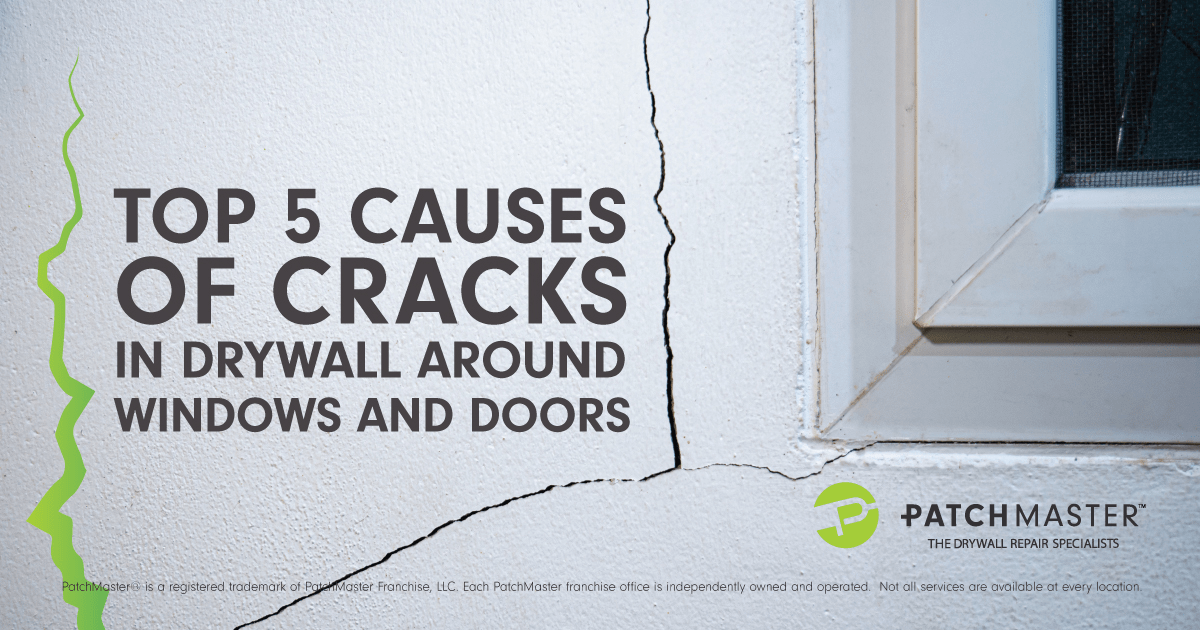
Causes Of Drywall Cracks Near Windows
Drywall cracks near windows are common issues in many homes. These cracks often appear over time and can worsen if not fixed. Understanding what causes these cracks helps in finding the right solution. Several factors contribute to drywall cracks around windows. These include structural problems, weather effects, and installation errors. Knowing these causes helps prevent future damage and keeps walls strong.
Common Structural Issues
Structural problems often cause drywall cracks near windows. Houses settle over time, causing shifts in the frame. These shifts create stress on drywall, leading to cracks. Poor foundation or weak framing can also increase this stress. Older homes face more of these issues due to natural wear. Cracks near windows show areas where the structure moves most.
Effects Of Temperature And Humidity
Temperature changes affect drywall around windows. Cold and hot weather cause materials to expand and contract. This movement creates tension, which cracks drywall. Humidity also plays a big role. Moisture makes drywall swell and shrink. Rooms with poor ventilation or leaks have more cracks. Drywall near windows is more exposed to these changes.
Window Installation Problems
Poor window installation leads to drywall cracks. If windows are not sealed properly, gaps form. These gaps cause drafts and allow moisture in. Moisture weakens drywall and causes cracks. Incorrect framing around windows adds pressure on drywall edges. A poorly installed window frame moves more. This movement damages the drywall around it.
Tools And Materials Needed
Fixing cracks in drywall around windows needs the right tools and materials. Having these ready makes the job easier and faster. This section lists what you need for a smooth repair process.
Essential Repair Tools
- Putty knife – for spreading compound evenly
- Utility knife – to clean and widen cracks
- Sandpaper or sanding block – to smooth the surface
- Paintbrush or roller – for finishing touches
- Dust mask – to protect from dust while sanding
- Drop cloth – to keep the area clean
- Vacuum cleaner – to remove dust after sanding
Recommended Materials
- Joint compound – to fill cracks and smooth the wall
- Drywall tape – to reinforce the repair and prevent future cracks
- Primer – to prepare the wall for painting
- Paint – to match the existing wall color
- Painter’s tape – to protect window frames and edges
Preparing The Area For Repair
Preparing the area around the window is the first step to fix drywall cracks. This step helps the repair last longer and look better. Taking time to get the space ready makes the job easier and cleaner.
Start by clearing any loose debris from the crack. Then, protect nearby surfaces to avoid mess or damage. These steps keep your workspace neat and safe.
Clearing Loose Debris
Use a putty knife or brush to remove loose drywall pieces around the crack. Dust and small bits can stop the new filler from sticking well. Cleaning the crack ensures better repair strength.
Gently scrape the edges of the crack to loosen any flaking material. Wipe the area with a dry cloth to remove dust. A clean surface helps the patch bond firmly.
Protecting Surrounding Surfaces
Cover the window frame and nearby walls with painter’s tape and plastic sheets. This prevents dust and filler from staining these areas. Protecting surfaces makes cleanup easier after the repair.
Lay down a drop cloth or old newspaper on the floor. It catches any falling debris or spillage. Keeping the area tidy helps avoid extra work later.
Filling Small Cracks
Small cracks around windows in drywall can look ugly and let in air or moisture. Filling these cracks improves your wall’s appearance and keeps your home more comfortable. The key is using the right filler and applying it smoothly. This section explains how to fill small cracks easily and effectively.
Choosing The Right Filler
Pick a filler made for drywall repair. Lightweight spackle works well for small cracks. It dries fast and sands easily. Avoid heavy fillers, which can be hard to smooth. Choose a filler that matches your wall’s texture for a seamless look. Always check the label to ensure it is easy to apply and paint over.
Applying And Smoothing Compound
Use a putty knife to apply the filler. Press it firmly into the crack. Spread the compound beyond the crack edges for better adhesion. Smooth the surface by pulling the knife at a shallow angle. Let the filler dry completely before sanding. Sand gently with fine-grit paper to blend the repair with the wall. Wipe away dust before painting for a clean finish.
Repairing Larger Cracks And Gaps
Repairing larger cracks and gaps around windows in drywall requires extra care. These cracks need more than just filling with putty. Proper preparation and reinforcement help prevent future damage. This section covers the best ways to fix wide cracks and gaps for a smooth, lasting finish.
Using Joint Tape Or Mesh
Start by cleaning the crack to remove loose debris. Apply joint tape or mesh over the crack. This material holds the drywall together and stops cracks from reopening. Press the tape flat to avoid bubbles or wrinkles. Use paper tape for smaller gaps and mesh tape for larger ones. Mesh tape is easier to apply but may require more compound.
Layering And Sanding Techniques
Apply a thin layer of joint compound over the tape. Smooth it out with a drywall knife. Let the compound dry completely, usually 24 hours. Add a second, wider layer to blend with the wall. After it dries, sand gently with fine-grit sandpaper. Avoid sanding too hard to keep the surface even. Repeat layering and sanding until the repair is flush with the wall.
Credit: patchmaster.com
Preventing Future Cracks
Preventing cracks in drywall around windows starts with understanding what causes them. Cracks often form due to movement, moisture, or poor sealing. Fixing the cracks is only the first step. Taking steps to stop new cracks will keep your walls strong and looking good for years.
Improving Window Sealing
Proper sealing around windows stops air and moisture from entering. Check for gaps or old, cracked caulk. Remove old sealant and apply new, high-quality caulk. Use weatherstripping to close any spaces between the window frame and the wall. Good sealing reduces wall movement and keeps cracks away.
Controlling Indoor Humidity
High humidity makes drywall swell and crack. Use a dehumidifier in damp rooms. Open windows or use exhaust fans to let moisture escape. Keep humidity levels between 30% and 50%. Dry air helps drywall stay stable and prevents cracks from forming.
Regular Maintenance Tips
Inspect your windows and walls regularly. Look for small cracks or signs of water damage early. Fix minor cracks before they get bigger. Clean window tracks and frames to avoid warping. Keep your home well-ventilated. Small efforts stop future damage and keep drywall smooth.
Painting And Finishing Touches
Painting and finishing touches are the final steps to fix cracks in drywall around windows. They help make the repair look smooth and blend with the rest of the wall. Taking time on these steps improves the overall appearance and durability of your work.
Priming The Repaired Area
Start by applying a primer to the patched area. Primer seals the drywall and helps paint stick better. Use a brush or roller to cover the whole repaired spot evenly. Let the primer dry fully before painting. This step prevents paint from peeling or soaking unevenly.
Matching Paint For A Seamless Look
Use paint that matches the wall color exactly. Test a small patch first to check the color match. Paint over the primed area carefully, using smooth strokes. Blend the edges gently to avoid visible lines. A good match makes the repair almost invisible and keeps your wall looking fresh.

Credit: www.foundationsonthelevel.com

Credit: diy.stackexchange.com
Frequently Asked Questions
What Causes Cracks In Drywall Around Windows?
Cracks near windows usually happen due to house settling or temperature changes. Moisture or poor installation can also cause cracks.
How Do I Prepare Drywall Cracks For Repair?
Clean the crack area and remove loose debris first. Use a putty knife to widen the crack slightly for better filler grip.
What Materials Are Best For Fixing Drywall Cracks?
Use joint compound or spackling paste for small cracks. For bigger cracks, mesh tape with joint compound works well.
Can I Fix Drywall Cracks Without Removing The Window Trim?
Yes, small cracks can be fixed without removing trim. Just be careful not to damage the trim during repair.
How Long Does Drywall Crack Repair Take To Dry?
Drying time depends on the product but usually takes 24 hours. Make sure it is fully dry before sanding or painting.
Should I Sand Drywall Cracks Before Or After Filling?
Sand the crack edges lightly before filling for better adhesion. After filling, sand the area smooth for a clean finish.
Can Temperature Changes Cause Drywall Cracks Around Windows?
Yes, temperature changes cause wood and drywall to expand and contract, leading to cracks.
How Do I Prevent Drywall Cracks Near Windows In The Future?
Use flexible joint compounds and proper installation methods. Controlling humidity and temperature also helps prevent cracks.
Is It Necessary To Repaint After Fixing Drywall Cracks?
Repainting is important to match the wall and protect the repair. Use primer first for better paint adhesion.
When Should I Call A Professional For Drywall Crack Repair?
Call a professional if cracks are large, growing, or show signs of water damage. They can ensure a safe, proper fix.
Conclusion
Fixing cracks in drywall around windows keeps your home looking neat. Small cracks can grow if left alone. Use simple tools and materials for repair. Take your time to smooth the surface well. Paint over the patch for a clean finish.
Regular checks help catch cracks early. A little effort saves bigger repairs later. Your windows will look fresh and strong again. Easy steps, lasting results.