
Is your favorite recliner stuck in one position? Don’t worry, you’re not alone.
That comfy couch that used to let you kick back and relax might be giving you a headache. But before you think about buying a new one, let’s see if we can fix it. This guide will show you exactly how to tackle a couch that won’t recline.
You’ll be back to lounging in no time!
Identify The Recliner Problem
First, find why the recliner won’t move. Check for obvious obstructions. Loose parts can stop the mechanism.
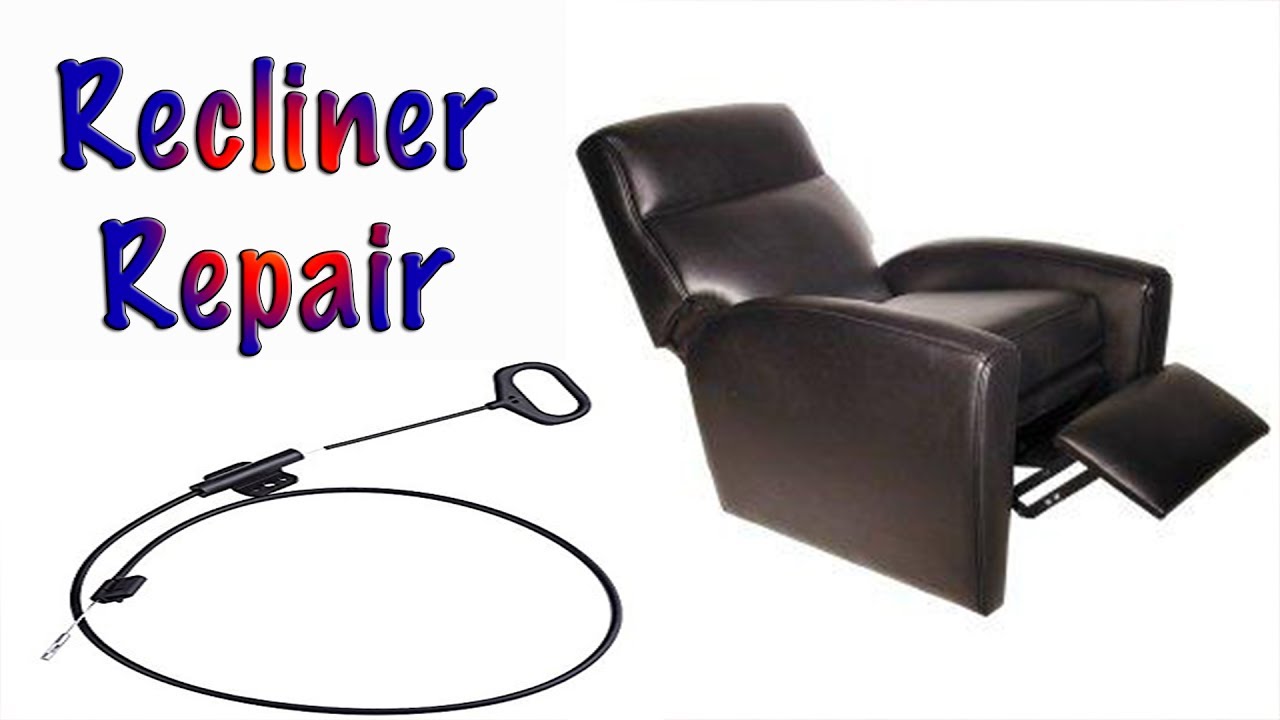
Credit: www.youtube.com
Inspect The Reclining Mechanism
First, inspect the reclining mechanism. Look for any visible obstructions. Check if cables are loose or broken.
Fixing Handle And Lever Issues
Loose handles or levers stop recliners. Check if they are secure. Tighten any screws. A stuck lever may need lubrication.
Addressing Cable And Spring Problems
Cables and springs make your recliner work. They connect the handle to the reclining parts. Problems here stop your couch from reclining. Inspect these parts closely. You can often fix them yourself.Reattach Detached Cables
Sometimes cables just pop off. Look under your couch. Find the reclining mechanism. A cable connects to a lever. It also connects to a spring. Ensure the cable end is secure. It should clip or loop firmly. A loose connection stops movement. Push it back into place. You might hear a click. Test the handle again.Replace Broken Springs
Springs can weaken or break. This prevents smooth reclining. Look for any snapped springs. They might be small or large. Take the broken spring to a store. Match its size and tension. You can buy replacements online. Remove the old spring carefully. Attach the new spring. It might need some force. Make sure it is seated well.Adjust Cable Tension
Cables can become too loose. This means they don’t pull enough. The handle feels floppy. Find the cable anchor point. It is usually near the lever. There might be a small screw. Tighten this screw a little. This increases cable tension. Don’t overtighten it. This can damage the cable. Test the reclining action. It should feel firmer now.Clearing Obstructions
Obstructions can stop your couch from reclining. Check for anything blocking the mechanism. Remove debris carefully to free the reclining function.
Lubricating The Mechanism
A stuck recliner? Lubricate the mechanism. Spray lubricant on moving parts. This helps everything slide smoothly.
When To Seek Professional Help
Persistent issues signal trouble. If basic fixes fail, a professional can help. Don’t hesitate to call an expert.

Credit: www.youtube.com
Preventative Maintenance Tips
Your recliner couch may be stuck. Check for obstructions first. Simple fixes can often restore its function.
Here are some tips. Keep your couch working well. Prevent problems before they start. Simple steps help a lot.Regular Cleaning
Dirt can cause issues. Dust builds up over time. It jams moving parts. Vacuum your couch often. Get into all the nooks. Clean spills right away. Food crumbs are bad. They can clog mechanisms. Use a soft brush attachment. This protects the fabric. A clean couch reclines easily.Gentle Operation
Don’t force the handle. Pull it smoothly. Let the couch move naturally. Avoid sudden movements. Slamming it down hurts parts. Treat your couch with care. It will last much longer. Children can be rough. Teach them to be gentle. Respect the reclining function.Periodic Lubrication
Moving parts need oil. Metal grinds without it. This causes wear and tear. Use a silicone spray. Apply it to hinges. Lubricate the reclining mechanism. Do this every few months. Check your couch’s manual. It may suggest specific oils. A little oil goes far. It makes reclining smooth.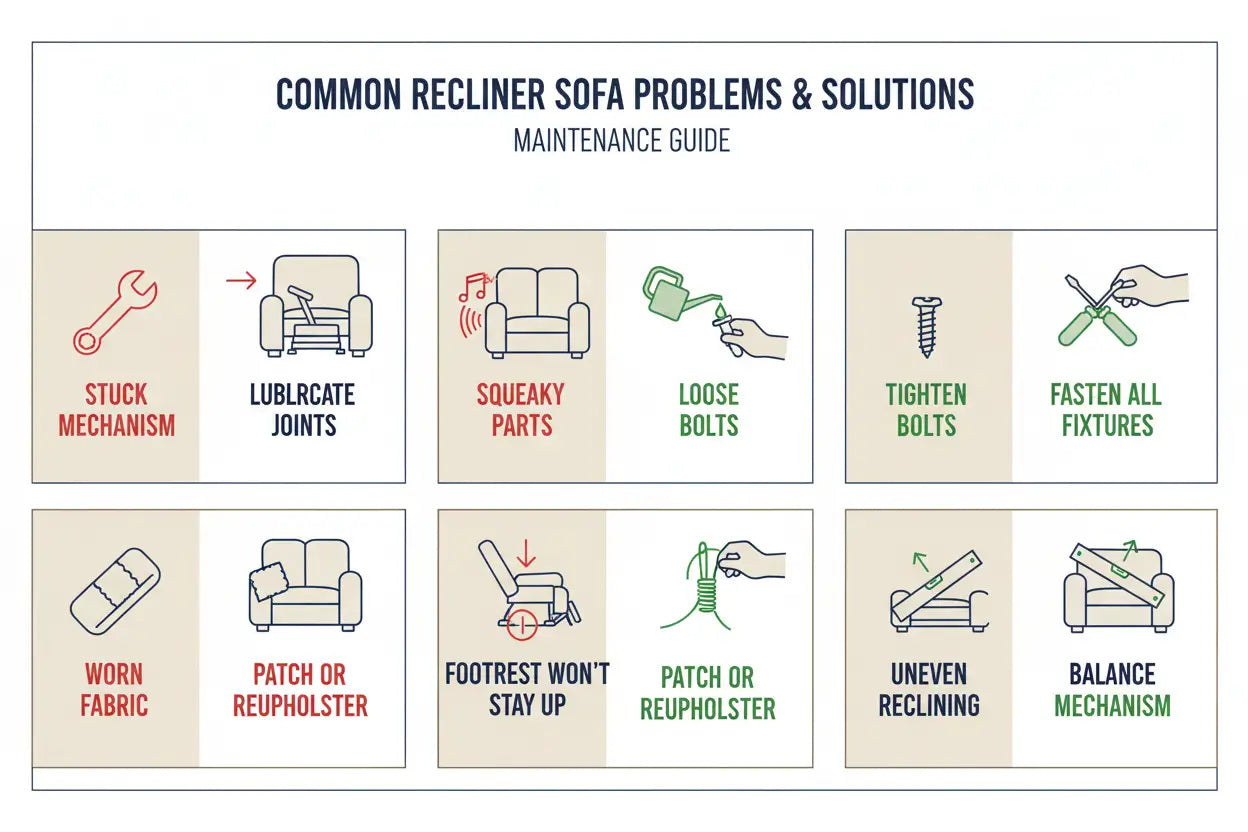
Credit: magichome.com
Conclusion
Your reclining couch is fixable. Simple steps can restore its function. Check the lever and cables first. Tighten loose parts. Lubricate moving mechanisms. Sometimes, a small adjustment is all needed. Don’t give up on your comfy seat. Enjoy reclining again.
Your effort pays off.