
You can clutch start a dirt bike in under 30 seconds by rolling the machine to roughly 5 to 10 mph in second gear, dropping the clutch, and weighting the seat.
Gear to start your dirt bike
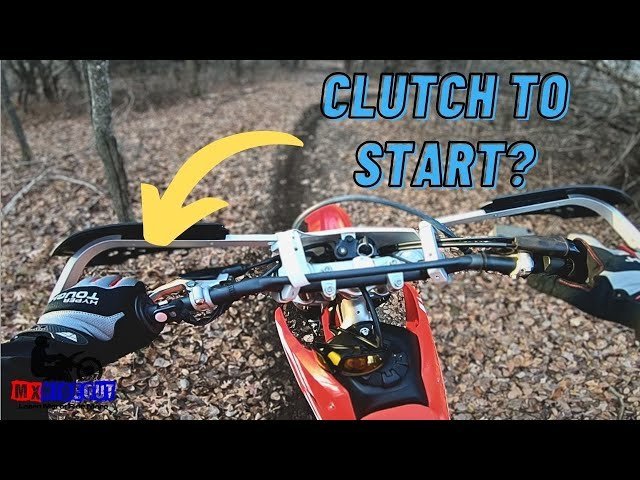
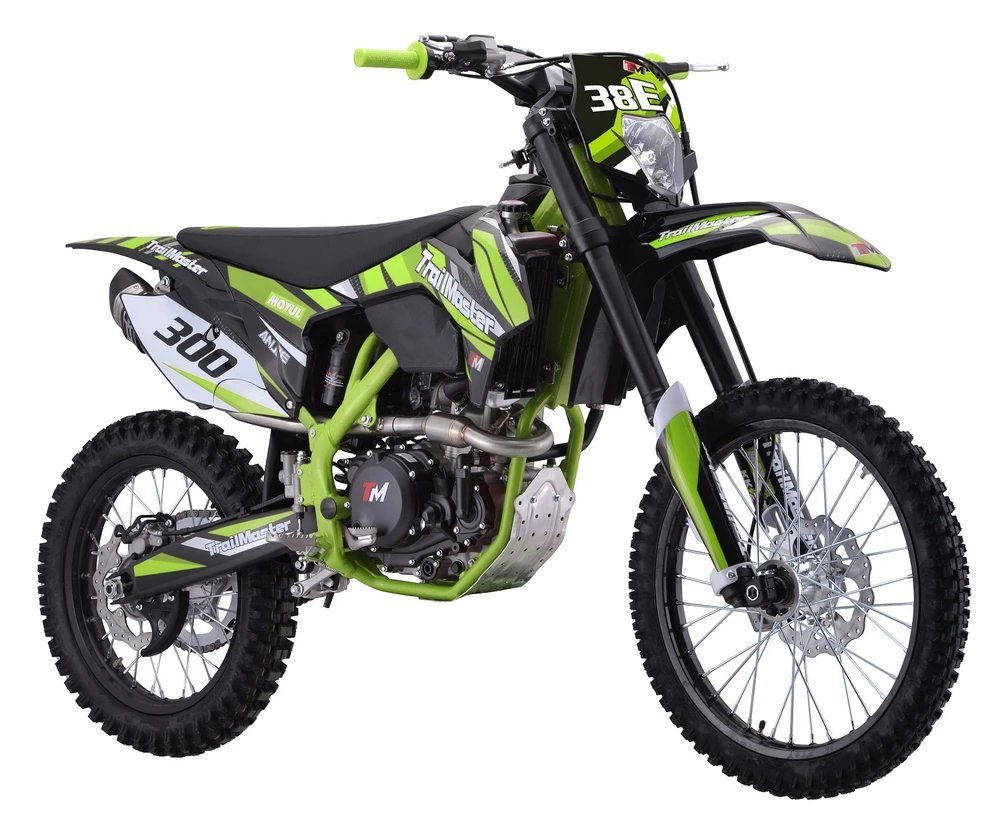
- A manual dirt bike with a working mechanical clutch and chain drive (this won’t work on automatic or centrifugal-clutch bikes).
- A clear, hard-packed surface at least 40 feet long (pavement or hard dirt; deep sand or mud won’t work).
- Basic riding gear: a certified helmet, sturdy boots that cover the ankles, and gloves.
- A slight downward slope of 5 to 10 degrees, or one healthy helper to push.
- A working ignition key or kill switch set to the run position.
A gentle grassy hill works if the turf is dry, but wet grass makes the rear tire slide instead of turning the engine. If your clutch cable is snapped, don’t attempt this; consult a local motorcycle repair shop for cable replacement.
Step-by-step
- Turn the ignition switch on, set the handlebar kill switch to the “Run” position, and turn the fuel petcock on. If the engine is completely cold, pull the choke knob out all the way.
- Shift the transmission into neutral, then click it up into second gear; never use first gear because the short ratio will lock the rear wheel instantly.
- Pull the clutch lever all the way into the grip with your left hand and hold it tight.
- Push the motorcycle forward as fast as you can run, reaching about 5 to 8 mph on flat ground, or roll down a slope to reach about 8 to 10 mph.
- Jump onto the saddle with your full body weight centered over the rear wheel, and release the clutch lever smoothly and completely at the exact second your rear touches down.
- Open the throttle about one-quarter turn the moment the engine turns over, then pull the clutch back in immediately so the bike doesn’t take off without you.
- Blip the throttle gently between 2,000 and 3,000 RPM for 10 seconds to keep the engine from dying, then push the choke in once it idles smoothly.
Careful: Releasing the clutch while running alongside the machine can rip the handlebars from your hands; always put your weight on the seat first.
Tip:
Terrain and bike conditions
Starting effort changes drastically depending on your machine’s engine size and the ground beneath your tires.
It’s safer to attempt your first roll at a modest walking speed in third gear than to charge down a steep hill in second, because too much speed can loop the bike if the throttle catches.
How to tell you did it right
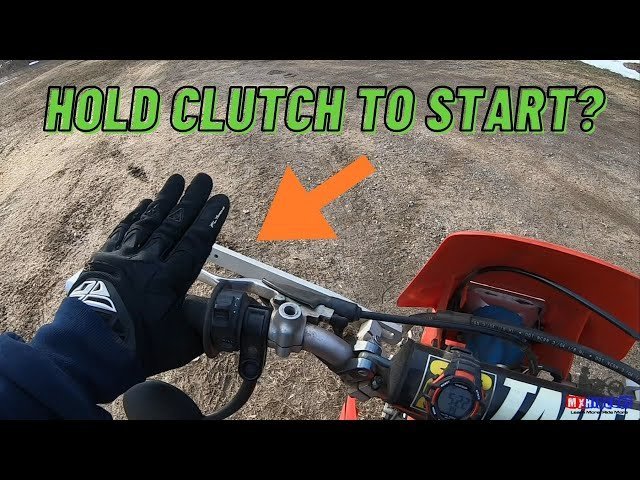
A successful attempt results in a quick chug from the cylinder, followed immediately by a steady, crisp idle as you pull the clutch lever back to the bar. A failed attempt ends with the rear tire skidding along the dirt without turning the crankshaft, leaving you stopped and out of breath. This failure usually happens because the rider releases the clutch lever before their butt hits the seat, leaving too little downward pressure to force the tire to grip. You can prevent this skid by jumping firmly onto the rear fender area, using third gear instead of second, and picking hard-packed dirt instead of loose topsoil.
Safety limits and trail rules
The Motorcycle Safety Foundation recommends always wearing a helmet and eye protection whenever operating a motorcycle, even during off-road starting procedures. After the machine starts, let it idle in neutral for 60 seconds, turn the choke off, and inspect your handlebar controls to ensure the throttle returns freely to closed. A clutch start doesn’t fix a dead lead-acid battery; it merely gets you back to camp, so you’ll need to test or recharge the electrical system with a multimeter before your next outing.
Alternative starting methods
Standard kickstart routine
Unfold the kick lever, push down slowly until you feel hard resistance from top dead center, let the lever return to the top, and deliver one smooth, full-stroke kick down to the footpeg. This takes 10 seconds and costs nothing, but it fails if your kickstart splines are stripped.
Jump-starting the battery
Attach a 12-volt jump pack directly to the battery terminals, matching red to positive and black to the frame ground, then push the starter button. This requires carrying a 2-pound jump pack in your backpack, but it spares you the physical exhaustion of pushing a heavy bike through dirt.
Using an external starter tool
Place an electric starter drill or roll-on paddock starter against the rear wheel or flywheel nut while the bike sits on a stand in the pits. This method stays confined to race pits because the heavy equipment stays in your garage, but it starts high-compression race motors reliably in five seconds.
Frequently asked questions
Can you bump start a dirt bike with a dead battery?
Yes, you can bump start modern bikes with dead batteries as long as the battery retains enough trace voltage to wake the digital fuel-injection pump and ECU. If a modern fuel-injected bike has a completely open-circuit battery, the engine won’t start because the fuel pump and ECU require electrical power to function.
Why does the rear wheel lock up when I release the clutch?
The rear wheel locks because the engine’s mechanical compression resists the turning force of the small rear wheel. Shifting to third gear reduces this gear reduction resistance, and jumping directly onto the seat gives the rear tire enough traction to force the engine to turn over.
Is it safe to bump start in first gear?
No, you should never attempt a bump start in first gear because the low gear ratio creates extreme mechanical resistance. That sharp resistance causes the rear tire to drag like a brake or can suddenly pitch the motorcycle out from under you the moment the engine catches.
How fast do you have to run to clutch start?
You need to reach a rolling speed between 5 and 10 mph before dropping the clutch lever. A moderate running pace on flat ground is usually enough for a small two-stroke, while larger four-stroke machines generally require a rolling run down a modest hill to turn over.
What happens if I forget to pull the clutch back in?
The motorcycle will surge forward under engine power the instant it fires, pulling you along or causing you to crash. You must train your fingers to yank the clutch lever tight to the handlebar grip the exact millisecond you hear the engine ignite.
Final Thoughts
Once the engine roars to life, keep the throttle steady for a moment to let the oil warm up. If it doesn’t catch on your first try, don’t worry; just find a slightly steeper hill and give it another go. You’ll be back on the trails in no time at all.
Related guides