
When it comes to plumbing, choosing the right fittings can make all the difference in your project’s success. You might be wondering whether brass or plastic PEX fittings are better for your pipes.
Each option has its own strengths and weaknesses that could affect your installation, durability, and budget. Understanding these differences will help you make a smart choice that saves you time and money. Keep reading to discover which type of fitting suits your needs best and why it matters for your plumbing system.
Material Properties
Material properties play a key role in choosing between brass and plastic PEX fittings. These properties affect how fittings perform in plumbing systems. Understanding durability, corrosion resistance, and temperature tolerance helps make the right choice.
Both materials have unique qualities that suit different needs. Knowing these differences can save time and money in the long run.
Durability And Strength
Brass is a metal alloy known for its high strength. It handles pressure and impact well. Plastic PEX fittings are lighter but less strong. They can bend without breaking but may wear out faster under heavy use. Brass fittings last longer in harsh conditions.
Corrosion Resistance
Brass resists rust and corrosion better than many metals. It holds up well in water systems. Plastic PEX fittings do not corrode at all. They stay stable in acidic or alkaline water. Both materials provide good corrosion resistance but in different ways.
Temperature Tolerance
Brass fittings tolerate high temperatures without deforming. They are ideal for hot water lines. Plastic PEX fittings can handle heat but have limits. Excessive heat may cause them to soften or melt. Brass is safer for extreme temperature use.
Installation Process
The installation process of brass and plastic PEX fittings differs in several ways. Each material requires specific handling and tools. The connection methods also vary, affecting the overall ease and speed of installation. Understanding these differences helps in choosing the right fitting for your project.
Ease Of Handling
Brass fittings are sturdy but heavier. They can be harder to maneuver in tight spaces. Plastic PEX fittings are lightweight and easier to hold. Their flexibility makes installation less tiring. This is helpful for long plumbing runs or complex layouts.
Required Tools
Installing brass fittings often needs a wrench or pliers. Some types require soldering equipment. Plastic PEX fittings usually need a crimp or clamp tool. These tools are simpler and safer to use. No open flames are necessary with plastic fittings.
Connection Methods
Brass fittings commonly use threaded or compression connections. Threaded connections demand careful tightening to avoid leaks. Plastic PEX fittings rely on crimp rings or push-fit technology. Push-fit connections snap on quickly without special skills. Crimp rings require a tool but are still easy to use.
Cost Comparison
Cost plays a big role in choosing between brass and plastic PEX fittings. Both types have different price points upfront and over time. Understanding these costs helps make the best choice for your budget and project needs.
Initial Purchase Price
Plastic PEX fittings usually cost less than brass ones. They are cheaper to make and buy. Brass fittings have a higher price due to the metal and manufacturing process. For small jobs, plastic might save money at the start. Brass fittings cost more but offer strong, durable connections.
Long-term Maintenance Costs
Brass fittings often last longer without problems. They resist cracking and damage better than plastic. This means fewer repairs or replacements over time. Plastic fittings can wear out faster, especially in hot or harsh conditions. Repair costs may add up if plastic fittings fail early. Brass might cost more upfront but can lower maintenance expenses later.
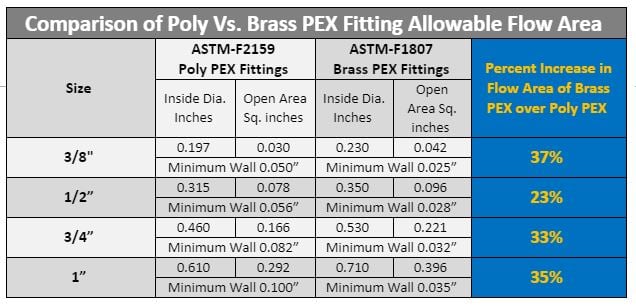
Credit: blog.brennaninc.com
Performance In Plumbing Systems
Performance in plumbing systems is key to choosing the right PEX fittings. Brass and plastic fittings serve different roles and behave uniquely under pressure, water quality, and compatibility. Understanding these differences helps ensure a long-lasting and efficient plumbing setup. Below, we explore how each material performs in real-world plumbing conditions.
Water Quality Impact
Brass fittings can affect water taste and color. They may release small amounts of metals into water over time. Plastic fittings do not change water taste or color. They resist corrosion and buildup better than brass. This makes plastic a good choice for maintaining clean, clear water.
Pressure Handling
Brass fittings handle high pressure very well. They are strong and durable under heavy loads. Plastic fittings have lower pressure limits. They can crack or deform if pressure is too high. Brass is better for systems with high water pressure or heavy use.
Compatibility With Pex Pipes
Both brass and plastic fittings fit PEX pipes. Brass fittings offer a tight, secure connection. Plastic fittings can be easier to install due to their flexibility. Brass may require more care to avoid damaging the pipe. Plastic fittings work well in most PEX systems but may not fit all pipe sizes.
Environmental Impact
Choosing between brass and plastic PEX fittings affects the environment differently. Each material has a unique impact on waste, resources, and pollution. Understanding these effects helps make smarter, greener choices for plumbing projects.
Recyclability
Brass fittings are highly recyclable. They can be melted and reused many times without losing quality. This reduces waste and saves natural resources. Recycling brass uses less energy compared to producing new brass from ore.
Plastic PEX fittings are harder to recycle. Most recycling centers do not accept them due to mixed materials. Plastic waste often ends up in landfills or incinerators. This adds to pollution and harms ecosystems.
Production Footprint
Making brass fittings involves mining and smelting metals. These processes use a lot of energy and release pollutants. Brass production creates carbon emissions and can affect local environments near mines.
Plastic PEX fittings require less energy to produce. They come from petroleum, a non-renewable resource. Manufacturing plastic releases fewer emissions than brass but still depends on fossil fuels. Plastic production also involves chemical processes that may cause pollution.

Credit: blog.boshart.com
Common Applications
Pex fittings come in two main types: brass and plastic. Each type fits specific needs and settings. Understanding their common uses helps in choosing the right one.
Both brass and plastic Pex fittings serve different roles in plumbing. Their durability, cost, and resistance to elements affect where they work best. The choice depends on the application environment and project demands.
Residential Use
Plastic Pex fittings are popular in homes. They resist corrosion and are easy to install. These fittings work well for hot and cold water lines. They are lightweight, reducing installation time and effort.
Brass fittings appear in residential use where strength matters. They handle higher pressure and temperatures better. Brass is common for water heaters and main lines. It offers a long-lasting and secure connection.
Commercial Use
Brass Pex fittings are favored in commercial buildings. They handle heavy water flow and high pressure. Brass resists impact and harsh chemicals found in some commercial settings.
Plastic fittings work in commercial spaces with lower water demands. Their cost-effectiveness suits temporary or less intense plumbing setups. Plastic fittings are often used in office buildings and small shops.
Specialized Situations
In specialized cases, brass fittings are preferred for durability. They perform well in extreme temperatures and outdoor use. Brass is also useful where metal detection is necessary.
Plastic Pex fittings fit well in areas requiring non-metallic materials. They prevent galvanic corrosion in mixed-metal systems. Plastic is also chosen for quiet water flow and flexibility in tight spaces.
Potential Issues
Choosing between brass and plastic PEX fittings involves knowing their potential issues. Each material has drawbacks that affect performance and durability. Understanding these problems helps in making the right choice for plumbing projects.
Risk Of Leaks
Brass fittings can corrode over time, causing leaks. Small cracks may form under pressure or temperature changes. Plastic fittings may crack or deform, especially if over-tightened. Poor installation increases leak risks for both types. Leaks lead to water damage and costly repairs.
Wear And Tear Over Time
Brass is strong but can wear down in harsh water conditions. Minerals in water may cause buildup and weaken fittings. Plastic fittings can degrade under UV light or extreme heat. They may become brittle and crack after many years. Regular inspection helps catch wear early.
Chemical Reactions
Brass can react with certain water chemicals, causing corrosion. This reaction affects water quality and fitting lifespan. Plastic fittings resist most chemicals but may swell or soften with some solvents. Choosing the right fitting depends on water type and environment. Chemical damage reduces plumbing system reliability.

Credit: www.vpexco.com
Making The Right Choice
Choosing between brass and plastic PEX fittings can be tricky. Both have benefits and limits. Picking the right one helps avoid leaks and keeps your plumbing safe. Think about your needs before buying. This guide will help you make the right choice.
Factors To Consider
Look at the water temperature. Brass fittings handle heat better than plastic. Think about water pressure too. Brass fits higher pressure well. Plastic PEX fittings resist corrosion and are lighter. Cost matters. Plastic is usually cheaper than brass. Also, consider the installation place. Brass is strong but heavier. Plastic is easier to install in tight spots.
Expert Recommendations
Plumbers often choose brass for long-term durability. Brass lasts longer in tough conditions. For residential repairs, plastic fittings save time and money. Experts suggest brass for hot water lines. Use plastic for cold water or drainage. Both types work well if installed correctly. Follow manufacturer instructions carefully for best results.
Frequently Asked Questions
What Are The Main Differences Between Brass And Plastic Pex Fittings?
Brass fittings are metal, strong, and long-lasting. Plastic fittings are lighter, cheaper, and easier to handle. Each has different uses based on strength and cost.
Which Pex Fittings Resist Corrosion Better, Brass Or Plastic?
Plastic PEX fittings resist corrosion better because they do not rust or degrade. Brass fittings can corrode over time in certain water conditions. Plastic is ideal for water prone to causing metal corrosion.
Are Brass Pex Fittings Safe For Drinking Water?
Yes, brass PEX fittings are safe when lead-free and meet plumbing standards. They are commonly used in drinking water systems. Always check for certifications to ensure safety.
Do Plastic Pex Fittings Handle Heat As Well As Brass Fittings?
Plastic fittings work well with warm water but have lower heat tolerance than brass. Brass can handle higher temperatures without damage. For hot water systems, brass may be a better choice.
Which Pex Fittings Are Easier To Install, Brass Or Plastic?
Plastic PEX fittings are generally easier to install because they are lightweight and flexible. Brass fittings require more care and tools due to their weight and hardness. Plastic saves time for DIY projects.
How Do Brass And Plastic Pex Fittings Differ In Price?
Plastic PEX fittings are usually less expensive than brass fittings. Brass costs more due to metal material and durability. Budget and project needs often decide which to buy.
Can Plastic Pex Fittings Crack Or Break Over Time?
Plastic PEX fittings can crack if exposed to extreme cold or physical stress. Brass fittings are more durable against impact and pressure. Proper installation helps prevent damage in both types.
Conclusion
Brass and plastic PEX fittings each have clear benefits. Brass offers strong durability and resists high temperatures. Plastic fittings are lightweight and easier to handle. Cost differences matter for many homeowners and builders. Choose based on your project’s needs and budget.
Both types work well with PEX pipes. Simple care helps fittings last longer. Think about where you will install them. Your choice will affect plumbing performance and lifespan.