
When it comes to choosing the right drain for your sink, you might feel overwhelmed by the options. You’ve probably heard about pop up drains and push down drains, but which one is truly better for your needs?
Your choice affects not just how your sink looks, but how easy it is to use and maintain every day. This article will help you understand the key differences between pop up drains and push down drains, so you can make a smart decision that fits your lifestyle.
Keep reading to discover which drain type will make your sink work better for you.
Pop Up Drain Basics
Pop up drains are common in bathroom sinks. They allow easy control of water flow and drainage. Understanding how they work helps when choosing the right drain for your sink. This section explains the basics of pop up drains, their design, installation, and materials.
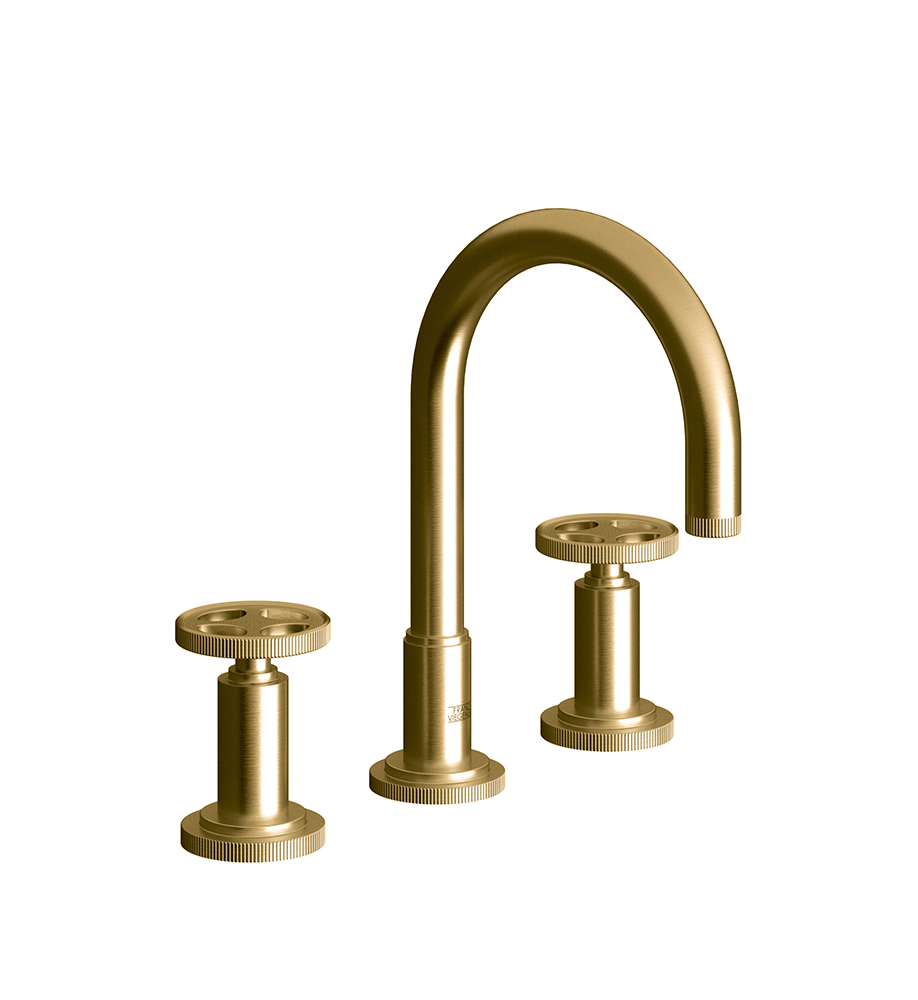
Design And Mechanism
Pop up drains feature a stopper that moves up and down. You control it with a lever or a rod behind the faucet. Press or lift the lever to close or open the drain. This stops water from flowing out or lets it drain freely. The mechanism is simple but effective for everyday use.
Installation Process
Installing a pop up drain is straightforward. First, remove the old drain if needed. Place plumber’s putty around the drain flange. Insert the drain into the sink hole. Tighten the locknut below the sink to secure it. Connect the lift rod to the stopper mechanism. Test the drain to ensure it opens and closes smoothly.
Common Materials
Pop up drains come in various materials. Brass is popular for its strength and rust resistance. Stainless steel offers a modern look and durability. Plastic drains are cheaper but less durable. Choose materials that match your sink’s style and last longer in moist environments.
Credit: fortebrands.com
Push Down Drain Essentials
The push down drain is a popular choice for many bathrooms and kitchens. It offers a simple way to control water flow and drainage. This type of drain is easy to use and maintain. Understanding its basics helps you decide if it fits your needs.
How It Works
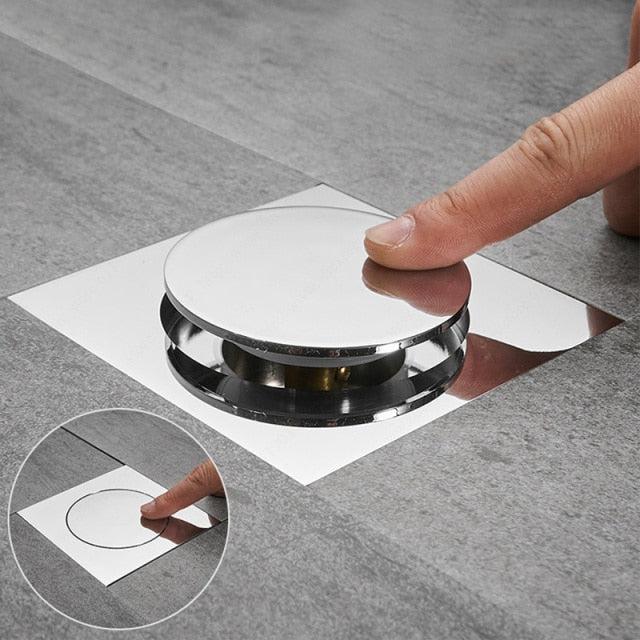
A push down drain opens and closes with a simple press. Press down to close the drain and stop water flow. Press again to open it and allow water to drain. It uses a spring mechanism inside to move the stopper up and down. This design keeps water sealed when closed and drains quickly when open.
Installation Steps
Start by removing the old drain stopper. Clean the drain area to ensure a tight fit. Insert the push down drain into the drain hole. Secure it using the included rubber gasket and lock nut. Tighten the nut by hand or with a wrench. Test the drain by pressing down to close and open it. Check for leaks and adjust if needed.
Material Options
Push down drains come in various materials. Brass is strong, durable, and resists rust. Stainless steel offers a modern look and resists corrosion. Plastic models are lightweight and budget-friendly but less durable. Choose a material that matches your sink and fits your budget. The right material ensures long-lasting performance.
Comparing Functionality
Comparing the functionality of pop up drains and push down drains helps choose the right fit for your sink. Both types control water flow, but they work differently. Understanding how each functions makes bathroom tasks easier.
Ease Of Use
Pop up drains open and close with a lever or knob nearby. This system lets you control water flow without touching the drain itself. Push down drains work by pressing the drain cover. Press once to close, press again to open. Push down drains offer a simple, direct action. Pop up drains may need more effort to operate due to the lever mechanism.
Water Drainage Efficiency
Pop up drains often provide a tighter seal, preventing leaks better. This helps water drain quickly without escaping. Push down drains seal well but may let small amounts of water seep through. Both types allow water to drain fully when open. The choice depends on how tightly you want the drain sealed.
Maintenance Needs
Pop up drains have more parts, like rods and levers. These parts can get stuck or break over time. Cleaning may require removing multiple pieces. Push down drains have fewer parts, making cleaning easier. They are less likely to have mechanical problems. Regular cleaning keeps both drains working well.
Aesthetic Appeal
The aesthetic appeal of bathroom drains affects the overall look of your sink area. Both pop up drains and push down drains offer different styles and finishes. Choosing the right drain can enhance your bathroom’s design. Small details like these can make a big difference.
Style Variations
Pop up drains often have a sleek, modern look. They usually feature a smooth, rounded top that sits flush with the sink. Push down drains have a simpler design with a flat, button-like cap. This style fits well in minimalist or classic bathrooms. Each type suits different tastes and bathroom styles.
Finish Choices
Both drain types come in many finishes. Chrome is popular for a shiny, clean appearance. Brushed nickel offers a softer, matte look. Oil-rubbed bronze adds a vintage or rustic feel. These finishes help the drain blend or stand out, depending on your design goals. Choose a finish that complements your fixtures.
Matching Bathroom Decor
Matching the drain to your bathroom decor creates a balanced look. Pop up drains often match well with modern faucets and hardware. Push down drains suit bathrooms with simple, traditional decor. Consider your sink, faucet, and countertop styles. Coordinating these elements makes your bathroom look more polished and thoughtful.
Durability And Longevity
Durability and longevity are key factors when choosing between pop up drains and push down drains. These features affect how well the drain performs over time. A durable drain reduces the need for repairs or replacement. Longevity means the drain lasts longer, saving money and effort.
Resistance To Wear And Tear
Pop up drains have moving parts that may wear out faster. Push down drains often have simpler designs with fewer parts. This simplicity usually means less damage from daily use. Materials like brass or stainless steel increase resistance to scratches and rust. Plastic drains might wear out sooner but cost less initially.
Impact Of Water Quality
Hard water can cause mineral buildup on drains. This buildup can slow down the drain’s function. Pop up drains with more parts are harder to clean from mineral deposits. Push down drains are easier to maintain in areas with hard water. Regular cleaning helps both types last longer despite water quality.
Warranty And Lifespan
Manufacturers often offer warranties on both drain types. A longer warranty suggests better confidence in product durability. Pop up drains may have shorter warranties due to more moving parts. Push down drains often come with longer warranties and expected lifespans. Checking warranty details helps choose a drain that lasts.

Credit: www.wowowfaucet.com
Cost Analysis
Cost plays a big role in choosing between a pop up drain and a push down drain. Understanding the expenses helps make a smart decision. This section breaks down the costs into three parts for clear comparison.
Initial Purchase Price
Pop up drains usually cost more than push down drains. The pop up mechanism has extra parts, which raises the price. Push down drains have simpler designs, so they tend to be cheaper to buy.
Installation Expenses
Installing a pop up drain often requires more time and skill. This can increase labor costs. Push down drains are easier to install, which lowers installation fees. Some homeowners can install push down drains themselves, saving money.
Long-term Maintenance Costs
Pop up drains need more maintenance due to their moving parts. These parts can wear out or break over time. Push down drains have fewer parts, so they usually cost less to maintain. Fewer repairs mean less spending in the long run.
Troubleshooting Common Issues
Troubleshooting common issues with pop up drains and push down drains helps keep your sink working well. These drains may face leaks, clogs, or mechanical problems over time. Understanding the causes of these issues can save time and money.
Leaks And Clogs
Leaks often happen due to worn seals or loose connections. Check the drain gasket and tighten any loose parts. Clogs form from hair, soap, and debris stuck in the drain. Use a plunger or drain snake to clear blockages safely.
Mechanical Failures
Pop up drains can stop moving if the linkage breaks or gets stuck. Push down drains may fail if the spring mechanism wears out. Inspect these parts regularly for damage. Replace broken pieces to restore smooth operation.
Diy Fixes Vs Professional Help
Simple leaks and clogs can be fixed with basic tools at home. Mechanical failures or persistent problems need professional attention. Experts have the right tools and knowledge to fix complex issues safely.
Credit: indexbath.com
Choosing The Right Drain
Choosing the right drain for your bathroom affects both style and function. The pop up drain and push down drain offer different benefits. Understanding your needs helps pick the best option. Consider size, user habits, and budget for the best fit.
Bathroom Size And Layout
Small bathrooms need space-saving fixtures. Pop up drains usually take up more room under the sink. Push down drains work well in tight spaces. Check the sink design to see which drain fits better. Drain choice can improve bathroom flow and comfort.
User Preferences
Some users prefer easy open and close features. Pop up drains often use a lever or knob. Push down drains open by pressing down once. Think about how you want to operate the drain daily. Choose the style that feels natural and simple for you.
Budget Considerations
Pop up drains generally cost more due to their mechanism. Push down drains are usually less expensive and easier to install. Factor in installation and maintenance costs. A good balance between price and quality is key. Choose a drain that fits your budget and lasts long.
Frequently Asked Questions
What Is The Main Difference Between Pop Up And Push Down Drains?
Pop up drains use a lever to open and close, while push down drains open by pressing down. Both control water flow but work differently.
Which Drain Type Is Easier To Install In A Bathroom Sink?
Push down drains are usually easier to install because they have fewer parts. Pop up drains need a lever system, which can be tricky.
How Do Pop Up Drains Help With Water Drainage?
Pop up drains allow you to close the drain to fill the sink with water. They also open fully for quick drainage.
Are Push Down Drains More Prone To Clogging Than Pop Up Drains?
Push down drains can be easier to clean since you just press to open. Both can clog, but maintenance depends on use.
Can Pop Up Drains Fit All Types Of Bathroom Sinks?
Pop up drains fit most sinks but need space for the lever mechanism. Check sink design before choosing this drain type.
Which Drain Style Is Better For Controlling Water Flow?
Pop up drains offer better control because you can partially open or close them. Push down drains usually open or close fully.
Do Push Down Drains Require More Frequent Repairs Than Pop Up Drains?
Push down drains are simpler and often need less repair. Pop up drains have more parts that can wear out or break.
Conclusion
Choosing between pop up drain and push down drain depends on your needs. Pop up drains offer easy control with a lever. Push down drains work with a simple press. Both types help keep your sink clean and water flowing.
Think about how often you use your sink and your style preference. Either option can work well if installed correctly. Pick the one that feels easier to use and fits your bathroom design. In the end, both drains serve the same basic purpose.
Simple and functional.