
Is your toilet constantly running, or do you hear that annoying trickle of water into the bowl? This small issue might seem harmless, but it can waste a surprising amount of water and increase your bills without you even noticing.
If you want to stop that water from trickling into your toilet bowl and save money, you’ve come to the right place. You’ll discover simple steps you can take right now to fix the problem and keep your toilet working efficiently.
Keep reading—your wallet and the environment will thank you!
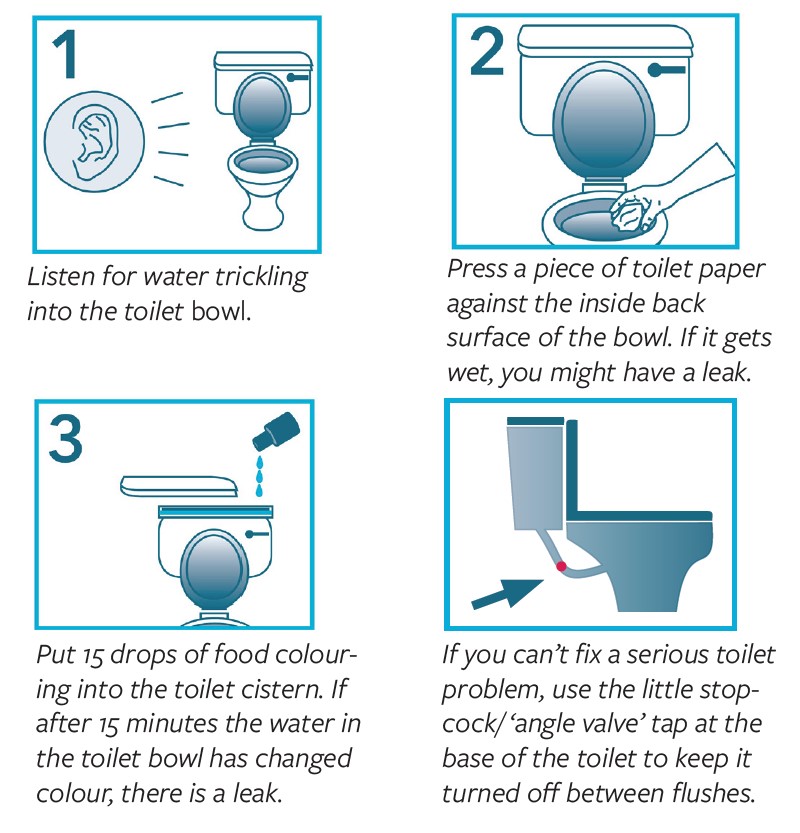
Credit: coevalchicago.com
Common Causes Of Toilet Bowl Trickling
Water trickling into the toilet bowl wastes water and raises your bill. It can also cause annoying noises and damage. Understanding common causes helps fix the problem quickly. Below are the main reasons why water keeps flowing into the bowl.
Faulty Flapper Valve
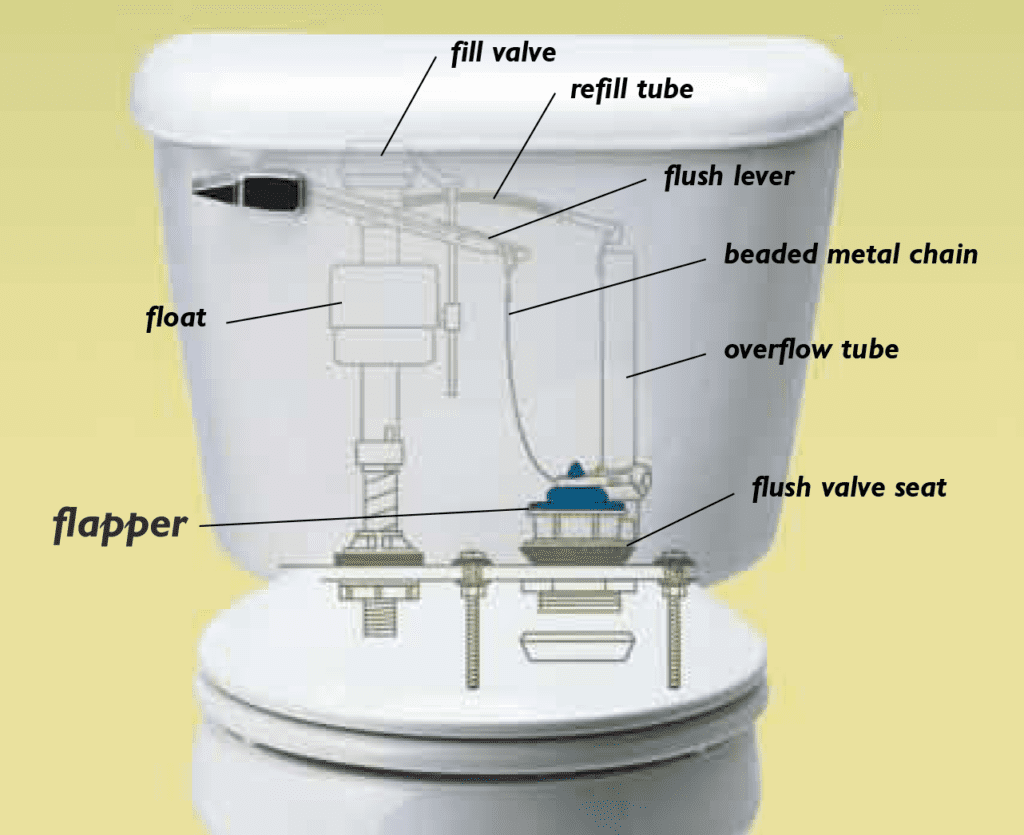
The flapper valve controls water flow from the tank to the bowl. A faulty flapper may not seal properly. This lets water leak slowly into the bowl. Over time, the rubber can wear or warp. Dirt or mineral buildup can also stop it from closing tightly.
Worn-out Fill Valve
The fill valve refills the tank after each flush. A worn fill valve may let water run continuously. It does not shut off fully. This causes water to trickle down into the bowl. The valve may have broken parts or be clogged with debris.
High Water Level
If the water level in the tank is too high, water flows into the overflow tube. This leads to constant trickling into the bowl. The water level should be below the overflow tube’s top. Adjusting the float can fix this issue.
Cracked Flush Valve Seal
The flush valve seal sits under the flapper valve. A crack or damage to this seal causes water to leak. Water seeps past the seal, entering the bowl slowly. Replacing the seal stops the leak and water waste.
Tools And Materials Needed
Stopping water from trickling into a toilet bowl requires a few simple tools and materials. Having the right items ready will make the repair faster and easier. This section lists everything needed to fix the problem.
Basic Plumbing Tools
Start with a wrench to loosen nuts and bolts. A screwdriver helps remove the tank lid and parts inside. Pliers are useful for gripping and turning small components. A sponge or towel can soak up water during the fix.
Replacement Parts
Most leaks come from worn-out parts. A new flapper valve often stops water from flowing unnecessarily. Replace the fill valve if water keeps running. A flush valve seal might also need swapping to stop leaks.
Cleaning Supplies
Clean parts ensure a better seal and longer fix. Use a cloth to wipe dirt from the tank. Mild soap and water remove grime from valves. Avoid harsh chemicals that can damage rubber seals.
How To Fix A Faulty Flapper Valve
A faulty flapper valve often causes water to trickle into the toilet bowl. This small part controls water flow from the tank to the bowl. Fixing it can stop leaks and save water. The process involves inspecting, adjusting, or replacing the flapper. Each step is simple and can be done without expert help.
Inspecting The Flapper
First, turn off the water supply to the toilet. Remove the tank lid carefully. Check the flapper for cracks or warping. Look for mineral buildup or dirt on its surface. These issues prevent a tight seal. Press the flapper down and see if it closes properly. If it stays open or feels loose, it needs fixing.
Replacing The Flapper
Buy a new flapper matching your toilet model. Remove the old flapper by detaching it from the flush valve. Unhook the chain from the handle lever. Attach the new flapper to the flush valve. Connect the chain back to the handle. Turn the water supply on and test the flush. Ensure the flapper seals well and stops water flow.
Adjusting The Chain
The chain connects the flapper to the flush handle. It must have the right length for proper function. Too tight stops the flapper from closing fully. Too loose keeps it from lifting enough. Adjust the chain by moving the hook along the links. Test the flush and check if water stops running. Repeat adjustments until the flapper works smoothly.

Credit: www.youtube.com
Adjusting The Fill Valve
Adjusting the fill valve is a key step to stop water from trickling into the toilet bowl. The fill valve controls the water level inside the tank. If it is set too high, water will overflow into the bowl, causing constant trickling. Fixing this issue can save water and reduce noise.
This process involves checking the water level, lowering it if needed, or replacing the fill valve if it is faulty. Each step is simple and can be done without special tools.
Checking Water Level
Open the toilet tank lid carefully. Look at the water level inside. There is a marked line or overflow tube to guide you. The water should be about one inch below the top of the overflow tube. If the water is higher than this, it will flow into the bowl.
Lowering The Water Level
To lower the water level, find the fill valve adjustment screw or clip. Turn the screw clockwise or squeeze the clip to lower the float. The float controls when the valve shuts off water flow. Lowering it stops water from rising too high. Flush the toilet and watch the water level again. Adjust until the water stays below the overflow tube.
Replacing The Fill Valve
If adjusting the float does not stop the trickle, the fill valve may be broken. Turn off the water supply to the toilet. Flush to empty the tank. Remove the old fill valve by unscrewing the lock nut at the tank bottom. Install a new fill valve following the package instructions. Adjust the float on the new valve to set the correct water level. Turn the water back on and test the toilet.
Sealing Cracks And Leaks
Sealing cracks and leaks is important to stop water from trickling into the toilet bowl. Small cracks or leaks can waste water and increase your bill. Fixing them early saves money and prevents bigger problems later.
Finding and fixing these issues does not require special tools. A careful check inside the tank can reveal most leaks. Using the right sealant can stop water from escaping.
Identifying Cracks
Look closely inside the toilet tank. Check the bottom and sides for hairline cracks. Use a flashlight for better visibility. Also, inspect around the flush valve and fill valve for leaks. Sometimes, water stains or damp spots show where cracks are.
Applying Sealant
Clean the cracked area first. Remove dirt and dry it well. Use a waterproof silicone sealant for best results. Apply the sealant evenly over the crack. Allow it to dry completely before using the toilet. This stops water from leaking through the crack.
When To Replace The Flush Valve
Check the flush valve for cracks or damage. If water keeps leaking despite sealing, the valve may be faulty. Replace the flush valve if it is broken or worn out. A new valve ensures a tight seal and stops water waste.
Preventive Tips To Avoid Future Leaks
Stopping water from trickling into the toilet bowl saves water and prevents damage. Taking steps before leaks start keeps your toilet working well for years. These tips help avoid future problems and save money on repairs.
Regular Maintenance
Check your toilet parts every few months. Look for worn-out flappers and seals that cause leaks. Clean the tank to remove buildup that affects parts. Tighten any loose bolts and screws. Regular checks catch small issues early.
Using Quality Parts
Choose parts made from durable materials for repairs or replacements. Cheap parts wear out faster and cause leaks. Investing in good-quality flappers, fill valves, and seals helps keep your toilet leak-free. Quality parts last longer and work better.
Monitoring Water Usage
Watch your water bill for sudden increases. A higher bill can mean a hidden leak in the toilet. Use water meters or leak detectors to spot leaks early. Tracking usage helps you fix problems before they get worse.
Credit: pinellas.gov
Frequently Asked Questions
Why Is Water Trickling Into My Toilet Bowl Constantly?
Water trickling usually means the flapper valve is not sealing properly. It lets water leak from the tank to the bowl continuously. This causes the tank to refill often.
How Can I Stop A Running Toilet Without Calling A Plumber?
Check the flapper valve and chain inside the tank. Adjust or replace the flapper if it’s worn or misaligned. This often fixes the trickling water issue.
What Causes A Toilet To Leak Water Into The Bowl?
A worn flapper, faulty fill valve, or damaged flush valve can cause leaks. These parts let water escape even after flushing stops. Regular checks help catch problems early.
Can A Faulty Fill Valve Cause Water To Trickle Into The Toilet?
Yes, a fill valve stuck open can let water flow continuously. This causes the tank to overflow into the bowl. Replacing or adjusting the valve usually solves this.
How Do I Fix A Leaky Toilet Flapper?
Turn off the water supply, drain the tank, then clean or replace the flapper. Ensure the chain is not too tight or too loose. This stops water from leaking.
Is It Expensive To Repair A Trickling Toilet?
Most fixes like replacing a flapper or adjusting parts are low-cost. Parts are inexpensive and available at hardware stores. Basic DIY skills can save you money.
How Often Should I Inspect My Toilet For Leaks?
Check your toilet every 6 months for leaks or wear. Early detection prevents water waste and costly repairs. Simple inspections keep your toilet working well.
Conclusion
Stopping water from trickling into the toilet bowl saves water and money. Fixing small leaks can prevent bigger problems later. Check the flapper, fill valve, and handle regularly. These parts often cause leaks and are easy to fix. A little maintenance goes a long way.
Take action soon to keep your toilet running well. Enjoy a quieter, more efficient bathroom. Simple steps make a big difference.