
When it comes to managing your home’s plumbing, you might have come across terms like boiler drain and hose bibb. But which one do you really need?
Understanding the difference between a boiler drain and a hose bibb can save you time, money, and frustration. This article will clear up the confusion and help you make the right choice for your home. Keep reading to find out how these two fixtures work and why knowing the difference matters for your plumbing projects.

Credit: merrillmfg.com
Boiler Drain Basics
Understanding the basics of a boiler drain helps you maintain your heating system better. This small valve plays an important role in keeping the boiler clean and safe. Knowing what it does and where to find it can save time and prevent damage.
Below are key points about boiler drains to help you recognize their purpose, location, and design features.
Purpose And Function
A boiler drain lets you empty water from the boiler system. It removes sediment and debris that build up over time. Flushing out this waste improves efficiency and prevents corrosion. It also helps when you need to repair or replace parts safely.
Common Locations
Boiler drains are usually near the bottom of the boiler tank. This position allows easy access to remove water and sediment. Sometimes, you find them close to the boiler’s main water line or pressure relief valve. Knowing the spot helps during routine maintenance or emergencies.
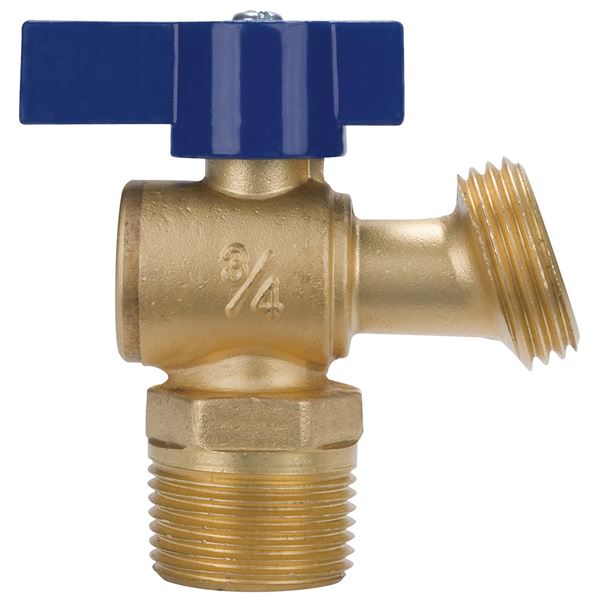
Materials And Design
Most boiler drains are made from brass or stainless steel. These materials resist rust and wear from hot water. The valve design is simple, often a small spigot or ball valve. This makes it easy to open and close without tools. A good design ensures long-lasting use and safe water drainage.
Credit: catalog.nibco.com
Hose Bibb Basics
Understanding hose bibbs helps you manage outdoor water needs well. Hose bibbs are common plumbing fixtures. They let you connect a garden hose or fill containers with water. These outdoor faucets are simple but essential.
Knowing their purpose, location, and design helps you use them safely and effectively. This guide covers the basics of hose bibbs. It explains what they do, where to find them, and how they are built.
Purpose And Function
A hose bibb controls water flow outside your home. It connects to your plumbing system. You can attach a hose for watering plants or washing cars. Turning the handle opens or closes the water supply. This makes watering tasks easier and faster.
Common Locations
Hose bibbs usually appear on exterior walls. Often near gardens, patios, or driveways. Some homes have multiple bibbs for different areas. They can be found near garages or basements too. Accessibility and convenience guide their placement.
Materials And Design
Hose bibbs come in brass, stainless steel, or plastic. Brass is popular for durability and rust resistance. Stainless steel resists corrosion in harsh weather. Plastic bibbs are less common but affordable. Designs include frost-proof versions to prevent freezing.
Most bibbs have a simple valve handle. This handle is easy to turn, even with wet hands. Some models include backflow preventers to protect water quality. Quality materials and design increase hose bibb lifespan.
Key Functional Differences
Boiler drains and hose bibbs serve different purposes in plumbing systems. Understanding their key functional differences helps you choose the right one for your needs. Each has specific features that suit certain tasks better.
Water Flow Control
Boiler drains allow precise control of water flow. They release water slowly to avoid sudden pressure changes. Hose bibbs provide quick access to water for outdoor use. They open fully or partially, depending on the handle position.
Pressure Handling
Boiler drains are built to handle higher pressure inside boilers. They withstand the force without leaking or breaking. Hose bibbs handle lower pressure suitable for garden hoses and outdoor faucets. Using them under high pressure can cause damage.
Temperature Tolerance
Boiler drains tolerate very hot water from heating systems. They are made of materials that resist heat well. Hose bibbs work best with cold or warm water but not hot water. Excess heat can warp their parts or cause leaks.
Installation And Maintenance
Installation and maintenance are key for both boiler drains and hose bibbs. Proper setup ensures they work well and last long. Regular care helps avoid leaks and other problems. Understanding their needs saves time and money.
Installation Requirements
Boiler drains need to be installed at the lowest point of the boiler. This placement helps remove water completely. They require a threaded connection to fit tightly. A hose bibb must be placed outside or near water access points. It should have a shut-off valve for easy control. Both need a secure, leak-free connection to water pipes.
Maintenance Tips
Check boiler drains for rust or mineral build-up. Clean or replace parts if needed to keep water flowing. Hose bibbs should be drained before winter to avoid freezing. Tighten any loose fittings to prevent leaks. Use a sealant on threads to maintain a strong seal. Regular inspection keeps both devices working smoothly.
Common Issues
Boiler drains can get clogged with debris or sediment. This blockage stops proper drainage. Hose bibbs may leak due to worn washers or valves. Freezing can crack the hose bibb pipe. Both may suffer from corrosion over time. Early detection and repair avoid costly damage.
Safety Considerations
Safety is critical when choosing between a boiler drain and a hose bibb. Both have risks that can cause injury or damage if not handled right. Understanding safety considerations helps keep your home and family safe.
Potential Hazards
Boiler drains release hot water or steam. This can cause burns if touched. Pressure can build up and cause parts to burst. Hose bibbs can leak and create slippery surfaces. Frozen pipes from a hose bibb can burst in cold weather.
Preventive Measures
Always wear gloves when handling boiler drains. Open valves slowly to avoid sudden water release. Check for leaks around hose bibbs regularly. Drain hoses before winter to stop freezing. Use signs or barriers if water spills to prevent falls.

Credit: www.firstsupply.com
Choosing Between Boiler Drain And Hose Bibb
Choosing between a boiler drain and a hose bibb depends on what you need and where you plan to use it. Both serve to release water but differ in design and function. Understanding these differences helps pick the right option for your home or project.
Application Suitability
Boiler drains are mainly for draining water heaters and boilers. They allow quick water removal for maintenance or repair. Hose bibbs connect to garden hoses for outdoor water use. They provide easy access to water outside the home.
Choose a boiler drain for indoor plumbing systems. Pick a hose bibb for watering plants or washing cars. Each fits specific tasks and locations better.
Cost Factors
Boiler drains usually cost less than hose bibbs. They are simpler in design and made for specific use. Hose bibbs often include valves and fittings, raising their price.
Consider installation costs. Boiler drains require plumbing skills, possibly raising expenses. Hose bibbs can be easier to install yourself, saving money.
Durability And Lifespan
Boiler drains are built to handle hot water and pressure. They last long inside heating systems. Hose bibbs face outdoor elements like sun and cold weather. Materials like brass help hose bibbs resist rust and damage.
Choose a product made for its environment. Boiler drains suit indoor use. Hose bibbs need to withstand outdoor wear and tear.
Frequently Asked Questions
What Is The Main Difference Between A Boiler Drain And Hose Bibb?
A boiler drain is used to empty water from heating systems. A hose bibb is an outdoor faucet for garden hoses and water access.
Can A Hose Bibb Replace A Boiler Drain?
No, a hose bibb cannot replace a boiler drain. They serve different purposes and have different designs.
Where Is A Boiler Drain Usually Located?
A boiler drain is often found at the bottom of a boiler or water heater. It allows easy draining of water.
What Materials Are Boiler Drains And Hose Bibbs Made Of?
Boiler drains and hose bibbs are usually made of brass or durable metal. This prevents rust and leaks.
How Do You Maintain A Boiler Drain Properly?
Regularly check for leaks and clear any blockages. Open the valve occasionally to keep it working well.
Can Hose Bibbs Be Used Indoors?
Hose bibbs are designed for outdoor use. Indoor water systems use different valves and drains like boiler drains.
Why Is It Important To Have A Boiler Drain?
A boiler drain helps remove old water and sediment from heating systems. This prevents damage and keeps the system efficient.
Conclusion
Choosing between a boiler drain and a hose bibb depends on your needs. A boiler drain helps remove water from heating systems safely. A hose bibb provides outdoor water access for gardening or cleaning. Both serve different purposes but keep your plumbing working well.
Understanding their roles saves time and prevents damage. Use the right valve for the right job. This simple choice keeps your home running smoothly.