
Is your water heater making strange noises or not heating up properly? Air trapped in your gas line could be the culprit.
Learning how to purge air from the gas line on your water heater is a simple but essential step to keep your system running smoothly. In this guide, you’ll discover easy-to-follow steps that anyone can do, even if you’re not a handyman.
By the end, you’ll know exactly how to fix the problem and enjoy hot water without interruptions. Keep reading to get your water heater back in top shape!
Signs Of Air In Gas Lines
Air in gas lines can cause problems with your water heater. It affects how the heater works and can be unsafe. Knowing the signs helps you spot the issue early. This way, you can fix it before it gets worse.
Common Symptoms
Bubbles or sputtering in the gas line are clear signs of air. The water heater may have trouble lighting or stay lit. Flames can flicker or burn unevenly. You might hear strange noises, like popping or hissing sounds. The water might not get as hot as usual.
Safety Concerns
Air in gas lines can cause gas leaks, which are dangerous. It may lead to incomplete burning of gas, producing harmful carbon monoxide. This gas is colorless and odorless but very toxic. A sudden loss of flame can cause gas to build up. Always check for leaks and ensure proper ventilation.
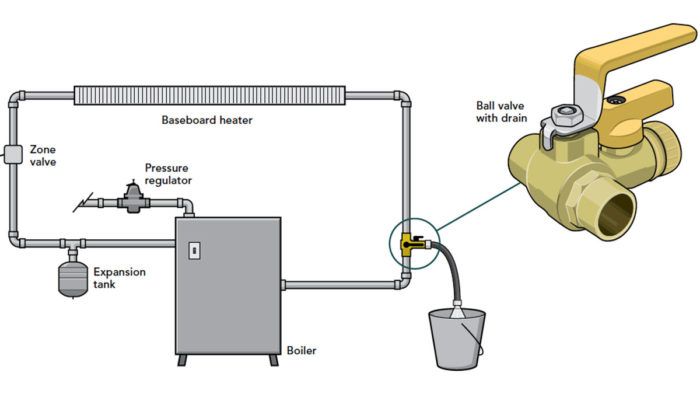
Credit: www.finehomebuilding.com
Tools Needed For Purging
Purging air from a gas line on a water heater needs the right tools. Using proper equipment makes the task safer and easier. Prepare all tools before starting to avoid interruptions.
Essential Equipment
First, you need a wrench to open and close the gas valve. A screwdriver helps remove panels or covers if needed. Have a gas leak detector or soapy water ready to check for leaks. A flashlight can improve visibility in dark areas. Keep a bucket or cloth nearby to catch any water or debris.
Safety Gear
Wear safety goggles to protect your eyes from gas or debris. Use gloves to keep your hands safe and clean. A face mask helps avoid inhaling gas or dust. Ensure you have proper ventilation in the work area to reduce gas buildup. Never skip safety gear, as it reduces risks during purging.
Preparing The Water Heater
Preparing the water heater is an important first step before purging air from the gas line. This step helps ensure safety and prevents damage. Take your time to follow each part carefully. You will need to turn off the gas supply and shut down the water heater properly. Both actions stop the heater from working during the process.
Turning Off The Gas Supply
Locate the gas valve near the water heater. This valve controls the flow of gas to the heater. Turn the valve clockwise to close it. This stops gas from moving through the line. Make sure the valve is fully closed. Double-check by trying to turn on the heater. No gas should flow if the valve is closed correctly.
Shutting Down The Water Heater
Find the power switch or the pilot light on your water heater. Turn off the power switch or extinguish the pilot light. This stops the heater from heating water. Wait for a few minutes to allow the water inside to cool. This step reduces the risk of burns or accidents. Now the water heater is ready for the next step in the air purging process.

Credit: diy.stackexchange.com
Steps To Purge Air From Gas Line
Purging air from the gas line on a water heater is an important task. Air trapped in the gas line can stop the heater from working properly. It can cause the pilot light to go out or make the burner weak. Follow these clear steps to remove air safely and restore proper gas flow.
Locating The Gas Line
First, find the gas line connected to your water heater. It is usually a metal or flexible pipe. The gas line runs from the main gas supply to the heater’s control valve. Check near the bottom or side of the heater to spot this pipe. Make sure the gas supply valve is nearby and easy to reach.
Releasing Trapped Air
Turn off the gas supply valve to stop gas flow. Open the gas control valve on the water heater slowly. This allows air to escape from the line. You may hear a hissing sound as air leaves. Keep the valve open until you see a steady flow of gas or smell gas safely. Do not light any flames during this process.
Checking For Gas Flow
After releasing air, check if gas flows well through the line. Turn the gas supply valve back on fully. Light the pilot or burner according to your heater’s instructions. The flame should burn steady and strong. If it flickers or goes out, repeat the purging steps. Proper gas flow means your water heater is ready to work efficiently.
Testing The Water Heater After Purging
Testing the water heater after purging air is very important. This step ensures the unit works properly and safely. Air trapped in the gas line can cause uneven heating or strange noises. Checking the system right after purging helps you catch any issues early. Follow these steps to restart and monitor your water heater carefully.
Restarting The Unit
First, turn the gas valve back to the on position. Open the pilot light access panel. Use a lighter or match to ignite the pilot light if it went out. Watch for a steady blue flame. If the flame flickers or goes out, turn off the gas and wait. Try lighting again after a few minutes. Once the pilot stays lit, turn on the main burner. Listen for normal operating sounds. No loud bangs or hissing should occur.
Monitoring Performance
Check the water temperature after the heater runs for 20 minutes. It should reach the set temperature on the thermostat. Look for any unusual smells or noises. Keep an eye on the water flow from your taps. Water should be hot and steady. Watch for any leaks around the heater and gas line. If you notice problems, turn off the unit and call a professional. Regular monitoring prevents damage and keeps your water heater safe.

Credit: www.youtube.com
Preventing Air Buildup In Gas Lines
Air buildup in gas lines can cause your water heater to work poorly. It can lead to uneven flames or even stop the heater from lighting. Preventing this problem helps your water heater run safely and efficiently. Keeping air out of gas lines means fewer repairs and longer heater life.
Regular Maintenance Tips
Check your gas lines regularly for signs of damage or leaks. Tighten any loose connections to stop air from entering. Clean the burner area to keep flames steady. Replace old or worn parts to avoid air buildup. Turn off the gas before doing any work to stay safe.
Professional Inspection
Have a certified technician inspect your gas lines each year. They can spot problems you might miss. Professionals test for leaks and clear any trapped air. Their tools help keep your system safe and efficient. Regular inspections prevent costly repairs and improve heater performance.
Frequently Asked Questions
What Causes Air To Enter A Gas Line On A Water Heater?
Air can enter gas lines during maintenance, repairs, or if the gas supply is interrupted. This can cause uneven heating or strange noises from the water heater.
How Do You Know If Air Is In The Gas Line?
Signs include sputtering flames, delayed ignition, or the water heater not heating properly. These indicate air blocks in the gas supply.
Can Purging Air From The Gas Line Improve Heater Performance?
Yes, removing air restores steady gas flow, allowing the burner to light correctly. This improves heating efficiency and safety.
What Tools Are Needed To Purge Air From A Gas Line?
You typically need a wrench, a screwdriver, and a gas leak detector or soap solution. These help safely open valves and check for leaks.
How Long Does It Take To Purge Air From A Gas Line?
The process usually takes 5 to 15 minutes depending on the system size. It involves slowly releasing trapped air until gas flows smoothly.
Is It Safe To Purge Air From A Gas Line Yourself?
Yes, if you follow safety steps like turning off gas and checking leaks. If unsure, contact a professional to avoid hazards.
How Often Should Air Be Purged From A Gas Line On A Water Heater?
Air purging is rarely needed unless gas supply is interrupted or maintenance is done. Regular checks help catch issues early.
Conclusion
Purge the air carefully to keep your water heater safe and working well. Air in the gas line can cause problems like uneven heating or strange noises. Follow the steps slowly and check each part as you go. Use the right tools and never rush the process.
Regular checks help avoid future issues and save money. Stay patient and pay attention to details. This simple task can improve your heater’s performance and your home’s comfort. Keep your gas line clear for steady heat every day.