
Reinforcing dining room chairs means adding bracing, glue, screws, or corner blocks to joints that have loosened so the seats can carry weight again without wobbling or failing. The work usually takes an afternoon per chair and requires only basic tools most homeowners already own.
Key Takeaways
- Tighten every bolt and screw before adding glue or blocks; loose hardware causes most wobbles.
- Use wood glue plus corner braces or corner blocks on chair frames, not nails alone.
- Replace stretchers or rungs that are cracked, split, or missing rather than trying to patch them.
- Reinforce seat-to-frame connections with corner blocks glued and screwed into solid wood.
- Reglue loose joints by separating them, cleaning old glue, applying fresh glue, and clamping until cured.
- Test each chair after reinforcement by sitting on it and rocking gently before regular use.
Assess the Chair Damage
Start by turning each chair upside down and inspecting the frame, legs, stretchers, and seat. Wiggle each leg to find joints that move independently of the frame. Look for cracked wood, missing screws, separated stretchers, and seats that shift when pressed.
A chair that rocks on a flat floor usually has uneven legs or a loose leg joint, while a chair that squeaks when someone sits down typically has a loose seat connection. Mark problem joints with painter’s tape so you don’t miss any during repair.
Gather Tools and Materials
You’ll need a cordless drill or screwdriver, wood glue, clamps, a rubber mallet, sandpaper, a putty knife, and a damp cloth. For hardware, keep wood screws, corner braces, corner blocks, and replacement dowels on hand. Choose carpenter’s wood glue for indoor furniture because it dries clear and sands easily.
Avoid construction adhesive, which expands as it cures and can push joints apart. If your chairs have upholstered seats, you’ll also need a staple remover and upholstery staples to reattach the seat after working on the frame.
Disassemble Loose Joints
Don’t simply inject glue into a joint that still has old, dried adhesive inside; new glue won’t bond to old glue. Use a rubber mallet to gently tap joints apart, or unscrew hardware holding the frame together. Scrape old glue from the mating surfaces with a putty knife, then sand lightly until the wood feels smooth and clean.
Wipe away dust with a damp cloth and let the wood dry completely before applying new glue. If a joint won’t separate without force, drill out the old dowel or screw carefully and plan to replace it with a new dowel or screw of the same diameter.
Regulate Glue and Clamp Joints
Apply a thin, even layer of wood glue to both surfaces of the joint, then press the pieces together and wipe away squeezed-out glue with a damp cloth before it dries. Clamp the joint tightly and leave it undisturbed for at least 30 minutes, though full cure takes 24 hours.
For chair legs, use bar clamps or strap clamps to pull the leg square into the apron. Check that the leg remains perpendicular to the seat while the glue dries; a crooked leg will make the chair wobble even after the glue hardens.
Reinforce Dining Room Chair Frames
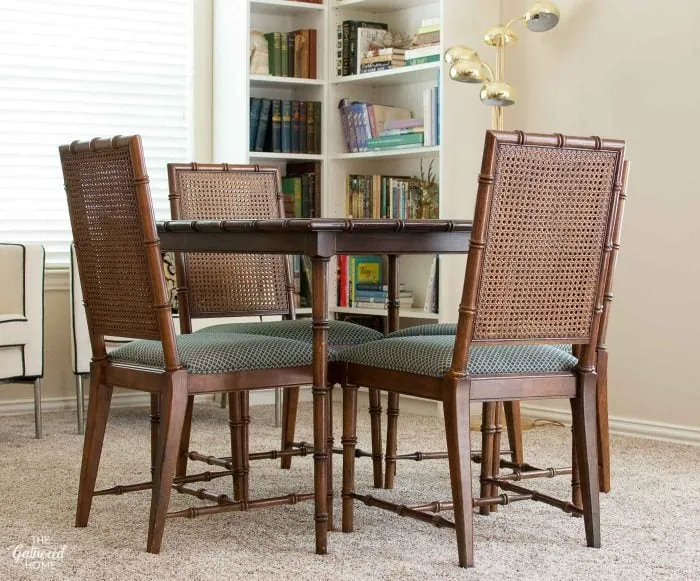
Corner blocks are small triangles of wood that fit inside the corner where a leg meets the apron or seat frame. Cut them from hardwood scrap at least 3/4 inch thick, miter the ends to match the corner angle, and glue and screw them into place.
Pre-drill pilot holes to prevent splitting, and drive screws through the block into both adjoining frame pieces. Corner blocks turn a weak butt joint into a strong corner and are especially useful on dining chairs that lean backward when people push themselves up from the table.
Install Stretcher Braces
Stretchers are the horizontal bars between chair legs that keep the legs from spreading apart. If a stretcher is missing or broken, cut a new piece of hardwood to fit snugly between the legs at the same height as the original. Attach it with glue and screws or dowels at each end.
For extra reinforcement, add a second stretcher below the first on chairs that see heavy use. Make sure all four legs touch the floor evenly after installing stretchers; sand the bottom of any leg that’s too long so the chair doesn’t rock.
Reinforce the Seat Connection
The seat is often the weakest point on a dining chair because it carries the full weight of the sitter. Remove the seat if it’s screwed or stapled to the frame, inspect the frame rails for rot or cracks, and apply corner blocks at each corner where the seat rails meet the legs.
Reattach the seat with wood screws driven up through the frame into the bottom of the seat, countersinking the heads slightly. For upholstered seats, replace old staples with new ones and add foam or batting if the cushion has compressed.
Comparison of Reinforcement Methods
| Method | Best For | Difficulty | Tools Needed | Typical Cost Range |
|---|---|---|---|---|
| Wood glue and clamps | Loose joints, separated rungs | Easy | Clamps, glue, damp cloth | $8 – $18 |
| Corner blocks | Weak leg-to-apron corners | Moderate | Saw, drill, screws, glue | $12 – $30 |
| Stretcher replacement | Missing or broken stretchers | Moderate | Saw, drill, glue, screws | $15 – $40 |
| Metal corner braces | Quick fix, painted chairs | Easy | Drill, screws, screwdriver | $6 – $15 |
| Full joint rebuild | Severely damaged frames | Advanced | Drill, dowels, glue, clamps | $20 – $50 |
Costs are typical ranges for supplies per chair, not including tools you already own.
Troubleshooting Common Problems
If a chair still wobbles after regluing, check whether one leg is shorter than the others. Set the chair on a flat surface and rock it; the leg that doesn’t touch is too short. Sand the other three legs slightly or add a furniture glide to the short leg.
If glue won’t hold because the wood is split, glue the split, clamp it, and drive a screw through the split from the back side to keep it closed while drying. If a screw hole is stripped, fill it with wooden toothpicks and glue, let it dry, trim flush, then pre-drill and drive a new screw.
When to Replace Instead of Reinforce
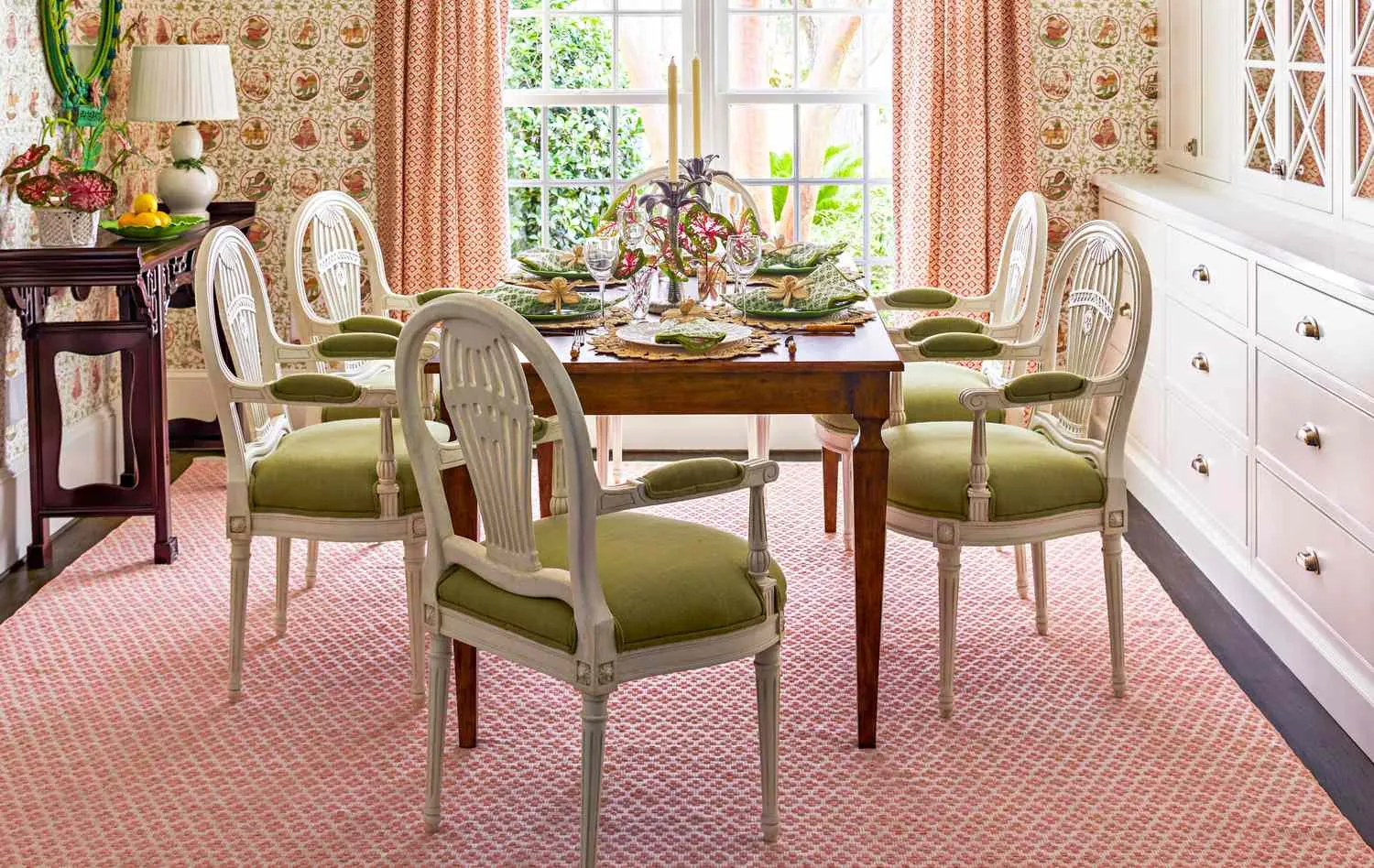
Some chairs are beyond practical reinforcement. If a leg is snapped clean through, the seat frame is rotted, or the wood is so soft that screws pull out easily, replacing the chair is usually cheaper and safer than repairing it. Antique chairs with sentimental value may be worth professional restoration, but for everyday dining chairs, a new chair often costs less than the time and materials needed to rebuild a destroyed frame.
Pro Tip: Number each chair and its parts with masking tape before disassembly so legs, stretchers, and screws go back to the correct chair.
Warning: Never sit on a freshly glued chair before the glue has cured for at least 24 hours; early weight can break the new bond and loosen the joint again.
Frequently Asked Questions
How do I stop my dining chair from wobbling?
Tighten all bolts and screws first, then regluing loose leg joints with wood glue and clamps. If one leg is short, sand the longer legs or add a furniture glide to the short leg until all four legs sit flat.
Can I reinforce a chair without taking it apart?
You can add corner braces or metal brackets from the outside without full disassembly, but glue alone won’t bond well inside a joint that still contains old adhesive. For a lasting repair, separate the joint, clean it, and reglue it.
What glue should I use for dining chairs?
Use carpenter’s wood glue, also called aliphatic resin glue, for indoor furniture. It dries clear, sands easily, and creates a bond stronger than the wood itself when clamped properly.
How long does chair glue need to dry?
Clamp glued joints for at least 30 minutes, but wait 24 hours before sitting on the chair so the glue reaches full strength.
Are metal corner braces strong enough?
Metal corner braces work well for quick reinforcement on painted chairs or where appearance isn’t a priority. For the strongest repair on natural wood, use wood glue plus wooden corner blocks glued and screwed into the frame.
Should I replace a chair with a cracked leg?
A clean crack can be glued and clamped, then reinforced with a screw from the back side. If the leg is shattered or the wood is rotted, replacement is safer than repair.
Conclusion
Reinforcing your dining room chairs is one of the most practical furniture repairs you can do at home. Pick up a bottle of wood glue, a pack of clamps, and some corner blocks this weekend, and start with the chair that wobbles the most.