
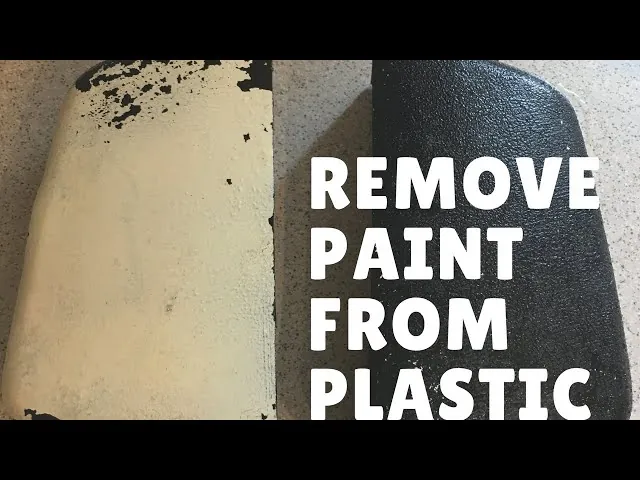
Removing paint from plastic chairs means lifting dried or fresh paint without melting, cracking, or clouding the plastic underneath. Because plastic is softer and more heat-sensitive than wood or metal, the wrong solvent or tool can permanently damage the chair. The safest approach starts with the gentlest method and moves to stronger products only if the paint remains.
Key Takeaways
- Test any solvent on a hidden spot first to check for discoloration or softening of the plastic.
- Start with warm soapy water and a soft cloth for fresh latex or water-based paint.
- Use isopropyl rubbing alcohol for dried latex paint before trying anything stronger.
- Scrape with a plastic putty knife or old credit card, never metal scrapers or steel wool.
- Avoid acetone, nail polish remover, paint thinner, and heat guns on most plastic chairs.
- Re-wash the chair with mild dish soap and water after any chemical removal method.
Identify Your Plastic and Paint Type
Most outdoor and patio chairs are made from polypropylene or polyethylene, while some indoor dining chairs use polystyrene or ABS. These plastics react differently to solvents, so identifying the material helps you choose a safe remover. Look for a recycling symbol or molded marking on the underside of the seat.
Paint type matters just as much. Latex and acrylic paints are water-based and usually come off with mild solvents. Enamel, oil-based, and spray paints are tougher and often require stronger products. Fresh paint wipes away much more easily than fully cured paint, so act quickly when a spill happens.
Match the Method to Remove Paint from Plastic Chairs
| Paint Condition | Best First Try | Next Step If Needed | Avoid |
|---|---|---|---|
| Fresh latex or acrylic | Warm soapy water | Isopropyl alcohol | Acetone |
| Dried latex or acrylic | Isopropyl alcohol | Denatured alcohol (test first) | Paint thinner |
| Enamel or oil-based | Denatured alcohol (test first) | Commercial plastic-safe remover | Acetone |
| Spray paint | Isopropyl alcohol | Plastic-safe paint remover | Heat gun |
Gather Your Supplies
You don’t need expensive equipment. Most of these items are already in a typical household or cost only a few dollars at a hardware store.
- Mild dish soap
- Warm water
- Soft microfiber cloths or sponges
- Isopropyl rubbing alcohol (70% or 91%)
- Denatured alcohol (for tougher spots, test first)
- Plastic putty knife or an old credit card
- Cotton swabs
- Soft-bristled nylon brush
- Bucket or spray bottle
- Clean rags for drying
- Rubber gloves
Pro Tip: Buy isopropyl alcohol in a large bottle; it works on many household surfaces and costs less per ounce than small travel sizes.
Test in a Hidden Area First
Before treating the whole chair, apply your chosen solvent to an inconspicuous spot, such as the bottom of a leg or the back underside. Wait five to ten minutes, then wipe and inspect. If the plastic turns cloudy, feels sticky, or softens, stop and try a milder method. This five-minute test can save a chair from permanent damage.
Remove Fresh Water-Based Paint
Act while the paint is still wet. Blot, don’t rub, to avoid spreading it. Mix a few drops of dish soap with warm water in a bucket. Dip a soft cloth or sponge, wring it out, and gently wipe the painted area. Rinse the cloth frequently in clean water. For paint in crevices, use a soft-bristled nylon brush dipped in the soapy solution. Dry the chair with a clean rag and let it air dry completely before using it.
If a film remains after washing, dampen a cotton swab with isopropyl rubbing alcohol and dab the spot. Rub gently, then wash the area again with soapy water to remove alcohol residue.
Remove Dried Latex or Acrylic Paint
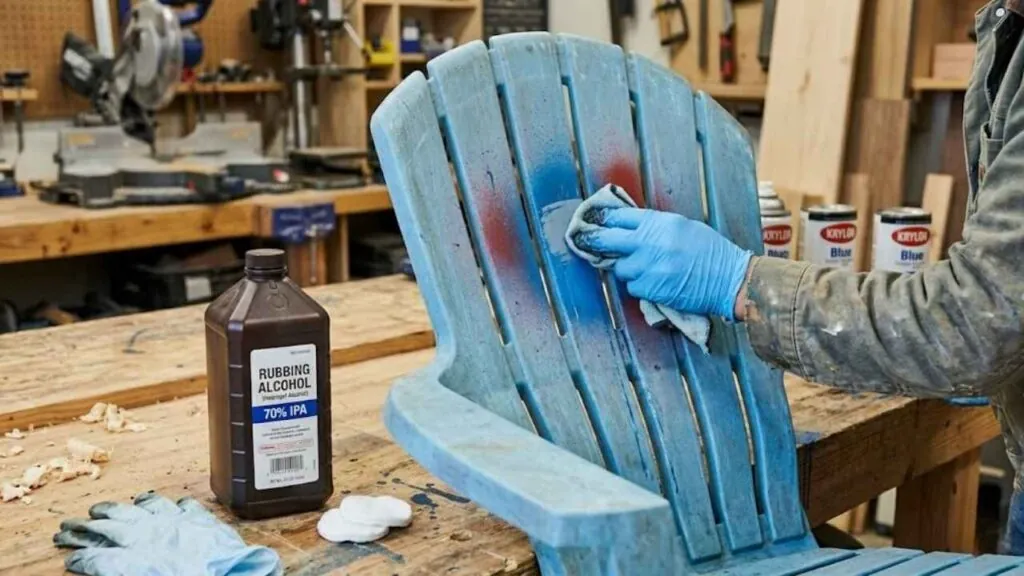
Dried water-based paint needs more time to soften. Soak a cloth in warm, soapy water and lay it over the paint for ten to fifteen minutes. Re-wet the cloth as it cools. Once the paint softens, lift it with a plastic putty knife or the edge of an old credit card. Work slowly and keep the blade flat against the plastic to avoid gouging.
For stubborn spots, apply isopropyl rubbing alcohol with a cotton swab or cloth. Let it sit for a minute or two, then scrape gently. Repeat as needed. After the paint is gone, wash the area with dish soap and water and dry thoroughly.
Warning: Don’t use a metal scraper, putty knife, or steel wool on plastic. These leave scratches that trap dirt and weaken the chair over time.
Remove Enamel, Oil-Based, or Spray Paint
Stronger paints require stronger solvents, but you must still protect the plastic. Denatured alcohol is often effective on oil-based and enamel paint. Apply it to a hidden area first. If the plastic tolerates it, dampen a cloth with denatured alcohol and rub the paint in small circles. Keep the area well-ventilated and wear rubber gloves.
Commercial paint removers labeled safe for plastic are another option. Read the label carefully; many strippers are formulated for metal or wood and will melt plastic. Apply the product only to the painted spot, not the whole chair, and follow the manufacturer’s directions exactly.
For spray paint overspray, isopropyl alcohol often works if the paint is fresh. Fully cured spray paint may need a plastic-safe remover or gentle scraping after softening with alcohol.
What Not to Use on Plastic Chairs
Some common paint-removal products are too aggressive for plastic. Avoid these unless the chair manufacturer specifically approves them:
- Acetone and nail polish remover containing acetone
- Paint thinner and mineral spirits
- Lacquer thinner
- Methylene chloride strippers
- Heat guns and hair dryers on high settings
- Metal scrapers, wire brushes, and steel wool
Acetone can craze, cloud, or dissolve many plastics. Heat can warp or melt thin chair walls. If you’re unsure about a product, skip it and use the gentlest method that works.
Clean and Restore the Finish
After paint removal, wash the entire chair with warm water and mild dish soap. This removes solvent residue that could attract dirt or feel sticky. Rinse with clean water and dry with a soft towel. Let the chair air dry in a shaded area; direct sun can heat plastic unevenly and cause warping.
If the plastic looks dull where the paint was, a plastic restorer or trim product made for automotive interiors may help. Test it on a small spot first. Don’t apply furniture polish or wax meant for wood, as these can make the seat slippery.
Prevent Future Paint Spills
Store paint cans away from outdoor furniture. When painting nearby, move chairs to another area or cover them with a drop cloth. If you use plastic chairs for craft projects, place a cardboard or plastic sheet on the seat first. Wiping up splatters immediately while they’re still wet is the easiest way to avoid a removal job later.
Troubleshooting Common Problems
| Problem | Likely Cause | What to Do |
|---|---|---|
| Plastic looks cloudy after solvent | Solvent too strong for this plastic | Stop immediately; wash with soap and water; try milder method |
| Paint smears instead of lifting | Paint not fully softened | Reapply warm soapy water or alcohol and wait longer |
| White residue remains | Dried soap or solvent film | Rinse thoroughly with clean water and dry |
| Scratches from scraping | Metal tool or too much pressure | Use plastic scraper only; keep pressure light |
| Paint returns in crevices | Incomplete removal | Re-treat crevices with cotton swab and alcohol |
Frequently Asked Questions
Can I use nail polish remover to get paint off plastic?
Most nail polish removers contain acetone, which can cloud, soften, or dissolve many plastics. Test on a hidden spot first, but isopropyl rubbing alcohol is usually the safer choice for dried latex paint.
Will a pressure washer remove paint from plastic chairs?
A pressure washer can chip loose paint, but high pressure may crack or damage thin plastic and force water into hollow chair frames. Use a garden hose and soft brush instead, and reserve pressure washing for sturdy, manufacturer-approved surfaces only.
How do I remove paint from textured plastic chairs?
Work the solvent into the texture with a soft-bristled nylon brush or cotton swab rather than scrubbing hard. Let the softener sit for a few minutes, then lift loosened paint with a plastic tool. Rinse thoroughly to remove residue from the grooves.
Is it safe to use a paint stripper on plastic?
Only if the label specifically says it’s safe for plastic. Many chemical strippers are made for wood or metal and will melt or discolor plastic. Read the manufacturer’s directions and test in a hidden area before applying.
Can I sand paint off a plastic chair?
Fine sandpaper can remove paint, but it also scratches and dulls plastic, leaving a permanent rough finish. Try solvents and gentle scraping first; sand only as a last resort on an inconspicuous area.
What if the paint has been on the chair for years?
Old, cured paint may not come off completely without risking damage to the plastic. After trying gentle methods, you may need to accept some discoloration or repaint the chair with a paint formulated for plastic.
Conclusion
Take your time and start with the mildest method. Warm soapy water, a plastic scraper, and patience remove most paint without harming the chair, so test a hidden spot today before you reach for anything stronger.