If you rely on well water, you know how important it is to have a reliable hot water system. But did you know that a tankless water heater can save you money, space, and energy while working well with your well water setup?
You might be wondering if a tankless system is right for you and how it handles the unique challenges of well water. Keep reading to discover everything you need to know to make the best choice for your home and enjoy endless hot water without the usual worries.
Benefits Of Tankless Water Heaters
Tankless water heaters offer many benefits, especially for homes using well water. These systems heat water only when needed. This saves energy and reduces waste. They also fit well in smaller spaces and provide a steady supply of hot water. Below are some key advantages of using tankless water heaters with well water.
Energy Savings
Tankless water heaters use less energy than traditional tanks. They heat water on demand instead of storing it. This means no energy is lost keeping water hot all day. For well water users, this can lower electricity bills. The system works efficiently with a steady water flow from the well.
Space Efficiency
These heaters are compact and take up less room. They can be mounted on walls, freeing floor space. This is ideal for homes with limited space near the well. Without a bulky tank, there is more room for other equipment. Installation is easier in tight areas.
Endless Hot Water Supply
Tankless heaters provide continuous hot water. There is no risk of running out during showers or chores. This is helpful for families using water from a well. The system heats water as it flows, so supply depends on the well’s capacity. It keeps up with daily hot water needs without delay.

Credit: www.badmarthabeer.com
Challenges With Well Water
Using a tankless water heater with well water can bring unique challenges. Well water often contains minerals and sediments that affect the heater’s performance. Understanding these challenges helps you maintain your water heater better.
These issues can reduce the efficiency and lifespan of your tankless water heater. Proper care and treatment are key to avoiding costly repairs and poor water quality.
Water Hardness Issues
Well water usually has high levels of hardness. Hard water contains calcium and magnesium. These minerals cause scale buildup inside the heater’s pipes and heating elements. Scale reduces heat transfer and lowers efficiency. Over time, it can cause damage and increase energy costs.
Sediment And Mineral Buildup
Well water often carries sand, dirt, and other particles. These sediments settle inside the heater’s narrow pipes and valves. Sediment buildup blocks water flow and strains the system. It also causes wear and tear on internal parts. Regular cleaning and filtration help prevent sediment problems.
Corrosion Risks
Certain minerals and chemicals in well water can cause corrosion. Corrosion weakens metal parts and leads to leaks. It also reduces the heater’s lifespan. Using corrosion-resistant materials and protective coatings can help. Testing water quality regularly is important to detect corrosive elements.
Choosing The Right Tankless Water Heater
Choosing the right tankless water heater for well water is essential. The wrong choice can lead to poor performance and frequent repairs. Understanding key factors helps you pick a unit that fits your needs and lasts longer.
Focus on flow rate, material durability, and energy source. These elements affect how well the heater works with well water. Each factor plays a role in efficiency and reliability.
Flow Rate Requirements
Flow rate is the amount of water the heater can warm at once. Measure your household’s peak water use. Consider showers, appliances, and faucets running together. Choose a heater with a flow rate that meets or exceeds this demand. This avoids cold water bursts or low pressure.
Material Durability
Well water often contains minerals and sediments. These can damage heaters made of weak materials. Look for models with corrosion-resistant parts. Stainless steel or copper heat exchangers last longer in harsh water. Durable materials reduce maintenance and extend heater life.
Energy Source Options
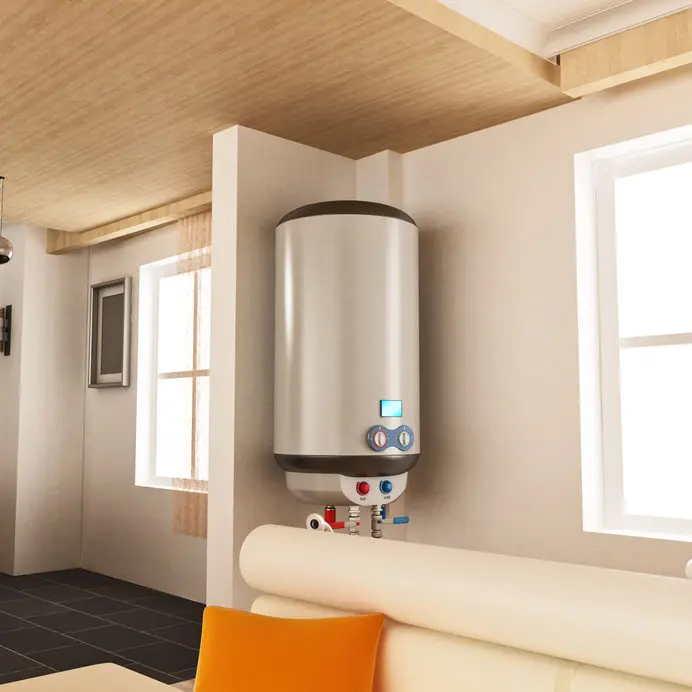
Tankless heaters use electricity, natural gas, or propane. Each source has pros and cons. Electric units are easy to install and maintain. Gas models heat water faster and cost less to run. Consider fuel availability and your home’s setup. Pick the energy source that fits your budget and lifestyle.
Credit: nicholson-hvac.com
Water Treatment Solutions
Using well water with a tankless water heater requires proper water treatment. Well water often contains minerals and particles that can harm your heater. Treating the water protects your system and improves water quality. It also helps maintain the heater’s efficiency and lifespan.
Water Softeners
Well water usually has hard minerals like calcium and magnesium. These minerals cause scale buildup inside the heater. Water softeners remove these minerals by exchanging them with sodium or potassium. This process stops scale buildup and protects your tankless water heater. Softened water also feels smoother on your skin and clothes.
Sediment Filters
Well water often carries dirt, sand, and rust particles. These sediments can clog your heater’s small pipes and reduce performance. Sediment filters catch these particles before they enter the heater. This prevents damage and keeps your water clean. Regularly changing filters ensures your system runs smoothly.
Corrosion Inhibitors
Corrosion can damage metal parts inside your tankless water heater. Well water may have chemicals or acidity that cause corrosion. Corrosion inhibitors add a protective layer on metal surfaces. This layer stops rust and extends the life of your heater. Using inhibitors helps avoid costly repairs and replacements.
Installation Tips For Well Water Systems
Installing a tankless water heater with well water needs careful planning. Well water can have unique challenges like minerals and sediments. These can affect how your heater works and lasts. Follow these key tips to ensure a smooth setup and better performance.
Pre-installation Water Testing
Test your well water before installing the heater. Check for hardness, iron, and sediment levels. These factors can clog or damage the heater. Knowing your water quality helps choose the right filters and protect the system. Water testing saves money and avoids future problems.
Proper Sizing And Placement
Select a heater sized for your household needs. Too small means low hot water supply. Too large wastes energy and costs more. Place the unit near the main water line to reduce heat loss. Avoid areas with freezing temperatures. Proper placement improves efficiency and lifespan.
Professional Vs Diy Installation
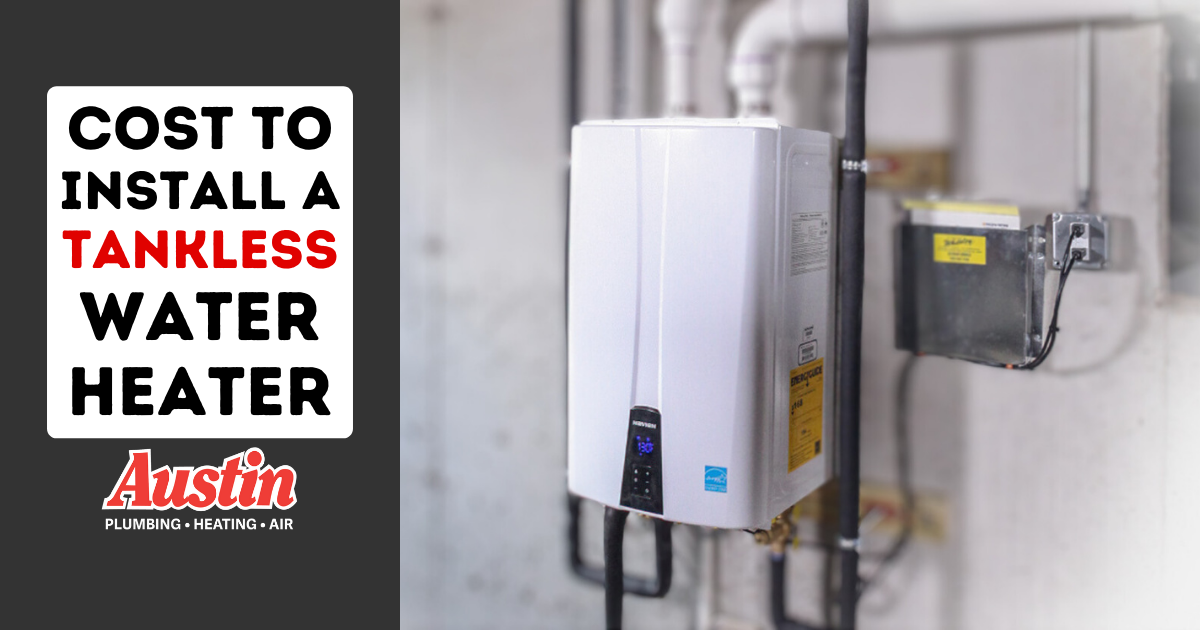
Consider hiring a professional for installation. Experts ensure correct connections and follow local codes. They handle electrical and plumbing safely. DIY installation can save money but risks mistakes. Errors may cause leaks, poor performance, or damage. Weigh the benefits before deciding.
Credit: m-alnakheel.com
Maintenance And Troubleshooting
Maintaining a tankless water heater that uses well water is very important. Well water often contains minerals and sediments. These can build up inside the heater. Regular care helps keep the heater working well. It also extends the heater’s life. Troubleshooting common problems can save time and money.
Regular Flushing Procedures
Flushing the tankless water heater removes mineral deposits. These deposits reduce water flow and heat efficiency. Flush the system every 6 to 12 months. Use a vinegar solution or a descaling product. Turn off the power and water supply first. Connect a pump to circulate the solution. Run the pump for 45 to 60 minutes. After flushing, rinse the system with clean water. This keeps the heater clean and working well.
Filter Replacement Schedule
Well water often has dirt and debris. Filters catch these before water enters the heater. Check filters every 3 months. Replace them if they look dirty or clogged. Clean filters improve water flow and protect the heater. Follow the manufacturer’s guide on filter type and size. Regular filter changes prevent damage and improve heater life.
Common Issues And Fixes
Mineral buildup can cause low water pressure or no hot water. Flushing the system usually fixes this. A clogged filter can also reduce water flow. Replace or clean the filter to solve this issue. Error codes may appear on the display. Check the heater manual for code meanings. Resetting the unit often clears minor errors. For persistent problems, call a professional plumber. Regular maintenance lowers the chance of major issues.
Maximizing Efficiency And Lifespan
Maximizing the efficiency and lifespan of a tankless water heater with well water requires careful attention. Well water can have minerals and sediments that affect the heater’s performance. Taking the right steps keeps your system running smoothly and saves energy.
Simple actions can prevent damage and reduce energy costs. Regular care ensures your heater lasts longer and works efficiently every day.
Optimizing Water Pressure
Proper water pressure is crucial for tankless heaters. Well water pressure can vary, which may cause the heater to work harder. Use a pressure regulator to keep pressure steady. This protects the heater’s internal parts and improves heating speed. Check the pressure regularly to avoid drops or spikes.
Energy-saving Settings
Many tankless heaters have energy-saving modes. Set the temperature to a moderate level, around 120°F, to save power. Avoid overheating water, which wastes energy and wears the heater faster. Use timers or smart controls to run the heater only when needed. These settings reduce electricity bills and extend heater life.
Seasonal Maintenance Tips
Well water can cause mineral buildup inside the heater. Flush the system every six months to remove deposits. Clean or replace filters to keep water flow clear. Inspect pipes and valves for leaks or damage. Winterize the heater if you live in cold areas to prevent freezing. Regular maintenance keeps the heater efficient and safe.
Frequently Asked Questions
Can A Tankless Water Heater Work With Well Water?
Yes, tankless water heaters can work with well water. Proper filtration and maintenance are important to protect the unit. Well water may contain minerals that can damage the heater if untreated.
How Does Well Water Affect Tankless Water Heaters?
Well water often has minerals and sediment that can clog or damage heaters. Using a good water filter helps reduce buildup and extend the heater’s life. Regular cleaning is also necessary.
What Filtration Is Needed For Well Water And Tankless Heaters?
A sediment filter and a water softener are commonly used. These filters remove particles and reduce hardness. This protects the heater and improves its performance.
Can Tankless Heaters Handle Hard Water From Wells?
Tankless heaters can handle some hard water but may face scaling issues. Water softeners help prevent scale buildup inside the heater. Scaling can reduce efficiency and cause damage.
How Often Should I Maintain A Tankless Heater On Well Water?
Maintenance every 6 to 12 months is recommended. Flushing the system and checking filters keeps the heater working well. More frequent checks may be needed if water is very hard.
Are There Special Tankless Heaters For Well Water?
Some models have stronger components or built-in filters for hard water. Choosing a heater designed for well water can improve durability and performance. Always check product specifications before buying.
What Signs Show A Tankless Heater Is Damaged By Well Water?
Reduced hot water flow and inconsistent temperatures are common signs. White or green scale buildup near the heater can also appear. Early maintenance can prevent serious damage.
Conclusion
Choosing a tankless water heater for well water can save space and energy. Regular maintenance keeps the system working well. Using filters helps protect the heater from minerals and debris. This choice offers endless hot water without waiting. It suits homes with limited storage or high water use.
Keep in mind the need for proper installation and care. This ensures long-lasting, efficient hot water for your home. Simple steps make a big difference in performance and durability. A tankless water heater with well water can be a smart, practical solution.