
Have you ever noticed your water pump keeps running even after it’s done priming? It can be frustrating when your pump won’t shut off after the first prime.
This problem wastes energy, puts extra wear on your equipment, and can cause your water system to fail when you need it most. But don’t worry—you’re not alone, and there are clear reasons why this happens. You’ll discover what causes your water pump to keep running and simple steps you can take to fix it quickly.
Keep reading to save time, money, and avoid bigger headaches down the road.
Common Causes Of Water Pump Staying On
Water pumps are vital for moving water efficiently. Sometimes, they keep running after the first prime. This wastes energy and may damage the pump. Understanding common causes helps fix the problem quickly.
Several issues can cause a water pump to stay on. These often relate to electrical faults, pressure switches, check valves, or leaks. Each factor affects the pump’s ability to stop properly.
Electrical Issues
Electrical problems are common causes of pumps staying on. Faulty wiring or a stuck relay can keep the pump powered. A damaged motor or control board can also cause the pump to run continuously.
Pressure Switch Problems
The pressure switch controls when the pump turns off. If the switch is broken or misaligned, it may fail to signal the pump to stop. Dirt or corrosion on the switch can also cause constant running.
Check Valve Malfunctions
Check valves prevent water from flowing backward. A broken or stuck valve lets water flow back into the pump. This forces the pump to restart and run nonstop to maintain pressure.
Leaks In The System
Leaks lower water pressure in the system. The pump senses low pressure and keeps running to compensate. Even small leaks can cause the pump to stay on for long periods.

Credit: www.youtube.com
How To Diagnose The Problem
Diagnosing a water pump that will not shut off after the first prime requires careful inspection. The issue could stem from electrical, mechanical, or plumbing problems. Start with basic checks and work step-by-step to find the root cause. This process saves time and avoids unnecessary repairs.
Inspecting Electrical Connections
Check all wiring and terminals connected to the pump. Loose or corroded wires can cause the pump to run continuously. Make sure the power supply is stable and switches work properly. Use a multimeter to test voltage and continuity. Fix any damaged or loose connections immediately.
Testing The Pressure Switch
The pressure switch controls when the pump turns off. Dirt or wear can cause it to malfunction. Remove the cover and look for dirt or corrosion. Use a multimeter to test the switch for proper operation. Replace the switch if it fails the test or looks damaged.
Checking For Leaks
Leaks in pipes or fittings cause the pump to run nonstop. Inspect all joints and connections for water drips or wet spots. Check the pressure tank for leaks or damage. Tighten loose fittings or replace broken parts to stop leaks and save energy.
Evaluating The Check Valve
The check valve prevents water from flowing backward. A faulty valve lets water flow back, causing the pump to restart. Remove the valve and test it by hand. Replace the valve if it does not close tightly or shows wear. A good check valve keeps the system working correctly.
Quick Fixes For A Stuck Water Pump
A water pump that won’t shut off after the first prime can cause many problems. It wastes electricity and may damage the pump parts. Quick fixes can solve this issue and save time and money. These fixes focus on key parts that often cause the pump to get stuck. Simple tools and basic skills usually work for these repairs.
Resetting The Pressure Switch
The pressure switch controls when the pump stops. Dirt or wear can make it stay on. Turn off the power before working on it. Clean the switch gently to remove dust. Check if the spring or contacts are stuck. Adjust or replace the switch if needed. Resetting the switch often stops the pump from running nonstop.
Replacing Faulty Check Valves
Check valves stop water from flowing back into the pump. A broken valve lets water move the wrong way. This keeps the pump running after prime. Turn off the pump and drain the water. Remove the old check valve carefully. Install a new valve that fits your system. Test the pump to see if it stops correctly.
Repairing Leaks
Leaks in pipes or fittings cause pressure loss. Low pressure makes the pump run continuously. Find leaks by looking and listening carefully. Tighten loose fittings or replace damaged pipes. Use sealant tape on threaded joints. Fixing leaks restores pressure and stops the pump from sticking on.
Tightening Electrical Connections
Loose wires can cause the pump to behave oddly. Switch off the power and open the control box. Check all wire connections for tightness. Tighten any loose screws or terminals. Look for signs of corrosion or damage. Secure connections ensure the pump gets the right signals to shut off.
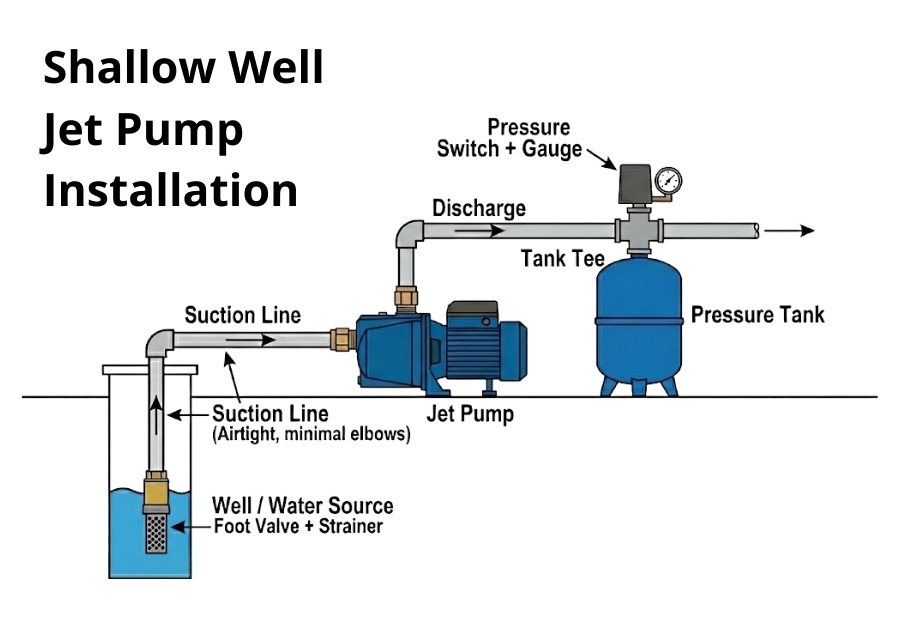
Credit: www.dultmeier.com
Preventive Maintenance Tips
Preventive maintenance helps avoid water pump problems. It keeps the system working well and saves money. Small checks stop big issues. Regular care makes sure the pump does not run nonstop after the first prime.
Regular System Inspections
Check your water pump and pipes often. Look for leaks, cracks, or rust. Inspect the pump housing and wiring for damage. Catching problems early stops failures. A quick visual check can save time and money.
Maintaining Pressure Switches
Pressure switches control when the pump turns on and off. Clean them regularly to remove dirt and dust. Test the switch to ensure it reacts at the right pressure. Replace faulty switches to prevent the pump from running nonstop.
Ensuring Proper Valve Function
Valves regulate water flow and pressure. Check all valves for tight seals and smooth operation. Fix or replace valves that leak or stick. Proper valve function helps stop the pump at the correct time.
Scheduling Professional Servicing
Hire a technician for detailed pump checks once a year. Professionals find hidden issues and tune the system. Routine service extends pump life and improves reliability. Trust experts for complex repairs and safety checks.
When To Call A Professional
Knowing when to call a professional for your water pump is important. Some problems need expert care. Trying to fix complex issues alone can cause more damage. Safety is also a key reason to seek help. Professionals have the right tools and knowledge. They can quickly find the root cause. This saves time and effort in the long run.
Complex Electrical Problems
Water pumps often rely on electrical parts. Faulty wiring or damaged controls can cause the pump to run nonstop. These electrical issues can be tricky. Testing and fixing them requires special skills. A professional electrician can safely handle wiring and circuit problems. They prevent risks like electric shocks and fire hazards.
Persistent Pump Issues
Sometimes, a water pump won’t stop even after many attempts to fix it. This could mean worn-out parts or hidden faults. Professionals know how to diagnose these persistent problems. They can replace or repair damaged components correctly. This helps avoid repeated breakdowns and wasted effort.
Safety Concerns
Water pumps connect to water and electricity. This combination can be dangerous. Handling pumps without proper knowledge may lead to injuries. Professionals follow safety rules and use the right equipment. They protect both themselves and your home. Calling an expert keeps everyone safe and the pump working well.

Credit: www.youtube.com
Frequently Asked Questions
Why Won’t My Water Pump Shut Off After First Prime?
A stuck pressure switch or a leak can keep the pump running. Check for leaks and inspect the pressure switch for damage.
How To Fix A Water Pump That Keeps Running Nonstop?
Turn off the power, check for leaks, and test the pressure switch. Replace faulty parts as needed to stop continuous running.
Can A Faulty Pressure Switch Cause Pump To Run Continuously?
Yes, a damaged or stuck pressure switch can fail to signal the pump to stop. Inspect and replace it if needed.
Does A Leaking Pipe Affect Water Pump Shut Off?
Leaks cause pressure drops, making the pump run longer to maintain pressure. Fix leaks to help the pump shut off properly.
What Role Does The Pressure Tank Play In Pump Shut Off?
The pressure tank stores water and maintains pressure to stop the pump. A damaged tank can cause the pump to run nonstop.
How Do I Test If My Pressure Switch Is Working?
Turn off power, remove the switch cover, and check for dirt or damage. Use a multimeter to test electrical continuity.
Can Air In The System Cause The Pump Not To Shut Off?
Yes, trapped air causes pressure fluctuations, confusing the switch. Bleed the system to remove air and restore proper pump function.
Conclusion
A water pump that won’t shut off can cause problems fast. Check for leaks or air in the system first. Clean or replace faulty parts to fix the issue. Regular maintenance helps prevent pump troubles. Don’t ignore the signs of a pump running nonstop.
Fixing it early saves money and stress later. A working pump keeps your water flowing smoothly. Stay alert and act quickly to avoid bigger problems. Simple care keeps your pump running as it should.